

Poems in this theme
Ethics and Morality
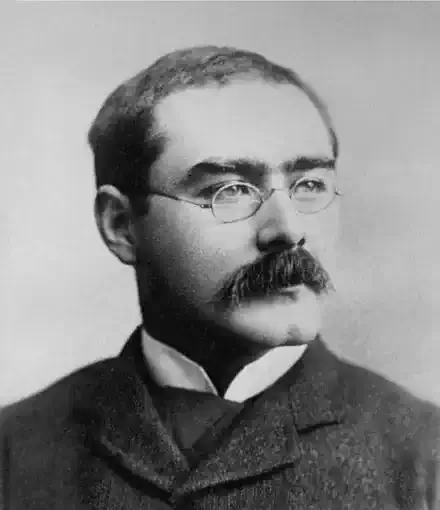
Rudyard Kipling
The Light That Failed
The Light That Failed
So we settled it all when the storm was done
As comfy as comfy could be;
And I was to wait in the barn, my dears,
Because I was only three.
And Teddy would run to the rainbow's foot
Because he was five and a man--
And that's how it all began, my dears,
And that's how it all began!
Then we brought the lances down--then the trumpets blew--
When we went to Kandahar, ridin' two an' two.
Ridin'--ridin'--ridin' two an' two!
Ta-ra-ra-ra-ra-ra-a!
All the way to Kandahar,
Ridin' two an' two.
The wolf-cub at even lay hid in the corn,
When the smoke of the cooking hung grey.
He knew where the doe made a couch for her fawn,
And he looked to his strength for his prey.
But the moon swept the smoke-wreaths away;
And he turned from his meal in the villager's close,
And he bayed to the moon as she rose.
"I have a thousand men," said he,
"To wait upon my will;
And towers nine upon the Tyne,
And three upon the Till."
"And what care I for your men? " said she,
"Or towers from Tyne to Till?
Sith you must go with me," said she,
"To wait upon my will.
And you may lead a thousand men
Nor ever draw the rein,
But before you lead the Fairy Queen
'Twill burst your heart in twain."
He has slipped his foot from the stirrup-bar,
The bridle from his hand,
And he is bound by hand and foot
To the Queen of Fairy Land.
"If I have taken the common clay
And wrought it cunningly
In the shape of a God that was digged a clod,
The greater honour to me."
"If thou hast taken the common clay,
And thy hands be not free
From the taint of the soil, thou hast made thy spoil
The greater shame to thee."
The lark will make her hymn to God,
The partridge call her brood,
While I forget the heath I trod,
The fields wherein I stood.
'Tis dule to know not night from morn,
But greater dule to know
I can but hear the hunter's horn
That once I used to blow.
There were three friends that buried the fourth,
The mould in his mouth and the dust in his eyes,
And they .went south and east and north--
The strong man fights but the sick man dies.
There were three friends that spoke of the dead--
The strong man fights but the sick man dies--
"And would he were here with us now," they said,
"The Sun in our face and the wind in our eyes."
Yet at the last ere our spearmen had found him,
Yet at the last, ere a sword-thrust could save,
Yet at the last, with his masters around him,
He spoke of the Faith as a master to slave.
Yet at the last though the Kafirs had maimed him,
Broken by bondage and wrecked by the reiver,
Yet at the last, tho' the darkness had claimed him,
He colled on Allah and died a Believer!
So we settled it all when the storm was done
As comfy as comfy could be;
And I was to wait in the barn, my dears,
Because I was only three.
And Teddy would run to the rainbow's foot
Because he was five and a man--
And that's how it all began, my dears,
And that's how it all began!
Then we brought the lances down--then the trumpets blew--
When we went to Kandahar, ridin' two an' two.
Ridin'--ridin'--ridin' two an' two!
Ta-ra-ra-ra-ra-ra-a!
All the way to Kandahar,
Ridin' two an' two.
The wolf-cub at even lay hid in the corn,
When the smoke of the cooking hung grey.
He knew where the doe made a couch for her fawn,
And he looked to his strength for his prey.
But the moon swept the smoke-wreaths away;
And he turned from his meal in the villager's close,
And he bayed to the moon as she rose.
"I have a thousand men," said he,
"To wait upon my will;
And towers nine upon the Tyne,
And three upon the Till."
"And what care I for your men? " said she,
"Or towers from Tyne to Till?
Sith you must go with me," said she,
"To wait upon my will.
And you may lead a thousand men
Nor ever draw the rein,
But before you lead the Fairy Queen
'Twill burst your heart in twain."
He has slipped his foot from the stirrup-bar,
The bridle from his hand,
And he is bound by hand and foot
To the Queen of Fairy Land.
"If I have taken the common clay
And wrought it cunningly
In the shape of a God that was digged a clod,
The greater honour to me."
"If thou hast taken the common clay,
And thy hands be not free
From the taint of the soil, thou hast made thy spoil
The greater shame to thee."
The lark will make her hymn to God,
The partridge call her brood,
While I forget the heath I trod,
The fields wherein I stood.
'Tis dule to know not night from morn,
But greater dule to know
I can but hear the hunter's horn
That once I used to blow.
There were three friends that buried the fourth,
The mould in his mouth and the dust in his eyes,
And they .went south and east and north--
The strong man fights but the sick man dies.
There were three friends that spoke of the dead--
The strong man fights but the sick man dies--
"And would he were here with us now," they said,
"The Sun in our face and the wind in our eyes."
Yet at the last ere our spearmen had found him,
Yet at the last, ere a sword-thrust could save,
Yet at the last, with his masters around him,
He spoke of the Faith as a master to slave.
Yet at the last though the Kafirs had maimed him,
Broken by bondage and wrecked by the reiver,
Yet at the last, tho' the darkness had claimed him,
He colled on Allah and died a Believer!
410
Rudyard Kipling
The Law of the Jungle
The Law of the Jungle
Now this is the Law of the Jungle -- as old and as true as the sky; And the Wolf
that shall keep it may prosper, but the Wolf that shall break it must die. AAs the
creeper that girdles the tree-trunk the Law runneth forward and back --
For the strength of the Pack is the Wolf, and the strength of the Wolf is the Pack.
Wash daily from nose-tip to tail-tip; drink deeply, but never too deep;
And remember the night is for hunting, and forget not the day is for sleep.
The Jackal may follow the Tiger, but, Cub, when thy whiskers are grown,
Remember the Wolf is a Hunter -- go forth and get food of thine own.
Keep peace withe Lords of the Jungle -- the Tiger, the Panther, and Bear.
And trouble not Hathi the Silent, and mock not the Boar in his lair.
When Pack meets with Pack in the Jungle, and neither will go from the trail,
Lie down till the leaders have spoken -- it may be fair words shall prevail.
When ye fight with a Wolf of the Pack, ye must fight him alone and afar,
Lest others take part in the quarrel, and the Pack be diminished by war.
The Lair of the Wolf is his refuge, and where he has made him his home,
Not even the Head Wolf may enter, not even the Council may come.
The Lair of the Wolf is his refuge, but where he has digged it too plain,
The Council shall send him a message, and so he shall change it again.
If ye kill before midnight, be silent, and wake not the woods with your bay,
Lest ye frighten the deer from the crop, and your brothers go empty away.
Ye may kill for yourselves, and your mates, and your cubs as they need, and ye can;
But kill not for pleasure of killing, and seven times never kill Man!
If ye plunder his Kill from a weaker, devour not all in thy pride;
Pack-Right is the right of the meanest; so leave him the head and the hide.
The Kill of the Pack is the meat of the Pack. Ye must eat where it lies;
And no one may carry away of that meat to his lair, or he dies.
The Kill of the Wolf is the meat of the Wolf. He may do what he will;
But, till he has given permission, the Pack may not eat of that Kill.
Cub-Right is the right of the Yearling. From all of his Pack he may claim
Full-gorge when the killer has eaten; and none may refuse him the same.
Lair-Right is the right of the Mother. From all of her year she may claim
One haunch of each kill for her litter, and none may deny her the same.
Cave-Right is the right of the Father -- to hunt by himself for his own:
He is freed of all calls to the Pack; he is judged by the Council alone.
Because of his age and his cunning, because of his gripe and his paw,
In all that the Law leaveth open, the word of your Head Wolf is Law.
Now these are the Laws of the Jungle, and many and mighty are they;
But the head and the hoof of the Law and the haunch and the hump is -- Obey!
Now this is the Law of the Jungle -- as old and as true as the sky; And the Wolf
that shall keep it may prosper, but the Wolf that shall break it must die. AAs the
creeper that girdles the tree-trunk the Law runneth forward and back --
For the strength of the Pack is the Wolf, and the strength of the Wolf is the Pack.
Wash daily from nose-tip to tail-tip; drink deeply, but never too deep;
And remember the night is for hunting, and forget not the day is for sleep.
The Jackal may follow the Tiger, but, Cub, when thy whiskers are grown,
Remember the Wolf is a Hunter -- go forth and get food of thine own.
Keep peace withe Lords of the Jungle -- the Tiger, the Panther, and Bear.
And trouble not Hathi the Silent, and mock not the Boar in his lair.
When Pack meets with Pack in the Jungle, and neither will go from the trail,
Lie down till the leaders have spoken -- it may be fair words shall prevail.
When ye fight with a Wolf of the Pack, ye must fight him alone and afar,
Lest others take part in the quarrel, and the Pack be diminished by war.
The Lair of the Wolf is his refuge, and where he has made him his home,
Not even the Head Wolf may enter, not even the Council may come.
The Lair of the Wolf is his refuge, but where he has digged it too plain,
The Council shall send him a message, and so he shall change it again.
If ye kill before midnight, be silent, and wake not the woods with your bay,
Lest ye frighten the deer from the crop, and your brothers go empty away.
Ye may kill for yourselves, and your mates, and your cubs as they need, and ye can;
But kill not for pleasure of killing, and seven times never kill Man!
If ye plunder his Kill from a weaker, devour not all in thy pride;
Pack-Right is the right of the meanest; so leave him the head and the hide.
The Kill of the Pack is the meat of the Pack. Ye must eat where it lies;
And no one may carry away of that meat to his lair, or he dies.
The Kill of the Wolf is the meat of the Wolf. He may do what he will;
But, till he has given permission, the Pack may not eat of that Kill.
Cub-Right is the right of the Yearling. From all of his Pack he may claim
Full-gorge when the killer has eaten; and none may refuse him the same.
Lair-Right is the right of the Mother. From all of her year she may claim
One haunch of each kill for her litter, and none may deny her the same.
Cave-Right is the right of the Father -- to hunt by himself for his own:
He is freed of all calls to the Pack; he is judged by the Council alone.
Because of his age and his cunning, because of his gripe and his paw,
In all that the Law leaveth open, the word of your Head Wolf is Law.
Now these are the Laws of the Jungle, and many and mighty are they;
But the head and the hoof of the Law and the haunch and the hump is -- Obey!
792
Rudyard Kipling
The Last Shuttee
The Last Shuttee
Not many years ago a King died in one of the Rajpoot States.
His wives, disregarding the orders of the English against Suttee,
would have broken out of the palace had not the gates been barred.
But one of them, disguised as the King's favourite dancing-girl,
passed through the line of guards and reached the pyre. There,
her courage failing, she prayed her cousin, a baron of the court,
to kill her. This he did, not knowing who she was.
Udai Chand lay sick to death
In his hold by Gungra hill.
All night we heard the death-gongs ring
For the soul of the dying Rajpoot King,
All night beat up from the women's wing
A cry that we could not still.
All night the barons came and went,
The lords of the outer guard:
All night the cressets glimmered pale
On Ulwar sabre and Tonk jezail,
Mewar headstall and Marwar mail,
That clinked in the palace yard.
In the Golden room on the palace roof
All night he fought for air:
And there was sobbing behind the screen,
Rustle and whisper of women unseen,
And the hungry eyes of the Boondi Queen
On the death she might not share.
He passed at dawn -- the death-fire leaped
From ridge to river-head,
From the Malwa plains to the Abu scars:
And wail upon wail went up to the stars
Behind the grim zenana-bars,
When they knew that the King was dead.
The dumb priest knelt to tie his mouth
And robe him for the pyre.
The Boondi Queen beneath us cried:
"See, now, that we die as our mothers died
In the bridal-bed by our master's side!
Out, women! -- to the fire!"
We drove the great gates home apace:
White hands were on the sill:
But ere the rush of the unseen feet
Had reached the turn to the open street,
The bars shot down, the guard-drum beat --
We held the dovecot still.
A face looked down in the gathering day,
And laughing spoke from the wall:
"Oh]/e, they mourn here: let me by --
Azizun, the Lucknow nautch-girl, I!
When the house is rotten, the rats must fly,
And I seek another thrall.
"For I ruled the King as ne'er did Queen, --
To-night the Queens rule me!
Guard them safely, but let me go,
Or ever they pay the debt they owe
In scourge and torture!" She leaped below,
And the grim guard watched her flee.
They knew that the King had spent his soul
On a North-bred dancing-girl:
That he prayed to a flat-nosed Lucknow god,
And kissed the ground where her feet had trod,
And doomed to death at her drunken nod,
And swore by her lightest curl.
We bore the King to his fathers' place,
Where the tombs of the Sun-born stand:
Where the gray apes swing, and the peacocks preen
On fretted pillar and jewelled screen,
And the wild boar couch in the house of the Queen
On the drift of the desert sand.
The herald read his titles forth,
We set the logs aglow:
"Friend of the English, free from fear,
Baron of Luni to Jeysulmeer,
Lord of the Desert of Bikaneer,
King of the Jungle, -- go!"
All night the red flame stabbed the sky
With wavering wind-tossed spears:
And out of a shattered temple crept
A woman who veiled her head and wept,
And called on the King -- but the great King slept,
And turned not for her tears.
Small thought had he to mark the strife --
Cold fear with hot desire --
When thrice she leaped from the leaping flame,
And thrice she beat her breast for shame,
And thrice like a wounded dove she came
And moaned about the fire.
One watched, a bow-shot from the blaze,
The silent streets between,
Who had stood by the King in sport and fray,
To blade in ambush or boar at bay,
And he was a baron old and gray,
And kin to the Boondi Queen.
He said: "O shameless, put aside
The veil upon thy brow!
Who held the King and all his land
To the wanton will of a harlot's hand!
Will the white ash rise from the blistered brand?
Stoop down, and call him now!"
Then she: "By the faith of my tarnished soul,
All things I did not well,
I had hoped to clear ere the fire died,
And lay me down by my master's side
To rule in Heaven his only bride,
While the others howl in Hell.
"But I have felt the fire's breath,
And hard it is to die!
Yet if I may pray a Rajpoot lord
To sully the steel of a Thakur's sword
With base-born blood of a trade abhorred," --
And the Thakur answered, "Ay."
He drew and struck: the straight blade drank
The life beneath the breast.
"I had looked for the Queen to face the flame,
But the harlot dies for the Rajpoot dame --
Sister of mine, pass, free from shame,
Pass with thy King to rest!"
The black log crashed above the white:
The little flames and lean,
Red as slaughter and blue as steel,
That whistled and fluttered from head to heel,
Leaped up anew, for they found their meal
On the heart of -- the Boondi Queen!
Not many years ago a King died in one of the Rajpoot States.
His wives, disregarding the orders of the English against Suttee,
would have broken out of the palace had not the gates been barred.
But one of them, disguised as the King's favourite dancing-girl,
passed through the line of guards and reached the pyre. There,
her courage failing, she prayed her cousin, a baron of the court,
to kill her. This he did, not knowing who she was.
Udai Chand lay sick to death
In his hold by Gungra hill.
All night we heard the death-gongs ring
For the soul of the dying Rajpoot King,
All night beat up from the women's wing
A cry that we could not still.
All night the barons came and went,
The lords of the outer guard:
All night the cressets glimmered pale
On Ulwar sabre and Tonk jezail,
Mewar headstall and Marwar mail,
That clinked in the palace yard.
In the Golden room on the palace roof
All night he fought for air:
And there was sobbing behind the screen,
Rustle and whisper of women unseen,
And the hungry eyes of the Boondi Queen
On the death she might not share.
He passed at dawn -- the death-fire leaped
From ridge to river-head,
From the Malwa plains to the Abu scars:
And wail upon wail went up to the stars
Behind the grim zenana-bars,
When they knew that the King was dead.
The dumb priest knelt to tie his mouth
And robe him for the pyre.
The Boondi Queen beneath us cried:
"See, now, that we die as our mothers died
In the bridal-bed by our master's side!
Out, women! -- to the fire!"
We drove the great gates home apace:
White hands were on the sill:
But ere the rush of the unseen feet
Had reached the turn to the open street,
The bars shot down, the guard-drum beat --
We held the dovecot still.
A face looked down in the gathering day,
And laughing spoke from the wall:
"Oh]/e, they mourn here: let me by --
Azizun, the Lucknow nautch-girl, I!
When the house is rotten, the rats must fly,
And I seek another thrall.
"For I ruled the King as ne'er did Queen, --
To-night the Queens rule me!
Guard them safely, but let me go,
Or ever they pay the debt they owe
In scourge and torture!" She leaped below,
And the grim guard watched her flee.
They knew that the King had spent his soul
On a North-bred dancing-girl:
That he prayed to a flat-nosed Lucknow god,
And kissed the ground where her feet had trod,
And doomed to death at her drunken nod,
And swore by her lightest curl.
We bore the King to his fathers' place,
Where the tombs of the Sun-born stand:
Where the gray apes swing, and the peacocks preen
On fretted pillar and jewelled screen,
And the wild boar couch in the house of the Queen
On the drift of the desert sand.
The herald read his titles forth,
We set the logs aglow:
"Friend of the English, free from fear,
Baron of Luni to Jeysulmeer,
Lord of the Desert of Bikaneer,
King of the Jungle, -- go!"
All night the red flame stabbed the sky
With wavering wind-tossed spears:
And out of a shattered temple crept
A woman who veiled her head and wept,
And called on the King -- but the great King slept,
And turned not for her tears.
Small thought had he to mark the strife --
Cold fear with hot desire --
When thrice she leaped from the leaping flame,
And thrice she beat her breast for shame,
And thrice like a wounded dove she came
And moaned about the fire.
One watched, a bow-shot from the blaze,
The silent streets between,
Who had stood by the King in sport and fray,
To blade in ambush or boar at bay,
And he was a baron old and gray,
And kin to the Boondi Queen.
He said: "O shameless, put aside
The veil upon thy brow!
Who held the King and all his land
To the wanton will of a harlot's hand!
Will the white ash rise from the blistered brand?
Stoop down, and call him now!"
Then she: "By the faith of my tarnished soul,
All things I did not well,
I had hoped to clear ere the fire died,
And lay me down by my master's side
To rule in Heaven his only bride,
While the others howl in Hell.
"But I have felt the fire's breath,
And hard it is to die!
Yet if I may pray a Rajpoot lord
To sully the steel of a Thakur's sword
With base-born blood of a trade abhorred," --
And the Thakur answered, "Ay."
He drew and struck: the straight blade drank
The life beneath the breast.
"I had looked for the Queen to face the flame,
But the harlot dies for the Rajpoot dame --
Sister of mine, pass, free from shame,
Pass with thy King to rest!"
The black log crashed above the white:
The little flames and lean,
Red as slaughter and blue as steel,
That whistled and fluttered from head to heel,
Leaped up anew, for they found their meal
On the heart of -- the Boondi Queen!
762
Rudyard Kipling
The Last of the Light Brigade
The Last of the Light Brigade
There were thirty million English who talked of England's might,
There were twenty broken troopers who lacked a bed for the night.
They had neither food nor money, they had neither service nor trade;
They were only shiftless soldiers, the last of the Light Brigade.
They felt that life was fleeting; they knew not that art was long,
That though they were dying of famine, they lived in deathless song.
They asked for a little money to keep the wolf from the door;
And the thirty million English sent twenty pounds and four!
They laid their heads together that were scarred and lined and grey;
Keen were the Russian sabres, but want was keener than they;
And an old Troop-Sergeant muttered, "Let us go to the man who writes
The things on Balaclava the kiddies at school recites."
They went without bands or colours, a regiment ten-file strong,
To look for the Master-singer who had crowned them all in his song;
And, waiting his servant's order, by the garden gate they stayed,
A desolate little cluster, the last of the Light Brigade.
They strove to stand to attention, to straighten the toil-bowed back;
They drilled on an empty stomach, the loose-knit files fell slack;
With stooping of weary shoulders, in garments tattered and frayed,
They shambled into his presence, the last of the Light Brigade.
The old Troop-Sergeant was spokesman, and "Beggin' your pardon," he said,
"You wrote o' the Light Brigade, sir. Here's all that isn't dead.
An' it's all come true what you wrote, sir, regardin' the mouth of hell;
For we're all of us nigh to the workhouse, an, we thought we'd call an' tell.
"No, thank you, we don't want food, sir; but couldn't you take an' write
A sort of 'to be continued' and 'see next page' o' the fight?
We think that someone has blundered, an' couldn't you tell 'em how?
You wrote we were heroes once, sir. Please, write we are starving now."
The poor little army departed, limping and lean and forlorn.
And the heart of the Master-singer grew hot with "the scorn of scorn."
And he wrote for them wonderful verses that swept the land like flame,
Till the fatted souls of the English were scourged with the thing called Shame.
O thirty million English that babble of England's might,
Behold there are twenty heroes who lack their food to-night;
Our children's children are lisping to "honour the charge they made-"
And we leave to the streets and the workhouse the charge of the Light Brigade!
There were thirty million English who talked of England's might,
There were twenty broken troopers who lacked a bed for the night.
They had neither food nor money, they had neither service nor trade;
They were only shiftless soldiers, the last of the Light Brigade.
They felt that life was fleeting; they knew not that art was long,
That though they were dying of famine, they lived in deathless song.
They asked for a little money to keep the wolf from the door;
And the thirty million English sent twenty pounds and four!
They laid their heads together that were scarred and lined and grey;
Keen were the Russian sabres, but want was keener than they;
And an old Troop-Sergeant muttered, "Let us go to the man who writes
The things on Balaclava the kiddies at school recites."
They went without bands or colours, a regiment ten-file strong,
To look for the Master-singer who had crowned them all in his song;
And, waiting his servant's order, by the garden gate they stayed,
A desolate little cluster, the last of the Light Brigade.
They strove to stand to attention, to straighten the toil-bowed back;
They drilled on an empty stomach, the loose-knit files fell slack;
With stooping of weary shoulders, in garments tattered and frayed,
They shambled into his presence, the last of the Light Brigade.
The old Troop-Sergeant was spokesman, and "Beggin' your pardon," he said,
"You wrote o' the Light Brigade, sir. Here's all that isn't dead.
An' it's all come true what you wrote, sir, regardin' the mouth of hell;
For we're all of us nigh to the workhouse, an, we thought we'd call an' tell.
"No, thank you, we don't want food, sir; but couldn't you take an' write
A sort of 'to be continued' and 'see next page' o' the fight?
We think that someone has blundered, an' couldn't you tell 'em how?
You wrote we were heroes once, sir. Please, write we are starving now."
The poor little army departed, limping and lean and forlorn.
And the heart of the Master-singer grew hot with "the scorn of scorn."
And he wrote for them wonderful verses that swept the land like flame,
Till the fatted souls of the English were scourged with the thing called Shame.
O thirty million English that babble of England's might,
Behold there are twenty heroes who lack their food to-night;
Our children's children are lisping to "honour the charge they made-"
And we leave to the streets and the workhouse the charge of the Light Brigade!
522
Rudyard Kipling
The King's Job
The King's Job
The Tudor Monarchy
Once on a time was a King anxious to understand
What was the wisest thing a man could do for his land.
Most of his population hurried to answer the question,
Each with a long oration, each with a new suggestion.
They interrupted his meals--he wasn't safe in his bed from 'em--
They hung round his neck and heels, and at last His Majesty fled
from 'em.
He put on a leper's cloak (people leave lepers alone),
Out of the window he broke, and abdicated his throne.
All that rapturous day, while his Court and his ministers mourn
him,
He danced on his own highway till his own Policeman warned
him.
Gay and cheerful he ran (lepers don't cheer as a rule)
Till he found a philosopher-man teaching an infant-school.
The windows were open wide, the King sat down on the grass,
And heard the children inside reciting "Our King is an ass."
The King popped in his head: "Some people would call this
treason,
But I think you are right," he said; "Will you kindly give me your
reason?"
Lepers in school are as rare as kings with a leper's dress on,
But the class didn't stop or stare; it calmly went on with the
lesson:
"The wisest thing, we suppose, that a man can do for his land.
Is the work that lies under his nose, with the tools that lie under
his hand."
The King whipped off his cloak, and stood in his crown before
'em.
He said: "My dear little folk, Ex ore parvulorum--."
(Which is Latin for "Children know more than grown-ups would
credit")
You have shown me the road to go, and I propose to tread it."
Back to his Kingdom he ran, and issued a Proclamation,
"Let every living man return to his occupation!"
Then he explained to the mob who cheered in his palace and round it,
"I've been to look for a job, and Heaven be praised I've found it!"
The Tudor Monarchy
Once on a time was a King anxious to understand
What was the wisest thing a man could do for his land.
Most of his population hurried to answer the question,
Each with a long oration, each with a new suggestion.
They interrupted his meals--he wasn't safe in his bed from 'em--
They hung round his neck and heels, and at last His Majesty fled
from 'em.
He put on a leper's cloak (people leave lepers alone),
Out of the window he broke, and abdicated his throne.
All that rapturous day, while his Court and his ministers mourn
him,
He danced on his own highway till his own Policeman warned
him.
Gay and cheerful he ran (lepers don't cheer as a rule)
Till he found a philosopher-man teaching an infant-school.
The windows were open wide, the King sat down on the grass,
And heard the children inside reciting "Our King is an ass."
The King popped in his head: "Some people would call this
treason,
But I think you are right," he said; "Will you kindly give me your
reason?"
Lepers in school are as rare as kings with a leper's dress on,
But the class didn't stop or stare; it calmly went on with the
lesson:
"The wisest thing, we suppose, that a man can do for his land.
Is the work that lies under his nose, with the tools that lie under
his hand."
The King whipped off his cloak, and stood in his crown before
'em.
He said: "My dear little folk, Ex ore parvulorum--."
(Which is Latin for "Children know more than grown-ups would
credit")
You have shown me the road to go, and I propose to tread it."
Back to his Kingdom he ran, and issued a Proclamation,
"Let every living man return to his occupation!"
Then he explained to the mob who cheered in his palace and round it,
"I've been to look for a job, and Heaven be praised I've found it!"
533
Rudyard Kipling
The Hyaenas
The Hyaenas
After the burial-parties leave
And the baffled kites have fled;
The wise hyaenas come out at eve
To take account of our dead.
How he died and why he died
Troubles them not a whit.
They snout the bushes and stones aside
And dig till they come to it.
They are only resolute they shall eat
That they and their mates may thrive,
And they know that the dead are safer meat
Than the weakest thing alive.
(For a goat may butt, and a worm may sting,
And a child will sometimes stand;
But a poor dead soldier of the King
Can never lift a hand.)
They whoop and halloo and scatter the dirt
Until their tushes white
Take good hold in the army shirt,
And tug the corpse to light,
And the pitiful face is shewn again
For an instant ere they close;
But it is not discovered to living men --
Only to God and to those
Who, being soulless, are free from shame,
Whatever meat they may find.
Nor do they defile the dead man's name --
That is reserved for his kind.
After the burial-parties leave
And the baffled kites have fled;
The wise hyaenas come out at eve
To take account of our dead.
How he died and why he died
Troubles them not a whit.
They snout the bushes and stones aside
And dig till they come to it.
They are only resolute they shall eat
That they and their mates may thrive,
And they know that the dead are safer meat
Than the weakest thing alive.
(For a goat may butt, and a worm may sting,
And a child will sometimes stand;
But a poor dead soldier of the King
Can never lift a hand.)
They whoop and halloo and scatter the dirt
Until their tushes white
Take good hold in the army shirt,
And tug the corpse to light,
And the pitiful face is shewn again
For an instant ere they close;
But it is not discovered to living men --
Only to God and to those
Who, being soulless, are free from shame,
Whatever meat they may find.
Nor do they defile the dead man's name --
That is reserved for his kind.
363
Rudyard Kipling
The Heritage
The Heritage
Our Fathers in a wondrous age,
Ere yet the Earth was small,
Ensured to us a heritage,
And doubted not at all
That we the children of their heart,
Which then did beat so high,
In later rime should play like part
For our posterity.
A thousand years they steadfast built,
To 'vantage us and ours,
The Walls that were a world's despair,
The sea-constraining Towers:
Yet in their midmost pride they knew,
And unto Kings made known,
Not all from these their strength they drew,
Their faith from brass or stone.
Youth's passion, manhood's fierce intent,
With age's judgment wise,
They spent, and counted not they spent,
At daily sacrifice.
Not lambs alone nor purchased doves .
Or tithe of trader's gold--
Their lives most dear, their dearer loves,
They offered up of old.
Refraining e'en from lawful things,
They bowed the neck to bear
The unadorned yoke that brings
Stark toil and sternest care.
Wherefore through them is Freedom sure;
Wherefore through them we stand,
From all but sloth and pride secure,
In a delightsome land.
Then, fretful, murmur not they gave
So great a charge to keep,
Nor dream that awestruck Time shall save
Their labour while we sleep.
Dear-bought and clear, a thousand year,
Our fathers' title runs.
Make we likewise their sacrifice,
Defrauding not our sons.
Our Fathers in a wondrous age,
Ere yet the Earth was small,
Ensured to us a heritage,
And doubted not at all
That we the children of their heart,
Which then did beat so high,
In later rime should play like part
For our posterity.
A thousand years they steadfast built,
To 'vantage us and ours,
The Walls that were a world's despair,
The sea-constraining Towers:
Yet in their midmost pride they knew,
And unto Kings made known,
Not all from these their strength they drew,
Their faith from brass or stone.
Youth's passion, manhood's fierce intent,
With age's judgment wise,
They spent, and counted not they spent,
At daily sacrifice.
Not lambs alone nor purchased doves .
Or tithe of trader's gold--
Their lives most dear, their dearer loves,
They offered up of old.
Refraining e'en from lawful things,
They bowed the neck to bear
The unadorned yoke that brings
Stark toil and sternest care.
Wherefore through them is Freedom sure;
Wherefore through them we stand,
From all but sloth and pride secure,
In a delightsome land.
Then, fretful, murmur not they gave
So great a charge to keep,
Nor dream that awestruck Time shall save
Their labour while we sleep.
Dear-bought and clear, a thousand year,
Our fathers' title runs.
Make we likewise their sacrifice,
Defrauding not our sons.
411
Rudyard Kipling
The Hour of the Angel
The Hour of the Angel
Sooner or late--in earnest or in jest--
(But the stakes are no jest) Ithuriel's Hour
Will spring on us, for the first time, the test
Of our sole unbacked competence and power
Up to the limit of our years and dower
Of judgment--or beyond. But here we have
Prepared long since our garland or our grave.
For, at that hour, the sum of all our past,
Act, habit, thought, and passion, shall be cast
In one addition, be it more or less,
And as that reading runs so shall we do;
Meeting, astounded, victory at the last,
Or, first and last, our own unworthiness.
And none can change us though they die to save!
Sooner or late--in earnest or in jest--
(But the stakes are no jest) Ithuriel's Hour
Will spring on us, for the first time, the test
Of our sole unbacked competence and power
Up to the limit of our years and dower
Of judgment--or beyond. But here we have
Prepared long since our garland or our grave.
For, at that hour, the sum of all our past,
Act, habit, thought, and passion, shall be cast
In one addition, be it more or less,
And as that reading runs so shall we do;
Meeting, astounded, victory at the last,
Or, first and last, our own unworthiness.
And none can change us though they die to save!
420
Rudyard Kipling
The Greek National Anthem
The Greek National Anthem
We knew thee of old,
Oh divinely restored,
By the light of thine eyes
And the light of thy Sword.
From the graves of our slain
Shall thy valour prevail
As we greet thee again --
Hail, Liberty! Hail!
Long time didst thou dwell
Mid the peoples that mourn,
Awaiting some voice
That should bid thee return.
Ah, slow broke that day
And no man dared call,
For the shadow of tyranny
Lay over all:
And we saw thee sad-eyed,
The tears on thy cheeks
While thy raiment was dyed
In the blood of the Greeks.
Yet, behold now thy sons
With impetuous breath
Go forth to the fight
Seeking Freedom or Death.
From the graves of our slain
Shall thy valour prevail
As we greet thee again
Hail, Liberty! Hail!
We knew thee of old,
Oh divinely restored,
By the light of thine eyes
And the light of thy Sword.
From the graves of our slain
Shall thy valour prevail
As we greet thee again --
Hail, Liberty! Hail!
Long time didst thou dwell
Mid the peoples that mourn,
Awaiting some voice
That should bid thee return.
Ah, slow broke that day
And no man dared call,
For the shadow of tyranny
Lay over all:
And we saw thee sad-eyed,
The tears on thy cheeks
While thy raiment was dyed
In the blood of the Greeks.
Yet, behold now thy sons
With impetuous breath
Go forth to the fight
Seeking Freedom or Death.
From the graves of our slain
Shall thy valour prevail
As we greet thee again
Hail, Liberty! Hail!
423
Rudyard Kipling
The Gods Of The Copybook Headings
The Gods Of The Copybook Headings
As I pass through my incarnations in every age and race,
I make my proper protestations to the Gods of the Market-Place.
Peering through reverent fingers I watch them flourish and fall.
And the Gods of the Copybook Headings, I notice, outlast them all.
We were living in trees when they met us. They showed us each in turn.
That water would certainly wet us, as Fire would certainly burn:
But we found them lacking in Uplift, Vision, and Breadth of Mind,
So we left them to teach the Gorilas while we followed the March of Mankind.
We moved as the Spirit listed. They never altered their pace,
Being neither clud nor wind-borne like the Gods of the Market-Place;
But they always caught up with our progress, and presently word would come
That a tribe had been wiped off its icefield, or the lights had gone out in Rome.
With the Hopes that our World is built on they were utterly out of touch.
They denied that the Moon was Stilton; they denied she was even Dutch.
They denied that Wishes were Horses; they denied that a Pig had Wings.
So we worshiped the Gods of the Market Who promiced these beautiful things.
When the Cambrian measures were forming, They promiced perpetual peace.
They swore, if we gave them our weapons, that the wars of the tribes would cease.
But when we disarmed They sold us and delivered us bound to our foe,
And the Gods of the Copybook Headings said: 'Stick to the Devil you know.'
On the first Feminian Sandstones we were promiced the Fuller Life
(Which started by loving our neighbor and ended by loving his wife)
Till our women had no more children and the men lost reason and faith,
And the Gods of the Copybook Headings said: 'The Wages of Sin is Death/'
In the Carboniferous Epoch we were promised abundance for all,
By robbing selective Peter to pay for collective Paul;
But, though we had plenty of money, there was nothing our money could buy,
And the Gods of the Copybook Headings said: 'If you don't work you die.'
The the Gods of the Market tumbled, and their smooth-tounged wizards withdrew,
And the hearts of the meanest were humbled and began to belive it was true
That All is not Gold that Glitters, and Two and Two make Four---
And the Gods of the Copybook Headings limped up to explain it once more
As it will be in the future, it was at the birth of Man---
There are only four things certain since Social Progress began:---
That the Dog returns to his Vomit and the Sow returns to her mire,
And the burnt Fool's bandaged finger goes wabbling back to the Fire;
And that after this is accomplished, and the brave new world begins
When all men are paid for existing and no man must pay for his sins,
As surely as Water will wet us, as surely as Fire will burn,
The Gods of the Copybook Headings with terror and slaughter return!
As I pass through my incarnations in every age and race,
I make my proper protestations to the Gods of the Market-Place.
Peering through reverent fingers I watch them flourish and fall.
And the Gods of the Copybook Headings, I notice, outlast them all.
We were living in trees when they met us. They showed us each in turn.
That water would certainly wet us, as Fire would certainly burn:
But we found them lacking in Uplift, Vision, and Breadth of Mind,
So we left them to teach the Gorilas while we followed the March of Mankind.
We moved as the Spirit listed. They never altered their pace,
Being neither clud nor wind-borne like the Gods of the Market-Place;
But they always caught up with our progress, and presently word would come
That a tribe had been wiped off its icefield, or the lights had gone out in Rome.
With the Hopes that our World is built on they were utterly out of touch.
They denied that the Moon was Stilton; they denied she was even Dutch.
They denied that Wishes were Horses; they denied that a Pig had Wings.
So we worshiped the Gods of the Market Who promiced these beautiful things.
When the Cambrian measures were forming, They promiced perpetual peace.
They swore, if we gave them our weapons, that the wars of the tribes would cease.
But when we disarmed They sold us and delivered us bound to our foe,
And the Gods of the Copybook Headings said: 'Stick to the Devil you know.'
On the first Feminian Sandstones we were promiced the Fuller Life
(Which started by loving our neighbor and ended by loving his wife)
Till our women had no more children and the men lost reason and faith,
And the Gods of the Copybook Headings said: 'The Wages of Sin is Death/'
In the Carboniferous Epoch we were promised abundance for all,
By robbing selective Peter to pay for collective Paul;
But, though we had plenty of money, there was nothing our money could buy,
And the Gods of the Copybook Headings said: 'If you don't work you die.'
The the Gods of the Market tumbled, and their smooth-tounged wizards withdrew,
And the hearts of the meanest were humbled and began to belive it was true
That All is not Gold that Glitters, and Two and Two make Four---
And the Gods of the Copybook Headings limped up to explain it once more
As it will be in the future, it was at the birth of Man---
There are only four things certain since Social Progress began:---
That the Dog returns to his Vomit and the Sow returns to her mire,
And the burnt Fool's bandaged finger goes wabbling back to the Fire;
And that after this is accomplished, and the brave new world begins
When all men are paid for existing and no man must pay for his sins,
As surely as Water will wet us, as surely as Fire will burn,
The Gods of the Copybook Headings with terror and slaughter return!
523
Rudyard Kipling
The Gift Of The Sea
The Gift Of The Sea
The dead child lay in the shroud,
And the widow watched beside;
And her mother slept, and the Channel swept
The gale in the teeth of the tide.
But the mother laughed at all.
"I have lost my man in the sea,
And the child is dead. Be still," she said,
"What more can ye do to me?"
The widow watched the dead,
And the candle guttered low,
And she tried to sing the Passing Song
That bids the poor soul go.
And "Mary take you now," she sang,
"That lay against my heart."
And "Mary smooth your crib to-night,"
But she could not say "Depart."
Then came a cry from the sea,
But the sea-rime blinded the glass,
And "Heard ye nothing, mother?" she said,
"'Tis the child that waits to pass."
And the nodding mother sighed.
"'Tis a lambing ewe in the whin,
For why should the christened soul cry out
That never knew of sin?"
"O feet I have held in my hand,
O hands at my heart to catch,
How should they know the road to go,
And how should they lift the latch?"
They laid a sheet to the door,
With the little quilt atop,
That it might not hurt from the cold or the dirt,
But the crying would not stop.
The widow lifted the latch
And strained her eyes to see,
And opened the door on the bitter shore
To let the soul go free.
There was neither glimmer nor ghost,
There was neither spirit nor spark,
And "Heard ye nothing, mother?" she said,
"'Tis crying for me in the dark."
And the nodding mother sighed:
"'Tis sorrow makes ye dull;
Have ye yet to learn the cry of the tern,
Or the wail of the wind-blown gull?"
"The terns are blown inland,
The gray gull follows the plough.
'Twas never a bird, the voice I heard,
O mother, I hear it now!"
"Lie still, dear lamb, lie still;
The child is passed from harm,
'Tis the ache in your breast that broke your rest,
And the feel of an empty arm."
She put her mother aside,
"In Mary's name let be!
For the peace of my soul I must go," she said,
And she went to the calling sea.
In the heel of the wind-bit pier,
Where the twisted weed was piled,
She came to the life she had missed by an hour,
For she came to a little child.
She laid it into her breast,
And back to her mother she came,
But it would not feed and it would not heed,
Though she gave it her own child's name.
And the dead child dripped on her breast,
And her own in the shroud lay stark;
And "God forgive us, mother," she said,
"We let it die in the dark!"
The dead child lay in the shroud,
And the widow watched beside;
And her mother slept, and the Channel swept
The gale in the teeth of the tide.
But the mother laughed at all.
"I have lost my man in the sea,
And the child is dead. Be still," she said,
"What more can ye do to me?"
The widow watched the dead,
And the candle guttered low,
And she tried to sing the Passing Song
That bids the poor soul go.
And "Mary take you now," she sang,
"That lay against my heart."
And "Mary smooth your crib to-night,"
But she could not say "Depart."
Then came a cry from the sea,
But the sea-rime blinded the glass,
And "Heard ye nothing, mother?" she said,
"'Tis the child that waits to pass."
And the nodding mother sighed.
"'Tis a lambing ewe in the whin,
For why should the christened soul cry out
That never knew of sin?"
"O feet I have held in my hand,
O hands at my heart to catch,
How should they know the road to go,
And how should they lift the latch?"
They laid a sheet to the door,
With the little quilt atop,
That it might not hurt from the cold or the dirt,
But the crying would not stop.
The widow lifted the latch
And strained her eyes to see,
And opened the door on the bitter shore
To let the soul go free.
There was neither glimmer nor ghost,
There was neither spirit nor spark,
And "Heard ye nothing, mother?" she said,
"'Tis crying for me in the dark."
And the nodding mother sighed:
"'Tis sorrow makes ye dull;
Have ye yet to learn the cry of the tern,
Or the wail of the wind-blown gull?"
"The terns are blown inland,
The gray gull follows the plough.
'Twas never a bird, the voice I heard,
O mother, I hear it now!"
"Lie still, dear lamb, lie still;
The child is passed from harm,
'Tis the ache in your breast that broke your rest,
And the feel of an empty arm."
She put her mother aside,
"In Mary's name let be!
For the peace of my soul I must go," she said,
And she went to the calling sea.
In the heel of the wind-bit pier,
Where the twisted weed was piled,
She came to the life she had missed by an hour,
For she came to a little child.
She laid it into her breast,
And back to her mother she came,
But it would not feed and it would not heed,
Though she gave it her own child's name.
And the dead child dripped on her breast,
And her own in the shroud lay stark;
And "God forgive us, mother," she said,
"We let it die in the dark!"
415
Rudyard Kipling
The Floods
The Floods
The rain it rains without a stay
In the hills above us, in the hills;
And presently the floods break way
Whose strength is in the hills.
The trees they suck from every cloud,
The valley brooks they roar aloud--
Bank-high for the lowlands, lowlands,
Lowlands under the hills!
The first wood down is sere and small,
From the hills--the brishings off the hills;
And then come by the bats and all
We cut last year in the hills;
And then the roots we tried to cleave
But found too tough and had to leave--
Polting through the lowlands, lowlands,
Lowlands under the hills!
The eye shall look, the ear shall hark
To the hills, the doings in the hills,
And rivers mating in the dark
With tokens from the hills.
Now what is weak will! surely go,
And what is strong must prove it so--
Stand Fast in the lowlands, lowlands,
Lowlands under the hills!
The floods they shall not be afraid--
Nor the hills above 'em, nor the hills--
Of any fence which man has made
Betwixt him and the hills.
The waters shall not reckon twice
For any work of man's device,
But bid it down to the lowlands, lowlands,
Lowlands under the hills!
The floods shall sweep corruption clean--
By the hills, the blessing of the hills--
That more the meadows may be green
New-mended from the hills.
The crops and cattle shall increase,
Nor little children shall not cease.
Go--plough the lowlands, lowlands,
Lowlands under the hills!
The rain it rains without a stay
In the hills above us, in the hills;
And presently the floods break way
Whose strength is in the hills.
The trees they suck from every cloud,
The valley brooks they roar aloud--
Bank-high for the lowlands, lowlands,
Lowlands under the hills!
The first wood down is sere and small,
From the hills--the brishings off the hills;
And then come by the bats and all
We cut last year in the hills;
And then the roots we tried to cleave
But found too tough and had to leave--
Polting through the lowlands, lowlands,
Lowlands under the hills!
The eye shall look, the ear shall hark
To the hills, the doings in the hills,
And rivers mating in the dark
With tokens from the hills.
Now what is weak will! surely go,
And what is strong must prove it so--
Stand Fast in the lowlands, lowlands,
Lowlands under the hills!
The floods they shall not be afraid--
Nor the hills above 'em, nor the hills--
Of any fence which man has made
Betwixt him and the hills.
The waters shall not reckon twice
For any work of man's device,
But bid it down to the lowlands, lowlands,
Lowlands under the hills!
The floods shall sweep corruption clean--
By the hills, the blessing of the hills--
That more the meadows may be green
New-mended from the hills.
The crops and cattle shall increase,
Nor little children shall not cease.
Go--plough the lowlands, lowlands,
Lowlands under the hills!
624
Rudyard Kipling
The Female of the Species
The Female of the Species
When the Himalayan peasant meets the he-bear in his pride,
He shouts to scare the monster who will often turn aside.
But the she-bear thus accosted rends the peasant tooth and nail,
For the female of the species is more deadly than the male.
When Nag, the wayside cobra, hears the careless foot of man,
He will sometimes wriggle sideways and avoid it if he can,
But his mate makes no such motion where she camps beside the trail -
For the female of the species is more deadly than the male.
When the early Jesuit fathers preached to Hurons and Choctaws,
They prayed to be delivered from the vengeance of the squaws -
'Twas the women, not the warriors, turned those stark enthusiasts pale -
For the female of the species is more deadly than the male.
Man's timid heart is bursting with the things he must not say,
For the Woman that God gave him isn't his to give away;
But when hunter meets with husband, each confirms the others tale -
The female of the species is more deadly than the male.
Man, a bear in most relations, worm and savage otherwise,
Man propounds negotiations, Man accepts the compromise;
Very rarely will he squarely push the logic of a fact
To its ultimate conclusion in unmitigated act.
Fear, or foolishness, impels him, ere he lay the wicked low,
To concede some form of trial even to his fiercest foe.
Mirth obscene diverts his anger; Doubt and Pity oft perplex
Him in dealing with an issue - to the scandal of the Sex!
But the Woman that God gave him, every fibre of her frame
Proves her launched for one sole issue, armed and engined for the same,
And to serve that single issue, lest the generations fail,
The female of the species must be deadlier than the male.
She who faces Death by torture for each life beneath her breast
May not deal in doubt or pity - must not swerve for fact or jest.
These be purely male diversions - not in these her honor dwells -
She, the Other Law we live by, is that Law and nothing else!
She can bring no more to living than the powers that make her great
As the Mother of the Infant and the Mistress of the Mate;
And when Babe and Man are lacking and she strides unclaimed to claim
Her right as femme (and baron), her equipment is the same.
She is wedded to convictions - in default of grosser ties;
Her contentions are her children, Heaven help him, who denies!
He will meet no cool discussion, but the instant, white-hot wild
Wakened female of the species warring as for spouse and child.
Unprovoked and awful charges - even so the she-bear fights;
Speech that drips, corrodes and poisons - even so the cobra bites;
Scientific vivisection of one nerve till it is raw,
And the victim writhes with anguish - like the Jesuit with the squaw!
So it comes that Man, the coward, when he gathers to confer
With his fellow-braves in council, dare not leave a place for her
Where, at war with Life and Conscience, he uplifts his erring hands
To some God of abstract justice - which no woman understands.
And Man knows it! Knows, moreover, that the Woman that God gave him
Must command but may not govern; shall enthrall but not enslave him.
And She knows, because She warns him and Her instincts never fail,
That the female of Her species is more deadly than the male!
When the Himalayan peasant meets the he-bear in his pride,
He shouts to scare the monster who will often turn aside.
But the she-bear thus accosted rends the peasant tooth and nail,
For the female of the species is more deadly than the male.
When Nag, the wayside cobra, hears the careless foot of man,
He will sometimes wriggle sideways and avoid it if he can,
But his mate makes no such motion where she camps beside the trail -
For the female of the species is more deadly than the male.
When the early Jesuit fathers preached to Hurons and Choctaws,
They prayed to be delivered from the vengeance of the squaws -
'Twas the women, not the warriors, turned those stark enthusiasts pale -
For the female of the species is more deadly than the male.
Man's timid heart is bursting with the things he must not say,
For the Woman that God gave him isn't his to give away;
But when hunter meets with husband, each confirms the others tale -
The female of the species is more deadly than the male.
Man, a bear in most relations, worm and savage otherwise,
Man propounds negotiations, Man accepts the compromise;
Very rarely will he squarely push the logic of a fact
To its ultimate conclusion in unmitigated act.
Fear, or foolishness, impels him, ere he lay the wicked low,
To concede some form of trial even to his fiercest foe.
Mirth obscene diverts his anger; Doubt and Pity oft perplex
Him in dealing with an issue - to the scandal of the Sex!
But the Woman that God gave him, every fibre of her frame
Proves her launched for one sole issue, armed and engined for the same,
And to serve that single issue, lest the generations fail,
The female of the species must be deadlier than the male.
She who faces Death by torture for each life beneath her breast
May not deal in doubt or pity - must not swerve for fact or jest.
These be purely male diversions - not in these her honor dwells -
She, the Other Law we live by, is that Law and nothing else!
She can bring no more to living than the powers that make her great
As the Mother of the Infant and the Mistress of the Mate;
And when Babe and Man are lacking and she strides unclaimed to claim
Her right as femme (and baron), her equipment is the same.
She is wedded to convictions - in default of grosser ties;
Her contentions are her children, Heaven help him, who denies!
He will meet no cool discussion, but the instant, white-hot wild
Wakened female of the species warring as for spouse and child.
Unprovoked and awful charges - even so the she-bear fights;
Speech that drips, corrodes and poisons - even so the cobra bites;
Scientific vivisection of one nerve till it is raw,
And the victim writhes with anguish - like the Jesuit with the squaw!
So it comes that Man, the coward, when he gathers to confer
With his fellow-braves in council, dare not leave a place for her
Where, at war with Life and Conscience, he uplifts his erring hands
To some God of abstract justice - which no woman understands.
And Man knows it! Knows, moreover, that the Woman that God gave him
Must command but may not govern; shall enthrall but not enslave him.
And She knows, because She warns him and Her instincts never fail,
That the female of Her species is more deadly than the male!
615
Rudyard Kipling
The Fall of Jock Gillespie
The Fall of Jock Gillespie
This fell when dinner-time was done --
'Twixt the first an' the second rub --
That oor mon Jock cam' hame again
To his rooms ahist the Club.
An' syne he laughed, an' syne he sang,
An' syne we thocht him fou,
An' syne he trumped his partner's trick,
An' garred his partner rue.
Then up and spake an elder mon,
That held the Spade its Ace --
God save the lad! Whence comes the licht
"That wimples on his face?"
An' Jock he sniggered, an' Jock he smiled,
An' ower the card-brim wunk: --
"I'm a' too fresh fra' the stirrup-peg,
"May be that I am drunk."
"There's whusky brewed in Galashils
"An' L. L. L. forbye;
"But never liquor lit the lowe
"That keeks fra' oot your eye.
"There's a third o' hair on your dress-coat breast,
"Aboon the heart a wee?"
"Oh! that is fra' the lang-haired Skye
"That slobbers ower me."
"Oh! lang-haired Skyes are lovin' beasts,
"An' terrier dogs are fair,
"But never yet was terrier born,
"Wi' ell-lang gowden hair!
"There's a smirch o' pouther on your breast,
"Below the left lappel?"
"Oh! that is fra' my auld cigar,
"Whenas the stump-end fell."
"Mon Jock, ye smoke the Trichi coarse,
"For ye are short o' cash,
"An' best Havanas Couldna leave
"Sae white an' pure an ash.
"This nicht ye stopped a story braid,
"An' stopped it wi' a curse.
"Last nicht ye told that tale yoursel' --
"An' capped it wi' a worse!
"Oh! we're no fou! Oh! we're no fou!
"But plainly we can ken
"Ye're fallin', fallin' fra the band
"O' cantie single men!"
An' it fell when sirris-shaws were sere,
An' the nichts were lang and mirk,
In braw new breeks, wi' a gowden ring,
Oor Jocke gaed to the Kirk!
This fell when dinner-time was done --
'Twixt the first an' the second rub --
That oor mon Jock cam' hame again
To his rooms ahist the Club.
An' syne he laughed, an' syne he sang,
An' syne we thocht him fou,
An' syne he trumped his partner's trick,
An' garred his partner rue.
Then up and spake an elder mon,
That held the Spade its Ace --
God save the lad! Whence comes the licht
"That wimples on his face?"
An' Jock he sniggered, an' Jock he smiled,
An' ower the card-brim wunk: --
"I'm a' too fresh fra' the stirrup-peg,
"May be that I am drunk."
"There's whusky brewed in Galashils
"An' L. L. L. forbye;
"But never liquor lit the lowe
"That keeks fra' oot your eye.
"There's a third o' hair on your dress-coat breast,
"Aboon the heart a wee?"
"Oh! that is fra' the lang-haired Skye
"That slobbers ower me."
"Oh! lang-haired Skyes are lovin' beasts,
"An' terrier dogs are fair,
"But never yet was terrier born,
"Wi' ell-lang gowden hair!
"There's a smirch o' pouther on your breast,
"Below the left lappel?"
"Oh! that is fra' my auld cigar,
"Whenas the stump-end fell."
"Mon Jock, ye smoke the Trichi coarse,
"For ye are short o' cash,
"An' best Havanas Couldna leave
"Sae white an' pure an ash.
"This nicht ye stopped a story braid,
"An' stopped it wi' a curse.
"Last nicht ye told that tale yoursel' --
"An' capped it wi' a worse!
"Oh! we're no fou! Oh! we're no fou!
"But plainly we can ken
"Ye're fallin', fallin' fra the band
"O' cantie single men!"
An' it fell when sirris-shaws were sere,
An' the nichts were lang and mirk,
In braw new breeks, wi' a gowden ring,
Oor Jocke gaed to the Kirk!
474
Rudyard Kipling
The Fabulists
The Fabulists
-
When all the world would keep a matter hid,
Since Truth is seldom Friend to any crowd,
Men write in Fable, as old AEsop did,
Jesting at that which none will name aloud.
And this they needs must do, or it will fall
Unless they please they are not heard at all.
When desperate Folly daily laboureth
To work confusion upon all we have,
When diligent Sloth demandeth Freedom's death,
And banded Fear commandeth Honour's grave--
Even in that certain hour before the fall,
Unless men please they are not heard at all.
Needs must all please, yet some not all for need,
Needs must all toil, yet some not all for gain,
But that men taking pleasure may take heed
Whom present toil shall snatch from later pain.
Thus some have toiled, but their reward was small
Since, though they pleased, they were not heard at all.
This was the lock that lay upon our lips,
This was the yoke that we have undergone,
Denying us all pleasant fellowships
As in our time and generation.
Our pleasures unpursued age past recall,
And for our pains--we are not heard at all.
What man hears aught except the groaning guns?
What man heeds aught save what each instant brings?
When each man's life all imaged life outruns,
What man shall pleasure in imaginings?
So it hath fallen, as it was bound to fall,
We are not, nor we were not, heard at all.
-
When all the world would keep a matter hid,
Since Truth is seldom Friend to any crowd,
Men write in Fable, as old AEsop did,
Jesting at that which none will name aloud.
And this they needs must do, or it will fall
Unless they please they are not heard at all.
When desperate Folly daily laboureth
To work confusion upon all we have,
When diligent Sloth demandeth Freedom's death,
And banded Fear commandeth Honour's grave--
Even in that certain hour before the fall,
Unless men please they are not heard at all.
Needs must all please, yet some not all for need,
Needs must all toil, yet some not all for gain,
But that men taking pleasure may take heed
Whom present toil shall snatch from later pain.
Thus some have toiled, but their reward was small
Since, though they pleased, they were not heard at all.
This was the lock that lay upon our lips,
This was the yoke that we have undergone,
Denying us all pleasant fellowships
As in our time and generation.
Our pleasures unpursued age past recall,
And for our pains--we are not heard at all.
What man hears aught except the groaning guns?
What man heeds aught save what each instant brings?
When each man's life all imaged life outruns,
What man shall pleasure in imaginings?
So it hath fallen, as it was bound to fall,
We are not, nor we were not, heard at all.
525
Rudyard Kipling
The English Flag
The English Flag
Above the portico a flag-staff, bearing the Union Jack,
remained fluttering in the flames for some time, but ultimately
when it fell the crowds rent the air with shouts,
and seemed to see significance in the incident. -- DAILY PAPERS.
Winds of the World, give answer! They are whimpering to and fro --
And what should they know of England who only England know? --
The poor little street-bred people that vapour and fume and brag,
They are lifting their heads in the stillness to yelp at the English Flag!
Must we borrow a clout from the Boer -- to plaster anew with dirt?
An Irish liar's bandage, or an English coward's shirt?
We may not speak of England; her Flag's to sell or share.
What is the Flag of England? Winds of the World, declare!
The North Wind blew: -- "From Bergen my steel-shod vanguards go;
I chase your lazy whalers home from the Disko floe;
By the great North Lights above me I work the will of God,
And the liner splits on the ice-field or the Dogger fills with cod.
"I barred my gates with iron, I shuttered my doors with flame,
Because to force my ramparts your nutshell navies came;
I took the sun from their presence, I cut them down with my blast,
And they died, but the Flag of England blew free ere the spirit passed.
"The lean white bear hath seen it in the long, long Arctic night,
The musk-ox knows the standard that flouts the Northern Light:
What is the Flag of England? Ye have but my bergs to dare,
Ye have but my drifts to conquer. Go forth, for it is there!"
The South Wind sighed: -- "From the Virgins my mid-sea course was ta'en
Over a thousand islands lost in an idle main,
Where the sea-egg flames on the coral and the long-backed breakers croon
Their endless ocean legends to the lazy, locked lagoon.
"Strayed amid lonely islets, mazed amid outer keys,
I waked the palms to laughter -- I tossed the scud in the breeze --
Never was isle so little, never was sea so lone,
But over the scud and the palm-trees an English flag was flown.
"I have wrenched it free from the halliard to hang for a wisp on the Horn;
I have chased it north to the Lizard -- ribboned and rolled and torn;
I have spread its fold o'er the dying, adrift in a hopeless sea;
I have hurled it swift on the slaver, and seen the slave set free.
"My basking sunfish know it, and wheeling albatross,
Where the lone wave fills with fire beneath the Southern Cross.
What is the Flag of England? Ye have but my reefs to dare,
Ye have but my seas to furrow. Go forth, for it is there!"
The East Wind roared: -- "From the Kuriles, the Bitter Seas, I come,
And me men call the Home-Wind, for I bring the English home.
Look -- look well to your shipping! By the breath of my mad typhoon
I swept your close-packed Praya and beached your best at Kowloon!
"The reeling junks behind me and the racing seas before,
I raped your richest roadstead -- I plundered Singapore!
I set my hand on the Hoogli; as a hooded snake she rose,
And I flung your stoutest steamers to roost with the startled crows.
"Never the lotus closes, never the wild-fowl wake,
But a soul goes out on the East Wind that died for England's sake --
Man or woman or suckling, mother or bride or maid --
Because on the bones of the English the English Flag is stayed.
"The desert-dust hath dimmed it, the flying wild-ass knows,
The scared white leopard winds it across the taintless snows.
What is the Flag of England? Ye have but my sun to dare,
Ye have but my sands to travel. Go forth, for it is there!"
The West Wind called: -- "In squadrons the thoughtless galleons fly
That bear the wheat and cattle lest street-bred people die.
They make my might their porter, they make my house their path,
Till I loose my neck from their rudder and whelm them all in my wrath.
"I draw the gliding fog-bank as a snake is drawn from the hole,
They bellow one to the other, the frighted ship-bells toll,
For day is a drifting terror till I raise the shroud with my breath,
And they see strange bows above them and the two go locked to death.
"But whether in calm or wrack-wreath, whether by dark or day,
I heave them whole to the conger or rip their plates away,
First of the scattered legions, under a shrieking sky,
Dipping between the rollers, the English Flag goes by.
"The dead dumb fog hath wrapped it -- the frozen dews have kissed --
The naked stars have seen it, a fellow-star in the mist.
What is the Flag of England? Ye have but my breath to dare,
Ye have but my waves to conquer. Go forth, for it is there!"
Above the portico a flag-staff, bearing the Union Jack,
remained fluttering in the flames for some time, but ultimately
when it fell the crowds rent the air with shouts,
and seemed to see significance in the incident. -- DAILY PAPERS.
Winds of the World, give answer! They are whimpering to and fro --
And what should they know of England who only England know? --
The poor little street-bred people that vapour and fume and brag,
They are lifting their heads in the stillness to yelp at the English Flag!
Must we borrow a clout from the Boer -- to plaster anew with dirt?
An Irish liar's bandage, or an English coward's shirt?
We may not speak of England; her Flag's to sell or share.
What is the Flag of England? Winds of the World, declare!
The North Wind blew: -- "From Bergen my steel-shod vanguards go;
I chase your lazy whalers home from the Disko floe;
By the great North Lights above me I work the will of God,
And the liner splits on the ice-field or the Dogger fills with cod.
"I barred my gates with iron, I shuttered my doors with flame,
Because to force my ramparts your nutshell navies came;
I took the sun from their presence, I cut them down with my blast,
And they died, but the Flag of England blew free ere the spirit passed.
"The lean white bear hath seen it in the long, long Arctic night,
The musk-ox knows the standard that flouts the Northern Light:
What is the Flag of England? Ye have but my bergs to dare,
Ye have but my drifts to conquer. Go forth, for it is there!"
The South Wind sighed: -- "From the Virgins my mid-sea course was ta'en
Over a thousand islands lost in an idle main,
Where the sea-egg flames on the coral and the long-backed breakers croon
Their endless ocean legends to the lazy, locked lagoon.
"Strayed amid lonely islets, mazed amid outer keys,
I waked the palms to laughter -- I tossed the scud in the breeze --
Never was isle so little, never was sea so lone,
But over the scud and the palm-trees an English flag was flown.
"I have wrenched it free from the halliard to hang for a wisp on the Horn;
I have chased it north to the Lizard -- ribboned and rolled and torn;
I have spread its fold o'er the dying, adrift in a hopeless sea;
I have hurled it swift on the slaver, and seen the slave set free.
"My basking sunfish know it, and wheeling albatross,
Where the lone wave fills with fire beneath the Southern Cross.
What is the Flag of England? Ye have but my reefs to dare,
Ye have but my seas to furrow. Go forth, for it is there!"
The East Wind roared: -- "From the Kuriles, the Bitter Seas, I come,
And me men call the Home-Wind, for I bring the English home.
Look -- look well to your shipping! By the breath of my mad typhoon
I swept your close-packed Praya and beached your best at Kowloon!
"The reeling junks behind me and the racing seas before,
I raped your richest roadstead -- I plundered Singapore!
I set my hand on the Hoogli; as a hooded snake she rose,
And I flung your stoutest steamers to roost with the startled crows.
"Never the lotus closes, never the wild-fowl wake,
But a soul goes out on the East Wind that died for England's sake --
Man or woman or suckling, mother or bride or maid --
Because on the bones of the English the English Flag is stayed.
"The desert-dust hath dimmed it, the flying wild-ass knows,
The scared white leopard winds it across the taintless snows.
What is the Flag of England? Ye have but my sun to dare,
Ye have but my sands to travel. Go forth, for it is there!"
The West Wind called: -- "In squadrons the thoughtless galleons fly
That bear the wheat and cattle lest street-bred people die.
They make my might their porter, they make my house their path,
Till I loose my neck from their rudder and whelm them all in my wrath.
"I draw the gliding fog-bank as a snake is drawn from the hole,
They bellow one to the other, the frighted ship-bells toll,
For day is a drifting terror till I raise the shroud with my breath,
And they see strange bows above them and the two go locked to death.
"But whether in calm or wrack-wreath, whether by dark or day,
I heave them whole to the conger or rip their plates away,
First of the scattered legions, under a shrieking sky,
Dipping between the rollers, the English Flag goes by.
"The dead dumb fog hath wrapped it -- the frozen dews have kissed --
The naked stars have seen it, a fellow-star in the mist.
What is the Flag of England? Ye have but my breath to dare,
Ye have but my waves to conquer. Go forth, for it is there!"
655
Rudyard Kipling
The Dutch in the Medway
The Dutch in the Medway
If wars were won by feasting,
Or victory by song,
Or safety found in sleeping sound,
How England would be strong!
But honour and dominion
Are not maintainéd so,
They're only got by sword and shot,
And this the Dutchmen know!
The moneys that should feed us,
You spend on your delight,
How can you then have sailor-men
To aid you in your fight?
Our fish and cheese are rotten,
Which makes the scurvy grow—
We cannot serve you if we starve,
And this the Dutchmen know!
Our ships in every harbour
Be neither whole nor sound,
And, when we seek to mend a leak,
No oakum can be found,
Or, if it is, the caulkers,
And carpenters also,
For lack of pay have gone away,
And this the Dutchmen know!
Mere powder, guns, and bullets,
We scarce can get at all,
Their price was spent in merriment
And revel at Whitehall,
While we in tattered doublets
From ship to ship must row,
Beseeching friends for odds and ends—
And this the Dutchmen know!
No King will heed our warnings,
No Court will pay our claims—
Our King and Court for their disport
Do sell the very Thames!
For, now De Ruyter's topsails,
Off naked Chatham show,
We dare not meet him with our fleet—
And this the Dutchmen know!
If wars were won by feasting,
Or victory by song,
Or safety found in sleeping sound,
How England would be strong!
But honour and dominion
Are not maintainéd so,
They're only got by sword and shot,
And this the Dutchmen know!
The moneys that should feed us,
You spend on your delight,
How can you then have sailor-men
To aid you in your fight?
Our fish and cheese are rotten,
Which makes the scurvy grow—
We cannot serve you if we starve,
And this the Dutchmen know!
Our ships in every harbour
Be neither whole nor sound,
And, when we seek to mend a leak,
No oakum can be found,
Or, if it is, the caulkers,
And carpenters also,
For lack of pay have gone away,
And this the Dutchmen know!
Mere powder, guns, and bullets,
We scarce can get at all,
Their price was spent in merriment
And revel at Whitehall,
While we in tattered doublets
From ship to ship must row,
Beseeching friends for odds and ends—
And this the Dutchmen know!
No King will heed our warnings,
No Court will pay our claims—
Our King and Court for their disport
Do sell the very Thames!
For, now De Ruyter's topsails,
Off naked Chatham show,
We dare not meet him with our fleet—
And this the Dutchmen know!
469
Rudyard Kipling
The 'Eathen
The 'Eathen
The 'eathen in 'is blindness bows down to wood an' stone;
'E don't obey no orders unless they is 'is own;
'E keeps 'is side-arms awful: 'e leaves 'em all about,
An' then comes up the regiment an' pokes the 'eathen out.
All along o' dirtiness, all along o' mess,
All along o' doin' things rather-more-or-less,
All along of abby-nay, kul, an' hazar-ho, *
Mind you keep your rifle an' yourself jus' so!
* abby-nay: Not now. kul: To-morrow. hazar-ho: Wait a bit.
The young recruit is 'aughty -- 'e draf's from Gawd knows where;
They bid 'im show 'is stockin's an' lay 'is mattress square;
'E calls it bloomin' nonsense -- 'e doesn't know no more --
An' then up comes 'is Company an' kicks 'im round the floor!
The young recruit is 'ammered -- 'e takes it very 'ard;
'E 'angs 'is 'ead an' mutters -- 'e sulks about the yard;
'E talks o' "cruel tyrants" 'e'll swing for by-an'-by,
An' the others 'ears an' mocks 'im, an' the boy goes orf to cry.
The young recruit is silly -- 'e thinks o' suicide;
'E's lost 'is gutter-devil; 'e 'asn't got 'is pride;
But day by day they kicks 'im, which 'elps 'im on a bit,
Till 'e finds 'isself one mornin' with a full an' proper kit.
Gettin' clear o' dirtiness, gettin' done with mess,
Gettin' shut o' doin' things rather-more-or-less;
Not so fond of abby-nay, kul, nor hazar-ho,
Learns to keep 'is rifle an' 'isself jus' so!
The young recruit is 'appy -- 'e throws a chest to suit;
You see 'im grow mustaches; you 'ear 'im slap 'is boot;
'E learns to drop the "bloodies" from every word 'e slings,
An' 'e shows an 'ealthy brisket when 'e strips for bars an' rings.
The cruel-tyrant-sergeants they watch 'im 'arf a year;
They watch 'im with 'is comrades, they watch 'im with 'is beer;
They watch 'im with the women at the regimental dance,
And the cruel-tyrant-sergeants send 'is name along for "Lance".
An' now 'e's 'arf o' nothin', an' all a private yet,
'Is room they up an' rags 'im to see what they will get;
They rags 'im low an' cunnin', each dirty trick they can,
But 'e learns to sweat 'is temper an' 'e learns to sweat 'is man.
An', last, a Colour-Sergeant, as such to be obeyed,
'E schools 'is men at cricket, 'e tells 'em on parade;
They sees 'em quick an' 'andy, uncommon set an' smart,
An' so 'e talks to orficers which 'ave the Core at 'eart.
'E learns to do 'is watchin' without it showin' plain;
'E learns to save a dummy, an' shove 'im straight again;
'E learns to check a ranker that's buyin' leave to shirk;
An' 'e learns to make men like 'im so they'll learn to like their work.
An' when it comes to marchin' he'll see their socks are right,
An' when it comes to action 'e shows 'em 'ow to sight;
'E knows their ways of thinkin' and just what's in their mind;
'E knows when they are takin' on an' when they've fell be'ind.
'E knows each talkin' corpril that leads a squad astray;
'E feels 'is innards 'eavin', 'is bowels givin' way;
'E sees the blue-white faces all tryin' 'ard to grin,
An' 'e stands an' waits an' suffers till it's time to cap 'em in.
An' now the hugly bullets come peckin' through the dust,
An' no one wants to face 'em, but every beggar must;
So, like a man in irons which isn't glad to go,
They moves 'em off by companies uncommon stiff an' slow.
Of all 'is five years' schoolin' they don't remember much
Excep' the not retreatin', the step an' keepin' touch.
It looks like teachin' wasted when they duck an' spread an' 'op,
But if 'e 'adn't learned 'em they'd be all about the shop!
An' now it's "'Oo goes backward?" an' now it's "'Oo comes on?"
And now it's "Get the doolies," an' now the captain's gone;
An' now it's bloody murder, but all the while they 'ear
'Is voice, the same as barrick drill, a-shepherdin' the rear.
'E's just as sick as they are, 'is 'eart is like to split,
But 'e works 'em, works 'em, works 'em till he feels 'em take the bit;
The rest is 'oldin' steady till the watchful bugles play,
An' 'e lifts 'em, lifts 'em, lifts 'em through the charge that wins the day!
The 'eathen in 'is blindness bows down to wood an' stone;
'E don't obey no orders unless they is 'is own;
The 'eathen in 'is blindness must end where 'e began,
But the backbone of the Army is the non-commissioned man!
Keep away from dirtiness -- keep away from mess.
Don't get into doin' things rather-more-or-less!
Let's ha' done with abby-nay, kul, an' hazar-ho;
Mind you keep your rifle an' yourself jus' so!
The 'eathen in 'is blindness bows down to wood an' stone;
'E don't obey no orders unless they is 'is own;
'E keeps 'is side-arms awful: 'e leaves 'em all about,
An' then comes up the regiment an' pokes the 'eathen out.
All along o' dirtiness, all along o' mess,
All along o' doin' things rather-more-or-less,
All along of abby-nay, kul, an' hazar-ho, *
Mind you keep your rifle an' yourself jus' so!
* abby-nay: Not now. kul: To-morrow. hazar-ho: Wait a bit.
The young recruit is 'aughty -- 'e draf's from Gawd knows where;
They bid 'im show 'is stockin's an' lay 'is mattress square;
'E calls it bloomin' nonsense -- 'e doesn't know no more --
An' then up comes 'is Company an' kicks 'im round the floor!
The young recruit is 'ammered -- 'e takes it very 'ard;
'E 'angs 'is 'ead an' mutters -- 'e sulks about the yard;
'E talks o' "cruel tyrants" 'e'll swing for by-an'-by,
An' the others 'ears an' mocks 'im, an' the boy goes orf to cry.
The young recruit is silly -- 'e thinks o' suicide;
'E's lost 'is gutter-devil; 'e 'asn't got 'is pride;
But day by day they kicks 'im, which 'elps 'im on a bit,
Till 'e finds 'isself one mornin' with a full an' proper kit.
Gettin' clear o' dirtiness, gettin' done with mess,
Gettin' shut o' doin' things rather-more-or-less;
Not so fond of abby-nay, kul, nor hazar-ho,
Learns to keep 'is rifle an' 'isself jus' so!
The young recruit is 'appy -- 'e throws a chest to suit;
You see 'im grow mustaches; you 'ear 'im slap 'is boot;
'E learns to drop the "bloodies" from every word 'e slings,
An' 'e shows an 'ealthy brisket when 'e strips for bars an' rings.
The cruel-tyrant-sergeants they watch 'im 'arf a year;
They watch 'im with 'is comrades, they watch 'im with 'is beer;
They watch 'im with the women at the regimental dance,
And the cruel-tyrant-sergeants send 'is name along for "Lance".
An' now 'e's 'arf o' nothin', an' all a private yet,
'Is room they up an' rags 'im to see what they will get;
They rags 'im low an' cunnin', each dirty trick they can,
But 'e learns to sweat 'is temper an' 'e learns to sweat 'is man.
An', last, a Colour-Sergeant, as such to be obeyed,
'E schools 'is men at cricket, 'e tells 'em on parade;
They sees 'em quick an' 'andy, uncommon set an' smart,
An' so 'e talks to orficers which 'ave the Core at 'eart.
'E learns to do 'is watchin' without it showin' plain;
'E learns to save a dummy, an' shove 'im straight again;
'E learns to check a ranker that's buyin' leave to shirk;
An' 'e learns to make men like 'im so they'll learn to like their work.
An' when it comes to marchin' he'll see their socks are right,
An' when it comes to action 'e shows 'em 'ow to sight;
'E knows their ways of thinkin' and just what's in their mind;
'E knows when they are takin' on an' when they've fell be'ind.
'E knows each talkin' corpril that leads a squad astray;
'E feels 'is innards 'eavin', 'is bowels givin' way;
'E sees the blue-white faces all tryin' 'ard to grin,
An' 'e stands an' waits an' suffers till it's time to cap 'em in.
An' now the hugly bullets come peckin' through the dust,
An' no one wants to face 'em, but every beggar must;
So, like a man in irons which isn't glad to go,
They moves 'em off by companies uncommon stiff an' slow.
Of all 'is five years' schoolin' they don't remember much
Excep' the not retreatin', the step an' keepin' touch.
It looks like teachin' wasted when they duck an' spread an' 'op,
But if 'e 'adn't learned 'em they'd be all about the shop!
An' now it's "'Oo goes backward?" an' now it's "'Oo comes on?"
And now it's "Get the doolies," an' now the captain's gone;
An' now it's bloody murder, but all the while they 'ear
'Is voice, the same as barrick drill, a-shepherdin' the rear.
'E's just as sick as they are, 'is 'eart is like to split,
But 'e works 'em, works 'em, works 'em till he feels 'em take the bit;
The rest is 'oldin' steady till the watchful bugles play,
An' 'e lifts 'em, lifts 'em, lifts 'em through the charge that wins the day!
The 'eathen in 'is blindness bows down to wood an' stone;
'E don't obey no orders unless they is 'is own;
The 'eathen in 'is blindness must end where 'e began,
But the backbone of the Army is the non-commissioned man!
Keep away from dirtiness -- keep away from mess.
Don't get into doin' things rather-more-or-less!
Let's ha' done with abby-nay, kul, an' hazar-ho;
Mind you keep your rifle an' yourself jus' so!
590
Rudyard Kipling
The Disciple
The Disciple
He that hath a Gospel
To loose upon Mankind,
Though he serve it utterly--
Body, soul and mind--
Though he go to Calvary
Daily for its gain--
It is His Disciple
Shall make his labour vain.
He that hath a Gospel
For all earth to own--
Though he etch it on the steel,
Or carve it on the stone--
Not to be misdoubted
Through the after-days--
It is His Disciple
Shall read it many ways.
It is His Disciple
(Ere Those Bones are dust )
Who shall change the Charter,
Who shall split the Trust--
Amplify distinctions,
Rationalize the Claim;
Preaching that the Master
Would have done the same.
It is His Disciple
Who shall tell us how
Much the Master would have scrapped
Had he lived till now--
What he would have modified
Of what he said before.
It is His Disciple
Shall do this and more....
He that hath a Gospel
Whereby Heaven is won
( Carpenter, or cameleer,
Or Maya's dreaming son ),
Many swords shall pierce Him,
Mingling blood with gall;
But His Own Disciple
Shall wound Him worst of all!
He that hath a Gospel
To loose upon Mankind,
Though he serve it utterly--
Body, soul and mind--
Though he go to Calvary
Daily for its gain--
It is His Disciple
Shall make his labour vain.
He that hath a Gospel
For all earth to own--
Though he etch it on the steel,
Or carve it on the stone--
Not to be misdoubted
Through the after-days--
It is His Disciple
Shall read it many ways.
It is His Disciple
(Ere Those Bones are dust )
Who shall change the Charter,
Who shall split the Trust--
Amplify distinctions,
Rationalize the Claim;
Preaching that the Master
Would have done the same.
It is His Disciple
Who shall tell us how
Much the Master would have scrapped
Had he lived till now--
What he would have modified
Of what he said before.
It is His Disciple
Shall do this and more....
He that hath a Gospel
Whereby Heaven is won
( Carpenter, or cameleer,
Or Maya's dreaming son ),
Many swords shall pierce Him,
Mingling blood with gall;
But His Own Disciple
Shall wound Him worst of all!
480
Rudyard Kipling
The Dead King
The Dead King
EDWARD VII.
Who in the Realm to-day lays down dear life for the sake of a land more dear?
And, unconcerned for his own estate, toils till the last grudged sands have run?
Let him approach. It is proven here
Our King asks nothing of any man more than Our King himself, has done.
For to him above all was Life good, above all he commanded
Her abundance full-handed.
The peculiar treasure of Kings was his for the taking:
All that men come to in dreams he inherited waking: --
His marvel of world-gathered armies -- one heart and all races;
His seas 'neath his keels when his war-castles foamed to their places;
The thundering foreshores that answered his heralded landing;
The huge lighted cities adoring, the assemblies upstanding;
The Councils of Kings called in haste to learn how he was minded --
The kingdoms, the Powers, and the Glories he dealt with unblinded.
To him came all captains of men, all achievers of glory
Hot from the press of their battles they told him their story.
They revealed him their lives in an hour and, saluting departed,
Joyful to labour afresh -- he had made them new-hearted.
And, since he weighed men from his youth, and no lie long deceived him,
He spoke and exacted the truth, and the basest believed him.
And God poured him an exquisite wine, that was daily renewed to him,
In the clear-welling love of his peoples that daily accrued to him.
Honour and service we gave him, rejoicingly fearless;
Faith absolute, trust beyond speech and a friendship as peerless.
And since he was Master and Servant in all that we asked him,
We leaned hard on his wisdom in all things, knowing not how we tasked him.
For on him each new day laid command, every tyrannous hour,
To confront, or confirm, or make smooth some dread issue of power;
To deliver true, judgment aright at the instant, unaided,
In the strict, level, ultimate phrase that allowed or dissuaded;
To foresee, to allay, to avert from us perils unnumbered,
To stand guard on our gates when he guessed that the watchmen had slumbered;
To win time, to turn hate, to woo folly to service and, mightily schooling
His strength to the use of his Nations, to rule as not ruling.
These were the works of our King; Earth's peace was the proof of them.
God gave him great works to fulfil, and to us the behoof of them.
We accepted his toil as our right -- none spared, none excused him.
When he was bowed by his burden his rest was refused him.
We troubled his age with our weakness -- the blacker our shame to us!
Hearing his People had need of him, straightway he came to us.
As he received so he gave -- nothing grudged, naught denying,
Not even the last gasp of his breath when he strove for us, dying.
For our sakes, without question, he put from him all that he cherished.
Simply as any that serve him he served and he perished.
All that Kings covet was his, and he flung it aside for us.
Simply as any that die in his service he died for us!
Who in the Realm to-day has choice of the easy road or the hard to tread?
And, much concerned for his own estate, would sell his soul to remain in the
sun?
Let him depart nor look on Our dead.
Our King asks nothing of any man more than Our King himself has done.
EDWARD VII.
Who in the Realm to-day lays down dear life for the sake of a land more dear?
And, unconcerned for his own estate, toils till the last grudged sands have run?
Let him approach. It is proven here
Our King asks nothing of any man more than Our King himself, has done.
For to him above all was Life good, above all he commanded
Her abundance full-handed.
The peculiar treasure of Kings was his for the taking:
All that men come to in dreams he inherited waking: --
His marvel of world-gathered armies -- one heart and all races;
His seas 'neath his keels when his war-castles foamed to their places;
The thundering foreshores that answered his heralded landing;
The huge lighted cities adoring, the assemblies upstanding;
The Councils of Kings called in haste to learn how he was minded --
The kingdoms, the Powers, and the Glories he dealt with unblinded.
To him came all captains of men, all achievers of glory
Hot from the press of their battles they told him their story.
They revealed him their lives in an hour and, saluting departed,
Joyful to labour afresh -- he had made them new-hearted.
And, since he weighed men from his youth, and no lie long deceived him,
He spoke and exacted the truth, and the basest believed him.
And God poured him an exquisite wine, that was daily renewed to him,
In the clear-welling love of his peoples that daily accrued to him.
Honour and service we gave him, rejoicingly fearless;
Faith absolute, trust beyond speech and a friendship as peerless.
And since he was Master and Servant in all that we asked him,
We leaned hard on his wisdom in all things, knowing not how we tasked him.
For on him each new day laid command, every tyrannous hour,
To confront, or confirm, or make smooth some dread issue of power;
To deliver true, judgment aright at the instant, unaided,
In the strict, level, ultimate phrase that allowed or dissuaded;
To foresee, to allay, to avert from us perils unnumbered,
To stand guard on our gates when he guessed that the watchmen had slumbered;
To win time, to turn hate, to woo folly to service and, mightily schooling
His strength to the use of his Nations, to rule as not ruling.
These were the works of our King; Earth's peace was the proof of them.
God gave him great works to fulfil, and to us the behoof of them.
We accepted his toil as our right -- none spared, none excused him.
When he was bowed by his burden his rest was refused him.
We troubled his age with our weakness -- the blacker our shame to us!
Hearing his People had need of him, straightway he came to us.
As he received so he gave -- nothing grudged, naught denying,
Not even the last gasp of his breath when he strove for us, dying.
For our sakes, without question, he put from him all that he cherished.
Simply as any that serve him he served and he perished.
All that Kings covet was his, and he flung it aside for us.
Simply as any that die in his service he died for us!
Who in the Realm to-day has choice of the easy road or the hard to tread?
And, much concerned for his own estate, would sell his soul to remain in the
sun?
Let him depart nor look on Our dead.
Our King asks nothing of any man more than Our King himself has done.
469
Rudyard Kipling
The Decline of the West
The Decline of the West
Now it is not good for the Christian's health to hustle the Aryan
brown,
For the Christian riles, and the Aryan smiles, and he weareth the
Christian down;
And the end of the fight is a tombstone white with the name of
the late deceased,
And the epitaph drear: "A Fool lies here who tried to hustle the
East."
Now it is not good for the Christian's health to hustle the Aryan
brown,
For the Christian riles, and the Aryan smiles, and he weareth the
Christian down;
And the end of the fight is a tombstone white with the name of
the late deceased,
And the epitaph drear: "A Fool lies here who tried to hustle the
East."
650
Rudyard Kipling
The Cure
The Cure
Long years ago, ere R--lls or R--ce
Trebled the mileage man could cover;
When Sh--nks's Mare was H--bs--n's Choice,
And Bl--r--ot had not flown to Dover:
When good hoteliers looked askance
If any power save horse-flesh drew vans--
'Time was in easy, hand-made France,
I met the Cure of Saint Juvans.
He was no babbler, but, at last,
One learned from things he left unspoken
How in some fiery, far-off past,
His, and a woman's, heart were broken.
He sought for death, but found it not,
Yet, seeking, found his true vocation,
And fifty years, by all forgot,
Toiled at a simple folk's salvation.
His pay was lower than our Dole;
The piteous little church he tended
Had neither roof nor vestments whole
Save what his own hard fingers mended:
While, any hour, at every need
(As Conscience or La Grippe assailed 'em),
His parish bade him come with speed,
And, foot or cart, he never failed 'em,
His speech--to suit his hearers--ran
From pure Parisian to gross peasant,
With interludes North African
If any Legionnaire were present:
And when some wine-ripe atheist mocked
His office or the Faith he knelt in,
He left the sinner dumb and shocked
By oaths his old Battalion dealt in.
And he was learned in Death and Life;
And he was Logic's self (as France is).
He knew his flock-man, maid, and wife--
Their forebears, failings, and finances.
Spite, Avarice, Devotion, Lies--
Passion ablaze or sick Obsession--
He dealt with each physician-wise;
Stern or most tender, at Confession...
To-day? God knows where he may lie--
His Cross of weathered beads above him:
But one not worthy to untie
His shoe-string, prays you read--and love him!
Long years ago, ere R--lls or R--ce
Trebled the mileage man could cover;
When Sh--nks's Mare was H--bs--n's Choice,
And Bl--r--ot had not flown to Dover:
When good hoteliers looked askance
If any power save horse-flesh drew vans--
'Time was in easy, hand-made France,
I met the Cure of Saint Juvans.
He was no babbler, but, at last,
One learned from things he left unspoken
How in some fiery, far-off past,
His, and a woman's, heart were broken.
He sought for death, but found it not,
Yet, seeking, found his true vocation,
And fifty years, by all forgot,
Toiled at a simple folk's salvation.
His pay was lower than our Dole;
The piteous little church he tended
Had neither roof nor vestments whole
Save what his own hard fingers mended:
While, any hour, at every need
(As Conscience or La Grippe assailed 'em),
His parish bade him come with speed,
And, foot or cart, he never failed 'em,
His speech--to suit his hearers--ran
From pure Parisian to gross peasant,
With interludes North African
If any Legionnaire were present:
And when some wine-ripe atheist mocked
His office or the Faith he knelt in,
He left the sinner dumb and shocked
By oaths his old Battalion dealt in.
And he was learned in Death and Life;
And he was Logic's self (as France is).
He knew his flock-man, maid, and wife--
Their forebears, failings, and finances.
Spite, Avarice, Devotion, Lies--
Passion ablaze or sick Obsession--
He dealt with each physician-wise;
Stern or most tender, at Confession...
To-day? God knows where he may lie--
His Cross of weathered beads above him:
But one not worthy to untie
His shoe-string, prays you read--and love him!
377
Rudyard Kipling
The Cat That Walked by Himself
The Cat That Walked by Himself
Pussy can sit by the fire and sing,
Pussy can climb a tree,
Or play with a silly old cork and string
To 'muse herself, not me.
But I like Binkie my dog, because
He knows how to behave;
So, Binkie's the same as the First Friend was,
And I am the Man in Cave!
Pussy will play Man Friday till
It's time to wet her paw
And make her walk on the window-sill
(For the footprint Crusoe saw)
Then she fluffles her tail and mews,
And scratches and won't attend.
But Binkie will play whatever I choose,
And he is my true First Friend!
Pussy will rub my knees with her head
Pretending she loves me hard;
But the very minute I go to my bed
Pussy runs out in the yard,
And there she stays till the morning-light;
So I know it is only pretend;
But Binkie, he snores at my feet all night,
And he is my Firstest Friend!
Pussy can sit by the fire and sing,
Pussy can climb a tree,
Or play with a silly old cork and string
To 'muse herself, not me.
But I like Binkie my dog, because
He knows how to behave;
So, Binkie's the same as the First Friend was,
And I am the Man in Cave!
Pussy will play Man Friday till
It's time to wet her paw
And make her walk on the window-sill
(For the footprint Crusoe saw)
Then she fluffles her tail and mews,
And scratches and won't attend.
But Binkie will play whatever I choose,
And he is my true First Friend!
Pussy will rub my knees with her head
Pretending she loves me hard;
But the very minute I go to my bed
Pussy runs out in the yard,
And there she stays till the morning-light;
So I know it is only pretend;
But Binkie, he snores at my feet all night,
And he is my Firstest Friend!
472
Rudyard Kipling
The Changelings
The Changelings
R.N.V.R, Sea Constables
Or ever the battered liners sank
With their passengers to the dark
I was head of a Walworth Bank,
And you were a grocer's clerk.
I was a dealer in stocks and shares,
And you in butters and teas;
And we both abandoned our own affairs
And took to the dreadful seas.
Wet and worry about our ways--
Panic, onset and flight--
Had us in charge for a thousand days
And thousand-year-long night.
We saw more than the nights could hide--
More than the waves could keep--
And--certain faces over the side
Which do not go from our sleep.
We were more tired than words can tell
While the pied craft fled by,
And the swinging mounds of the Western swell
Hoisted us Heavens-high...
Now there is nothing -- not even our rank--
To witness what we have been;
And I am returned to my Walworth Bank
And you to your margarine!
R.N.V.R, Sea Constables
Or ever the battered liners sank
With their passengers to the dark
I was head of a Walworth Bank,
And you were a grocer's clerk.
I was a dealer in stocks and shares,
And you in butters and teas;
And we both abandoned our own affairs
And took to the dreadful seas.
Wet and worry about our ways--
Panic, onset and flight--
Had us in charge for a thousand days
And thousand-year-long night.
We saw more than the nights could hide--
More than the waves could keep--
And--certain faces over the side
Which do not go from our sleep.
We were more tired than words can tell
While the pied craft fled by,
And the swinging mounds of the Western swell
Hoisted us Heavens-high...
Now there is nothing -- not even our rank--
To witness what we have been;
And I am returned to my Walworth Bank
And you to your margarine!
485