

Poems in this theme
Ethics and Morality

Siegfried Sassoon
Does It Matter?
Does It Matter?
Does it matter?-losing your legs?
For people will always be kind,
And you need not show that you mind
When others come in after hunting
To gobble their muffins and eggs.
Does it matter?-losing you sight?
There’s such splendid work for the blind;
And people will always be kind,
As you sit on the terrace remembering
And turning your face to the light.
Do they matter-those dreams in the pit?
You can drink and forget and be gald,
And people won't say that you’re mad;
For they know that you've fought for your country,
And no one will worry a bit.
Does it matter?-losing your legs?
For people will always be kind,
And you need not show that you mind
When others come in after hunting
To gobble their muffins and eggs.
Does it matter?-losing you sight?
There’s such splendid work for the blind;
And people will always be kind,
As you sit on the terrace remembering
And turning your face to the light.
Do they matter-those dreams in the pit?
You can drink and forget and be gald,
And people won't say that you’re mad;
For they know that you've fought for your country,
And no one will worry a bit.
110
Siegfried Sassoon
Devotion to Duty
Devotion to Duty
I was near the King that day. I saw him snatch
And briskly scan the G.H.Q. dispatch.
Thick-voiced, he read it out. (His face was grave.)
‘This officer advanced with the first wave,
‘And when our first objective had been gained,
‘(Though wounded twice), reorganized the line:
‘The spirit of the troops was by his fine
‘Example most effectively sustained.’
He gripped his beard; then closed his eyes and said,
‘Bathsheba must be warned that he is dead.
‘Send for her. I will be the first to tell
‘This wife how her heroic husband fell.’
I was near the King that day. I saw him snatch
And briskly scan the G.H.Q. dispatch.
Thick-voiced, he read it out. (His face was grave.)
‘This officer advanced with the first wave,
‘And when our first objective had been gained,
‘(Though wounded twice), reorganized the line:
‘The spirit of the troops was by his fine
‘Example most effectively sustained.’
He gripped his beard; then closed his eyes and said,
‘Bathsheba must be warned that he is dead.
‘Send for her. I will be the first to tell
‘This wife how her heroic husband fell.’
83
Siegfried Sassoon
Autumn
Autumn
October's bellowing anger breaks and cleaves
The bronzed battalions of the stricken wood
In whose lament I hear a voice that grieves
For battle’s fruitless harvest, and the feud
Of outraged men. Their lives are like the leaves
Scattered in flocks of ruin, tossed and blown
Along the westering furnace flaring red.
O martyred youth and manhood overthrown,
The burden of your wrongs is on my head.
October's bellowing anger breaks and cleaves
The bronzed battalions of the stricken wood
In whose lament I hear a voice that grieves
For battle’s fruitless harvest, and the feud
Of outraged men. Their lives are like the leaves
Scattered in flocks of ruin, tossed and blown
Along the westering furnace flaring red.
O martyred youth and manhood overthrown,
The burden of your wrongs is on my head.
88
Siegfried Sassoon
Ancient History
Ancient History
Adam, a brown old vulture in the rain,
Shivered below his wind-whipped olive-trees;
Huddling sharp chin on scarred and scraggy knees,
He moaned and mumbled to his darkening brain;
‘He was the grandest of them all was Cain!
‘A lion laired in the hills, that none could tire:
‘Swift as a stag: a stallion of the plain,
‘Hungry and fierce with deeds of huge desire.’
Grimly he thought of Abel, soft and fair
A lover with disaster in his face,
And scarlet blossom twisted in bright hair.
‘Afraid to fight; was murder more disgrace?’
‘God always hated Cain’ He bowed his head
The gaunt wild man whose lovely sons were dead.
Adam, a brown old vulture in the rain,
Shivered below his wind-whipped olive-trees;
Huddling sharp chin on scarred and scraggy knees,
He moaned and mumbled to his darkening brain;
‘He was the grandest of them all was Cain!
‘A lion laired in the hills, that none could tire:
‘Swift as a stag: a stallion of the plain,
‘Hungry and fierce with deeds of huge desire.’
Grimly he thought of Abel, soft and fair
A lover with disaster in his face,
And scarlet blossom twisted in bright hair.
‘Afraid to fight; was murder more disgrace?’
‘God always hated Cain’ He bowed his head
The gaunt wild man whose lovely sons were dead.
95
Siegfried Sassoon
Aftermath
Aftermath
Have you forgotten yet?...
For the world's events have rumbled on since those gagged days,
Like traffic checked while at the crossing of city-ways:
And the haunted gap in your mind has filled with thoughts that flow
Like clouds in the lit heaven of life; and you're a man reprieved to go,
Taking your peaceful share of Time, with joy to spare.
But the past is just the same--and War's a bloody game...
Have you forgotten yet?...
Look down, and swear by the slain of the War that you'll never forget.
Do you remember the dark months you held the sector at Mametz--
The nights you watched and wired and dug and piled sandbags on parapets?
Do you remember the rats; and the stench
Of corpses rotting in front of the front-line trench--
And dawn coming, dirty-white, and chill with a hopeless rain?
Do you ever stop and ask, 'Is it all going to happen again?'
Do you remember that hour of din before the attack--
And the anger, the blind compassion that seized and shook you then
As you peered at the doomed and haggard faces of your men?
Do you remember the stretcher-cases lurching back
With dying eyes and lolling heads--those ashen-grey
Masks of the lads who once were keen and kind and gay?
Have you forgotten yet?...
Look up, and swear by the green of the spring that you'll never forget.
Have you forgotten yet?...
For the world's events have rumbled on since those gagged days,
Like traffic checked while at the crossing of city-ways:
And the haunted gap in your mind has filled with thoughts that flow
Like clouds in the lit heaven of life; and you're a man reprieved to go,
Taking your peaceful share of Time, with joy to spare.
But the past is just the same--and War's a bloody game...
Have you forgotten yet?...
Look down, and swear by the slain of the War that you'll never forget.
Do you remember the dark months you held the sector at Mametz--
The nights you watched and wired and dug and piled sandbags on parapets?
Do you remember the rats; and the stench
Of corpses rotting in front of the front-line trench--
And dawn coming, dirty-white, and chill with a hopeless rain?
Do you ever stop and ask, 'Is it all going to happen again?'
Do you remember that hour of din before the attack--
And the anger, the blind compassion that seized and shook you then
As you peered at the doomed and haggard faces of your men?
Do you remember the stretcher-cases lurching back
With dying eyes and lolling heads--those ashen-grey
Masks of the lads who once were keen and kind and gay?
Have you forgotten yet?...
Look up, and swear by the green of the spring that you'll never forget.
90
Siegfried Sassoon
A Working Party
A Working Party
Three hours ago he blundered up the trench,
Sliding and poising, groping with his boots;
Sometimes he tripped and lurched against the walls
With hands that pawed the sodden bags of chalk.
He couldn't see the man who walked in front;
Only he heard the drum and rattle of feet
Stepping along barred trench boards, often splashing
Wretchedly where the sludge was ankle-deep.
Voices would grunt `Keep to your right -- make way!'
When squeezing past some men from the front-line:
White faces peered, puffing a point of red;
Candles and braziers glinted through the chinks
And curtain-flaps of dug-outs; then the gloom
Swallowed his sense of sight; he stooped and swore
Because a sagging wire had caught his neck.
A flare went up; the shining whiteness spread
And flickered upward, showing nimble rats
And mounds of glimmering sand-bags, bleached with rain;
Then the slow silver moment died in dark.
The wind came posting by with chilly gusts
And buffeting at the corners, piping thin.
And dreary through the crannies; rifle-shots
Would split and crack and sing along the night,
And shells came calmly through the drizzling air
To burst with hollow bang below the hill.
Three hours ago, he stumbled up the trench;
Now he will never walk that road again:
He must be carried back, a jolting lump
Beyond all needs of tenderness and care.
He was a young man with a meagre wife
And two small children in a Midland town,
He showed their photographs to all his mates,
And they considered him a decent chap
Who did his work and hadn't much to say,
And always laughed at other people's jokes
Because he hadn't any of his own.
That night when he was busy at his job
Of piling bags along the parapet,
He thought how slow time went, stamping his feet
And blowing on his fingers, pinched with cold.
He thought of getting back by half-past twelve,
And tot of rum to send him warm to sleep
In draughty dug-out frowsty with the fumes
Of coke, and full of snoring weary men.
He pushed another bag along the top,
Craning his body outward; then a flare
Gave one white glimpse of No Man's Land and wire;
And as he dropped his head the instant split
His startled life with lead, and all went out.
Three hours ago he blundered up the trench,
Sliding and poising, groping with his boots;
Sometimes he tripped and lurched against the walls
With hands that pawed the sodden bags of chalk.
He couldn't see the man who walked in front;
Only he heard the drum and rattle of feet
Stepping along barred trench boards, often splashing
Wretchedly where the sludge was ankle-deep.
Voices would grunt `Keep to your right -- make way!'
When squeezing past some men from the front-line:
White faces peered, puffing a point of red;
Candles and braziers glinted through the chinks
And curtain-flaps of dug-outs; then the gloom
Swallowed his sense of sight; he stooped and swore
Because a sagging wire had caught his neck.
A flare went up; the shining whiteness spread
And flickered upward, showing nimble rats
And mounds of glimmering sand-bags, bleached with rain;
Then the slow silver moment died in dark.
The wind came posting by with chilly gusts
And buffeting at the corners, piping thin.
And dreary through the crannies; rifle-shots
Would split and crack and sing along the night,
And shells came calmly through the drizzling air
To burst with hollow bang below the hill.
Three hours ago, he stumbled up the trench;
Now he will never walk that road again:
He must be carried back, a jolting lump
Beyond all needs of tenderness and care.
He was a young man with a meagre wife
And two small children in a Midland town,
He showed their photographs to all his mates,
And they considered him a decent chap
Who did his work and hadn't much to say,
And always laughed at other people's jokes
Because he hadn't any of his own.
That night when he was busy at his job
Of piling bags along the parapet,
He thought how slow time went, stamping his feet
And blowing on his fingers, pinched with cold.
He thought of getting back by half-past twelve,
And tot of rum to send him warm to sleep
In draughty dug-out frowsty with the fumes
Of coke, and full of snoring weary men.
He pushed another bag along the top,
Craning his body outward; then a flare
Gave one white glimpse of No Man's Land and wire;
And as he dropped his head the instant split
His startled life with lead, and all went out.
128
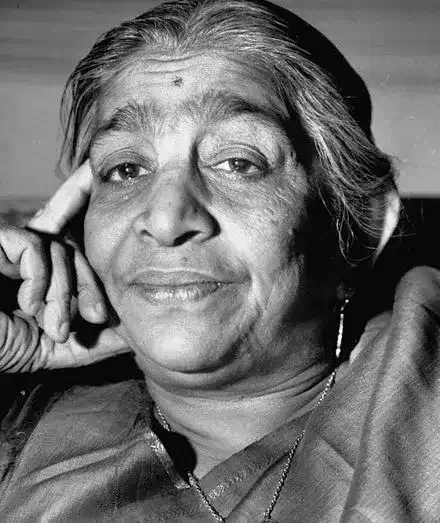
Sarojini Naidu
Ode to H.H. The Nizam Of Hyderabad
Ode to H.H. The Nizam Of Hyderabad
DEIGN, Prince, my tribute to receive,
This lyric offering to your name,
Who round your jewelled scepter bind
The lilies of a poet's fame;
Beneath whose sway concordant dwell
The peoples whom your laws embrace,
In brotherhood of diverse creeds,
And harmony of diverse race:
The votaries of the Prophet's faith,
Of whom you are the crown and chief
And they, who bear on Vedic brows
Their mystic symbols of belief;
And they, who worshipping the sun,
Fled o'er the old Iranian sea;
And they, who bow to Him who trod
The midnight waves of Galilee.
Sweet, sumptuous fables of Baghdad
The splendours of your court recall,
The torches of a Thousand Nights
Blaze through a single festival;
And Saki-singers down the streets,
Pour for us, in a stream divine,
From goblets of your love-ghazals
The rapture of your Sufi wine.
Prince, where your radiant cities smile,
Grim hills their sombre vigils keep,
Your ancient forests hoard and hold
The legends of their centuried sleep;
Your birds of peace white-pinioned float
O'er ruined fort and storied plain,
Your faithful stewards sleepless guard
The harvests of your gold and grain.
God give you joy, God give you grace
To shield the truth and smite the wrong,
To honour Virtue, Valour, Worth.
To cherish faith and foster song.
So may the lustre of your days
Outshine the deeds Firdusi sung,
Your name within a nation's prayer,
Your music on a nation's tongue.
DEIGN, Prince, my tribute to receive,
This lyric offering to your name,
Who round your jewelled scepter bind
The lilies of a poet's fame;
Beneath whose sway concordant dwell
The peoples whom your laws embrace,
In brotherhood of diverse creeds,
And harmony of diverse race:
The votaries of the Prophet's faith,
Of whom you are the crown and chief
And they, who bear on Vedic brows
Their mystic symbols of belief;
And they, who worshipping the sun,
Fled o'er the old Iranian sea;
And they, who bow to Him who trod
The midnight waves of Galilee.
Sweet, sumptuous fables of Baghdad
The splendours of your court recall,
The torches of a Thousand Nights
Blaze through a single festival;
And Saki-singers down the streets,
Pour for us, in a stream divine,
From goblets of your love-ghazals
The rapture of your Sufi wine.
Prince, where your radiant cities smile,
Grim hills their sombre vigils keep,
Your ancient forests hoard and hold
The legends of their centuried sleep;
Your birds of peace white-pinioned float
O'er ruined fort and storied plain,
Your faithful stewards sleepless guard
The harvests of your gold and grain.
God give you joy, God give you grace
To shield the truth and smite the wrong,
To honour Virtue, Valour, Worth.
To cherish faith and foster song.
So may the lustre of your days
Outshine the deeds Firdusi sung,
Your name within a nation's prayer,
Your music on a nation's tongue.
565
Sarojini Naidu
An Indian Love Song
An Indian Love Song
He
Lift up the veils that darken the delicate moon
of thy glory and grace,
Withhold not, O love, from the night
of my longing the joy of thy luminous face,
Give me a spear of the scented keora
guarding thy pinioned curls,
Or a silken thread from the fringes
that trouble the dream of thy glimmering pearls;
Faint grows my soul with thy tresses' perfume
and the song of thy anklets' caprice,
Revive me, I pray, with the magical nectar
that dwells in the flower of thy kiss.
She
How shall I yield to the voice of thy pleading,
how shall I grant thy prayer,
Or give thee a rose-red silken tassel,
a scented leaf from my hair?
Or fling in the flame of thy heart's desire the veils that cover my face,
Profane the law of my father's creed for a foe
of my father's race?
Thy kinsmen have broken our sacred altars and slaughtered our sacred kine,
The feud of old faiths and the blood of old battles sever thy people and mine.
He
What are the sins of my race, Beloved,
what are my people to thee?
And what are thy shrines, and kine and kindred,
what are thy gods to me?
Love recks not of feuds and bitter follies,
of stranger, comrade or kin,
Alike in his ear sound the temple bells
and the cry of the muezzin.
For Love shall cancel the ancient wrong
and conquer the ancient rage,
Redeem with his tears the memoried sorrow
that sullied a bygone age.
He
Lift up the veils that darken the delicate moon
of thy glory and grace,
Withhold not, O love, from the night
of my longing the joy of thy luminous face,
Give me a spear of the scented keora
guarding thy pinioned curls,
Or a silken thread from the fringes
that trouble the dream of thy glimmering pearls;
Faint grows my soul with thy tresses' perfume
and the song of thy anklets' caprice,
Revive me, I pray, with the magical nectar
that dwells in the flower of thy kiss.
She
How shall I yield to the voice of thy pleading,
how shall I grant thy prayer,
Or give thee a rose-red silken tassel,
a scented leaf from my hair?
Or fling in the flame of thy heart's desire the veils that cover my face,
Profane the law of my father's creed for a foe
of my father's race?
Thy kinsmen have broken our sacred altars and slaughtered our sacred kine,
The feud of old faiths and the blood of old battles sever thy people and mine.
He
What are the sins of my race, Beloved,
what are my people to thee?
And what are thy shrines, and kine and kindred,
what are thy gods to me?
Love recks not of feuds and bitter follies,
of stranger, comrade or kin,
Alike in his ear sound the temple bells
and the cry of the muezzin.
For Love shall cancel the ancient wrong
and conquer the ancient rage,
Redeem with his tears the memoried sorrow
that sullied a bygone age.
980

Sarah Teasdale
Four Winds
Four Winds
"Four winds blowing through the sky,
You have seen poor maidens die,
Tell me then what I shall do
That my lover may be true."
Said the wind from out the south,
"Lay no kiss upon his mouth,"
And the wind from out the west,
"Wound the heart within his breast,"
And the wind from out the east,
"Send him empty from the feast,"
And the wind from out the north,
"In the tempest thrust him forth;
When thou art more cruel than he,
Then will Love be kind to thee."
"Four winds blowing through the sky,
You have seen poor maidens die,
Tell me then what I shall do
That my lover may be true."
Said the wind from out the south,
"Lay no kiss upon his mouth,"
And the wind from out the west,
"Wound the heart within his breast,"
And the wind from out the east,
"Send him empty from the feast,"
And the wind from out the north,
"In the tempest thrust him forth;
When thou art more cruel than he,
Then will Love be kind to thee."
434
Sarah Teasdale
A Winter Night
A Winter Night
My window-pane is starred with frost,
The world is bitter cold to-night,
The moon is cruel, and the wind
Is like a two-edged sword to smite.
God pity all the homeless ones,
The beggars pacing to and fro,
God pity all the poor to-night
Who walk the lamp-lit streets of snow.
My room is like a bit of June,
Warm and close-curtained fold on fold,
But somewhere, like a homeless child,
My heart is crying in the cold.
My window-pane is starred with frost,
The world is bitter cold to-night,
The moon is cruel, and the wind
Is like a two-edged sword to smite.
God pity all the homeless ones,
The beggars pacing to and fro,
God pity all the poor to-night
Who walk the lamp-lit streets of snow.
My room is like a bit of June,
Warm and close-curtained fold on fold,
But somewhere, like a homeless child,
My heart is crying in the cold.
409
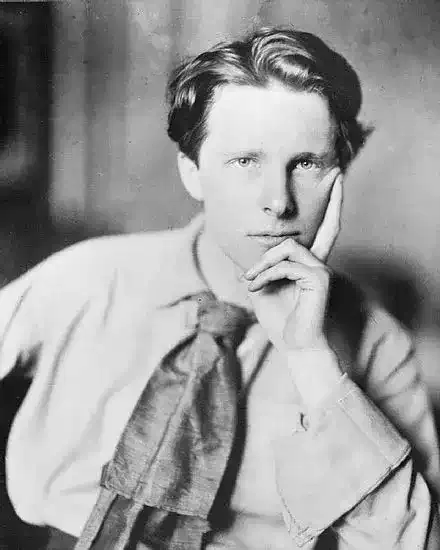
Rupert Brooke
The Dead
The Dead
Blow out, you bugles, over the rich Dead!
There's none of these so lonely and poor of old,
But, dying, has made us rarer gifts than gold.
These laid the world away; poured out the red
Sweet wine of youth; gave up the years to be
Of work and joy, and that unhoped serene,
That men call age; and those who would have been,
Their sons, they gave, their immortality.
Blow, bugles, blow! They brought us, for our dearth,
Holiness, lacked so long, and Love, and Pain.
Honour has come back, as a king, to earth,
And paid his subjects with a royal wage;
And Nobleness walks in our ways again;
And we have come into our heritage.
Blow out, you bugles, over the rich Dead!
There's none of these so lonely and poor of old,
But, dying, has made us rarer gifts than gold.
These laid the world away; poured out the red
Sweet wine of youth; gave up the years to be
Of work and joy, and that unhoped serene,
That men call age; and those who would have been,
Their sons, they gave, their immortality.
Blow, bugles, blow! They brought us, for our dearth,
Holiness, lacked so long, and Love, and Pain.
Honour has come back, as a king, to earth,
And paid his subjects with a royal wage;
And Nobleness walks in our ways again;
And we have come into our heritage.
193
Rupert Brooke
On The Death Of Smet-Smet, The Hippopotamus- Goddess
On The Death Of Smet-Smet, The Hippopotamus- Goddess
Song of a tribe of the ancient Egyptians
(The Priests within the Temple)
She was wrinkled and huge and hideous? She was our Mother.
She was lustful and lewd? -- but a God; we had none other.
In the day She was hidden and dumb, but at nightfall moaned in the shade;
We shuddered and gave Her Her will in the darkness; we were afraid.
(The People without)
She sent us pain,
And we bowed before Her;
She smiled again
And bade us adore Her.
She solaced our woe
And soothed our sighing;
And what shall we do
Now God is dying?
(The Priests within)
She was hungry and ate our children; -- how should we stay Her?
She took our young men and our maidens; -- ours to obey Her.
We were loathed and mocked and reviled of all nations; that was our pride.
She fed us, protected us, loved us, and killed us; now She has died.
(The People without)
She was so strong;
But death is stronger.
She ruled us long;
But Time is longer.
She solaced our woe
And soothed our sighing;
And what shall we do
Now God is dying?
Song of a tribe of the ancient Egyptians
(The Priests within the Temple)
She was wrinkled and huge and hideous? She was our Mother.
She was lustful and lewd? -- but a God; we had none other.
In the day She was hidden and dumb, but at nightfall moaned in the shade;
We shuddered and gave Her Her will in the darkness; we were afraid.
(The People without)
She sent us pain,
And we bowed before Her;
She smiled again
And bade us adore Her.
She solaced our woe
And soothed our sighing;
And what shall we do
Now God is dying?
(The Priests within)
She was hungry and ate our children; -- how should we stay Her?
She took our young men and our maidens; -- ours to obey Her.
We were loathed and mocked and reviled of all nations; that was our pride.
She fed us, protected us, loved us, and killed us; now She has died.
(The People without)
She was so strong;
But death is stronger.
She ruled us long;
But Time is longer.
She solaced our woe
And soothed our sighing;
And what shall we do
Now God is dying?
186
Rupert Brooke
Lines Written In The Belief That The Ancient Roman Festival Of The Dead Was
Lines Written In The Belief That The Ancient Roman Festival Of The Dead Was
Called Ambarvalia
Swings the way still by hollow and hill,
And all the world's a song;
"She's far," it sings me, "but fair," it rings me,
"Quiet," it laughs, "and strong!"
Oh! spite of the miles and years between us,
Spite of your chosen part,
I do remember; and I go
With laughter in my heart.
So above the little folk that know not,
Out of the white hill-town,
High up I clamber; and I remember;
And watch the day go down.
Gold is my heart, and the world's golden,
And one peak tipped with light;
And the air lies still about the hill
With the first fear of night;
Till mystery down the soundless valley
Thunders, and dark is here;
And the wind blows, and the light goes,
And the night is full of fear,
And I know, one night, on some far height,
In the tongue I never knew,
I yet shall hear the tidings clear
From them that were friends of you.
They'll call the news from hill to hill,
Dark and uncomforted,
Earth and sky and the winds; and I
Shall know that you are dead.
I shall not hear your trentals,
Nor eat your arval bread;
For the kin of you will surely do
Their duty by the dead.
Their little dull greasy eyes will water;
They'll paw you, and gulp afresh.
They'll sniffle and weep, and their thoughts will creep
Like flies on the cold flesh.
They will put pence on your grey eyes,
Bind up your fallen chin,
And lay you straight, the fools that loved you
Because they were your kin.
They will praise all the bad about you,
And hush the good away,
And wonder how they'll do without you,
And then they'll go away.
But quieter than one sleeping,
And stranger than of old,
You will not stir for weeping,
You will not mind the cold;
But through the night the lips will laugh not,
The hands will be in place,
And at length the hair be lying still
About the quiet face.
With snuffle and sniff and handkerchief,
And dim and decorous mirth,
With ham and sherry, they'll meet to bury
The lordliest lass of earth.
The little dead hearts will tramp ungrieving
Behind lone-riding you,
The heart so high, the heart so living,
Heart that they never knew.
I shall not hear your trentals,
Nor eat your arval bread,
Nor with smug breath tell lies of death
To the unanswering dead.
With snuffle and sniff and handkerchief,
The folk who loved you not
Will bury you, and go wondering
Back home. And you will rot.
But laughing and half-way up to heaven,
With wind and hill and star,
I yet shall keep, before I sleep,
Your Ambarvalia.
Called Ambarvalia
Swings the way still by hollow and hill,
And all the world's a song;
"She's far," it sings me, "but fair," it rings me,
"Quiet," it laughs, "and strong!"
Oh! spite of the miles and years between us,
Spite of your chosen part,
I do remember; and I go
With laughter in my heart.
So above the little folk that know not,
Out of the white hill-town,
High up I clamber; and I remember;
And watch the day go down.
Gold is my heart, and the world's golden,
And one peak tipped with light;
And the air lies still about the hill
With the first fear of night;
Till mystery down the soundless valley
Thunders, and dark is here;
And the wind blows, and the light goes,
And the night is full of fear,
And I know, one night, on some far height,
In the tongue I never knew,
I yet shall hear the tidings clear
From them that were friends of you.
They'll call the news from hill to hill,
Dark and uncomforted,
Earth and sky and the winds; and I
Shall know that you are dead.
I shall not hear your trentals,
Nor eat your arval bread;
For the kin of you will surely do
Their duty by the dead.
Their little dull greasy eyes will water;
They'll paw you, and gulp afresh.
They'll sniffle and weep, and their thoughts will creep
Like flies on the cold flesh.
They will put pence on your grey eyes,
Bind up your fallen chin,
And lay you straight, the fools that loved you
Because they were your kin.
They will praise all the bad about you,
And hush the good away,
And wonder how they'll do without you,
And then they'll go away.
But quieter than one sleeping,
And stranger than of old,
You will not stir for weeping,
You will not mind the cold;
But through the night the lips will laugh not,
The hands will be in place,
And at length the hair be lying still
About the quiet face.
With snuffle and sniff and handkerchief,
And dim and decorous mirth,
With ham and sherry, they'll meet to bury
The lordliest lass of earth.
The little dead hearts will tramp ungrieving
Behind lone-riding you,
The heart so high, the heart so living,
Heart that they never knew.
I shall not hear your trentals,
Nor eat your arval bread,
Nor with smug breath tell lies of death
To the unanswering dead.
With snuffle and sniff and handkerchief,
The folk who loved you not
Will bury you, and go wondering
Back home. And you will rot.
But laughing and half-way up to heaven,
With wind and hill and star,
I yet shall keep, before I sleep,
Your Ambarvalia.
188
Rupert Brooke
III. The Dead
III. The Dead
Blow out, you bugles, over the rich Dead!
There's none of these so lonely and poor of old,
But, dying, has made us rarer gifts than gold.
These laid the world away; poured out the red
Sweet wine of youth; gave up the years to be
Of work and joy, and that unhoped serene,
That men call age; and those who would have been,
Their sons, they gave, their immortality.
Blow, bugles, blow! They brought us, for our dearth,
Holiness, lacked so long, and Love, and Pain.
Honour has come back, as a king, to earth,
And paid his subjects with a royal wage;
And Nobleness walks in our ways again;
And we have come into our heritage.
Blow out, you bugles, over the rich Dead!
There's none of these so lonely and poor of old,
But, dying, has made us rarer gifts than gold.
These laid the world away; poured out the red
Sweet wine of youth; gave up the years to be
Of work and joy, and that unhoped serene,
That men call age; and those who would have been,
Their sons, they gave, their immortality.
Blow, bugles, blow! They brought us, for our dearth,
Holiness, lacked so long, and Love, and Pain.
Honour has come back, as a king, to earth,
And paid his subjects with a royal wage;
And Nobleness walks in our ways again;
And we have come into our heritage.
221
Rupert Brooke
I. Peace
I. Peace
Now, God be thanked Who has matched us with His hour,
And caught our youth, and wakened us from sleeping,
With hand made sure, clear eye, and sharpened power,
To turn, as swimmers into cleanness leaping,
Glad from a world grown old and cold and weary,
Leave the sick hearts that honour could not move,
And half-men, and their dirty songs and dreary,
And all the little emptiness of love!
Oh! we, who have known shame, we have found release there,
Where there's no ill, no grief, but sleep has mending,
Naught broken save this body, lost but breath;
Nothing to shake the laughing heart's long peace there
But only agony, and that has ending;
And the worst friend and enemy is but Death.
Now, God be thanked Who has matched us with His hour,
And caught our youth, and wakened us from sleeping,
With hand made sure, clear eye, and sharpened power,
To turn, as swimmers into cleanness leaping,
Glad from a world grown old and cold and weary,
Leave the sick hearts that honour could not move,
And half-men, and their dirty songs and dreary,
And all the little emptiness of love!
Oh! we, who have known shame, we have found release there,
Where there's no ill, no grief, but sleep has mending,
Naught broken save this body, lost but breath;
Nothing to shake the laughing heart's long peace there
But only agony, and that has ending;
And the worst friend and enemy is but Death.
188
Rupert Brooke
Desertion
Desertion
So light we were, so right we were, so fair faith shone,
And the way was laid so certainly, that, when I'd gone,
What dumb thing looked up at you? Was it something heard,
Or a sudden cry, that meekly and without a word
You broke the faith, and strangely, weakly, slipped apart.
You gave in -- you, the proud of heart, unbowed of heart!
Was this, friend, the end of all that we could do?
And have you found the best for you, the rest for you?
Did you learn so suddenly (and I not by!)
Some whispered story, that stole the glory from the sky,
And ended all the splendid dream, and made you go
So dully from the fight we know, the light we know?
O faithless! the faith remains, and I must pass
Gay down the way, and on alone. Under the grass
You wait; the breeze moves in the trees, and stirs, and calls,
And covers you with white petals, with light petals.
There it shall crumble, frail and fair, under the sun,
O little heart, your brittle heart; till day be done,
And the shadows gather, falling light, and, white with dew,
Whisper, and weep; and creep to you. Good sleep to you!
So light we were, so right we were, so fair faith shone,
And the way was laid so certainly, that, when I'd gone,
What dumb thing looked up at you? Was it something heard,
Or a sudden cry, that meekly and without a word
You broke the faith, and strangely, weakly, slipped apart.
You gave in -- you, the proud of heart, unbowed of heart!
Was this, friend, the end of all that we could do?
And have you found the best for you, the rest for you?
Did you learn so suddenly (and I not by!)
Some whispered story, that stole the glory from the sky,
And ended all the splendid dream, and made you go
So dully from the fight we know, the light we know?
O faithless! the faith remains, and I must pass
Gay down the way, and on alone. Under the grass
You wait; the breeze moves in the trees, and stirs, and calls,
And covers you with white petals, with light petals.
There it shall crumble, frail and fair, under the sun,
O little heart, your brittle heart; till day be done,
And the shadows gather, falling light, and, white with dew,
Whisper, and weep; and creep to you. Good sleep to you!
191
Rupert Brooke
Chilterns, The
Chilterns, The
Your hands, my dear, adorable,
Your lips of tenderness
-- Oh, I've loved you faithfully and well,
Three years, or a bit less.
It wasn't a success.
Thank God, that's done! and I'll take the road,
Quit of my youth and you,
The Roman road to Wendover
By Tring and Lilley Hoo,
As a free man may do.
For youth goes over, the joys that fly,
The tears that follow fast;
And the dirtiest things we do must lie
Forgotten at the last;
Even Love goes past.
What's left behind I shall not find,
The splendour and the pain;
The splash of sun, the shouting wind,
And the brave sting of rain,
I may not meet again.
But the years, that take the best away,
Give something in the end;
And a better friend than love have they,
For none to mar or mend,
That have themselves to friend.
I shall desire and I shall find
The best of my desires;
The autumn road, the mellow wind
That soothes the darkening shires.
And laughter, and inn-fires.
White mist about the black hedgerows,
The slumbering Midland plain,
The silence where the clover grows,
And the dead leaves in the lane,
Certainly, these remain.
And I shall find some girl perhaps,
And a better one than you,
With eyes as wise, but kindlier,
And lips as soft, but true.
And I daresay she will do.
Your hands, my dear, adorable,
Your lips of tenderness
-- Oh, I've loved you faithfully and well,
Three years, or a bit less.
It wasn't a success.
Thank God, that's done! and I'll take the road,
Quit of my youth and you,
The Roman road to Wendover
By Tring and Lilley Hoo,
As a free man may do.
For youth goes over, the joys that fly,
The tears that follow fast;
And the dirtiest things we do must lie
Forgotten at the last;
Even Love goes past.
What's left behind I shall not find,
The splendour and the pain;
The splash of sun, the shouting wind,
And the brave sting of rain,
I may not meet again.
But the years, that take the best away,
Give something in the end;
And a better friend than love have they,
For none to mar or mend,
That have themselves to friend.
I shall desire and I shall find
The best of my desires;
The autumn road, the mellow wind
That soothes the darkening shires.
And laughter, and inn-fires.
White mist about the black hedgerows,
The slumbering Midland plain,
The silence where the clover grows,
And the dead leaves in the lane,
Certainly, these remain.
And I shall find some girl perhaps,
And a better one than you,
With eyes as wise, but kindlier,
And lips as soft, but true.
And I daresay she will do.
204
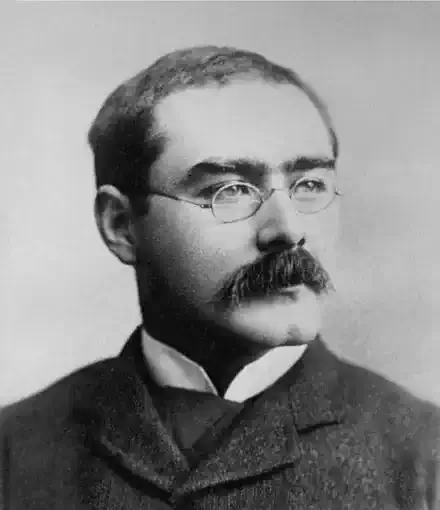
Rudyard Kipling
Wilful Missing
Wilful Missing
(Deserters)
There is a world outside the one you know,
To which for curiousness 'Ell can't compare--
It is the place where "wilful-missings" go,
As we can testify, for we are there.
You may 'ave read a bullet laid us low,
That we was gathered in "with reverent care"
And buried proper. But it was not so,
As we can testify --for we are there!
They can't be certain--faces alter so
After the old aasvogel 'ad 'is share.
The uniform's the mark by which they go--
And--ain't it odd?--the one we best can spare.
We might 'ave seen our chance to cut the show--
Name, number, record, an 'begin elsewhere--
Leaven'' some not too late-lamented foe
One funeral-private-British-for 'is share.
We may 'ave took it yonder in the Low
Bush-veldt that sends men stragglin' 'unaware
Among the Kaffirs, till their columns go,
An 'they are left past call or count or care.
We might 'ave been your lovers long ago,
'Usbands or children--comfort or despair.
Our death (an' burial) settles all we owe,
An' why we done it is our own affair.
Marry again, and we will not say no,
Nor come to barstardise the kids you bear.
Wait on in 'ope--you've all your life below
Before you'll ever 'ear us on the stair.
There is no need to give our reasons, though
Gawd knows we all 'ad reasons which were fair;
But other people might not judge 'em so--
And now it doesn't matter what they were.
What man can weigh or size another's woe:
There are some things too bitter 'ard to bear.
Suffice it we 'ave finished--Domino!
As we can testify, for we are there,
In the side-world where "wilful-missings " go.
(Deserters)
There is a world outside the one you know,
To which for curiousness 'Ell can't compare--
It is the place where "wilful-missings" go,
As we can testify, for we are there.
You may 'ave read a bullet laid us low,
That we was gathered in "with reverent care"
And buried proper. But it was not so,
As we can testify --for we are there!
They can't be certain--faces alter so
After the old aasvogel 'ad 'is share.
The uniform's the mark by which they go--
And--ain't it odd?--the one we best can spare.
We might 'ave seen our chance to cut the show--
Name, number, record, an 'begin elsewhere--
Leaven'' some not too late-lamented foe
One funeral-private-British-for 'is share.
We may 'ave took it yonder in the Low
Bush-veldt that sends men stragglin' 'unaware
Among the Kaffirs, till their columns go,
An 'they are left past call or count or care.
We might 'ave been your lovers long ago,
'Usbands or children--comfort or despair.
Our death (an' burial) settles all we owe,
An' why we done it is our own affair.
Marry again, and we will not say no,
Nor come to barstardise the kids you bear.
Wait on in 'ope--you've all your life below
Before you'll ever 'ear us on the stair.
There is no need to give our reasons, though
Gawd knows we all 'ad reasons which were fair;
But other people might not judge 'em so--
And now it doesn't matter what they were.
What man can weigh or size another's woe:
There are some things too bitter 'ard to bear.
Suffice it we 'ave finished--Domino!
As we can testify, for we are there,
In the side-world where "wilful-missings " go.
424
Rudyard Kipling
With Scindia To Delhi
With Scindia To Delhi
More than a hundred years ago, in a great battle fought near Delhi,
an Indian Prince rode fifty miles after the day was lost
with a beggar-girl, who had loved him and followed him in all his camps,
on his saddle-bow. He lost the girl when almost within sight of safety.
A Maratta trooper tells the story: --
The wreath of banquet overnight lay withered on the neck,
Our hands and scarfs were saffron-dyed for signal of despair,
When we went forth to Paniput to battle with the ~Mlech~, --
Ere we came back from Paniput and left a kingdom there.
Thrice thirty thousand men were we to force the Jumna fords --
The hawk-winged horse of Damajee, mailed squadrons of the Bhao,
Stark levies of the southern hills, the Deccan's sharpest swords,
And he the harlot's traitor son the goatherd Mulhar Rao!
Thrice thirty thousand men were we before the mists had cleared,
The low white mists of morning heard the war-conch scream and bray;
We called upon Bhowani and we gripped them by the beard,
We rolled upon them like a flood and washed their ranks away.
The children of the hills of Khost before our lances ran,
We drove the black Rohillas back as cattle to the pen;
'Twas then we needed Mulhar Rao to end what we began,
A thousand men had saved the charge; he fled the field with ten!
There was no room to clear a sword -- no power to strike a blow,
For foot to foot, ay, breast to breast, the battle held us fast --
Save where the naked hill-men ran, and stabbing from below
Brought down the horse and rider and we trampled them and passed.
To left the roar of musketry rang like a falling flood --
To right the sunshine rippled red from redder lance and blade --
Above the dark ~Upsaras~* flew, beneath us plashed the blood,
And, bellying black against the dust, the Bhagwa Jhanda swayed.
* The Choosers of the Slain.
I saw it fall in smoke and fire, the banner of the Bhao;
I heard a voice across the press of one who called in vain: --
"Ho! Anand Rao Nimbalkhur, ride! Get aid of Mulhar Rao!
Go shame his squadrons into fight -- the Bhao -- the Bhao is slain!"
Thereat, as when a sand-bar breaks in clotted spume and spray --
When rain of later autumn sweeps the Jumna water-head,
Before their charge from flank to flank our riven ranks gave way;
But of the waters of that flood the Jumna fords ran red.
I held by Scindia, my lord, as close as man might hold;
A Soobah of the Deccan asks no aid to guard his life;
But Holkar's Horse were flying, and our chiefest chiefs were cold,
And like a flame among us leapt the long lean Northern knife.
I held by Scindia -- my lance from butt to tuft was dyed,
The froth of battle bossed the shield and roped the bridle-chain --
What time beneath our horses' feet a maiden rose and cried,
And clung to Scindia, and I turned a sword-cut from the twain.
(He set a spell upon the maid in woodlands long ago,
A hunter by the Tapti banks she gave him water there:
He turned her heart to water, and she followed to her woe.
What need had he of Lalun who had twenty maids as fair?)
Now in that hour strength left my lord; he wrenched his mare aside;
He bound the girl behind him and we slashed and struggled free.
Across the reeling wreck of strife we rode as shadows ride
From Paniput to Delhi town, but not alone were we.
'Twas Lutuf-Ullah Populzai laid horse upon our track,
A swine-fed reiver of the North that lusted for the maid;
I might have barred his path awhile, but Scindia called me back,
And I -- O woe for Scindia! -- I listened and obeyed.
League after league the formless scrub took shape and glided by --
League after league the white road swirled behind the white mare's feet --
League after league, when leagues were done, we heard the Populzai,
Where sure as Time and swift as Death the tireless footfall beat.
Noon's eye beheld that shame of flight, the shadows fell, we fled
Where steadfast as the wheeling kite he followed in our train;
The black wolf warred where we had warred, the jackal mocked our dead,
And terror born of twilight-tide made mad the labouring brain.
I gasped: -- "A kingdom waits my lord; her love is but her own.
A day shall mar, a day shall cure for her, but what for thee?
Cut loose the girl: he follows fast. Cut loose and ride alone!"
Then Scindia 'twixt his blistered lips: -- "My Queens' Queen shall she be!
"Of all who ate my bread last night 'twas she alone that came
To seek her love between the spears and find her crown therein!
One shame is mine to-day, what need the weight of double shame?
If once we reach the Delhi gate, though all be lost, I win!"
We rode -- the white mare failed -- her trot a staggering stumble grew, --
The cooking-smoke of even rose and weltered and hung low;
And still we heard the Populzai and still we strained anew,
And Delhi town was very near, but nearer was the foe.
Yea, Delhi town was very near when Lalun whispered: -- "Slay!
Lord of my life, the mare sinks fast -- stab deep and let me die!"
But Scindia would not, and the maid tore free and flung away,
And turning as she fell we heard the clattering Populzai.
Then Scindia checked the gasping mare that rocked and groaned for breath,
And wheeled to charge and plunged the knife a hand's-breadth in her side --
The hunter and the hunted know how that last pause is death --
The blood had chilled about her heart, she reared and fell and died.
Our Gods were kind. Before he heard the maiden's piteous scream
A log upon the Delhi road, beneath the mare he lay --
Lost mistress and lost battle passed before him like a dream;
The darkness closed about his eyes -- I bore my King away.
More than a hundred years ago, in a great battle fought near Delhi,
an Indian Prince rode fifty miles after the day was lost
with a beggar-girl, who had loved him and followed him in all his camps,
on his saddle-bow. He lost the girl when almost within sight of safety.
A Maratta trooper tells the story: --
The wreath of banquet overnight lay withered on the neck,
Our hands and scarfs were saffron-dyed for signal of despair,
When we went forth to Paniput to battle with the ~Mlech~, --
Ere we came back from Paniput and left a kingdom there.
Thrice thirty thousand men were we to force the Jumna fords --
The hawk-winged horse of Damajee, mailed squadrons of the Bhao,
Stark levies of the southern hills, the Deccan's sharpest swords,
And he the harlot's traitor son the goatherd Mulhar Rao!
Thrice thirty thousand men were we before the mists had cleared,
The low white mists of morning heard the war-conch scream and bray;
We called upon Bhowani and we gripped them by the beard,
We rolled upon them like a flood and washed their ranks away.
The children of the hills of Khost before our lances ran,
We drove the black Rohillas back as cattle to the pen;
'Twas then we needed Mulhar Rao to end what we began,
A thousand men had saved the charge; he fled the field with ten!
There was no room to clear a sword -- no power to strike a blow,
For foot to foot, ay, breast to breast, the battle held us fast --
Save where the naked hill-men ran, and stabbing from below
Brought down the horse and rider and we trampled them and passed.
To left the roar of musketry rang like a falling flood --
To right the sunshine rippled red from redder lance and blade --
Above the dark ~Upsaras~* flew, beneath us plashed the blood,
And, bellying black against the dust, the Bhagwa Jhanda swayed.
* The Choosers of the Slain.
I saw it fall in smoke and fire, the banner of the Bhao;
I heard a voice across the press of one who called in vain: --
"Ho! Anand Rao Nimbalkhur, ride! Get aid of Mulhar Rao!
Go shame his squadrons into fight -- the Bhao -- the Bhao is slain!"
Thereat, as when a sand-bar breaks in clotted spume and spray --
When rain of later autumn sweeps the Jumna water-head,
Before their charge from flank to flank our riven ranks gave way;
But of the waters of that flood the Jumna fords ran red.
I held by Scindia, my lord, as close as man might hold;
A Soobah of the Deccan asks no aid to guard his life;
But Holkar's Horse were flying, and our chiefest chiefs were cold,
And like a flame among us leapt the long lean Northern knife.
I held by Scindia -- my lance from butt to tuft was dyed,
The froth of battle bossed the shield and roped the bridle-chain --
What time beneath our horses' feet a maiden rose and cried,
And clung to Scindia, and I turned a sword-cut from the twain.
(He set a spell upon the maid in woodlands long ago,
A hunter by the Tapti banks she gave him water there:
He turned her heart to water, and she followed to her woe.
What need had he of Lalun who had twenty maids as fair?)
Now in that hour strength left my lord; he wrenched his mare aside;
He bound the girl behind him and we slashed and struggled free.
Across the reeling wreck of strife we rode as shadows ride
From Paniput to Delhi town, but not alone were we.
'Twas Lutuf-Ullah Populzai laid horse upon our track,
A swine-fed reiver of the North that lusted for the maid;
I might have barred his path awhile, but Scindia called me back,
And I -- O woe for Scindia! -- I listened and obeyed.
League after league the formless scrub took shape and glided by --
League after league the white road swirled behind the white mare's feet --
League after league, when leagues were done, we heard the Populzai,
Where sure as Time and swift as Death the tireless footfall beat.
Noon's eye beheld that shame of flight, the shadows fell, we fled
Where steadfast as the wheeling kite he followed in our train;
The black wolf warred where we had warred, the jackal mocked our dead,
And terror born of twilight-tide made mad the labouring brain.
I gasped: -- "A kingdom waits my lord; her love is but her own.
A day shall mar, a day shall cure for her, but what for thee?
Cut loose the girl: he follows fast. Cut loose and ride alone!"
Then Scindia 'twixt his blistered lips: -- "My Queens' Queen shall she be!
"Of all who ate my bread last night 'twas she alone that came
To seek her love between the spears and find her crown therein!
One shame is mine to-day, what need the weight of double shame?
If once we reach the Delhi gate, though all be lost, I win!"
We rode -- the white mare failed -- her trot a staggering stumble grew, --
The cooking-smoke of even rose and weltered and hung low;
And still we heard the Populzai and still we strained anew,
And Delhi town was very near, but nearer was the foe.
Yea, Delhi town was very near when Lalun whispered: -- "Slay!
Lord of my life, the mare sinks fast -- stab deep and let me die!"
But Scindia would not, and the maid tore free and flung away,
And turning as she fell we heard the clattering Populzai.
Then Scindia checked the gasping mare that rocked and groaned for breath,
And wheeled to charge and plunged the knife a hand's-breadth in her side --
The hunter and the hunted know how that last pause is death --
The blood had chilled about her heart, she reared and fell and died.
Our Gods were kind. Before he heard the maiden's piteous scream
A log upon the Delhi road, beneath the mare he lay --
Lost mistress and lost battle passed before him like a dream;
The darkness closed about his eyes -- I bore my King away.
577
Rudyard Kipling
When Earth's Last Picture Is Painted
When Earth's Last Picture Is Painted
When Earth's last picture is painted
And the tubes are twisted and dried
When the oldest colors have faded
And the youngest critic has died
We shall rest, and faith, we shall need it
Lie down for an aeon or two
'Till the Master of all good workmen
Shall put us to work anew
And those that were good shall be happy
They'll sit in a golden chair
They'll splash at a ten league canvas
With brushes of comet's hair
They'll find real saints to draw from
Magdalene, Peter, and Paul
They'll work for an age at a sitting
And never be tired at all.
And only the Master shall praise us.
And only the Master shall blame.
And no one will work for the money.
No one will work for the fame.
But each for the joy of the working,
And each, in his separate star,
Will draw the thing as he sees it.
For the God of things as they are!
When Earth's last picture is painted
And the tubes are twisted and dried
When the oldest colors have faded
And the youngest critic has died
We shall rest, and faith, we shall need it
Lie down for an aeon or two
'Till the Master of all good workmen
Shall put us to work anew
And those that were good shall be happy
They'll sit in a golden chair
They'll splash at a ten league canvas
With brushes of comet's hair
They'll find real saints to draw from
Magdalene, Peter, and Paul
They'll work for an age at a sitting
And never be tired at all.
And only the Master shall praise us.
And only the Master shall blame.
And no one will work for the money.
No one will work for the fame.
But each for the joy of the working,
And each, in his separate star,
Will draw the thing as he sees it.
For the God of things as they are!
394
Rudyard Kipling
What Happened
What Happened
Hurree Chunder Mookerjee, pride of Bow Bazaar,
Owner of a native press, "Barrishter-at-Lar,"
Waited on the Government with a claim to wear
Sabres by the bucketful, rifles by the pair.
Then the Indian Government winked a wicked wink,
Said to Chunder Mookerjee: "Stick to pen and ink.
They are safer implements, but, if you insist,
We will let you carry arms wheresoe'er you list."
Hurree Chunder Mookerjee sought the gunsmith and
Bought the tubes of Lancaster, Ballard, Dean, and Bland,
Bought a shiny bowie-knife, bought a town-made sword,
Jingled like a carriage-horse when he went abroad.
But the Indian Government, always keen to please,
Also gave permission to horrid men like these --
Yar Mahommed Yusufzai, down to kill or steal,
Chimbu Singh from Bikaneer, Tantia the Bhil;
Killar Khan the Marri chief, Jowar Singh the Sikh,
Nubbee Baksh Punjabi Jat, Abdul Huq Rafiq --
He was a Wahabi; last, little Boh Hla-oo
Took advantage of the Act -- took a Snider too.
They were unenlightened men, Ballard knew them not.
They procured their swords and guns chiefly on the spot;
And the lore of centuries, plus a hundred fights,
Made them slow to disregard one another's rights.
With a unanimity dear to patriot hearts
All those hairy gentlemen out of foreign parts
Said: "The good old days are back -- let us go to war!"
Swaggered down the Grand Trunk Road into Bow Bazaar,
Nubbee Baksh Punjabi Jat found a hide-bound flail;
Chimbu Singh from Bikaneer oiled his Tonk jezail;
Yar Mahommed Yusufzai spat and grinned with glee
As he ground the butcher-knife of the Khyberee.
Jowar Singh the Sikh procured sabre, quoit, and mace,
Abdul Huq, Wahabi, jerked his dagger from its place,
While amid the jungle-grass danced and grinned and jabbered
Little Boh Hla-oo and cleared his dah-blade from the scabbard.
What became of Mookerjee? Smoothly, who can say?
Yar Mahommed only grins in a nasty way,
Jowar Singh is reticent, Chimbu Singh is mute.
But the belts of all of them simply bulge with loot.
What became of Ballard's guns? Afghans black and grubby
Sell them for their silver weight to the men of Pubbi;
And the shiny bowie-knife and the town-made sword are
Hanging in a Marri camp just across the Border.
What became of Mookerjee? Ask Mahommed Yar
Prodding Siva's sacred bull down the Bow Bazaar.
Speak to placid Nubbee Baksh -- question land and sea --
Ask the Indian Congressmen -- only don't ask me!
Hurree Chunder Mookerjee, pride of Bow Bazaar,
Owner of a native press, "Barrishter-at-Lar,"
Waited on the Government with a claim to wear
Sabres by the bucketful, rifles by the pair.
Then the Indian Government winked a wicked wink,
Said to Chunder Mookerjee: "Stick to pen and ink.
They are safer implements, but, if you insist,
We will let you carry arms wheresoe'er you list."
Hurree Chunder Mookerjee sought the gunsmith and
Bought the tubes of Lancaster, Ballard, Dean, and Bland,
Bought a shiny bowie-knife, bought a town-made sword,
Jingled like a carriage-horse when he went abroad.
But the Indian Government, always keen to please,
Also gave permission to horrid men like these --
Yar Mahommed Yusufzai, down to kill or steal,
Chimbu Singh from Bikaneer, Tantia the Bhil;
Killar Khan the Marri chief, Jowar Singh the Sikh,
Nubbee Baksh Punjabi Jat, Abdul Huq Rafiq --
He was a Wahabi; last, little Boh Hla-oo
Took advantage of the Act -- took a Snider too.
They were unenlightened men, Ballard knew them not.
They procured their swords and guns chiefly on the spot;
And the lore of centuries, plus a hundred fights,
Made them slow to disregard one another's rights.
With a unanimity dear to patriot hearts
All those hairy gentlemen out of foreign parts
Said: "The good old days are back -- let us go to war!"
Swaggered down the Grand Trunk Road into Bow Bazaar,
Nubbee Baksh Punjabi Jat found a hide-bound flail;
Chimbu Singh from Bikaneer oiled his Tonk jezail;
Yar Mahommed Yusufzai spat and grinned with glee
As he ground the butcher-knife of the Khyberee.
Jowar Singh the Sikh procured sabre, quoit, and mace,
Abdul Huq, Wahabi, jerked his dagger from its place,
While amid the jungle-grass danced and grinned and jabbered
Little Boh Hla-oo and cleared his dah-blade from the scabbard.
What became of Mookerjee? Smoothly, who can say?
Yar Mahommed only grins in a nasty way,
Jowar Singh is reticent, Chimbu Singh is mute.
But the belts of all of them simply bulge with loot.
What became of Ballard's guns? Afghans black and grubby
Sell them for their silver weight to the men of Pubbi;
And the shiny bowie-knife and the town-made sword are
Hanging in a Marri camp just across the Border.
What became of Mookerjee? Ask Mahommed Yar
Prodding Siva's sacred bull down the Bow Bazaar.
Speak to placid Nubbee Baksh -- question land and sea --
Ask the Indian Congressmen -- only don't ask me!
473
Rudyard Kipling
Ulster
Ulster
("Their webs shall not become garments, neither shall they
cover themselves with their works: their works are works
of inquity and the act of violence is in their hands." --
Isaiah lix. .)
The dark eleventh hour
Draws on and sees us sold
To every evil power
We fought against of old.
Rebellion, rapine hate
Oppression, wrong and greed
Are loosed to rule our fate,
By England's act and deed.
The Faith in which we stand,
The laws we made and guard,
Our honour, lives, and land
Are given for reward
To Murder done by night,
To Treason taught by day,
To folly, sloth, and spite,
And we are thrust away.
The blood our fathers spilt,
Our love, our toils, our pains,
Are counted us for guilt,
And only bind our chains.
Before an Empire's eyes
The traitor claims his price.
What need of further lies?
We are the sacrifice.
We asked no more than leave
To reap where we had sown,
Through good and ill to cleave
To our own flag and throne.
Now England's shot and steel
Beneath that flag must show
How loyal hearts should kneel
To England's oldest foe.
We know the war prepared
On every peaceful home,
We know the hells declared
For such as serve not Rome --
The terror, threats, and dread
In market, hearth, and field --
We know, when all is said,
We perish if we yield.
Believe, we dare not boast,
Believe, we do not fear --
We stand to pay the cost
In all that men hold dear.
What answer from the North?
One Law, one Land, one Throne.
If England drive us forth
We shall not fall alone!
("Their webs shall not become garments, neither shall they
cover themselves with their works: their works are works
of inquity and the act of violence is in their hands." --
Isaiah lix. .)
The dark eleventh hour
Draws on and sees us sold
To every evil power
We fought against of old.
Rebellion, rapine hate
Oppression, wrong and greed
Are loosed to rule our fate,
By England's act and deed.
The Faith in which we stand,
The laws we made and guard,
Our honour, lives, and land
Are given for reward
To Murder done by night,
To Treason taught by day,
To folly, sloth, and spite,
And we are thrust away.
The blood our fathers spilt,
Our love, our toils, our pains,
Are counted us for guilt,
And only bind our chains.
Before an Empire's eyes
The traitor claims his price.
What need of further lies?
We are the sacrifice.
We asked no more than leave
To reap where we had sown,
Through good and ill to cleave
To our own flag and throne.
Now England's shot and steel
Beneath that flag must show
How loyal hearts should kneel
To England's oldest foe.
We know the war prepared
On every peaceful home,
We know the hells declared
For such as serve not Rome --
The terror, threats, and dread
In market, hearth, and field --
We know, when all is said,
We perish if we yield.
Believe, we dare not boast,
Believe, we do not fear --
We stand to pay the cost
In all that men hold dear.
What answer from the North?
One Law, one Land, one Throne.
If England drive us forth
We shall not fall alone!
506
Rudyard Kipling
Tomlinson
Tomlinson
Now Tomlinson gave up the ghost in his house in Berkeley Square,
And a Spirit came to his bedside and gripped him by the hair --
A Spirit gripped him by the hair and carried him far away,
Till he heard as the roar of a rain-fed ford the roar of the Milky Way:
Till he heard the roar of the Milky Way die down and drone and cease,
And they came to the Gate within the Wall where Peter holds the keys.
"Stand up, stand up now, Tomlinson, and answer loud and high
The good that ye did for the sake of men or ever ye came to die --
The good that ye did for the sake of men in little earth so lone!"
And the naked soul of Tomlinson grew white as a rain-washed bone.
"O I have a friend on earth," he said, "that was my priest and guide,
And well would he answer all for me if he were by my side."
-- "For that ye strove in neighbour-love it shall be written fair,
But now ye wait at Heaven's Gate and not in Berkeley Square:
Though we called your friend from his bed this night,
he could not speak for you,
For the race is run by one and one and never by two and two."
Then Tomlinson looked up and down, and little gain was there,
For the naked stars grinned overhead, and he saw that his soul was bare:
The Wind that blows between the worlds, it cut him like a knife,
And Tomlinson took up his tale and spoke of his good in life.
"This I have read in a book," he said, "and that was told to me,
And this I have thought that another man thought of a Prince in Muscovy."
The good souls flocked like homing doves and bade him clear the path,
And Peter twirled the jangling keys in weariness and wrath.
"Ye have read, ye have heard, ye have thought," he said,
"and the tale is yet to run:
By the worth of the body that once ye had, give answer -- what ha' ye done?"
Then Tomlinson looked back and forth, and little good it bore,
For the Darkness stayed at his shoulder-blade and Heaven's Gate before: --
"O this I have felt, and this I have guessed, and this I have heard men say,
And this they wrote that another man wrote of a carl in Norroway."
-- "Ye have read, ye have felt, ye have guessed, good lack!
Ye have hampered Heaven's Gate;
There's little room between the stars in idleness to prate!
O none may reach by hired speech of neighbour, priest, and kin
Through borrowed deed to God's good meed that lies so fair within;
Get hence, get hence to the Lord of Wrong, for doom has yet to run,
And. . .the faith that ye share with Berkeley Square uphold you, Tomlinson!"
. . . . .
The Spirit gripped him by the hair, and sun by sun they fell
Till they came to the belt of Naughty Stars that rim the mouth of Hell:
The first are red with pride and wrath, the next are white with pain,
But the third are black with clinkered sin that cannot burn again:
They may hold their path, they may leave their path,
with never a soul to mark,
They may burn or freeze, but they must not cease
in the Scorn of the Outer Dark.
The Wind that blows between the worlds, it nipped him to the bone,
And he yearned to the flare of Hell-Gate
there as the light of his own hearth-stone.
The Devil he sat behind the bars, where the desperate legions drew,
But he caught the hasting Tomlinson and would not let him through.
"Wot ye the price of good pit-coal that I must pay?" said he,
"That ye rank yoursel' so fit for Hell and ask no leave of me?
I am all o'er-sib to Adam's breed that ye should give me scorn,
For I strove with God for your First Father the day that he was born.
Sit down, sit down upon the slag, and answer loud and high
The harm that ye did to the Sons of Men or ever you came to die."
And Tomlinson looked up and up, and saw against the night
The belly of a tortured star blood-red in Hell-Mouth light;
And Tomlinson looked down and down, and saw beneath his feet
The frontlet of a tortured star milk-white in Hell-Mouth heat.
"O I had a love on earth," said he, "that kissed me to my fall,
And if ye would call my love to me I know she would answer all."
-- "All that ye did in love forbid it shall be written fair,
But now ye wait at Hell-Mouth Gate and not in Berkeley Square:
Though we whistled your love from her bed to-night, I trow she would not run,
For the sin ye do by two and two ye must pay for one by one!"
The Wind that blows between the worlds, it cut him like a knife,
And Tomlinson took up the tale and spoke of his sin in life: --
"Once I ha' laughed at the power of Love and twice at the grip of the Grave,
And thrice I ha' patted my God on the head that men might call me brave."
The Devil he blew on a brandered soul and set it aside to cool: --
"Do ye think I would waste my good pit-coal on the hide of a brain-sick fool?
I see no worth in the hobnailed mirth or the jolthead jest ye did
That I should waken my gentlemen that are sleeping three on a grid."
Then Tomlinson looked back and forth, and there was little grace,
For Hell-Gate filled the houseless Soul with the Fear of Naked Space.
"Nay, this I ha' heard," quo' Tomlinson, "and this was noised abroad,
And this I ha' got from a Belgian book on the word of a dead French lord."
-- "Ye ha' heard, ye ha' read, ye ha' got, good lack!
and the tale begins afresh --
Have ye sinned one sin for the pride o' the eye
or the sinful lust of the flesh?"
Then Tomlinson he gripped the bars and yammered, "Let me in --
For I mind that I borrowed my neighbour's wife to sin the deadly sin."
The Devil he grinned behind the bars, and banked the fires high:
"Did ye read of that sin in a book?" said he; and Tomlinson said, "Ay!"
The Devil he blew upon his nails, and the little devils ran,
And he said: "Go husk this whimpering thief that comes in the guise of a man:
Winnow him out 'twixt star and star, and sieve his proper worth:
There's sore decline in Adam's line if this be spawn of earth."
Empusa's crew, so naked-new they may not face the fire,
But weep that they bin too small to sin to the height of their desire,
Over the coal they chased the Soul, and racked it all abroad,
As children rifle a caddis-case or the raven's foolish hoard.
And back they came with the tattered Thing, as children after play,
And they said: "The soul that he got from God he has bartered clean away.
We have threshed a stook of print and book, and winnowed a chattering wind
And many a soul wherefrom he stole, but his we cannot find:
We have handled him, we have dandled him, we have seared him to the bone,
And sure if tooth and nail show truth he has no soul of his own."
The Devil he bowed his head on his breast and rumbled deep and low: --
"I'm all o'er-sib to Adam's breed that I should bid him go.
Yet close we lie, and deep we lie, and if I gave him place,
My gentlemen that are so proud would flout me to my face;
They'd call my house a common stews and me a careless host,
And -- I would not anger my gentlemen for the sake of a shiftless ghost."
The Devil he looked at the mangled Soul that prayed to feel the flame,
And he thought of Holy Charity, but he thought of his own good name: --
"Now ye could haste my coal to waste, and sit ye down to fry:
Did ye think of that theft for yourself?" said he; and Tomlinson said, "Ay!"
The Devil he blew an outward breath, for his heart was free from care: --
"Ye have scarce the soul of a louse," he said,
"but the roots of sin are there,
And for that sin should ye come in were I the lord alone.
But sinful pride has rule inside -- and mightier than my own.
Honour and Wit, fore-damned they sit, to each his priest and whore:
Nay, scarce I dare myself go there, and you they'd torture sore.
Ye are neither spirit nor spirk," he said; "ye are neither book nor brute --
Go, get ye back to the flesh again for the sake of Man's repute.
I'm all o'er-sib to Adam's breed that I should mock your pain,
But look that ye win to worthier sin ere ye come back again.
Get hence, the hearse is at your door -- the grim black stallions wait --
They bear your clay to place to-day. Speed, lest ye come too late!
Go back to Earth with a lip unsealed -- go back with an open eye,
And carry my word to the Sons of Men or ever ye come to die:
That the sin they do by two and two they must pay for one by one --
And. . .the God that you took from a printed book be with you, Tomlinson!"
Now Tomlinson gave up the ghost in his house in Berkeley Square,
And a Spirit came to his bedside and gripped him by the hair --
A Spirit gripped him by the hair and carried him far away,
Till he heard as the roar of a rain-fed ford the roar of the Milky Way:
Till he heard the roar of the Milky Way die down and drone and cease,
And they came to the Gate within the Wall where Peter holds the keys.
"Stand up, stand up now, Tomlinson, and answer loud and high
The good that ye did for the sake of men or ever ye came to die --
The good that ye did for the sake of men in little earth so lone!"
And the naked soul of Tomlinson grew white as a rain-washed bone.
"O I have a friend on earth," he said, "that was my priest and guide,
And well would he answer all for me if he were by my side."
-- "For that ye strove in neighbour-love it shall be written fair,
But now ye wait at Heaven's Gate and not in Berkeley Square:
Though we called your friend from his bed this night,
he could not speak for you,
For the race is run by one and one and never by two and two."
Then Tomlinson looked up and down, and little gain was there,
For the naked stars grinned overhead, and he saw that his soul was bare:
The Wind that blows between the worlds, it cut him like a knife,
And Tomlinson took up his tale and spoke of his good in life.
"This I have read in a book," he said, "and that was told to me,
And this I have thought that another man thought of a Prince in Muscovy."
The good souls flocked like homing doves and bade him clear the path,
And Peter twirled the jangling keys in weariness and wrath.
"Ye have read, ye have heard, ye have thought," he said,
"and the tale is yet to run:
By the worth of the body that once ye had, give answer -- what ha' ye done?"
Then Tomlinson looked back and forth, and little good it bore,
For the Darkness stayed at his shoulder-blade and Heaven's Gate before: --
"O this I have felt, and this I have guessed, and this I have heard men say,
And this they wrote that another man wrote of a carl in Norroway."
-- "Ye have read, ye have felt, ye have guessed, good lack!
Ye have hampered Heaven's Gate;
There's little room between the stars in idleness to prate!
O none may reach by hired speech of neighbour, priest, and kin
Through borrowed deed to God's good meed that lies so fair within;
Get hence, get hence to the Lord of Wrong, for doom has yet to run,
And. . .the faith that ye share with Berkeley Square uphold you, Tomlinson!"
. . . . .
The Spirit gripped him by the hair, and sun by sun they fell
Till they came to the belt of Naughty Stars that rim the mouth of Hell:
The first are red with pride and wrath, the next are white with pain,
But the third are black with clinkered sin that cannot burn again:
They may hold their path, they may leave their path,
with never a soul to mark,
They may burn or freeze, but they must not cease
in the Scorn of the Outer Dark.
The Wind that blows between the worlds, it nipped him to the bone,
And he yearned to the flare of Hell-Gate
there as the light of his own hearth-stone.
The Devil he sat behind the bars, where the desperate legions drew,
But he caught the hasting Tomlinson and would not let him through.
"Wot ye the price of good pit-coal that I must pay?" said he,
"That ye rank yoursel' so fit for Hell and ask no leave of me?
I am all o'er-sib to Adam's breed that ye should give me scorn,
For I strove with God for your First Father the day that he was born.
Sit down, sit down upon the slag, and answer loud and high
The harm that ye did to the Sons of Men or ever you came to die."
And Tomlinson looked up and up, and saw against the night
The belly of a tortured star blood-red in Hell-Mouth light;
And Tomlinson looked down and down, and saw beneath his feet
The frontlet of a tortured star milk-white in Hell-Mouth heat.
"O I had a love on earth," said he, "that kissed me to my fall,
And if ye would call my love to me I know she would answer all."
-- "All that ye did in love forbid it shall be written fair,
But now ye wait at Hell-Mouth Gate and not in Berkeley Square:
Though we whistled your love from her bed to-night, I trow she would not run,
For the sin ye do by two and two ye must pay for one by one!"
The Wind that blows between the worlds, it cut him like a knife,
And Tomlinson took up the tale and spoke of his sin in life: --
"Once I ha' laughed at the power of Love and twice at the grip of the Grave,
And thrice I ha' patted my God on the head that men might call me brave."
The Devil he blew on a brandered soul and set it aside to cool: --
"Do ye think I would waste my good pit-coal on the hide of a brain-sick fool?
I see no worth in the hobnailed mirth or the jolthead jest ye did
That I should waken my gentlemen that are sleeping three on a grid."
Then Tomlinson looked back and forth, and there was little grace,
For Hell-Gate filled the houseless Soul with the Fear of Naked Space.
"Nay, this I ha' heard," quo' Tomlinson, "and this was noised abroad,
And this I ha' got from a Belgian book on the word of a dead French lord."
-- "Ye ha' heard, ye ha' read, ye ha' got, good lack!
and the tale begins afresh --
Have ye sinned one sin for the pride o' the eye
or the sinful lust of the flesh?"
Then Tomlinson he gripped the bars and yammered, "Let me in --
For I mind that I borrowed my neighbour's wife to sin the deadly sin."
The Devil he grinned behind the bars, and banked the fires high:
"Did ye read of that sin in a book?" said he; and Tomlinson said, "Ay!"
The Devil he blew upon his nails, and the little devils ran,
And he said: "Go husk this whimpering thief that comes in the guise of a man:
Winnow him out 'twixt star and star, and sieve his proper worth:
There's sore decline in Adam's line if this be spawn of earth."
Empusa's crew, so naked-new they may not face the fire,
But weep that they bin too small to sin to the height of their desire,
Over the coal they chased the Soul, and racked it all abroad,
As children rifle a caddis-case or the raven's foolish hoard.
And back they came with the tattered Thing, as children after play,
And they said: "The soul that he got from God he has bartered clean away.
We have threshed a stook of print and book, and winnowed a chattering wind
And many a soul wherefrom he stole, but his we cannot find:
We have handled him, we have dandled him, we have seared him to the bone,
And sure if tooth and nail show truth he has no soul of his own."
The Devil he bowed his head on his breast and rumbled deep and low: --
"I'm all o'er-sib to Adam's breed that I should bid him go.
Yet close we lie, and deep we lie, and if I gave him place,
My gentlemen that are so proud would flout me to my face;
They'd call my house a common stews and me a careless host,
And -- I would not anger my gentlemen for the sake of a shiftless ghost."
The Devil he looked at the mangled Soul that prayed to feel the flame,
And he thought of Holy Charity, but he thought of his own good name: --
"Now ye could haste my coal to waste, and sit ye down to fry:
Did ye think of that theft for yourself?" said he; and Tomlinson said, "Ay!"
The Devil he blew an outward breath, for his heart was free from care: --
"Ye have scarce the soul of a louse," he said,
"but the roots of sin are there,
And for that sin should ye come in were I the lord alone.
But sinful pride has rule inside -- and mightier than my own.
Honour and Wit, fore-damned they sit, to each his priest and whore:
Nay, scarce I dare myself go there, and you they'd torture sore.
Ye are neither spirit nor spirk," he said; "ye are neither book nor brute --
Go, get ye back to the flesh again for the sake of Man's repute.
I'm all o'er-sib to Adam's breed that I should mock your pain,
But look that ye win to worthier sin ere ye come back again.
Get hence, the hearse is at your door -- the grim black stallions wait --
They bear your clay to place to-day. Speed, lest ye come too late!
Go back to Earth with a lip unsealed -- go back with an open eye,
And carry my word to the Sons of Men or ever ye come to die:
That the sin they do by two and two they must pay for one by one --
And. . .the God that you took from a printed book be with you, Tomlinson!"
561
Rudyard Kipling
The Young British Soldier
The Young British Soldier
When the 'arf-made recruity goes out to the East
'E acts like a babe an' 'e drinks like a beast,
An' 'e wonders because 'e is frequent deceased
Ere 'e's fit for to serve as a soldier.
Serve, serve, serve as a soldier,
Serve, serve, serve as a soldier,
Serve, serve, serve as a soldier,
So-oldier ~OF~ the Queen!
Now all you recruities what's drafted to-day,
You shut up your rag-box an' 'ark to my lay,
An' I'll sing you a soldier as far as I may:
A soldier what's fit for a soldier.
Fit, fit, fit for a soldier . . .
First mind you steer clear o' the grog-sellers' huts,
For they sell you Fixed Bay'nets that rots out your guts --
Ay, drink that 'ud eat the live steel from your butts --
An' it's bad for the young British soldier.
Bad, bad, bad for the soldier . . .
When the cholera comes -- as it will past a doubt --
Keep out of the wet and don't go on the shout,
For the sickness gets in as the liquor dies out,
An' it crumples the young British soldier.
Crum-, crum-, crumples the soldier . . .
But the worst o' your foes is the sun over'ead:
You ~must~ wear your 'elmet for all that is said:
If 'e finds you uncovered 'e'll knock you down dead,
An' you'll die like a fool of a soldier.
Fool, fool, fool of a soldier . . .
If you're cast for fatigue by a sergeant unkind,
Don't grouse like a woman nor crack on nor blind;
Be handy and civil, and then you will find
That it's beer for the young British soldier.
Beer, beer, beer for the soldier . . .
Now, if you must marry, take care she is old --
A troop-sergeant's widow's the nicest I'm told,
For beauty won't help if your rations is cold,
Nor love ain't enough for a soldier.
'Nough, 'nough, 'nough for a soldier . . .
If the wife should go wrong with a comrade, be loath
To shoot when you catch 'em -- you'll swing, on my oath! --
Make 'im take 'er and keep 'er: that's Hell for them both,
An' you're shut o' the curse of a soldier.
Curse, curse, curse of a soldier . . .
When first under fire an' you're wishful to duck,
Don't look nor take 'eed at the man that is struck,
Be thankful you're livin', and trust to your luck
And march to your front like a soldier.
Front, front, front like a soldier . . .
When 'arf of your bullets fly wide in the ditch,
Don't call your Martini a cross-eyed old bitch;
She's human as you are -- you treat her as sich,
An' she'll fight for the young British soldier.
Fight, fight, fight for the soldier . . .
When shakin' their bustles like ladies so fine,
The guns o' the enemy wheel into line,
Shoot low at the limbers an' don't mind the shine,
For noise never startles the soldier.
Start-, start-, startles the soldier . . .
If your officer's dead and the sergeants look white,
Remember it's ruin to run from a fight:
So take open order, lie down, and sit tight,
And wait for supports like a soldier.
Wait, wait, wait like a soldier . . .
When you're wounded and left on Afghanistan's plains,
And the women come out to cut up what remains,
Jest roll to your rifle and blow out your brains
An' go to your Gawd like a soldier.
Go, go, go like a soldier,
Go, go, go like a soldier,
Go, go, go like a soldier,
So-oldier ~of~ the Queen!
When the 'arf-made recruity goes out to the East
'E acts like a babe an' 'e drinks like a beast,
An' 'e wonders because 'e is frequent deceased
Ere 'e's fit for to serve as a soldier.
Serve, serve, serve as a soldier,
Serve, serve, serve as a soldier,
Serve, serve, serve as a soldier,
So-oldier ~OF~ the Queen!
Now all you recruities what's drafted to-day,
You shut up your rag-box an' 'ark to my lay,
An' I'll sing you a soldier as far as I may:
A soldier what's fit for a soldier.
Fit, fit, fit for a soldier . . .
First mind you steer clear o' the grog-sellers' huts,
For they sell you Fixed Bay'nets that rots out your guts --
Ay, drink that 'ud eat the live steel from your butts --
An' it's bad for the young British soldier.
Bad, bad, bad for the soldier . . .
When the cholera comes -- as it will past a doubt --
Keep out of the wet and don't go on the shout,
For the sickness gets in as the liquor dies out,
An' it crumples the young British soldier.
Crum-, crum-, crumples the soldier . . .
But the worst o' your foes is the sun over'ead:
You ~must~ wear your 'elmet for all that is said:
If 'e finds you uncovered 'e'll knock you down dead,
An' you'll die like a fool of a soldier.
Fool, fool, fool of a soldier . . .
If you're cast for fatigue by a sergeant unkind,
Don't grouse like a woman nor crack on nor blind;
Be handy and civil, and then you will find
That it's beer for the young British soldier.
Beer, beer, beer for the soldier . . .
Now, if you must marry, take care she is old --
A troop-sergeant's widow's the nicest I'm told,
For beauty won't help if your rations is cold,
Nor love ain't enough for a soldier.
'Nough, 'nough, 'nough for a soldier . . .
If the wife should go wrong with a comrade, be loath
To shoot when you catch 'em -- you'll swing, on my oath! --
Make 'im take 'er and keep 'er: that's Hell for them both,
An' you're shut o' the curse of a soldier.
Curse, curse, curse of a soldier . . .
When first under fire an' you're wishful to duck,
Don't look nor take 'eed at the man that is struck,
Be thankful you're livin', and trust to your luck
And march to your front like a soldier.
Front, front, front like a soldier . . .
When 'arf of your bullets fly wide in the ditch,
Don't call your Martini a cross-eyed old bitch;
She's human as you are -- you treat her as sich,
An' she'll fight for the young British soldier.
Fight, fight, fight for the soldier . . .
When shakin' their bustles like ladies so fine,
The guns o' the enemy wheel into line,
Shoot low at the limbers an' don't mind the shine,
For noise never startles the soldier.
Start-, start-, startles the soldier . . .
If your officer's dead and the sergeants look white,
Remember it's ruin to run from a fight:
So take open order, lie down, and sit tight,
And wait for supports like a soldier.
Wait, wait, wait like a soldier . . .
When you're wounded and left on Afghanistan's plains,
And the women come out to cut up what remains,
Jest roll to your rifle and blow out your brains
An' go to your Gawd like a soldier.
Go, go, go like a soldier,
Go, go, go like a soldier,
Go, go, go like a soldier,
So-oldier ~of~ the Queen!
525