
Jerusalem Prize for the Freedom of the Individual in Society
Jerusalem Prize
Description
History and Foundation
The Jerusalem Prize for the Freedom of the Individual in Society is a prestigious literary award granted biennially by the Jerusalem Municipality. Established in 1969, the prize recognizes authors whose works explore and celebrate individual freedom, human dignity, and social responsibility. Its creation emerged in a context of growing concern for human rights and the need to defend democratic values in an ever-changing world. The prize is not limited to a specific literary genre, encompassing novels, poetry, essays, and other forms of writing that contribute significantly to public discourse on freedom and justice.
Selection Criteria
The criteria for awarding the Jerusalem Prize are broad, but focus on the depth with which the author addresses themes such as oppression, tyranny, censorship, discrimination, and the struggle for self-determination. The awarded work must demonstrate a commitment to defending human rights and promoting a more just and equitable society. The selection of laureates is carried out by a jury committee composed of academics, literary critics, and prominent figures from cultural and intellectual life, ensuring a rigorous and impartial process.
Notable Laureates
The relevance of the Jerusalem Prize lies in its ability to highlight authors whose voices are crucial for understanding contemporary challenges to freedom. Over the decades, the prize has honored a diverse list of writers from around the world, many of whom have become central figures in the literary landscape and social activism. Among the notable winners are names such as Bertrand Russell, Simone de Beauvoir, Jorge Luis Borges, Octavio Paz, Milan Kundera, Amos Oz, Margaret Atwood, Ian McEwan, and Julian Barnes. The geographical and cultural diversity of the laureates reflects the universality of the themes addressed and the importance of literature as a tool for reflection and social change.
Significance and Context
A curiosity about the prize is its intrinsic connection to the city of Jerusalem, a place of deep historical and religious significance, and often a stage for debates on identity, coexistence, and conflict. The choice of Jerusalem as the prize's seat underscores the aspiration that the ideals of freedom and justice should flourish in all corners of the world, even in complex contexts. The prize is often presented at a ceremony held during the Jerusalem International Book Fair, a major cultural event.
Impact and Legacy
The Jerusalem Prize is not merely a recognition of literary merit, but also a beacon for the defense of freedom of expression and critical thinking. By celebrating authors who challenge the status quo and give voice to the marginalized, the prize plays a vital role in fostering global dialogue on the fundamental values that underpin free and democratic societies. Its longevity and the caliber of its laureates attest to its enduring importance in the literary world and in human rights activism.
Winners

Michel Houellebecq

Michel Houellebecq é um romancista, poeta e ensaísta francês, amplamente considerado uma das figuras literárias mais importantes e controversas da França contemporânea. A sua obra, marcada por um pessimismo irónico e uma crítica social mordaz, explora temas como o individualismo, a decadência da sociedade ocidental, a sexualidade, a religião e o mal-estar existencial. As suas personagens são frequentemente indivíduos alienados e desiludidos, lutando para encontrar sentido num mundo cada vez mais fragmentado e dominado pelo consumismo e pela tecnologia.
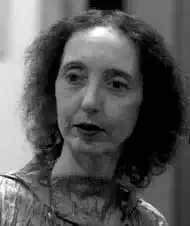
Joyce Carol Oates

Joyce Carol Oates é uma prolífica escritora americana, laureada com inúmeros prémios literários. A sua obra abrange romances, contos, poesia e ensaios, frequentemente explorando a violência, a pobreza, a identidade e a condição feminina na sociedade americana. É conhecida pela sua intensa produção literária e pela sua capacidade de retratar personagens complexas e situações dramáticas.
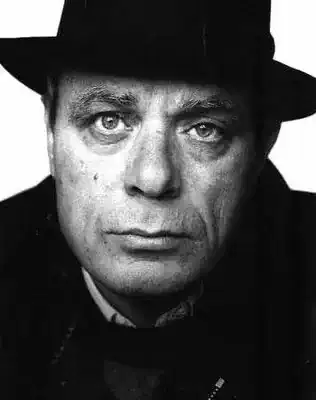
António Lobo Antunes

António Lobo Antunes é um dos mais proeminentes escritores portugueses contemporâneos, conhecido pela sua obra complexa e profundamente marcada pelas experiências da Guerra Colonial em África. A sua escrita, caracterizada por uma estrutura narrativa não linear, pelo uso de múltiplos pontos de vista e por uma linguagem densa e muitas vezes fragmentada, explora temas como a memória, a loucura, a violência, a culpa e a identidade. Lobo Antunes é reconhecido internacionalmente pela sua contribuição para a literatura mundial.

Zbigniew Herbert

Zbigniew Herbert foi um poeta, ensaísta e dramaturgo polaco, amplamente reconhecido como um dos mais importantes poetas europeus da segunda metade do século XX. A sua obra é marcada por uma profunda reflexão sobre a condição humana, a história, a moralidade e a cultura clássica, expressa numa linguagem precisa e rigorosa. Foi uma voz de integridade e resistência intelectual em tempos de opressão. Herbert é conhecido pela sua perspetiva irónica e muitas vezes estoica sobre os grandes temas da vida, utilizando frequentemente a figura do "Sr. Cogito" para explorar a complexidade da existência e a luta pela dignidade.
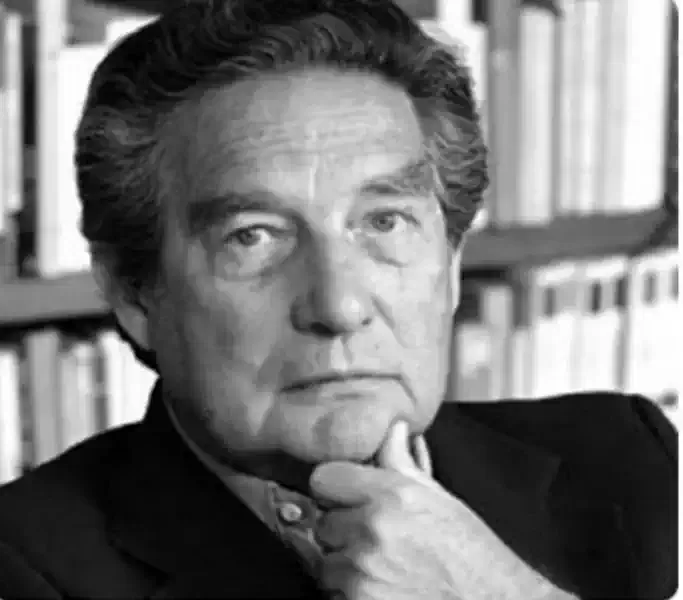
Octavio Paz

Octavio Paz foi um dos mais importantes poetas e ensaístas do século XX, laureado com o Prémio Nobel de Literatura em 1990. Sua obra é vasta e multifacetada, explorando temas como o amor, a solidão, a identidade mexicana, a condição humana, o tempo e a busca pela transcendência. Com uma linguagem rica e inovadora, Paz transitou entre a poesia lírica, a reflexão filosófica e a crítica cultural, deixando um legado intelectual e artístico de valor inestimável.
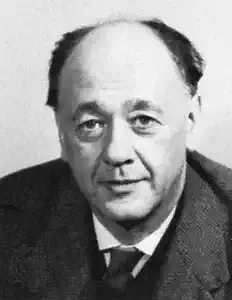
Eugène Ionesco

Eugène Ionesco foi um dramaturgo romeno-francês, um dos principais representantes do Teatro do Absurdo. Sua obra é caracterizada pelo ilogismo, pela quebra da linguagem e pela exploração do vazio da existência humana, refletindo a angústia e o absurdo do mundo moderno. Peças como "A Cantora Careca" e "Rinoceronte" são marcos do teatro do século XX.
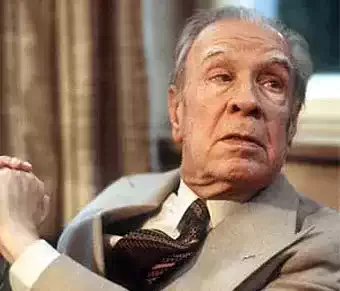
Jorge Luis Borges

Jorge Luis Borges was an Argentine writer, poet, essayist, and translator. His work is characterized by its philosophical depth, intricate plots, and exploration of themes such as time, infinity, identity, and the nature of reality. Borges is considered one of the most significant literary figures of the 20th century, renowned for his innovative use of literary devices and his profound influence on postmodern literature.