
Georg Büchner Preis
Description
Historia y Orígenes
El Premio Georg Büchner, instituido en 1923 por la ciudad de Darmstadt, en Alemania, en homenaje al dramaturgo y escritor Georg Büchner (1813-1837), es uno de los premios literarios de lengua alemana más importantes y prestigiosos. Inicialmente, el premio se concedió a intervalos irregulares, pero desde 1951 lo otorga anualmente la Deutsche Akademie für Sprache und Dichtung (Academia Alemana de Lengua y Poesía). El objetivo del premio es reconocer y honrar a los escritores que, a través de su obra, han contribuido significativamente a la literatura alemana, demostrando innovación, profundidad artística y una mirada crítica sobre la sociedad.
Criterios de Otorgamiento
Los criterios para la concesión del Premio Georg Büchner son amplios, pero se centran en la excelencia literaria, la originalidad del lenguaje y el estilo, la profundidad temática y la relevancia cultural y social de la obra del autor. No se limita a un género específico, pudiendo ser otorgado a novelistas, poetas, dramaturgos, ensayistas o traductores. La academia valora la consistencia de la obra de un autor a lo largo del tiempo, así como su capacidad de innovar y de influir en el panorama literario.
Relevancia en el Panorama Literario
La relevancia del Premio Georg Büchner en el panorama literario es inmensa. Su concesión se considera un reconocimiento de alto calibre, que confiere prestigio internacional al galardonado y atrae atención a su obra. Muchos de los ganadores se han convertido en figuras centrales de la literatura mundial, y el premio ha servido a menudo como un trampolín para el reconocimiento global.
Galardonados Ilustres
La lista de premiados incluye algunos de los nombres más influyentes de la literatura alemana de los siglos XX y XXI, como Bertolt Brecht, Heinrich Böll, Günter Grass, Christa Wolf, Elfriede Jelinek, Herta Müller, Peter Handke y, más recientemente, Anne Carson (aunque Carson es canadiense, el premio le fue otorgado por ser una escritora de lengua alemana, lo que demuestra la flexibilidad y el alcance del premio).
Curiosidades y Ceremonia
Entre las curiosidades del premio se encuentra el hecho de que fue interrumpido durante el período nazi y reanudado tras la Segunda Guerra Mundial, lo que refleja su importancia en la reconstrucción cultural de Alemania. El valor monetario del premio, aunque significativo, no es el principal factor de prestigio; es el honor y el reconocimiento artístico lo que lo hace tan codiciado. La ceremonia de entrega, que se celebra en Darmstadt, es un evento cultural importante, que reúne a figuras prominentes del mundo de las artes, la política y la academia, y sirve como plataforma para la discusión sobre el estado de la literatura y la lengua alemana. La elección de los galardonados la realiza un jurado especializado de la Academia, garantizando un proceso de selección riguroso y basado en mérito literario.
Winners

Oswald Egger

Oswald Egger é um escritor austríaco conhecido por sua obra literária. Sua escrita frequentemente explora temas complexos e apresenta um estilo único que cativa os leitores. Ele se destaca na literatura contemporânea por sua capacidade de criar narrativas envolventes e reflexivas. Como autor, Egger tem contribuído para o cenário literário com suas publicações, demonstrando uma profunda compreensão da condição humana e das nuances da sociedade. Seu trabalho é reconhecido pela originalidade e pela qualidade literária, consolidando-o como uma voz importante em sua área.

Lutz Seiler

Lutz Seiler é um poeta e romancista alemão, conhecido por sua obra que frequentemente evoca paisagens e memórias da antiga Alemanha Oriental. Sua escrita é marcada por uma linguagem precisa e atmosférica, explorando temas como a busca por identidade, a passagem do tempo e a complexidade das relações humanas. Seiler se destaca por sua capacidade de criar narrativas envolventes que mesclam o pessoal com o histórico, oferecendo um olhar sensível e penetrante sobre a experiência humana em contextos específicos. Seu trabalho tem sido amplamente premiado e reconhecido.

Arnold Stadler
Arnold Stadler é um escritor e poeta alemão conhecido por sua prosa lírica e introspectiva. Sua obra frequentemente explora a memória, a identidade e a busca por um lugar no mundo, muitas vezes ambientada em paisagens rurais e com um olhar atento às nuances da vida cotidiana. Ele é um observador sensível da condição humana.
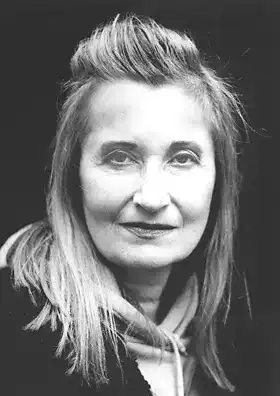
Elfriede Jelinek
Elfriede Jelinek é uma escritora austríaca laureada com o Prémio Nobel da Literatura em 2004. Sua obra é conhecida pela exploração crítica das estruturas de poder, sexualidade, política e pelo uso de uma linguagem transgressora e fragmentada. Jelinek aborda temas como o fascismo, o patriarcado e a sociedade de consumo em suas obras.
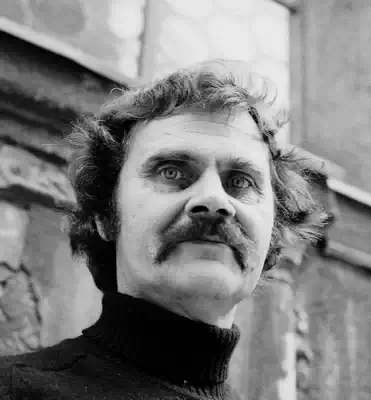
H.C. Artmann
Hans Carl Artmann foi um influente poeta, dramaturgo e tradutor austríaco, conhecido por sua experimentação linguística e por ser uma figura central na literatura de língua alemã do pós-guerra. Sua obra abrange poesia, prosa, teatro e ensaios, explorando de forma inovadora as possibilidades da linguagem e desafiando convenções literárias. Artmann é frequentemente associado ao "Wiener Gruppe" (Grupo de Viena), um coletivo de artistas que explorou a poesia concreta e a performance, buscando novas formas de expressão artística. Sua escrita é caracterizada pela subversão da gramática, pela criação de neologismos e pelo uso de dialetos, refletindo uma visão crítica e lúdica da sociedade e da própria linguagem.

Albert Drach
Albert Drach foi um escritor austríaco, conhecido por sua prosa densa e experimental. Sua obra frequentemente explorava a linguagem e a percepção, desafiando as convenções narrativas tradicionais. Ele se destacou na literatura de língua alemã do século XX. Sua escrita é caracterizada por uma profunda reflexão sobre a existência e a condição humana, muitas vezes em cenários urbanos e introspectivos. Drach deixou um legado como um autor singular e intelectualmente rigoroso.
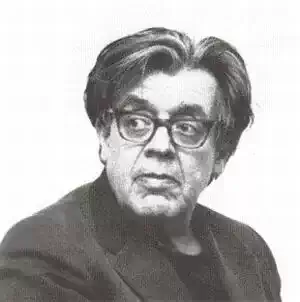
Erich Fried
Erich Fried foi um poeta, escritor e crítico austríaco, cuja obra se caracteriza pela profundidade social e política, aliada a uma sensibilidade lírica notável. Exilado na Inglaterra durante o período nazi, a sua experiência de vida marcou profundamente a sua escrita, conferindo-lhe uma perspetiva única sobre temas como a guerra, a opressão, o amor e a justiça. Fried é reconhecido pela sua linguagem direta e acessível, mas carregada de significado, e pela sua capacidade de abordar questões complexas com clareza e empatia. A sua poesia, muitas vezes engajada, convida à reflexão crítica e à ação transformadora.
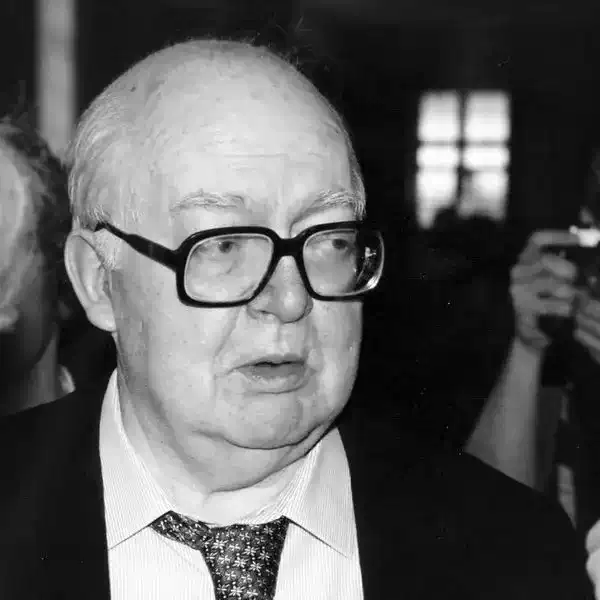
Friedrich Dürrenmatt

Friedrich Dürrenmatt foi um proeminente dramaturgo, romancista e ensaísta suíço, conhecido por suas obras teatrais grotescas e filosóficas que exploram as complexidades da condição humana, justiça e moralidade. Ele frequentemente utilizava elementos de humor negro, sátira e o absurdo para questionar a realidade e a sociedade. Suas peças, como "A Visita da Velha Senhora" e "Os Físicos", alcançaram reconhecimento internacional.
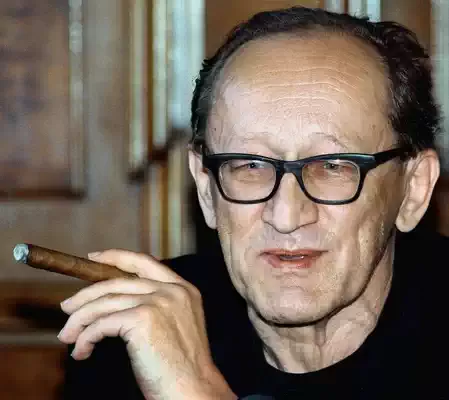
Heiner Müller
Heiner Müller foi um proeminente dramaturgo, encenador e escritor alemão, uma figura central do teatro pós-guerra, conhecido pela sua abordagem radical e experimental. A sua obra é caracterizada pela desconstrução da linguagem, pela exploração de mitos e pela confrontação com a história e a identidade, especialmente no contexto da Alemanha dividida e reunificada. Müller desafiou as convenções teatrais, criando textos fragmentados e visuais que provocam e interrogam o espectador sobre a condição humana, a violência e a memória coletiva.

Ernst Jandl
Ernst Jandl foi um poeta austríaco, pioneiro da poesia experimental e concreta em língua alemã. Sua obra é conhecida pela exploração lúdica da linguagem, pelo uso de neologismos, sons e ritmos inusitados, desafiando as convenções poéticas tradicionais e abrindo novos caminhos para a expressão lírica.
Helmut Heissenbüttel
Helmut Heissenbüttel foi um escritor alemão, pioneiro da poesia concreta e experimental na Alemanha. A sua obra explorou as potencialidades da linguagem e da forma poética, desafiando as convenções literárias tradicionais. Heissenbüttel é reconhecido pela sua abordagem vanguardista, que influenciou significativamente a poesia contemporânea em língua alemã, abrindo novos caminhos para a experimentação linguística e estética.
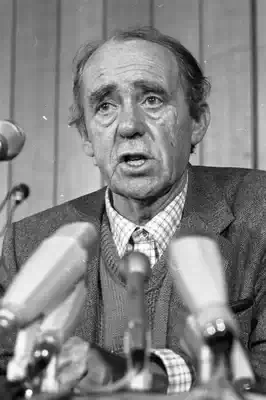
Heinrich Böll
Heinrich Böll foi um proeminente escritor alemão, laureado com o Prêmio Nobel de Literatura em 1972. Sua obra é conhecida por seu forte engajamento social e político, criticando o militarismo, o nacionalismo e a hipocrisia da sociedade alemã pós-Segunda Guerra Mundial. Ele abordou temas como a culpa, a memória e a reconstrução da Alemanha. Böll explorou a vida de pessoas comuns, marginalizados e vítimas da guerra, dando voz aos que foram silenciados. Sua escrita é caracterizada pela clareza, humanismo e uma profunda empatia com seus personagens. Ele foi uma figura importante na literatura alemã e um defensor ativo dos direitos humanos.
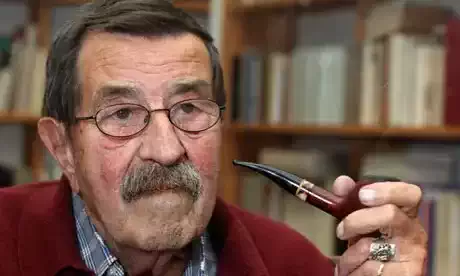
Günter Grass
Günter Grass foi um escritor alemão, nascido em 1927 e falecido em 2015, laureado com o Prêmio Nobel de Literatura em 1999. É um dos autores de língua alemã mais influentes e reconhecidos do pós-guerra, conhecido por suas obras que abordam a história alemã, a culpa e a memória coletiva.

Ingeborg Bachmann
Ingeborg Bachmann foi uma proeminente poeta e escritora austríaca, conhecida pela sua obra lírica e pela sua crítica social. A sua poesia explora temas como a culpa, a identidade, o amor e a desilusão, frequentemente num tom confessional e reflexivo. Bachmann também se destacou como dramaturga e ensaísta, abordando questões existenciais e políticas da sua época. A sua escrita é marcada por uma linguagem intensa e uma profunda sensibilidade para as complexidades da condição humana, tendo deixado um legado significativo na literatura de língua alemã.
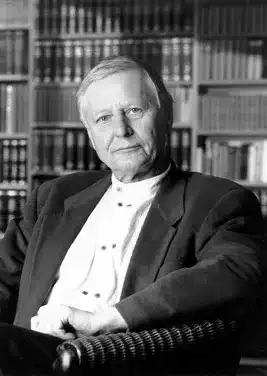
Hans Magnus Enzensberger
Hans Magnus Enzensberger foi um proeminente poeta, escritor, editor e ativista político alemão. Sua obra é conhecida por sua inteligência, ironia e engajamento social e político. Ele abordou uma vasta gama de temas, desde a crítica à sociedade de consumo até a análise das complexidades da política internacional. Ao longo de sua carreira, Enzensberger explorou diversos gêneros literários, incluindo poesia, ensaios, ficção e documentários. Sua escrita frequentemente desafiava as convenções e provocava o pensamento crítico. Ele foi uma figura influente na literatura alemã e internacional, recebendo inúmeros prêmios por sua contribuição literária e intelectual.
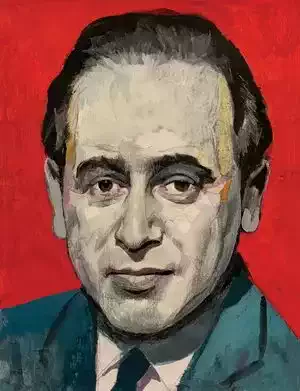
Paul Celan
Paul Celan foi um poeta de língua alemã, de origem judaica, cujas obras exploram as profundezas da dor, da memória e da esperança num mundo marcado pelo trauma do Holocausto. A sua poesia é conhecida pela sua linguagem fragmentada, pela intensidade lírica e pela busca incessante por um discurso autêntico após a catástrofe. Celan abordou temas como a perda, o exílio, a culpa e a possibilidade de um novo começo, utilizando metáforas poderosas e um estilo que desafia as convenções. A sua obra é um testemunho da resiliência do espírito humano e da capacidade da linguagem de expressar o inexprimível, tornando-se uma das vozes mais importantes da poesia do século XX.

Günter Eich
Günter Eich foi um poeta, dramaturgo e radiofonista alemão, uma figura central na literatura alemã do pós-guerra. Sua poesia é conhecida pela experimentação linguística, pela atmosfera onírica e pela reflexão sobre a linguagem e a condição humana em tempos de crise. Como pioneiro do rádio-drama na Alemanha, Eich inovou na forma e no conteúdo, explorando as possibilidades sonoras e narrativas do meio. Sua obra literária, tanto em poesia quanto em prosa, é marcada por uma busca por autenticidade e um olhar crítico sobre a sociedade.

Marie Luise Kaschnitz
Marie Luise Kaschnitz foi uma proeminente escritora alemã, poeta e ensaísta, cuja obra é reconhecida por sua profundidade lírica e pela exploração de temas existenciais e sociais. Sua poesia é marcada por uma linguagem precisa e evocativa, que transita entre o pessoal e o universal, abordando a natureza, a memória, a passagem do tempo e a condição humana. Kaschnitz também se destacou na prosa, com contos e romances que investigam as experiências femininas, as consequências da guerra e a busca por identidade em um mundo em transformação. Sua escrita, frequentemente carregada de uma melancolia sutil e de uma aguda percepção da realidade, consolidou-a como uma das vozes literárias mais importantes da Alemanha do século XX.
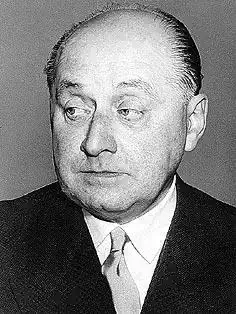
Gottfried Benn
Gottfried Benn foi um médico e poeta alemão, figura proeminente do expressionismo alemão. Sua obra poética, marcada por uma forte carga existencial e pela exploração do corpo, da doença e da morte, frequentemente desafiava as convenções estéticas e morais de seu tempo. Benn transitou por diversas fases estilísticas, desde o lirismo sombrio e fragmentado de seus primeiros poemas até uma poesia mais filosófica e hermética. Sua carreira literária foi interrompida e reorientada diversas vezes devido a convulsões políticas e pessoais, mas seu legado como um dos mais importantes e controversos poetas do século XX na Alemanha é inegável.