
Gottfried Keller Preis
Description
History and Origin
The Gottfried Keller Prize is one of the oldest and most respected literary awards in Switzerland, founded in 1921. It is awarded by the Gottfried Keller Foundation, based in Zurich. The prize honors the work of German-language writers, with a strong emphasis on Swiss authors, recognizing their contribution to literature and culture. The prize is named in homage to Gottfried Keller (1819-1890), one of the most important Swiss writers in German, known for his novels and short stories that portray life in 19th-century Switzerland with realism and psychological depth.
Selection Criteria
The selection criteria for the Gottfried Keller Prize are rigorous and focus on literary quality, originality, and the relevance of the author's work. It is not a prize for a specific work, but rather a recognition of the author's entire career and impact. The Gottfried Keller Foundation appoints a jury composed of academics, literary critics, and other experts who evaluate the submissions. The jury's decision is known for its independence and its attention to literary excellence, often distinguishing authors who, although critically acclaimed, may not be as widely known to the general public.
Cultural Relevance
The relevance of the Gottfried Keller Prize lies in its ability to highlight and legitimize authors who shape the German-language literary landscape. Over the decades, the prize has been awarded to prominent figures who have explored themes such as Swiss identity, history, politics, the human condition, and the complexities of modern society. Its connection to Gottfried Keller lends it significant historical and cultural weight, reinforcing the importance of Swiss literary tradition while encouraging innovation and experimentation.
Notable Laureates
Throughout its history, the prize has been awarded to an impressive list of writers, including:
- Hermann Hesse (although he declined the prize)
- Max Frisch
- Friedrich Dürrenmatt
- Peter Bichsel
- Adolf Muschg
- Urs Widmer
- Herta Müller (who would later win the Nobel Prize in Literature)
- Lukas Bärfuss
- Ilma Rakusa
The diversity of styles and genres represented by the laureates demonstrates the breadth of the Foundation's vision and its dedication to recognizing the richness of contemporary literature.
An interesting fact about the prize is that its awarding has sometimes generated debates and discussions in the literary community, reflecting the inherent subjectivity in artistic evaluation and the significance the prize holds.
Legacy and Impact
Its longevity and the quality of its laureates solidify the Gottfried Keller Prize as a fundamental landmark in the German-language literary scene, a seal of quality and recognition that boosts the careers of its winners and enriches cultural heritage.
Winners

Pietro de Marchi

Pietro de Marchi é um escritor suíço de língua italiana, conhecido por sua prosa que transita entre o realismo e o fantástico, explorando as complexidades da identidade e da memória. Sua obra frequentemente reflete sobre a experiência da imigração e o choque cultural, com um olhar sensível para as relações humanas. Ele é reconhecido por sua capacidade de criar narrativas envolventes e personagens memoráveis, abordando temas como o exílio, a busca por pertencimento e a influência do passado no presente. De Marchi é uma voz importante na literatura suíça contemporânea.

Philippe Jaccottet
Philippe Jaccottet foi um poeta e ensaísta suíço de língua francesa, amplamente reconhecido por sua obra lírica e reflexiva. Sua poesia explora a relação entre o homem e a natureza, a passagem do tempo, a memória e a busca por um olhar mais atento sobre o mundo. Jaccottet também se destacou como tradutor e crítico literário, deixando um legado intelectual significativo.
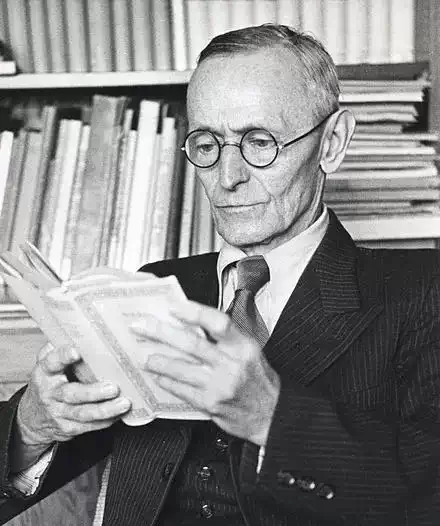
Hermann Hesse

Hermann Hesse was a German-born poet, novelist, and painter who later became a Swiss citizen. Awarded the Nobel Prize in Literature in 1946, his works explore themes of self-discovery, spirituality, and the duality of human nature. Hesse's early life was marked by a search for identity, influenced by his parents' missionary work and his own spiritual leanings. His literary career spanned decades, producing influential novels like 'Siddhartha,' 'Demian,' and 'Steppenwolf,' which resonated with readers seeking meaning in a rapidly changing world.
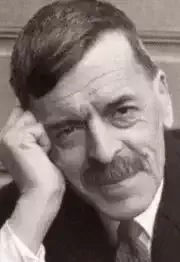
Charles-Ferdinand Ramuz
Charles-Ferdinand Ramuz foi um escritor suíço de língua francesa. É considerado um dos maiores escritores suíços do século XX. As suas obras frequentemente retratam a vida rural e a paisagem da Suíça.