
Prémio Camões
Description
Origen y propósito
El Premio Camões, instituido en 1989 por los gobiernos de Portugal y Brasil, es considerado el Nobel de la literatura en lengua portuguesa. Su nombre rinde homenaje a Luís Vaz de Camões, el célebre poeta épico portugués.
El premio tiene como objetivo distinguir anualmente a un autor de lengua portuguesa cuya obra literaria tenga una relevancia y valor artístico significativos, contribuyendo a la difusión y prestigio de la literatura en portugués.
Jurado y proceso de selección
La elección del galardonado es realizada por un jurado compuesto por personalidades de reconocido mérito en las áreas de la literatura y la cultura, provenientes de países de lengua oficial portuguesa. Cada país de lengua oficial portuguesa tiene derecho a indicar un miembro para el jurado, y Portugal y Brasil, por ser los institutos del premio, indican dos miembros cada uno. El jurado se reúne anualmente para deliberar sobre los candidatos.
Criterios de atribución
Los criterios de selección, aunque no estén explícitamente codificados en un reglamento público detallado, se centran en la calidad literaria de la obra, su originalidad, su influencia y su contribución al patrimonio literario de la lengua portuguesa.
No existen categorías específicas; el premio se otorga a la obra completa del autor, reconociendo su trayectoria y el impacto de su legado.
El valor monetario del premio, aunque variable a lo largo de los años, es un incentivo adicional, pero el reconocimiento y el prestigio asociados a su consecución son, sin duda, su mayor valor.
Relevancia e impacto
Su importancia reside en la capacidad de proyectar autores y obras a un público más amplio, tanto dentro de la comunidad lusófona como internacionalmente. Su concesión se acompaña a menudo de un debate público sobre la literatura contemporánea en lengua portuguesa y sobre los autores que más han marcado el panorama literario. Su relevancia trasciende la mera distinción individual, funcionando como un termómetro de la vitalidad y diversidad de la producción literaria en los países lusófonos.
Su periodicidad anual y el reconocimiento internacional que confiere lo convierten en uno de los premios literarios más codiciados y respetados a nivel mundial, especialmente en el universo de las lenguas romances. Su historia está marcada por la celebración de la diversidad cultural y lingüística que abarca la lengua portuguesa, promoviendo el diálogo entre diferentes tradiciones literarias y realidades sociales.
Galardonados notables
A lo largo de su historia, el Premio Camões ha distinguido a algunos de los nombres más importantes de la literatura en lengua portuguesa, como José Saramago, João Cabral de Melo Neto, António Ramos Rosa, Sophia de Mello Breyner Andresen, Rubem Fonseca, Mia Couto, entre muchos otros.
Winners
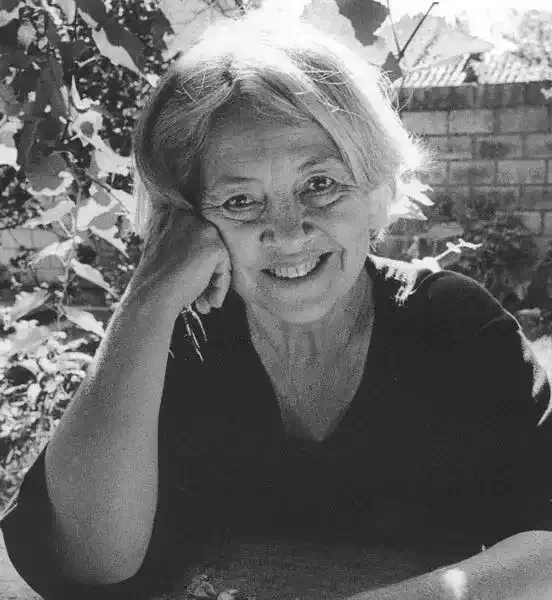
Adélia Prado

Adélia Prado é uma poetisa brasileira contemporânea, conhecida pela sua poesia que entrelaça o cotidiano com o sagrado, o profano com o espiritual, e o trivial com o transcendente. A sua obra, marcada por uma linguagem direta, coloquial e por vezes inesperadamente lírica, reflete uma profunda reflexão sobre a condição feminina, a fé, o corpo, a morte e a busca por sentido numa realidade muitas vezes desprovida de transcendência. Prado oferece uma visão única da vida urbana e das relações humanas, onde a poesia emerge dos gestos mais simples e dos momentos mais corriqueiros, revelando a beleza e o mistério escondidos na experiência quotidiana.

Silviano Santiago
Silviano Santiago é um renomado escritor, ensaísta e crítico literário brasileiro. Sua obra é marcada por uma profunda reflexão sobre a identidade cultural, a linguagem e as relações de poder na sociedade contemporânea. Com uma carreira consolidada, ele transita entre a ficção e a não ficção, sempre com um olhar aguçado para as complexidades do Brasil e da América Latina. É considerado um dos intelectuais mais importantes da sua geração, influenciando debates sobre literatura e pensamento crítico. Sua escrita, muitas vezes desafiadora, convida o leitor a uma imersão em temas complexos, explorando as nuances da experiência humana e da produção cultural.

Vítor Manuel de Aguiar e Silva

Vítor Manuel de Aguiar e Silva é um distinto académico, investigador e professor universitário, amplamente reconhecido pelas suas vastas contribuições para os estudos literários e linguísticos em língua portuguesa. A sua obra dedica-se à análise crítica da literatura, com um foco particular na literatura portuguesa e brasileira, abordando também a teoria literária e a história das ideias. É um nome de referência no campo da filologia e da crítica literária.

Chico Buarque
Chico Buarque de Hollanda é um dos mais proeminentes cantores, compositores e escritores brasileiros. Sua obra musical, marcada pela sofisticação melódica e pela poesia engajada, o consagrou como um ícone da MPB. Paralelamente à carreira musical, desenvolveu uma obra literária que explora temas sociais e existenciais com profunda sensibilidade e domínio da linguagem.
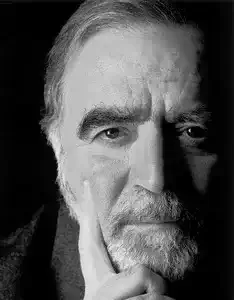
Manuel Alegre
Manuel Alegre é uma figura proeminente da literatura portuguesa contemporânea, conhecido pela sua poesia engajada, lírica e profundamente humana. A sua obra é marcada por uma forte ligação à história recente de Portugal, em particular ao período da ditadura e à luta pela liberdade. Com um estilo que conjuga a força da palavra com a subtileza do sentimento, Alegre explora temas como a identidade, a memória, a justiça e a esperança. A sua poesia, de grande alcance popular e reconhecimento crítico, é um testemunho da sua passagem pela vida política e pela vivência dos ideais de democracia e de intervenção cívica.
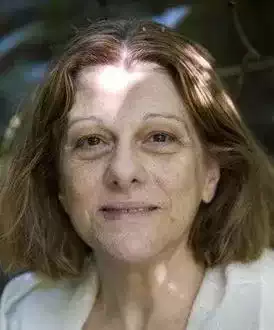
Hélia Correia
Hélia Correia é uma notável escritora portuguesa contemporânea, reconhecida pela sua obra poética e pela sua prosa de grande profundidade e originalidade. A sua escrita é marcada por uma linguagem rica e elaborada, pela exploração de temas universais como a memória, o tempo, a identidade e a condição feminina, e por uma sensibilidade única para as subtilezas da experiência humana. Com uma carreira literária sólida e multifacetada, Hélia Correia consolidou-se como uma das vozes mais importantes da literatura portuguesa recente, influenciando gerações de leitores e escritores.
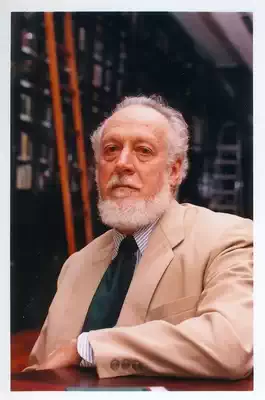
Alberto da Costa e Silva
Alberto da Costa e Silva foi um proeminente poeta, diplomata e ensaísta brasileiro, reconhecido pela sua vasta obra que celebra a cultura africana e a sua influência na formação do Brasil. A sua poesia é marcada pelo lirismo, pela musicalidade e por uma profunda reflexão sobre temas como a identidade, a história, a ancestralidade e a beleza. Distinguiu-se pela sua erudição e pela sua capacidade de tornar acessíveis as complexidades da herança africana, defendendo a importância do diálogo intercultural e do reconhecimento da diversidade.
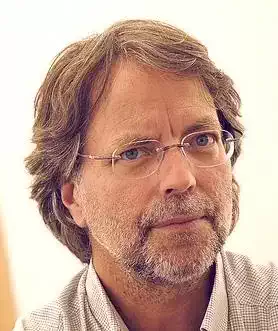
Mia Couto

Mia Couto é um escritor moçambicano, cujas obras exploram a complexa realidade de Moçambique pós-independência, mesclando o real com o fantástico, o mito e a oralidade africana. A sua prosa poética e as suas narrativas envolventes abordam temas como a guerra, a reconciliação, a identidade cultural e a sabedoria ancestral, tornando-o um dos autores mais importantes da literatura lusófona contemporânea. Reconhecido internacionalmente, Mia Couto tem um papel crucial na representação literária de Moçambique.
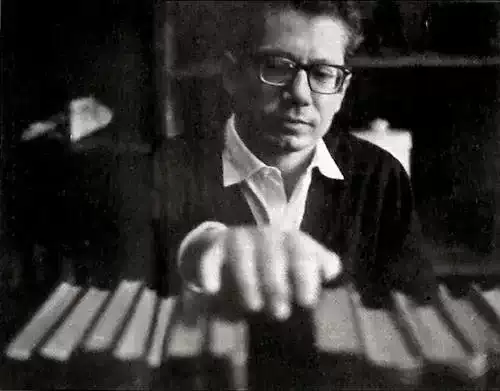
Dalton Trevisan
Dalton Trevisan é um escritor brasileiro conhecido por sua obra contista e sua escrita crua e direta. Sua narrativa frequentemente explora a marginalidade urbana, a miséria humana e as complexidades das relações interpessoais, utilizando uma linguagem concisa e um estilo cortante que lhe rendeu o apelido de "Vampiro de Curitiba". Sua obra é marcada pela observação atenta do cotidiano e pela capacidade de desvelar o grotesco e o trágico na simplicidade da vida.
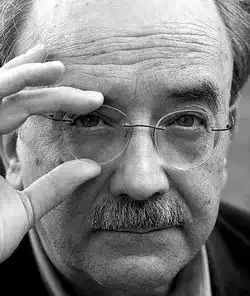
Manuel António Pina
Manuel António Pina foi um poeta, escritor, dramaturgo e ensaísta português, figura proeminente da literatura contemporânea. Sua obra, caracterizada pela simplicidade aparente, profundidade filosófica e um olhar aguçado sobre a condição humana, explora temas como a infância, a memória, a linguagem e a transcendência. Reconhecido pela sua originalidade e pela sua capacidade de reinventar a forma poética, Pina deixou um legado significativo, marcado pela reflexão sobre a existência e a arte de escrever.
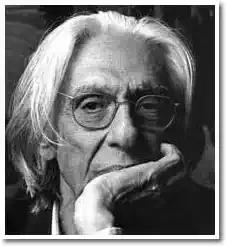
Ferreira Gullar
Ferreira Gullar foi um poeta, ensaísta, crítico de arte e tradutor brasileiro, considerado um dos mais influentes poetas do século XX no Brasil. Sua obra atravessou diversas fases, desde a poesia concreta até uma lírica mais existencial e engajada. Destacou-se por sua capacidade de unir a experimentação formal a uma profunda reflexão sobre a condição humana, a sociedade e a arte. Sua escrita é marcada por uma linguagem acessível, mas rica em imagens e significados, abordando temas como o tempo, a memória, a fé e a política.
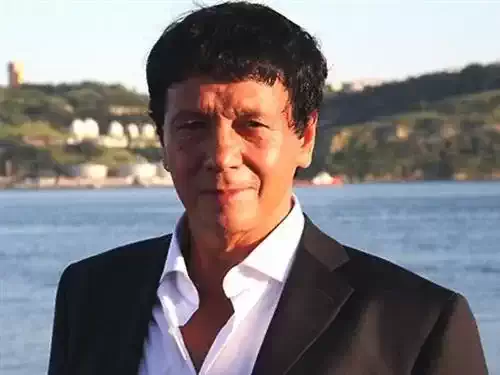
Arménio Vieira

Arménio Vieira é um proeminente poeta cabo-verdiano, cuja obra se distingue pela profunda exploração da identidade, da diáspora, da condição humana e da paisagem de Cabo Verde. Sua poesia é marcada por uma linguagem contundente, um tom por vezes elegíaco e uma forte ligação com as raízes culturais e históricas de seu povo. Com uma trajetória consolidada, Arménio Vieira é uma voz essencial na literatura em língua portuguesa, abordando temas universais a partir de uma perspetiva singularmente cabo-verdiana, o que lhe confere um lugar de destaque no panorama literário lusófono.
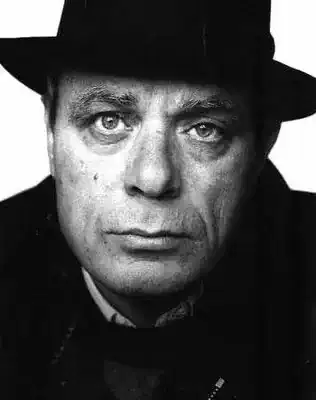
António Lobo Antunes
António Lobo Antunes é um dos mais proeminentes escritores portugueses contemporâneos, conhecido pela sua obra complexa e profundamente marcada pelas experiências da Guerra Colonial em África. A sua escrita, caracterizada por uma estrutura narrativa não linear, pelo uso de múltiplos pontos de vista e por uma linguagem densa e muitas vezes fragmentada, explora temas como a memória, a loucura, a violência, a culpa e a identidade. Lobo Antunes é reconhecido internacionalmente pela sua contribuição para a literatura mundial.
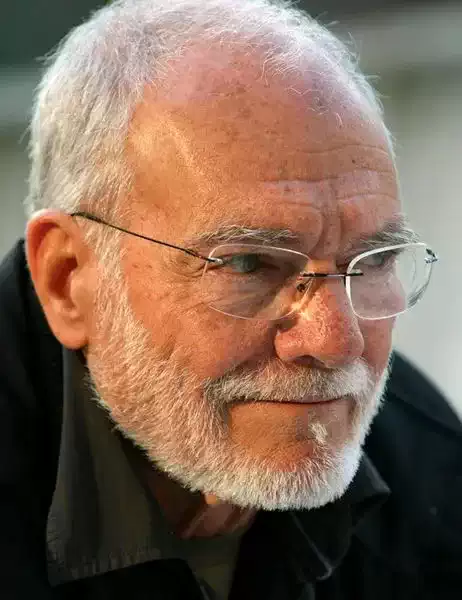
José Luandino Vieira

José Luandino Vieira foi um proeminente escritor angolano, conhecido pela sua profunda exploração da língua portuguesa em Angola e pela sua obra que retrata a vida, a cultura e as lutas do povo angolano. A sua escrita é marcada por uma inovação linguística audaciosa, incorporando vocabulário, ritmos e estruturas da fala angolana. Considerado um dos maiores nomes da literatura angolana e africana de língua portuguesa, Luandino Vieira abordou temas como a identidade, a resistência, a memória e a busca pela liberdade, deixando um legado literário que continua a influenciar gerações de escritores e a enriquecer o património cultural lusófono.
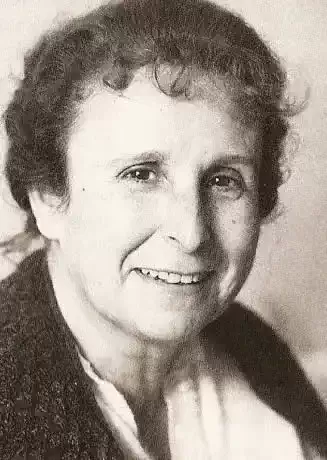
Agustina Bessa-Luís
Agustina Bessa-Luís foi uma escritora portuguesa de renome, cuja obra se destacou pela profundidade psicológica, pela exploração de temas complexos e por um estilo narrativo vigoroso e inovador. Ao longo da sua extensa carreira, abordou com mestria a condição humana, as relações familiares, a dimensão social e a história de Portugal, firmando-se como uma das vozes mais importantes da literatura lusófona contemporânea.
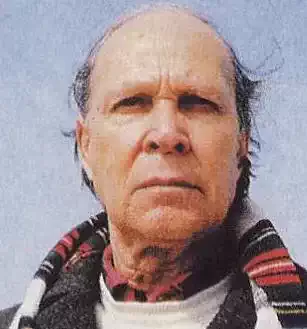
Eugénio de Andrade
Eugénio de Andrade foi um dos mais importantes poetas portugueses do século XX, conhecido pela pureza e pela musicalidade da sua linguagem, e pela sua profunda ligação à natureza, ao corpo e à experiência sensorial. A sua obra é caracterizada por um lirismo depurado, que celebra a vida, a luz e a beleza, sem ignorar as dimensões mais sombrias da existência. Com uma poesia que se distingue pela concisão, pela clareza e por uma aparente simplicidade que esconde uma grande profundidade reflexiva, Eugénio de Andrade consolidou um estilo inconfundível e uma voz única na poesia contemporânea em língua portuguesa.
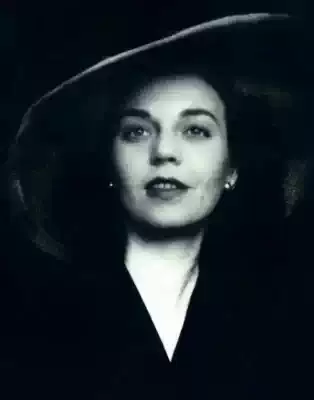
Sophia de Mello Breyner Andresen
Sophia de Mello Breyner Andresen foi uma das mais proeminentes poetisas da língua portuguesa, conhecida pela sua lírica depurada, pela clareza do pensamento e pela profunda ligação com a Grécia Antiga e a natureza. A sua obra poética é marcada por uma constante busca pela justiça, pela beleza e pela verdade, explorando temas universais como o amor, a morte, o tempo e a condição humana, sempre com um olhar voltado para a redenção e a esperança. Sua poesia é reconhecida pela sua força moral e pela elegância formal, combinando a tradição com uma linguagem contemporânea e acessível, o que a tornou uma figura incontornável na literatura portuguesa do século XX e XXI.
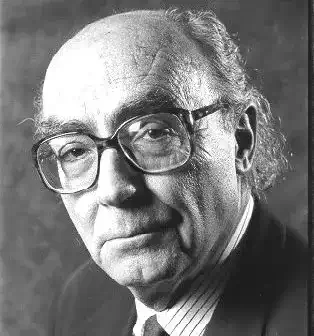
José Saramago
José Saramago foi um escritor português, laureado com o Prémio Nobel da Literatura em 1998. Sua obra, profundamente humanista e crítica, aborda questões existenciais, sociais e políticas com um estilo narrativo único, marcado pela ausência de pontuação convencional em diálogos e por longos períodos. Explorou a condição humana, a memória, a identidade e o poder, deixando um legado literário marcante. Sua escrita é reconhecida pela complexidade, pela reflexão filosófica e pela capacidade de questionar as estruturas sociais e o comportamento humano, convidando o leitor a uma imersão profunda em universos ficcionais densos e instigantes.
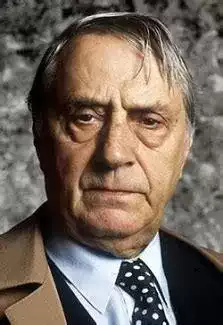
Vergílio Ferreira
Vergílio António Ferreira was a highly influential Portuguese writer, poet, novelist, playwright, essayist, and literary critic. He is regarded as one of the most significant figures in 20th-century Portuguese literature, known for his intellectual depth and exploration of existential themes. His work often grapples with questions of identity, freedom, and the human condition.
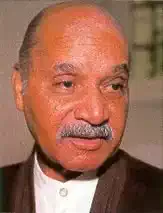
José Craveirinha
José Craveirinha foi um poeta moçambicano, considerado um dos maiores nomes da literatura africana de língua portuguesa. Sua obra, fortemente marcada pela identidade moçambicana, pela luta contra o colonialismo e pela celebração da cultura e das gentes de Moçambique, é caracterizada por uma linguagem vibrante e expressiva, que mescla o português com elementos das línguas locais. É conhecido como o "Poeta do Povo".
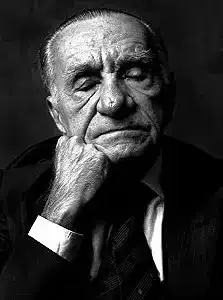
João Cabral de Melo Neto
João Cabral de Melo Neto foi um dos mais importantes poetas brasileiros do século XX. Sua obra é marcada pela objetividade, pelo rigor formal e pela exploração da linguagem como matéria-prima. Abordou temas como a paisagem nordestina, a condição humana e a própria poesia, com um estilo frequentemente descrito como concreto e arquitetônico. Sua poesia busca a precisão, a clareza e a economia de meios, afastando-se de sentimentalismos e excessos retóricos.
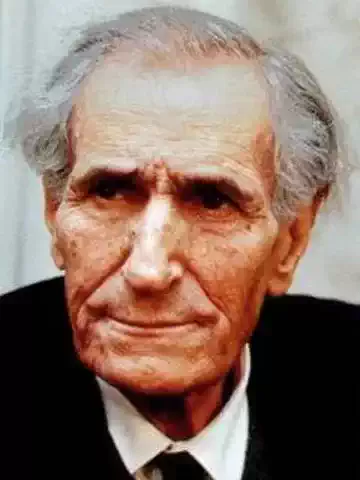
Miguel Torga
Miguel Torga foi um poeta e escritor português, conhecido pela sua obra multifacetada que explora as raízes do ser humano e a sua relação com a terra. A sua poesia é marcada por uma profunda ligação à natureza, à tradição popular e a uma visão existencialista do mundo. A sua escrita, muitas vezes visceral e de forte pendor lírico, reflete uma busca constante pela identidade e pela verdade, num estilo que combina a força do verso livre com a solidez da forma. Torga abordou temas como a condição humana, a passagem do tempo, a terra transmontana e a espiritualidade, deixando um legado poético que continua a ressoar pela sua autenticidade e profundidade.