
Austrian State Prize for European Literature
Austrian State Prize for European Litera
Description
History and Foundation of the Prize
The Austrian State Prize for European Literature (Österreichischer Staatspreis für Europäische Literatur) is one of Austria's most prestigious literary awards, aiming to honor European authors who, through their works, have significantly contributed to the enrichment and understanding of European literature and culture. Established in 1965, the prize is awarded annually by the Austrian Federal Ministry of Education, Science and Research (Bundesministerium für Bildung, Wissenschaft und Forschung).
Initially, the prize was known as the "Großer Österreichischer Staatspreis" (Great Austrian State Prize), but starting from 1965, a specific category for European literature was created, consolidating its international focus.
Selection Criteria and Jury
The prize is not limited to a single book but rather to an author's complete body of work, thereby recognizing a literary career and the lasting impact of their writing. The selection criteria emphasize literary quality, originality, thematic depth, and the relevance of the work within the contemporary European context. The jury, composed of literary experts, critics, and academics, selects the laureate based on nominations and rigorous evaluations.
Cultural Significance and Ceremony
The significance of this award lies in its ability to highlight and celebrate the literary diversity of the European continent, promoting cultural exchange and the recognition of literary voices that may sometimes lack the global visibility they deserve. Over the decades, the prize has been awarded to authors of various nationalities, encompassing a wide range of literary genres and styles, from poetry and prose to essays and drama. The award ceremony, typically held in Vienna, is a significant cultural event, attracting the attention of the international literary community and the media.
Distinguished Laureates and Legacy
Among the laureates are world-renowned names such as Elias Canetti (1967), Witold Gombrowicz (1971), Italo Calvino (1973), Jorge Semprún (1978), Christa Wolf (1987), Milan Kundera (1985), W. G. Sebald (2000), Orhan Pamuk (2005), and Svetlana Alexievich (2015), among many others. The selection of these authors reflects a commitment to recognizing works that explore the human condition, European history, social and political complexities, and that dare to innovate in form and content. The monetary value of the prize, while significant, is secondary to the prestige and recognition it confers. The Austrian State Prize for European Literature continues to be a pillar in the promotion of European literature, encouraging the continuity of literary excellence and dialogue among the continent's cultures.
Winners

Michel Houellebecq

Michel Houellebecq é um romancista, poeta e ensaísta francês, amplamente considerado uma das figuras literárias mais importantes e controversas da França contemporânea. A sua obra, marcada por um pessimismo irónico e uma crítica social mordaz, explora temas como o individualismo, a decadência da sociedade ocidental, a sexualidade, a religião e o mal-estar existencial. As suas personagens são frequentemente indivíduos alienados e desiludidos, lutando para encontrar sentido num mundo cada vez mais fragmentado e dominado pelo consumismo e pela tecnologia.

Mircea Cărtărescu

Mircea Cărtărescu é um proeminente escritor romeno, amplamente reconhecido como um dos mais importantes poetas e romancistas da Romênia contemporânea. Sua obra é marcada por uma complexidade narrativa, um lirismo intenso e uma profunda exploração do inconsciente, da memória e da condição humana. Cărtărescu é conhecido por sua prosa densa e imagética, frequentemente entrelaçando elementos fantásticos, míticos e autobiográficos. Ele é um figura central na literatura romena pós-comunista, tendo recebido inúmeros prêmios e sendo frequentemente citado como um potencial candidato ao Prêmio Nobel de Literatura.
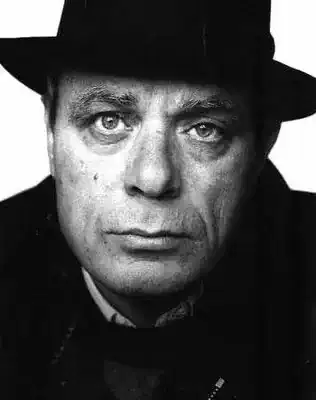
António Lobo Antunes

António Lobo Antunes é um dos mais proeminentes escritores portugueses contemporâneos, conhecido pela sua obra complexa e profundamente marcada pelas experiências da Guerra Colonial em África. A sua escrita, caracterizada por uma estrutura narrativa não linear, pelo uso de múltiplos pontos de vista e por uma linguagem densa e muitas vezes fragmentada, explora temas como a memória, a loucura, a violência, a culpa e a identidade. Lobo Antunes é reconhecido internacionalmente pela sua contribuição para a literatura mundial.
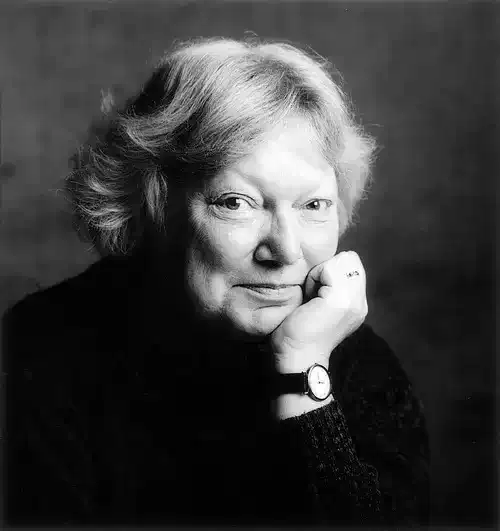
Inger Christensen

Inger Christensen foi uma poeta e ensaísta dinamarquesa, conhecida pela sua poesia experimental e engajada. A sua obra explora temas como a linguagem, a natureza, a existência e a condição humana, muitas vezes utilizando estruturas matemáticas e científicas para organizar os seus versos. Foi uma figura proeminente na literatura escandinava, com uma produção que abrangeu poesia, ficção e ensaios, e que continua a ser amplamente estudada e admirada pela sua originalidade e profundidade.
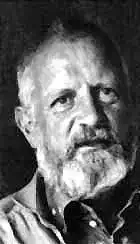
Helmut Heissenbüttel

Helmut Heissenbüttel foi um escritor alemão, pioneiro da poesia concreta e experimental na Alemanha. A sua obra explorou as potencialidades da linguagem e da forma poética, desafiando as convenções literárias tradicionais. Heissenbüttel é reconhecido pela sua abordagem vanguardista, que influenciou significativamente a poesia contemporânea em língua alemã, abrindo novos caminhos para a experimentação linguística e estética.
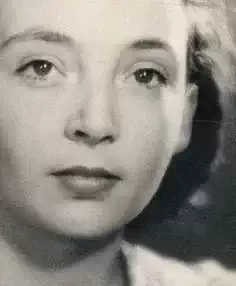
Marguerite Duras
Marguerite Duras foi uma escritora, dramaturga e cineasta francesa, conhecida pela sua obra que explora as complexidades do desejo, da memória, do amor e da solidão. A sua escrita, muitas vezes fragmentada e experimental, reflete a sua profunda compreensão da psique humana e das suas contradições. Autora de romances icónicos como "O Amante" e "Moderato Cantabile", Duras deixou um legado literário e cinematográfico que continua a fascinar pela sua intensidade emocional e pela sua abordagem inovadora da narrativa.
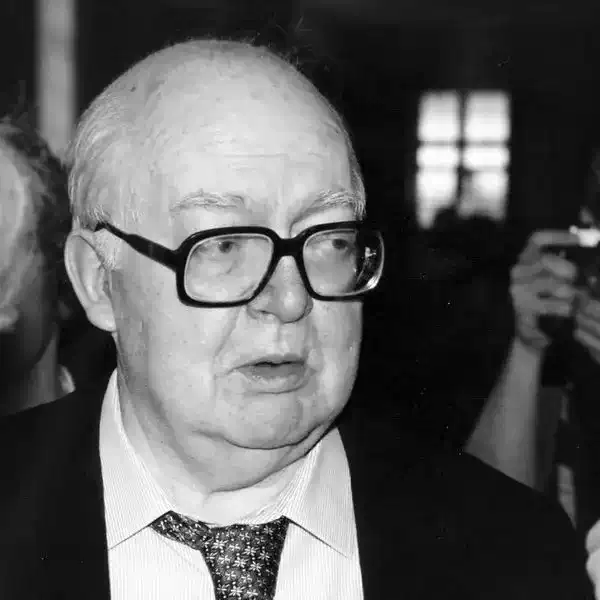
Friedrich Dürrenmatt

Friedrich Dürrenmatt foi um proeminente dramaturgo, romancista e ensaísta suíço, conhecido por suas obras teatrais grotescas e filosóficas que exploram as complexidades da condição humana, justiça e moralidade. Ele frequentemente utilizava elementos de humor negro, sátira e o absurdo para questionar a realidade e a sociedade. Suas peças, como "A Visita da Velha Senhora" e "Os Físicos", alcançaram reconhecimento internacional.
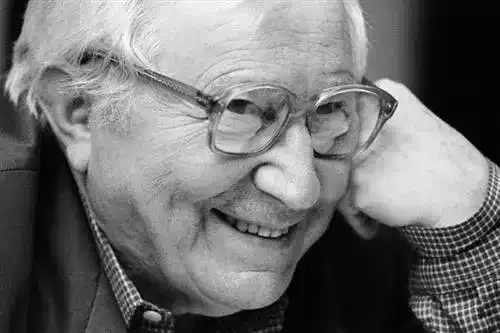
Tadeusz Rózewicz

Tadeusz Rózewicz foi um proeminente poeta, dramaturgo e ensaísta polaco, cuja obra marcou profundamente a literatura do século XX. Após vivenciar os horrores da Segunda Guerra Mundial, a sua poesia tornou-se um testemunho da fragilidade da condição humana, questionando a própria linguagem e a possibilidade de expressar o indizível. A sua escrita é caracterizada por uma simplicidade aparente, um tom irónico e uma profunda reflexão sobre a moralidade e a existência.
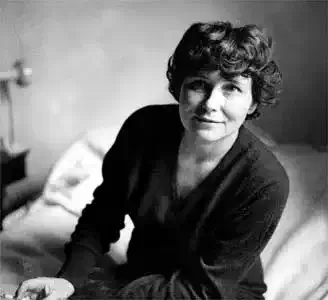
Doris Lessing

Doris Lessing foi uma romancista e contista anglo-iraniana, conhecida por suas obras que exploram questões sociais, políticas e psicológicas, com uma forte inclinação para a ficção científica e o feminismo. Ela foi agraciada com o Prêmio Nobel de Literatura em 2007.

Pavel Kohout

Pavel Kohout é um proeminente escritor, dramaturgo e roteirista tcheco. Sua obra é conhecida por sua crítica social e política, muitas vezes abordando as complexidades da vida sob regimes totalitários. Ele é um defensor da liberdade de expressão e um figura importante na cena literária e cultural da Europa Central.
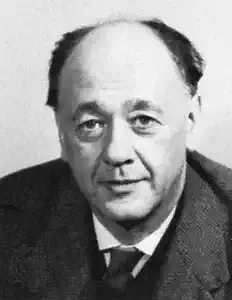
Eugène Ionesco
Eugène Ionesco foi um dramaturgo romeno-francês, um dos principais representantes do Teatro do Absurdo. Sua obra é caracterizada pelo ilogismo, pela quebra da linguagem e pela exploração do vazio da existência humana, refletindo a angústia e o absurdo do mundo moderno. Peças como "A Cantora Careca" e "Rinoceronte" são marcos do teatro do século XX.
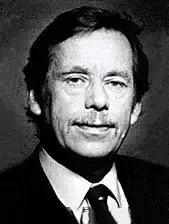
Václav Havel
Václav Havel foi um dramaturgo, ensaísta, dissidente e político tcheco que se tornou um dos mais importantes opositores do regime comunista em seu país. Como líder do movimento Velvet Revolution, ele desempenhou um papel crucial na transição pacífica da Tchecoslováquia para a democracia. Sua obra literária e seus escritos políticos frequentemente abordavam temas de liberdade, verdade e a responsabilidade do indivíduo em sociedades opressivas.
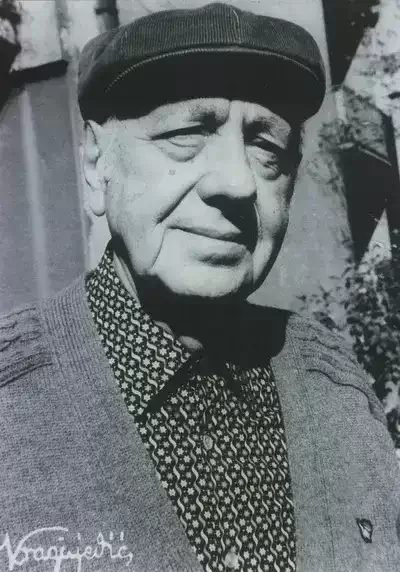
Vasko Popa

Vasko Popa foi um poeta sérvio considerado um dos mais importantes da poesia moderna sérvia e europeia. A sua obra, marcada por uma linguagem concisa e imagética, explora temas universais como a identidade, a memória e a condição humana, muitas vezes através de uma abordagem mítica e folclórica. Popa é conhecido pela sua capacidade de transformar elementos do quotidiano e do imaginário popular em metáforas poderosas, criando um universo poético único e de grande profundidade.
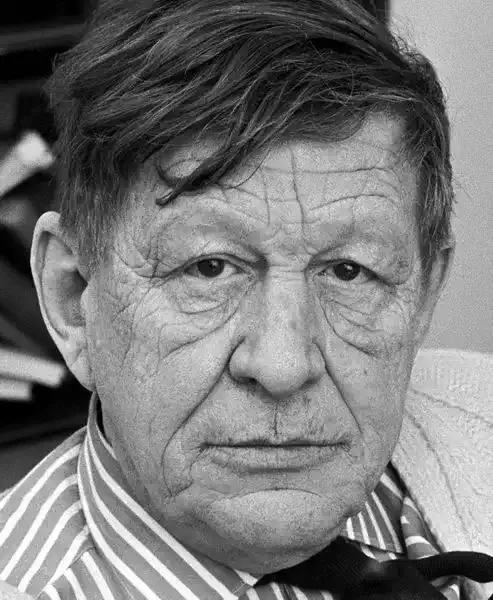
W. H. Auden
W. H. Auden foi um poeta britânico, naturalizado americano, amplamente considerado um dos maiores poetas do século XX. A sua obra é caracterizada pela diversidade temática e estilística, abordando desde questões sociais e políticas até reflexões íntimas sobre o amor, a morte e a fé. Auden destacou-se pela sua inteligência aguda, pelo domínio da linguagem e pela capacidade de transitar entre o coloquial e o elevado.

Zbigniew Herbert
Zbigniew Herbert foi um poeta, ensaísta e dramaturgo polaco, amplamente reconhecido como um dos mais importantes poetas europeus da segunda metade do século XX. A sua obra é marcada por uma profunda reflexão sobre a condição humana, a história, a moralidade e a cultura clássica, expressa numa linguagem precisa e rigorosa. Foi uma voz de integridade e resistência intelectual em tempos de opressão. Herbert é conhecido pela sua perspetiva irónica e muitas vezes estoica sobre os grandes temas da vida, utilizando frequentemente a figura do "Sr. Cogito" para explorar a complexidade da existência e a luta pela dignidade.