
Eric Gregory Award
Description
About the Eric Gregory Award
The Eric Gregory Award is one of the most prestigious prizes for young poets in the United Kingdom, administered by The Society of Authors. Established in 1967, in memory of Eric Gregory, a poet and literary critic who died prematurely, the award aims to support and encourage emerging poets who demonstrate exceptional talent and significant potential.
Eligibility and Criteria
The age limit for applicants is 30 years old, making it a crucial stepping stone for nascent literary careers. Awards are typically given to a number of poets each year, with amounts varying but substantial enough to allow poets to dedicate more time to their writing.
Selection criteria emphasize the quality of the poetry submitted, originality, thematic depth, and technical mastery. Applicants must be British citizens or have been resident in the UK for at least three years. Selection is made by a panel of experienced judges, usually renowned poets and academics, who evaluate the submitted manuscripts.
Impact and Laureates
Over the decades, the Eric Gregory Award has been an early indicator of talent, with many winners going on to become prominent figures in contemporary British poetry.
Names such as Seamus Heaney (although he received the award before becoming world-famous), Ted Hughes, Carol Ann Duffy, Andrew Motion, and Simon Armitage, among many others, feature on the list of past recipients, attesting to the award's importance in discovering and validating new poetic voices.
Relevance and Career Impact
The award's relevance lies not only in the financial recognition and prestige it confers but also in the visibility it provides to poets, opening doors to publications, readings, and other professional opportunities. The nature of the award, focusing on young poets, is particularly important in a field that often takes time to recognize and support new talent.
Legacy and Significance
The Society of Authors plays a vital role in promoting writing and authors' rights in the UK, and the Eric Gregory Award is one of its most emblematic and impactful initiatives. Competition is fierce, and being selected among so many talented candidates is a remarkable achievement.
The award is not limited to a single winner but rather to a group of poets demonstrating exceptional merit, reflecting a more inclusive and supportive approach to poetic development. The award's history is intrinsically linked to the evolution of British poetry in the 20th and 21st centuries, serving as a barometer for the vitality and diversity of the young poetry scene. The award's longevity and consistency, along with the caliber of its laureates, solidify its position as a cornerstone of literary recognition for emerging poets in the UK.
Winners

Maia Elsner
Maia Elsner é uma escritora cujas obras exploram a complexidade das relações humanas e as paisagens interiores dos seus personagens. A sua escrita é frequentemente elogiada pela sua sensibilidade e pela forma como captura as nuances das emoções. Com um estilo que transita entre o lírico e o introspectivo, Elsner tem construído uma obra que convida à reflexão sobre temas universais, como amor, perda e a busca por significado na vida.

Charlotte Shevchenko Knight

Charlotte Shevchenko Knight é uma renomada romancista e contista, celebrada por suas narrativas complexas e personagens memoráveis. Sua escrita é frequentemente elogiada pela profundidade psicológica e pela exploração de temas como memória, identidade e as intrincadas relações humanas. Com uma prosa elegante e envolvente, Knight tem cativado leitores e críticos ao longo de sua carreira. Ela se destaca por sua habilidade em construir mundos ficcionais ricos e por abordar questões universais de forma sensível e instigante, o que a estabeleceu como uma voz significativa na literatura contemporânea.

Helen Quah

Helen Quah é uma escritora reconhecida por sua ficção contemporânea e contos que exploram as complexidades da vida moderna, com um olhar atento às relações interpessoais e aos desafios culturais. Sua obra frequentemente aborda temas de migração, identidade e a busca por pertencimento. Com uma prosa clara e perspicaz, Quah tem conquistado leitores que apreciam histórias que refletem as nuances do cotidiano e as experiências de diversas comunidades. Ela se destaca por sua habilidade em criar personagens realistas e situações com as quais muitos podem se identificar, tornando sua escrita relevante e envolvente.

Jay Gao

Jay Gao é um poeta e ensaísta emergente, conhecido por sua exploração da identidade, da diáspora e da cultura na era digital. Sua obra transita entre o pessoal e o político, utilizando uma linguagem inovadora para refletir sobre as experiências de ser jovem e asiático na contemporaneidade. Com uma voz lírica e provocadora, Gao tem ganhado destaque na cena literária por sua capacidade de abordar temas complexos com frescor e originalidade. Seus textos convidam à reflexão sobre a linguagem, a representação e o impacto da tecnologia em nossas vidas, estabelecendo-o como um talento promissor.

Mukahang Limbu

Mukahang Limbu é um poeta e ativista social cuja obra se concentra na vida e nas lutas das comunidades marginalizadas, especialmente aquelas de origem do sul da Ásia e do Himalaia. Sua poesia é uma ferramenta poderosa para dar voz às experiências de migração, injustiça e resiliência. Com uma abordagem direta e profundamente empática, Limbu busca através de sua escrita promover a conscientização e a solidariedade. Seu trabalho é um testemunho da força humana e da importância de preservar a cultura e a memória em face das adversidades, consolidando-o como uma voz autêntica e engajada.

Joe Carrick-Varty
Joe Carrick-Varty é um escritor inglês conhecido por suas contribuições para o gênero de ficção científica e fantasia. Sua obra explora frequentemente temas de exploração espacial, sociedades utópicas e distópicas, e os limites da tecnologia. Com uma imaginação fértil e uma abordagem filosófica em suas narrativas, Carrick-Varty convida os leitores a refletir sobre o futuro da humanidade e suas possibilidades.

Stephanie Sy-Quia
Stephanie Sy-Quia é uma poeta americana cuja obra se destaca pela exploração da identidade, herança cultural e as complexidades das relações familiares. Sua escrita é conhecida por sua intensidade emocional e uma linguagem que transita entre o pessoal e o universal. Com uma abordagem que frequentemente entrelaça memórias pessoais com reflexões sobre história e cultura, Sy-Quia constrói poemas que ressoam com autenticidade e profundidade, abordando a experiência de ser de múltiplas origens.

Gboyega Odubanjo
Gboyega Odubanjo é um poeta britânico cujas obras exploram temas de identidade, herança e a experiência negra. Sua poesia é conhecida por sua musicalidade, imaginação vívida e abordagem introspectiva das complexidades da vida contemporânea. Ele frequentemente tece referências culturais e pessoais em seus versos, criando uma tapeçaria rica e ressonante. Sua escrita demonstra um profundo compromisso com a linguagem, utilizando-a de forma inovadora para evocar emoções e provocar reflexão. Odubanjo se estabeleceu como uma voz emergente significativa na poesia britânica, oferecendo perspectivas únicas e poderosas através de sua arte.

Amina Jama
Amina Jama é uma poeta somali-britânica cuja obra poética explora temas de identidade, migração, família e a experiência da diáspora. Sua poesia é conhecida por sua força emocional e por sua representação de narrativas culturais específicas. Jama tem contribuído para a cena literária com poemas que oferecem uma perspectiva única sobre a vida e as lutas de comunidades imigrantes, abordando questões de pertencimento e resistência com sensibilidade e poder.

Kadish Morris
Kadish Morris é uma escritora britânica cujo trabalho se concentra em temas de raça, identidade e as complexidades das relações interpessoais e sociais. Sua escrita é conhecida por sua perspicácia e por abordar questões contemporâneas com profundidade. Morris tem buscado dar voz a narrativas e perspectivas frequentemente sub-representadas, utilizando sua escrita para explorar as nuances da experiência humana em sociedades multiculturais e as dinâmicas de poder que moldam as interações sociais.

Natalie Linh Bolderston

Natalie Linh Bolderston é uma escritora e poeta vietnamita-canadense, conhecida por sua prosa lírica e exploração de temas de identidade, deslocamento e herança cultural. Sua escrita frequentemente tece elementos de fantasia com realismo, criando narrativas imersivas que ressoam com muitos leitores. Ela se destaca pela forma como aborda a experiência de ser de duas culturas, encontrando beleza e complexidade nas interseções.

Roseanne Watt
Roseanne Watt é uma escritora, poeta e acadêmica das Ilhas Shetland, na Escócia. Sua obra é profundamente influenciada pelo cenário e pela cultura de sua terra natal, explorando temas como a paisagem, a linguagem e a identidade nas ilhas. Ela combina uma perspectiva contemporânea com uma forte conexão às tradições locais, resultando em uma escrita única e atmosférica.

Dominic Leonard
Dominic Leonard é um escritor cujas obras exploram a condição humana com uma sensibilidade notável. Sua escrita é frequentemente elogiada pela profundidade psicológica e pela clareza de sua prosa. Ele se dedica a criar narrativas que ressoam com os leitores, abordando temas universais de uma forma pessoal e introspectiva.

Seán Hewitt

Seán Hewitt é um poeta, crítico e acadêmico irlandês cujo trabalho literário se concentra na paisagem, na memória e nas complexidades da identidade, frequentemente explorando a relação entre o homem e a natureza. Sua poesia é elogiada por sua sensibilidade lírica e por sua profunda conexão com o mundo natural, muitas vezes entrelaçando observações sobre a vida rural com reflexões filosóficas e existenciais. Hewitt também é conhecido por seu trabalho crítico e acadêmico sobre literatura.

Andrew McMillan
Andrew McMillan é um escritor que se destaca por sua prosa lírica e pela exploração das complexidades das relações humanas, do desejo e da intimidade. Sua obra é frequentemente elogiada pela honestidade emocional e pela profundidade psicológica com que retrata seus personagens. Através de narrativas sensíveis e bem construídas, ele aborda temas universais de uma forma que ressoa com a experiência contemporânea.

Jen Campbell
Jen Campbell é uma escritora e poeta conhecida por sua abordagem singular à literatura infantil e juvenil, bem como por sua poesia evocativa. Sua obra frequentemente explora temas de fantasia, curiosidade e a beleza encontrada no cotidiano, incentivando a imaginação e a descoberta. O estilo de Campbell é marcado pela criatividade, pelo humor sutil e por uma profunda sensibilidade para com as emoções e as perspetivas de seus leitores mais jovens.

Miriam Nash
Miriam Nash é uma poeta e educadora britânica, conhecida por sua poesia que frequentemente se dirige a um público jovem, com temas de aventura, natureza e autodescoberta. Seu trabalho é marcado por um tom lúdico e acessível, incentivando a imaginação e a curiosidade.

Padraig Regan
Padraig Regan é um poeta norte-irlandês, cujo trabalho explora temas de identidade, memória e a paisagem social e física da Irlanda do Norte. Sua poesia é marcada por uma linguagem precisa e por uma profunda sensibilidade às complexidades da experiência humana.

Stewart Sanderson
Stewart Sanderson é reconhecido por sua contribuição para a literatura contemporânea, com uma obra que explora as complexidades da identidade e da memória. Seus escritos frequentemente se debruçam sobre a experiência humana em contextos de mudança e incerteza, oferecendo narrativas envolventes e personagens memoráveis. A profundidade de suas observações sobre a condição humana e o seu estilo literário refinado consolidam sua posição como um autor de destaque.

Martha Sprackland
Martha Sprackland é uma editora e escritora inglesa, conhecida por seu trabalho com poesia e por fundar a editora independent 'The Emma Press'. Seu foco tem sido em dar voz a novos talentos e em publicar obras que exploram temas sociais e pessoais com sensibilidade e originalidade.

Phoebe Power
Phoebe Power é uma poeta britânica conhecida por sua obra que explora a conexão entre o corpo, a mente e o mundo natural. Sua poesia é frequentemente marcada por uma observação atenta dos detalhes, uma linguagem precisa e uma exploração das complexidades da experiência feminina e da mortalidade. Ela se destaca por sua capacidade de evocar sensações e emoções de forma sutil e poderosa, criando versos que ressoam com uma delicada força. Sua obra reflete uma profunda sensibilidade para com o ambiente e as relações humanas.

Niall Campbell
Niall Campbell é um poeta escocês contemporâneo. Seu trabalho frequentemente explora temas de identidade, paisagem e a experiência humana, com uma linguagem lírica e imagética.

Abigail Parry
Abigail Parry é uma escritora contemporânea cujas obras têm sido elogiadas pela originalidade e pela profundidade de suas narrativas. Sua escrita frequentemente explora a interseção entre o real e o imaginário, criando histórias que desafiam as convenções e provocam reflexão. Parry é conhecida por sua prosa lírica e pela construção de personagens complexos, que habitam mundos que parecem familiares, mas que, ao mesmo tempo, são tingidos de algo extraordinário. Seu trabalho é apreciado por sua inteligência e por sua abordagem única da arte de contar histórias.

Ahren Warner
Ahren Warner é um escritor britânico conhecido por suas narrativas envolventes e exploração de temas complexos. Sua obra frequentemente mergulha nas profundezas da experiência humana, apresentando personagens memoráveis e tramas que ressoam com o leitor. Ele se destaca pela habilidade em construir mundos vívidos e explorar as nuances das relações interpessoais.

Matthew Gregory
Matthew Gregory é um autor que se destaca pela sua capacidade de tecer histórias que combinam elementos de suspense e profundidade psicológica. Sua escrita é envolvente, transportando o leitor para universos onde as emoções e os conflitos internos dos personagens são centrais. Gregory tem um talento especial para criar reviravoltas inesperadas e manter o leitor na expectativa.

Sarah Howe
Sarah Howe é uma poeta e acadêmica britânica, vencedora do prêmio T.S. Eliot. Sua obra poética é conhecida pela exploração de temas históricos e científicos, combinando uma linguagem precisa com uma imaginação vívida. Como acadêmica, ela se dedica ao estudo da literatura e da ciência.

Liz Berry
Liz Berry é uma poeta britânica, conhecida por sua poesia acessível e profundamente emocional. Sua obra frequentemente se concentra em experiências cotidianas, família e o corpo feminino, com uma linguagem clara e imagens poderosas que ressoam com os leitores. Ela tem uma habilidade especial para encontrar o extraordinário no ordinário. Berry foi reconhecida com vários prêmios e honrarias por sua contribuição para a poesia contemporânea. Sua escrita é valorizada por sua autenticidade e pela maneira como aborda temas universais de forma íntima e envolvente, tornando a poesia acessível a um público mais amplo.

Heather Phillipson
Heather Phillipson é uma artista multidisciplinar e escritora britânica, conhecida por suas instalações de arte, vídeos e escritos que frequentemente desafiam os limites entre diferentes formas de expressão. Seu trabalho explora temas como a tecnologia, a ecologia, o corpo e a política, muitas vezes com uma abordagem irônica e conceitual. Como escritora, Phillipson contribui com textos que complementam suas práticas artísticas, oferecendo reflexões sobre cultura contemporânea, percepção e a interação humana com o ambiente. Sua obra é caracterizada por uma linguagem vibrante e um pensamento inovador, consolidando-a como uma figura relevante nas artes visuais e na escrita contemporânea.

Michael McKimm
Michael McKimm é um poeta e tradutor irlandês, cuja obra poética é conhecida por sua intensidade lírica e pela exploração de temas relacionados à identidade, história e paisagem. Sua poesia frequentemente entrelaça o pessoal com o político e o histórico, utilizando uma linguagem rica e evocativa. McKimm também é reconhecido por seu trabalho como tradutor, ampliando o alcance de vozes literárias.

Rachel Curzon
Rachel Curzon é uma autora britânica cujo trabalho se concentra em ficção que explora as complexidades da vida moderna e as relações humanas. Sua escrita é frequentemente caracterizada por uma observação aguçada da natureza humana e pelas sutilezas das interações sociais. Curzon tem um talento para criar personagens verossímeis e situações que ressoam com as experiências cotidianas dos leitores. Seus livros abordam temas como amor, perda, ambição e a busca por significado em um mundo em constante mudança. Com um estilo direto e envolvente, ela consegue cativar a atenção do público, oferecendo narrativas que são ao mesmo tempo instigantes e acessíveis. Curzon tem se destacado por sua capacidade de retratar a vida contemporânea com autenticidade e sensibilidade.

Frances Leviston
Frances Leviston é uma poeta britânica cujo trabalho é celebrado pela sua inteligência, humor e pela forma como explora as complexidades das relações e da vida quotidiana. Sua poesia frequentemente aborda temas de identidade, género e as expectativas sociais, muitas vezes com uma perspetiva irónica e perspicaz. Ela é conhecida por sua habilidade em usar a linguagem de forma precisa e inventiva, criando poemas que são ao mesmo tempo acessíveis e intelectualmente estimulantes. Seu trabalho convida à reflexão sobre as nuances das interações humanas e sobre o nosso lugar no mundo.

Carolyn Jess-Cooke
Carolyn Jess-Cooke é uma escritora e acadêmica britânica conhecida por suas obras que exploram temas de identidade, memória e trauma. Sua escrita frequentemente transita entre a ficção e a não ficção, muitas vezes com um tom confessional e introspectivo. Ela é reconhecida por sua habilidade em tecer narrativas complexas e emocionalmente ressonantes. Como acadêmica, Jess-Cooke contribui para o campo da literatura e escrita criativa, trazendo sua experiência prática de escrita para seus estudos e ensino. Seu trabalho busca entender as profundezas da experiência humana através da lente da arte literária, oferecendo perspectivas únicas sobre a condição humana.

Toby Martinez de las Rivas
Toby Martinez de las Rivas é um poeta britânico conhecido por sua obra que explora a relação entre o mundo natural, a mitologia e a experiência humana. Sua poesia é frequentemente caracterizada por imagens vívidas e uma linguagem precisa, que evoca uma forte sensação de lugar e de conexão com o ambiente. Seu trabalho tende a mergulhar em temas de terra, memória e a passagem do tempo, muitas vezes utilizando o mundo natural como um espelho para as emoções e pensamentos humanos. A influências de paisagens e ecologias específicas são palpáveis em sua poesia, conferindo-lhe uma qualidade terrena e visceral.

Abi Curtis
Abi Curtis é uma escritora e educadora britânica, autora de ficção que se destaca por suas narrativas explorando as complexidades das relações humanas e a busca por significado em tempos modernos. Seu trabalho é caracterizado por uma prosa acessível, mas com profundidade psicológica.

Jen Hadfield
Jen Hadfield é uma poeta escocesa aclamada, conhecida por sua poesia que se concentra na paisagem, linguagem e no ato da observação. Sua obra é frequentemente elogiada por sua musicalidade, precisão e pela maneira como captura a essência de seus temas.

Olivia Cole
Olivia Cole é uma escritora britânica contemporânea, conhecida por sua ficção que aborda temas de identidade, relacionamentos e a experiência urbana. Sua escrita é frequentemente elogiada por sua perspicácia e pela representação realista de seus personagens e cenários.

Paul Batchelor
Paul Batchelor é um escritor e educador britânico, conhecido por seu trabalho em não ficção, particularmente em áreas como ciência e filosofia. Sua escrita visa tornar temas complexos acessíveis a um público mais amplo, combinando rigor intelectual com clareza expositiva.

Zoë Brigley
Zoë Brigley é uma poeta e escritora britânica conhecida por sua obra que explora temas de identidade, memória e paisagem. Sua poesia frequentemente transita entre o pessoal e o político, utilizando uma linguagem rica e evocativa. Ela também se dedica à escrita em prosa e à crítica literária, contribuindo para diversas publicações.

Eleanor Rees
Eleanor Rees é uma poetisa e tradutora britânica, cujo trabalho poético é reconhecido por sua musicalidade, imaginação e exploração de temas como a memória, a paisagem e a natureza. Sua poesia frequentemente entrelaça o pessoal com o universal, usando uma linguagem cuidadosa e evocativa.

Jacob Polley
Jacob Polley é um poeta britânico cujos poemas exploram a vida cotidiana com um olhar atento aos detalhes e às emoções subjacentes. Sua obra é caracterizada por uma linguagem clara e acessível, mas carregada de profundidade e reflexão. Ele também atua como editor e crítico literário.

Kathryn Gray
Kathryn Gray é uma escritora britânica com uma obra diversificada que inclui ficção para jovens adultos e contos. Sua escrita é marcada por uma linguagem acessível e temas que ressoam com as experiências da juventude, abordando amizade, autodescoberta e os desafios da adolescência.

Leontia Flynn
Leontia Flynn foi uma poeta norte-irlandesa cujos versos exploraram frequentemente a paisagem, a memória e a história, com um olhar particular sobre a Irlanda do Norte. Sua poesia é conhecida por sua clareza, inteligência e uma ressonância emocional sutil, abordando temas de identidade e lugar com sensibilidade e profundidade.

Antony Dunn
Antony Dunn é um poeta e educador britânico, conhecido por sua poesia lírica e reflexiva. Sua obra frequentemente aborda a experiência humana, a natureza e a passagem do tempo, com uma linguagem cuidadosa e imagens evocativas. Ele é um poeta que se destaca pela sensibilidade e pela profundidade de suas observações.

Clare Pollard
Clare Pollard é uma escritora e poeta britânica conhecida por sua obra que explora temas de identidade, memória e a complexidade das relações humanas. Sua escrita é frequentemente marcada por uma prosa lírica e uma profunda sensibilidade.

Helen Ivory
Helen Ivory é uma poeta britânica contemporânea, conhecida por sua poesia lírica e por explorar temas como a mitologia, o corpo feminino e a natureza com uma perspectiva original e frequentemente surreal. Sua obra é marcada por uma linguagem vívida e uma imaginação fértil. Ela tem um talento especial para infundir o familiar com o estranho, criando poemas que são ao mesmo tempo instigantes e belos, ressoando com uma sensibilidade moderna.

Matthew Hollis
Matthew Hollis é um poeta britânico conhecido por sua poesia lírica e introspectiva. Sua obra frequentemente explora temas de memória, paisagem e a experiência humana, com uma sensibilidade notável para a linguagem e o ritmo. Ele é um poeta que consegue capturar momentos fugazes e transformá-los em versos evocativos.

Kona Macphee
Kona Macphee é uma figura emergente na literatura contemporânea, conhecida por sua escrita lírica e introspectiva. Seu trabalho frequentemente explora as complexidades das relações humanas e a busca por identidade em um mundo em constante mudança. A autora se destaca pela sensibilidade com que aborda temas universais, convidando o leitor a refletir sobre suas próprias experiências. Com uma prosa envolvente e original, Macphee tem conquistado leitores e críticos, solidificando sua posição como uma voz promissora. Sua obra é marcada por uma profunda empatia e uma capacidade ímpar de capturar a essência da condição humana, tornando-a uma referência em sua geração.

Mark Goodwin
Mark Goodwin é um escritor reconhecido por sua habilidade em criar narrativas envolventes e personagens memoráveis. Sua obra transita entre diferentes gêneros, demonstrando versatilidade e um profundo entendimento das estruturas narrativas. Goodwin se destaca pela construção de tramas intrincadas e pela exploração de temas que provocam reflexão. Com uma carreira literária sólida, ele consolidou seu nome como um autor capaz de dialogar com um público amplo, oferecendo histórias que combinam entretenimento com profundidade. Sua escrita é marcada pela clareza e por uma imaginação fértil, o que lhe confere um lugar de destaque no cenário literário contemporâneo.

Patrick McGuinness
Patrick McGuinness é um escritor e acadêmico com uma obra diversificada que abrange poesia, ficção e crítica literária. Conhecido por sua erudição e pela inteligência de sua escrita, ele explora temas como memória, história e a natureza da linguagem. Sua poesia é frequentemente caracterizada por uma forma precisa e uma exploração sutil das emoções. Como ficcionista, McGuinness cria narrativas que desafiam as convenções, muitas vezes misturando realidade e ficção de maneira intrigante. Sua abordagem à escrita é marcada por uma profunda sensibilidade cultural e uma capacidade de conectar o pessoal ao histórico, tornando-o uma voz única e valorizada no cenário literário.

Polly Clark
Polly Clark é uma romancista e contista britânica. Seus escritos são conhecidos por sua prosa lírica e pela exploração de temas como memória, perda e a natureza das conexões humanas.

Jane Holland
Jane Holland é uma autora cujo trabalho se destaca pela exploração de narrativas complexas e personagens multifacetados. Sua escrita é conhecida por sua inteligência, profundidade psicológica e pela habilidade de abordar temas sociais relevantes com sensibilidade. Holland consegue tecer histórias que cativam o leitor, convidando-o a uma imersão em universos repletos de nuances e reflexões.

Julia Copus
Julia Copus é uma poetisa e romancista britânica, reconhecida pela sua poesia lírica e pela sua prosa que explora frequentemente a memória, a história e as relações familiares. O seu trabalho é marcado por uma linguagem cuidada e uma capacidade de evocar atmosferas detalhadas e emotivas.

Steven Blyth
Steven Blyth é um poeta conhecido por sua exploração das complexidades da vida moderna e das relações humanas. Sua poesia frequentemente aborda temas de identidade, memória e a busca por significado em um mundo em constante mudança. Ele é elogiado por sua linguagem evocativa e pela profundidade emocional de seus versos.

Angela McSeveney
Angela McSeveney é uma escritora escocesa, conhecida por sua poesia e contos. Sua obra explora frequentemente a vida quotidiana, as complexidades das relações humanas e a identidade cultural, especialmente no contexto escocês. McSeveney é reconhecida por sua prosa nítida e observadora, capturando momentos e emoções com sensibilidade e autenticidade. Ela tem contribuído para o cenário literário escocês com suas narrativas e versos que ressoam com os leitores.

Deryn Rees-Jones
Deryn Rees-Jones é uma poeta, académica e editora britânica. Sua poesia é conhecida por sua intensidade emocional, inteligência e exploração de temas como feminismo, maternidade, história e a relação entre a vida privada e a esfera pública, frequentemente com uma abordagem inovadora.

Joel Lane
Joel Lane foi um aclamado escritor britânico, conhecido principalmente por seu trabalho no gênero de horror e ficção especulativa. Sua obra é marcada por uma atmosfera sombria e perturbadora, explorando os medos mais profundos da psique humana e as anomalias da vida urbana. Lane tinha um talento notável para criar cenários góticos modernos e personagens assombrados, muitas vezes infundindo elementos de surrealismo e realismo fantástico em suas narrativas. Sua escrita é frequentemente descrita como visceral e imagética, deixando uma marca duradoura no panorama da literatura de horror.

Tracey Herd
Tracey Herd é uma poeta e escritora escocesa cujas obras exploram temas de identidade, memória e a paisagem natural e urbana. Sua poesia é frequentemente elogiada por sua força imagética e por sua capacidade de evocar emoções profundas e reflexões sobre a experiência humana. Herd tem um olhar aguçado para os detalhes do cotidiano e para as conexões entre o indivíduo e o mundo ao seu redor. Sua escrita se caracteriza por uma linguagem precisa e por uma sensibilidade que a torna uma voz importante na poesia contemporânea.

Glyn Maxwell
Glyn Maxwell é um poeta e crítico britânico conhecido por sua obra que explora a condição humana com uma linguagem lírica e imagética. Seus poemas frequentemente abordam temas como a memória, a passagem do tempo e a relação entre o indivíduo e o mundo. Ele também é um ensaísta prolífico, comentando sobre literatura e arte com perspicácia e profundidade. Sua escrita é marcada por uma inteligência aguçada e uma sensibilidade para as nuances da experiência humana.

Roddy Lumsden
Roddy Lumsden é um poeta escocês conhecido pelas suas contribuições para a poesia contemporânea. Ele explora frequentemente temas como a vida quotidiana, relações humanas e a paisagem urbana, com uma linguagem acessível e direta. A sua obra é marcada por uma observação atenta dos detalhes e por uma sensibilidade para capturar as emoções e experiências comuns.

Don Paterson
Don Paterson é um poeta escocês aclamado, conhecido por sua habilidade técnica, humor seco e pela exploração de temas como paternidade, relacionamentos e a condição humana. Sua poesia combina uma rigorosa atenção à forma com uma linguagem coloquial e acessível, frequentemente permeada por reflexões sobre a vida, a música (ele também é um guitarrista de jazz talentoso) e a busca por significado.

Maggie Hannan
Maggie Hannan é uma escritora e dramaturga escocesa. Seu trabalho, especialmente no teatro, é conhecido por abordar questões sociais e de classe na Escócia contemporânea, com um foco particular em personagens femininas fortes e em diálogos realistas e pungentes. Sua escrita frequentemente explora a identidade, a comunidade e os desafios enfrentados por aqueles em margens da sociedade.

Gerard Woodward
Gerard Woodward é um romancista e poeta britânico. Sua obra literária é frequentemente elogiada por sua prosa lírica e por sua exploração de temas como a memória, a família e a passagem do tempo. Ele se destaca pela habilidade em criar atmosferas intimistas e personagens com uma profunda ressonância emocional, convidando à introspecção sobre a condição humana.

Katrina Porteous
Katrina Porteous é uma poeta e escritora inglesa com fortes ligações com a região de Northumberland, no nordeste da Inglaterra. Sua poesia frequentemente se inspira na paisagem, história e cultura dessa área, capturando a essência de seu ambiente e de seus habitantes. Ela é conhecida por sua linguagem vívida e por sua capacidade de evocar um forte senso de lugar. Além de sua obra poética, Porteous também escreve prosa e se envolve em projetos comunitários relacionados à literatura. Seu trabalho é valorizado por sua autenticidade e por sua profunda conexão com o mundo natural e a experiência humana.

Gwyneth Lewis
Gwyneth Lewis foi uma poeta, romancista e dramaturga galesa de renome. Sua obra é marcada por sua inteligência, humor e a exploração de temas como identidade galesa, linguagem, fé e a condição humana, muitas vezes misturando o pessoal com o político e o histórico.

Michael Symmons Roberts
Michael Symmons Roberts é um poeta, romancista e dramaturgo britânico. Sua obra frequentemente explora temas de fé, dúvida e a intersecção entre o sagrado e o secular, com uma linguagem rica e imagética. Ele é conhecido por sua capacidade de abordar questões filosóficas e espirituais de forma acessível e envolvente. Como romancista, Roberts tece narrativas complexas que muitas vezes têm um elemento de suspense ou mistério, utilizando sua formação poética para criar atmosferas intensas e personagens memoráveis. Seus romances exploram as profundezas da experiência humana e a busca por significado em um mundo contemporâneo.

Lachlan Mackinnon

Lachlan Mackinnon é um poeta australiano conhecido por sua exploração da linguagem e da forma poética. Seu trabalho frequentemente aborda temas de identidade, memória e a paisagem, tanto física quanto psicológica. Suas contribuições para a poesia contemporânea australiana são marcadas por uma sensibilidade aguçada e uma abordagem introspectiva, convidando os leitores a refletir sobre as complexidades da experiência humana e a natureza da própria poesia.

Oliver Reynolds
Oliver Reynolds é um poeta britânico conhecido por sua exploração da linguagem e da percepção. Sua obra frequentemente aborda temas de memória, identidade e a complexidade das relações humanas, utilizando um estilo que transita entre o lírico e o experimental. Seu trabalho é marcado por uma sensibilidade aguçada para os detalhes do cotidiano, transformando o ordinário em algo extraordinário através de sua perspectiva poética. Ele se destaca pela habilidade em criar imagens vívidas e ressonantes em seus versos, convidando o leitor a uma reflexão profunda sobre a existência e a arte.

Stephen Romer
Stephen Romer é um escritor e professor americano cujos contos e romances exploram as complexidades da vida moderna e das relações humanas. Sua escrita é conhecida por sua clareza, perspicácia psicológica e por capturar as nuances do comportamento humano. Professor de escrita criativa, Romer dedica-se a investigar as experiências de seus personagens com um olhar atento, revelando suas motivações, falhas e esperanças. Sua obra convida à reflexão sobre temas como amor, perda, identidade e a busca por conexão em um mundo em constante mudança.

Pippa Little
Pippa Little é uma poeta britânica contemporânea conhecida por sua obra lírica e observacional. Sua poesia frequentemente explora temas da natureza, da memória, das relações humanas e da experiência feminina, com um olhar sensível e detalhado para o mundo que a rodeia. Seu estilo é marcado pela clareza, pela musicalidade e pela capacidade de capturar momentos fugazes com precisão e emoção. Little também se dedica à escrita para crianças e ao ensino criativo, buscando inspirar jovens leitores e escritores. Sua contribuição para a poesia moderna britânica reside na sua habilidade de encontrar o extraordinário no ordinário e de articular sentimentos universais com uma voz autêntica e acessível.

Hilary Davies
Hilary Davies é uma poeta britânica conhecida pela sua poesia lírica e introspectiva, que explora temas como a natureza, a memória e as complexidades das relações humanas. As suas obras são apreciadas pela sua musicalidade, imagens evocativas e uma profundidade emocional que ressoa com os leitores.

Kathleen Jamie
Kathleen Jamie é uma poeta e ensaísta escocesa, vencedora de diversos prêmios literários. Sua poesia é conhecida por sua conexão com o mundo natural, sua atenção aos detalhes e sua exploração da experiência humana em relação ao meio ambiente. Ela frequentemente incorpora observações aguçadas e uma linguagem clara e evocativa. Seus ensaios também exploram a relação entre a humanidade e a natureza, muitas vezes com um tom reflexivo e pessoal. Jamie é uma voz importante na literatura contemporânea, celebrada por sua sensibilidade e profundidade.

Marion Lomax
Marion Lomax é uma escritora e crítica literária britânica, com interesse particular na literatura do século XX e contemporânea. Seu trabalho se concentra na análise de temas sociais e culturais através da lente da ficção e da poesia. Ela é conhecida por suas contribuições para o estudo de autores e obras que abordam questões de identidade, memória e representação.

Mark Abley
Mark Abley é um escritor, poeta e jornalista canadense. Sua obra abrange não ficção, poesia e jornalismo, frequentemente explorando a história, a cultura e as paisagens naturais, com um olhar atento às nuances da experiência humana. Ele é conhecido por sua prosa envolvente e por sua capacidade de conectar temas complexos com narrativas acessíveis e reflexivas.

Robert Minhinnick
Robert Minhinnick é um poeta galês conhecido por sua profunda conexão com o mundo natural e seu trabalho muitas vezes aborda temas ambientais e a paisagem de Gales. Sua poesia é caracterizada por uma linguagem vívida e uma observação atenta dos detalhes. Ele é também um ensaísta e contista, cujos escritos exploram a relação entre humanidade e natureza, muitas vezes com um tom reflexivo e crítico sobre o impacto humano no meio ambiente. Seu compromisso com a escrita e a defesa do meio ambiente o tornam uma voz importante na literatura contemporânea.

Walter Perrie
Walter Perrie foi um poeta e acadêmico escocês, conhecido por sua obra que frequentemente explorava temas filosóficos e a condição humana. Sua poesia é caracterizada por uma inteligência aguçada e uma profundidade de pensamento, muitas vezes imbricada em imagens vívidas. Como acadêmico, Perrie dedicou-se ao estudo da filosofia, o que se reflete em sua abordagem lírica e reflexiva. Sua obra convida o leitor a contemplar questões existenciais com uma perspectiva tanto intelectual quanto emocional.

James Sutherland-Smith
James Sutherland-Smith é um poeta e tradutor com uma carreira notável na literatura. Sua obra poética é frequentemente marcada pela exploração de temas históricos, culturais e pessoais, com uma linguagem rica e evocativa. Ele se destaca por sua capacidade de entrelaçar diferentes influências e perspectivas em seus versos, criando uma obra complexa e multifacetada.

Michael Vince
Michael Vince é um poeta e educador com uma obra que frequentemente explora a paisagem e a experiência humana em relação ao ambiente natural. Sua poesia é conhecida por sua observação atenta e sua linguagem evocativa. Ele se destaca por conectar o leitor com o mundo ao redor, através de versos que capturam tanto a beleza quanto a fragilidade da natureza.

Alasdair Paterson
Alasdair Paterson é um escritor escocês contemporâneo, conhecido principalmente por sua obra no gênero de ficção científica e fantasia.

John Birtwhistle
John Birtwhistle é um autor britânico, mais conhecido por seus romances que exploram as complexidades das relações humanas e a vida em comunidades isoladas.

Val Warner
Val Warner é uma escritora e acadêmica, conhecida por seu trabalho na área da crítica literária, especialmente focada em poesia e estudos feministas. Sua escrita combina análise rigorosa com uma perspectiva engajada sobre a literatura e sua relação com questões sociais e culturais. Como poeta, Warner aborda temas pessoais e sociais, muitas vezes explorando a intersecção entre a experiência individual e o contexto coletivo. Sua obra poética é marcada por uma voz distintiva e uma exploração honesta das complexidades da vida contemporânea.

Frank Ormsby
Frank Ormsby é um poeta e editor norte-irlandês. Sua obra poética é reconhecida por sua profundidade, clareza e pela exploração de temas como a identidade, a memória e a paisagem da Irlanda do Norte.

Roger Garfitt
Roger Garfitt é um escritor e poeta inglês conhecido por sua obra que frequentemente explora a paisagem e a história da Inglaterra, especialmente a região das Marches.

Philip Pacey
Philip Pacey é um acadêmico e escritor britânico, com especial interesse em arte e filosofia. Seu trabalho examina as complexidades da estética e a forma como a arte interage com o pensamento humano e a cultura.

Richard Berengarten
Richard Berengarten é um poeta e tradutor britânico conhecido por sua obra lírica e exploratória. Sua poesia frequentemente aborda temas de identidade, memória, história e a relação entre o indivíduo e o mundo. Ele é reconhecido por sua abordagem interdisciplinar, que muitas vezes incorpora elementos de história, filosofia e artes visuais em seus poemas. Berengarten também tem um interesse significativo na tradução poética, buscando criar pontes entre diferentes culturas e tradições literárias.

John Pook
John Pook é um nome que pode se referir a diferentes indivíduos. Sem mais contexto ou especificações, é desafiador identificar precisamente a figura literária a que você se refere, especialmente se o foco for em poesia ou escrita. É importante notar que a ausência de informações detalhadas para um nome específico pode indicar que o indivíduo não possui uma obra amplamente divulgada ou reconhecida nos círculos literários, ou que seu trabalho é mais nichado ou recente. Para uma pesquisa mais precisa, informações adicionais seriam necessárias.

Gavin Bantock
Gavin Bantock foi um poeta e educador britânico, conhecido por sua obra poética que frequentemente explorava temas de natureza, espiritualidade e a condição humana com uma linguagem acessível e introspectiva. Sua escrita era caracterizada por uma profundidade de sentimento e uma conexão com o mundo natural. Como educador, ele dedicou parte de sua carreira ao ensino e à promoção da literatura e da poesia, influenciando gerações de estudantes. Bantock deixou um legado como um poeta sensível e um defensor da arte literária.

Douglas Dunn
Douglas Dunn é um poeta escocês aclamado, conhecido por sua poesia que frequentemente reflete sobre a vida na Escócia, a classe trabalhadora e a experiência humana em suas diversas facetas. Sua obra combina uma linguagem coloquial com momentos de profunda reflexão lírica, abordando temas como trabalho, família, perda e a passagem do tempo com autenticidade e empatia.

Angus Calder
Angus Calder foi um historiador e escritor escocês, conhecido por seu trabalho em história social e cultural, especialmente do século XX. Sua escrita frequentemente explorava a experiência humana em tempos de guerra e mudança social, abordando temas como a Guerra Fria, o período entre guerras e a vida cotidiana das pessoas comuns. Calder era apreciado por sua habilidade em tornar a história acessível e envolvente, combinando rigor acadêmico com uma narrativa vívida. Ele também foi um poeta e crítico literário, demonstrando um amplo espectro de interesses intelectuais e criativos.

Marcus Cumberlege
Marcus Cumberlege foi um escritor e editor britânico, mais conhecido por seu envolvimento com a publicação de poesia e literatura experimental. Ele fundou a Acumen Publishing, que se tornou uma plataforma importante para poetas contemporâneos e emergentes, especialmente no Reino Unido. Sua dedicação à promoção da poesia e de outras formas literárias o estabeleceu como uma figura influente no mundo literário independente. Cumberlege contribuiu para a difusão de novas vozes e para a manutenção de um espaço vibrante para a expressão literária.
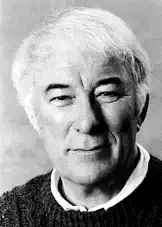
Seamus Heaney
Seamus Heaney foi um poeta, escritor e tradutor irlandês, laureado com o Prémio Nobel da Literatura em 1995. A sua poesia é conhecida pela sua ligação profunda à paisagem rural da Irlanda, pelas suas reflexões sobre a identidade, a memória e a violência, e pelo uso de uma linguagem rica e sensorial. Heaney explorou a experiência humana através de imagens tiradas do quotidiano rural, da história e da mitologia, criando uma obra que ressoa com temas universais de pertença, perda e transcendência. A sua voz poética é simultaneamente pessoal e coletiva, oferecendo uma perspetiva única sobre a condição humana.

Norman Talbot
Norman Talbot é um escritor, crítico literário e acadêmico australiano, conhecido por sua obra que abrange poesia, prosa e estudos acadêmicos. Seu trabalho frequentemente se aprofunda em temas de identidade, cultura e a relação entre a linguagem e a experiência. Ele é reconhecido por sua abordagem intelectualmente rigorosa e sua contribuição para a crítica literária na Austrália.

Ken Smith
Ken Smith é um poeta e romancista britânico, conhecido por sua obra que frequentemente transita entre o pessoal e o político, com uma linguagem incisiva e reflexiva. Sua escrita explora as complexidades da condição humana em face de desafios sociais e existenciais. Smith também se dedica ao ensino e à mentoria de jovens escritores, compartilhando sua vasta experiência e visão literária. Sua influência se estende pela promoção de uma literatura engajada e esteticamente rigorosa.

Ted Walker
Ted Walker foi um poeta inglês, conhecido por sua representação realista e muitas vezes sombria da vida na Grã-Bretanha pós-guerra. Sua obra se destaca pela linguagem direta e pela exploração de temas sociais e existenciais. Ele capturou a essência do cotidiano, as lutas da classe trabalhadora e a melancolia que permeava a sociedade de sua época, utilizando uma abordagem lírica e honesta.

Jenny Joseph
Jenny Joseph foi uma poeta inglesa celebrada por sua voz distintiva e pela exploração de temas como a liberdade, a rebeldia e a aceitação da vida em suas diversas facetas. Sua obra é frequentemente marcada por um tom direto, um senso de humor peculiar e uma profunda observação do cotidiano. Joseph é lembrada por poemas que capturam a essência de emoções complexas com simplicidade e força. Sua poesia convida o leitor a refletir sobre a natureza da identidade e a maneira como nos relacionamos com o mundo ao nosso redor.

Christopher Levenson
Christopher Levenson foi um poeta e tradutor britânico, conhecido por sua poesia lírica e reflexiva, que frequentemente explorava temas de memória, paisagem e a busca por significado. Sua obra é marcada por uma sensibilidade apurada e uma linguagem cuidada. Como tradutor, Levenson dedicou-se a tornar acessíveis obras de outros idiomas, contribuindo para o intercâmbio cultural. Sua carreira literária, embora talvez menos celebrada em vida, deixou um legado de versos ponderados e uma contribuição valiosa para a poesia em língua inglesa.