
Poems List
Explore poems from our collection
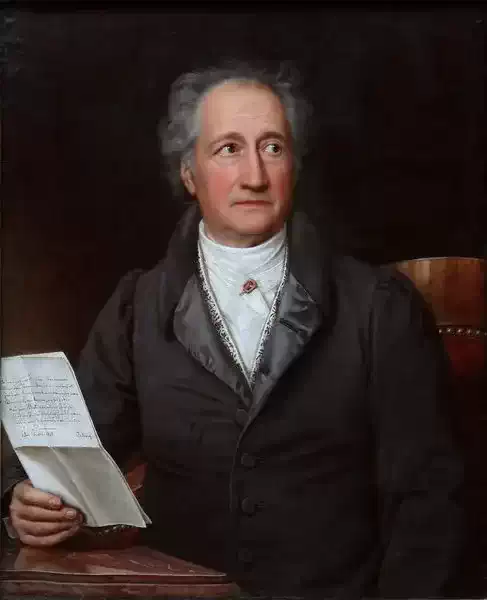
Johann Wolfgang von Goethe
Procemion
Procemion
IN His blest name, who was His own creation,
Who from all time makes making his vocation;
The name of Him who makes our faith so bright,
Love, confidence, activity, and might;
In that One's name, who, named though oft He be,
Unknown is ever in Reality:
As far as ear can reach, or eyesight dim,
Thou findest but the known resembling Him;
How high so'er thy fiery spirit hovers,
Its simile and type it straight discovers
Onward thou'rt drawn, with feelings light and gay,
Where'er thou goest, smiling is the way;
No more thou numbrest, reckonest no time,
Each step is infinite, each step sublime.
WHAT God would outwardly alone control,
And on his finger whirl the mighty Whole?
He loves the inner world to move, to view
Nature in Him, Himself in Nature too,
So that what in Him works, and is, and lives,
The measure of His strength, His spirit gives.
WITHIN us all a universe doth dwell;
And hence each people's usage laudable,
That ev'ry one the Best that meets his eyes
As God, yea e'en his God, doth recognise;
To Him both earth and heaven surrenders he,
Fears Him, and loves Him too, if that may be.
IN His blest name, who was His own creation,
Who from all time makes making his vocation;
The name of Him who makes our faith so bright,
Love, confidence, activity, and might;
In that One's name, who, named though oft He be,
Unknown is ever in Reality:
As far as ear can reach, or eyesight dim,
Thou findest but the known resembling Him;
How high so'er thy fiery spirit hovers,
Its simile and type it straight discovers
Onward thou'rt drawn, with feelings light and gay,
Where'er thou goest, smiling is the way;
No more thou numbrest, reckonest no time,
Each step is infinite, each step sublime.
WHAT God would outwardly alone control,
And on his finger whirl the mighty Whole?
He loves the inner world to move, to view
Nature in Him, Himself in Nature too,
So that what in Him works, and is, and lives,
The measure of His strength, His spirit gives.
WITHIN us all a universe doth dwell;
And hence each people's usage laudable,
That ev'ry one the Best that meets his eyes
As God, yea e'en his God, doth recognise;
To Him both earth and heaven surrenders he,
Fears Him, and loves Him too, if that may be.
449
Johann Wolfgang von Goethe
Presence
Presence
ALL things give token of thee!
As soon as the bright sun is shining,
Thou too wilt follow, I trust.
When in the garden thou walk'st,
Thou then art the rose of all roses,
Lily of lilies as well.
When thou dost move in the dance,
Then each constellation moves also;
With thee and round thee they move.
Night! oh, what bliss were the night!
For then thou o'ershadow'st the lustre,
Dazzling and fair, of the moon.
Dazzling and beauteous art thou,
And flowers, and moon, and the planets
Homage pay, Sun, but to thee.
Sun! to me also be thou
Creator of days bright and glorious;
Life and Eternity this!
ALL things give token of thee!
As soon as the bright sun is shining,
Thou too wilt follow, I trust.
When in the garden thou walk'st,
Thou then art the rose of all roses,
Lily of lilies as well.
When thou dost move in the dance,
Then each constellation moves also;
With thee and round thee they move.
Night! oh, what bliss were the night!
For then thou o'ershadow'st the lustre,
Dazzling and fair, of the moon.
Dazzling and beauteous art thou,
And flowers, and moon, and the planets
Homage pay, Sun, but to thee.
Sun! to me also be thou
Creator of days bright and glorious;
Life and Eternity this!
379
Johann Wolfgang von Goethe
Phoebus And Hermes
Phoebus And Hermes
DELOS' stately ruler, and Maia's son, the adroit one,
Warmly were striving, for both sought the great prize to obtain.
Hermes the lyre demanded, the lyre was claim'd by Apollo,
Yet were the hearts of the foes fruitlessly nourish'd by hope.
For on a sudden Ares burst in, with fury decisive,
Dashing in twain the gold toy, brandishing wildly his sword.
Hermes, malicious one, laughed beyond measure; yet deep-seated sorrow
Seized upon Phoebus's heart, seized on the heart of each Muse.
DELOS' stately ruler, and Maia's son, the adroit one,
Warmly were striving, for both sought the great prize to obtain.
Hermes the lyre demanded, the lyre was claim'd by Apollo,
Yet were the hearts of the foes fruitlessly nourish'd by hope.
For on a sudden Ares burst in, with fury decisive,
Dashing in twain the gold toy, brandishing wildly his sword.
Hermes, malicious one, laughed beyond measure; yet deep-seated sorrow
Seized upon Phoebus's heart, seized on the heart of each Muse.
364
Johann Wolfgang von Goethe
Poetry
Poetry
GOD to his untaught children sent
Law, order, knowledge, art, from high,
And ev'ry heav'nly favour lent,
The world's hard lot to qualify.
They knew not how they should behave,
For all from Heav'n stark-naked came;
But Poetry their garments gave,
And then not one had cause for shame.
GOD to his untaught children sent
Law, order, knowledge, art, from high,
And ev'ry heav'nly favour lent,
The world's hard lot to qualify.
They knew not how they should behave,
For all from Heav'n stark-naked came;
But Poetry their garments gave,
And then not one had cause for shame.
344
Johann Wolfgang von Goethe
Paulo Post Futuri
Paulo Post Futuri
WEEP ye not, ye children dear,
That as yet ye are unborn:
For each sorrow and each tear
Makes the father's heart to mourn.
Patient be a short time to it,
Unproduced, and known to none;
If your father cannot do it,
By your mother 'twill be done.
WEEP ye not, ye children dear,
That as yet ye are unborn:
For each sorrow and each tear
Makes the father's heart to mourn.
Patient be a short time to it,
Unproduced, and known to none;
If your father cannot do it,
By your mother 'twill be done.
296
Johann Wolfgang von Goethe
On The New Year
On The New Year
FATE now allows us,
'Twixt the departing
And the upstarting,
Happy to be;
And at the call of
Memory cherish'd,
Future and perish'd
Moments we see.
Seasons of anguish,--
Ah, they must ever
Truth from woe sever,
Love and joy part;
Days still more worthy
Soon will unite us,
Fairer songs light us,
Strength'ning the heart.
We, thus united,
Think of, with gladness,
Rapture and sadness,
Sorrow now flies.
Oh, how mysterious
Fortune's direction!
Old the connection,
New-born the prize!
Thank, for this, Fortune,
Wavering blindly!
Thank all that kindly
Fate may bestow!
Revel in change's
Impulses clearer,
Love far sincerer,
More heartfelt glow!
Over the old one,
Wrinkles collected,
Sad and dejected,
Others may view;
But, on us gently
Shineth a true one,
And to the new one
We, too, are new.
As a fond couple
'Midst the dance veering,
First disappearing,
Then reappear,
So let affection
Guide thro' life's mazy
Pathways so hazy
Into the year!
FATE now allows us,
'Twixt the departing
And the upstarting,
Happy to be;
And at the call of
Memory cherish'd,
Future and perish'd
Moments we see.
Seasons of anguish,--
Ah, they must ever
Truth from woe sever,
Love and joy part;
Days still more worthy
Soon will unite us,
Fairer songs light us,
Strength'ning the heart.
We, thus united,
Think of, with gladness,
Rapture and sadness,
Sorrow now flies.
Oh, how mysterious
Fortune's direction!
Old the connection,
New-born the prize!
Thank, for this, Fortune,
Wavering blindly!
Thank all that kindly
Fate may bestow!
Revel in change's
Impulses clearer,
Love far sincerer,
More heartfelt glow!
Over the old one,
Wrinkles collected,
Sad and dejected,
Others may view;
But, on us gently
Shineth a true one,
And to the new one
We, too, are new.
As a fond couple
'Midst the dance veering,
First disappearing,
Then reappear,
So let affection
Guide thro' life's mazy
Pathways so hazy
Into the year!
378
Johann Wolfgang von Goethe
On The Divan
On The Divan
HE who knows himself and others
Here will also see,
That the East and West, like brothers,
Parted ne'er shall be.
Thoughtfully to float for ever
'Tween two worlds, be man's endeavour!
So between the East and West
To revolve, be my behest!
HE who knows himself and others
Here will also see,
That the East and West, like brothers,
Parted ne'er shall be.
Thoughtfully to float for ever
'Tween two worlds, be man's endeavour!
So between the East and West
To revolve, be my behest!
307
Johann Wolfgang von Goethe
November Song
November Song
To the great archer--not to him
To meet whom flies the sun,
And who is wont his features dim
With clouds to overrun--
But to the boy be vow'd these rhymes,
Who 'mongst the roses plays,
Who hear us, and at proper times
To pierce fair hearts essays.
Through him the gloomy winter night,
Of yore so cold and drear,
Brings many a loved friend to our sight,
And many a woman dear.
Henceforward shall his image fair
Stand in yon starry skies,
And, ever mild and gracious there,
Alternate set and rise.
To the great archer--not to him
To meet whom flies the sun,
And who is wont his features dim
With clouds to overrun--
But to the boy be vow'd these rhymes,
Who 'mongst the roses plays,
Who hear us, and at proper times
To pierce fair hearts essays.
Through him the gloomy winter night,
Of yore so cold and drear,
Brings many a loved friend to our sight,
And many a woman dear.
Henceforward shall his image fair
Stand in yon starry skies,
And, ever mild and gracious there,
Alternate set and rise.
364
Johann Wolfgang von Goethe
Night Song
Night Song
WHEN on thy pillow lying,
Half listen, I implore,
And at my lute's soft sighing,
Sleep on! what wouldst thou more?
For at my lute's soft sighing
The stars their blessings pour
On feelings never-dying;
Sleep on! what wouldst thou more?
Those feelings never-dying
My spirit aid to soar
From earthly conflicts trying;
Sleep on! what wouldst thou more?
From earthly conflicts trying
Thou driv'st me to this shore;
Through thee I'm thither flying,--
Sleep on! what wouldst thou more?
Through thee I'm hither flying,
Thou wilt not list before
In slumbers thou art lying:
Sleep on! what wouldst thou more?
WHEN on thy pillow lying,
Half listen, I implore,
And at my lute's soft sighing,
Sleep on! what wouldst thou more?
For at my lute's soft sighing
The stars their blessings pour
On feelings never-dying;
Sleep on! what wouldst thou more?
Those feelings never-dying
My spirit aid to soar
From earthly conflicts trying;
Sleep on! what wouldst thou more?
From earthly conflicts trying
Thou driv'st me to this shore;
Through thee I'm thither flying,--
Sleep on! what wouldst thou more?
Through thee I'm hither flying,
Thou wilt not list before
In slumbers thou art lying:
Sleep on! what wouldst thou more?
456
Johann Wolfgang von Goethe
New Love, New Life
New Love, New Life
HEART! my heart! what means this feeling?
What oppresseth thee so sore?
What strange life is o'er me stealing!
I acknowledge thee no more.
Fled is all that gave thee gladness,
Fled the cause of all thy sadness,
Fled thy peace, thine industry-
Ah, why suffer it to be?
Say, do beauty's graces youthful,
Does this form so fair and bright,
Does this gaze, so kind, so truthful,
Chain thee with unceasing might?
Would I tear me from her boldly,
Courage take, and fly her coldly,
Back to her. I'm forthwith led
By the path I seek to tread.
By a thread I ne'er can sever,
For 'tis 'twined with magic skill,
Doth the cruel maid for ever
Hold me fast against my will.
While those magic chains confine me,
To her will I must resign me.
Ah, the change in truth is great!
Love! kind love! release me straight!
HEART! my heart! what means this feeling?
What oppresseth thee so sore?
What strange life is o'er me stealing!
I acknowledge thee no more.
Fled is all that gave thee gladness,
Fled the cause of all thy sadness,
Fled thy peace, thine industry-
Ah, why suffer it to be?
Say, do beauty's graces youthful,
Does this form so fair and bright,
Does this gaze, so kind, so truthful,
Chain thee with unceasing might?
Would I tear me from her boldly,
Courage take, and fly her coldly,
Back to her. I'm forthwith led
By the path I seek to tread.
By a thread I ne'er can sever,
For 'tis 'twined with magic skill,
Doth the cruel maid for ever
Hold me fast against my will.
While those magic chains confine me,
To her will I must resign me.
Ah, the change in truth is great!
Love! kind love! release me straight!
391
Johann Wolfgang von Goethe
Neither This Nor That
Neither This Nor That
IF thou to be a slave shouldst will,
Thou'lt get no pity, but fare ill;
And if a master thou wouldst be,
The world will view it angrily;
And if in status quo thou stay,
That thou art but a fool, they'll say.
IF thou to be a slave shouldst will,
Thou'lt get no pity, but fare ill;
And if a master thou wouldst be,
The world will view it angrily;
And if in status quo thou stay,
That thou art but a fool, they'll say.
373
Johann Wolfgang von Goethe
My Goddess
My Goddess
SAY, which Immortal
Merits the highest reward?
With none contend I,
But I will give it
To the aye-changing,
Ever-moving
Wondrous daughter of Jove.
His best-beloved offspring.
Sweet Phantasy.
For unto her
Hath he granted
All the fancies which erst
To none allow'd he
Saving himself;
Now he takes his pleasure
In the mad one.
She may, crowned with roses,
With staff twined round with lilies,
Roam thro' flow'ry valleys,
Rule the butterfly-people,
And soft-nourishing dew
With bee-like lips
Drink from the blossom:
Or else she may
With fluttering hair
And gloomy looks
Sigh in the wind
Round rocky cliffs,
And thousand-hued.
Like morn and even.
Ever changing,
Like moonbeam's light,
To mortals appear.
Let us all, then,
Adore the Father!
The old, the mighty,
Who such a beauteous
Ne'er-fading spouse
Deigns to accord
To perishing mortals!
To us alone
Doth he unite her,
With heavenly bonds,
While he commands her,
in joy and sorrow,
As a true spouse
Never to fly us.
All the remaining
Races so poor
Of life-teeming earth.
In children so rich.
Wander and feed
In vacant enjoyment,
And 'mid the dark sorrows
Of evanescent
Restricted life,Bow'd
by the heavy
Yoke of Necessity.
But unto us he
Hath his most versatile,
Most cherished daughter
Granted,-what joy!
Lovingly greet her
As a beloved one!
Give her the woman's
Place in our home!
And oh, may the aged
Stepmother Wisdom
Her gentle spirit
Ne'er seek to harm!
Yet know I her sister,
The older, sedater,
Mine own silent friend;
Oh, may she never,
Till life's lamp is quench'd,
Turn away from me,-
That noble inciter,
Comforter,-Hope!
SAY, which Immortal
Merits the highest reward?
With none contend I,
But I will give it
To the aye-changing,
Ever-moving
Wondrous daughter of Jove.
His best-beloved offspring.
Sweet Phantasy.
For unto her
Hath he granted
All the fancies which erst
To none allow'd he
Saving himself;
Now he takes his pleasure
In the mad one.
She may, crowned with roses,
With staff twined round with lilies,
Roam thro' flow'ry valleys,
Rule the butterfly-people,
And soft-nourishing dew
With bee-like lips
Drink from the blossom:
Or else she may
With fluttering hair
And gloomy looks
Sigh in the wind
Round rocky cliffs,
And thousand-hued.
Like morn and even.
Ever changing,
Like moonbeam's light,
To mortals appear.
Let us all, then,
Adore the Father!
The old, the mighty,
Who such a beauteous
Ne'er-fading spouse
Deigns to accord
To perishing mortals!
To us alone
Doth he unite her,
With heavenly bonds,
While he commands her,
in joy and sorrow,
As a true spouse
Never to fly us.
All the remaining
Races so poor
Of life-teeming earth.
In children so rich.
Wander and feed
In vacant enjoyment,
And 'mid the dark sorrows
Of evanescent
Restricted life,Bow'd
by the heavy
Yoke of Necessity.
But unto us he
Hath his most versatile,
Most cherished daughter
Granted,-what joy!
Lovingly greet her
As a beloved one!
Give her the woman's
Place in our home!
And oh, may the aged
Stepmother Wisdom
Her gentle spirit
Ne'er seek to harm!
Yet know I her sister,
The older, sedater,
Mine own silent friend;
Oh, may she never,
Till life's lamp is quench'd,
Turn away from me,-
That noble inciter,
Comforter,-Hope!
349
Johann Wolfgang von Goethe
Minstrel's Book - The Four Favours
Minstrel's Book - The Four Favours
THAT Arabs through the realms of space
May wander on, light-hearted,
Great Allah hath, to all their race,
Four favours meet imparted.
The turban first--that ornament
All regal crowns excelling;
A light and ever-shifting tent,
Wherein to make our dwelling;
A sword, which, more than rocks and walls
Doth shield us, brightly glistening;
A song that profits and enthrall,
For which the maids are list'ning!
THAT Arabs through the realms of space
May wander on, light-hearted,
Great Allah hath, to all their race,
Four favours meet imparted.
The turban first--that ornament
All regal crowns excelling;
A light and ever-shifting tent,
Wherein to make our dwelling;
A sword, which, more than rocks and walls
Doth shield us, brightly glistening;
A song that profits and enthrall,
For which the maids are list'ning!
307
Johann Wolfgang von Goethe
Morning Lament
Morning Lament
OH thou cruel deadly-lovely maiden,
Tell me what great sin have I committed,
That thou keep'st me to the rack thus fasten'd,
That thou hast thy solemn promise broken?
'Twas but yestere'en that thou with fondness
Press'd my hand, and these sweet accents murmured:
"Yes, I'll come, I'll come when morn approacheth,
Come, my friend, full surely to thy chamber."
On the latch I left my doors, unfasten'd,
Having first with care tried all the hinges,
And rejoic'd right well to find they creak'd not.
What a night of expectation pass'd I!
For I watch'd, and ev'ry chime I number'd;
If perchance I slept a few short moments,
Still my heart remain'd awake forever,
And awoke me from my gentle slumbers.
Yes, then bless'd I night's o'erhanging darkness,
That so calmly cover'd all things round me;
I enjoy'd the universal silence,
While I listen'd ever in the silence,
If perchance the slightest sounds were stirring.
"Had she only thoughts, my thoughts resembling,
Had she only feelings, like my feelings,
She would not await the dawn of morning.
But, ere this, would surely have been with me."
Skipp'd a kitten on the floor above me,
Scratch'd a mouse a panel in the corner,
Was there in the house the slightest motion,
Ever hoped I that I heard thy footstep,
Ever thought I that I heard thee coming.
And so lay I long, and ever longer,
And already was the daylight dawning,
And both here and there were signs of movement.
"Is it yon door? Were it my door only!"
In my bed I lean'd upon my elbow,
Looking tow'rd the door, now half-apparent,
If perchance it might not be in motion.
Both the wings upon the latch continued,
On the quiet hinges calmly hanging.
And the day grew bright and brighter ever;
And I heard my neighbour's door unbolted,
As he went to earn his daily wages,
And ere long I heard the waggons rumbling,
And the city gates were also open'd,
While the market-place, in ev'ry corner,
Teem'd with life and bustle and confusion.
In the house was going now and coming
Up and down the stairs, and doors were creaking
Backwards now, now forwards,--footsteps clatter'd
Yet, as though it were a thing all-living,
From my cherish'd hope I could not tear me.
When at length the sun, in hated splendour.
Fell upon my walls, upon my windows,
Up I sprang, and hasten'd to the garden,
There to blend my breath, so hot and yearning,
With the cool refreshing morning breezes,
And, it might be, even there to meet thee:
But I cannot find thee in the arbour,
Or the avenue of lofty lindens.
OH thou cruel deadly-lovely maiden,
Tell me what great sin have I committed,
That thou keep'st me to the rack thus fasten'd,
That thou hast thy solemn promise broken?
'Twas but yestere'en that thou with fondness
Press'd my hand, and these sweet accents murmured:
"Yes, I'll come, I'll come when morn approacheth,
Come, my friend, full surely to thy chamber."
On the latch I left my doors, unfasten'd,
Having first with care tried all the hinges,
And rejoic'd right well to find they creak'd not.
What a night of expectation pass'd I!
For I watch'd, and ev'ry chime I number'd;
If perchance I slept a few short moments,
Still my heart remain'd awake forever,
And awoke me from my gentle slumbers.
Yes, then bless'd I night's o'erhanging darkness,
That so calmly cover'd all things round me;
I enjoy'd the universal silence,
While I listen'd ever in the silence,
If perchance the slightest sounds were stirring.
"Had she only thoughts, my thoughts resembling,
Had she only feelings, like my feelings,
She would not await the dawn of morning.
But, ere this, would surely have been with me."
Skipp'd a kitten on the floor above me,
Scratch'd a mouse a panel in the corner,
Was there in the house the slightest motion,
Ever hoped I that I heard thy footstep,
Ever thought I that I heard thee coming.
And so lay I long, and ever longer,
And already was the daylight dawning,
And both here and there were signs of movement.
"Is it yon door? Were it my door only!"
In my bed I lean'd upon my elbow,
Looking tow'rd the door, now half-apparent,
If perchance it might not be in motion.
Both the wings upon the latch continued,
On the quiet hinges calmly hanging.
And the day grew bright and brighter ever;
And I heard my neighbour's door unbolted,
As he went to earn his daily wages,
And ere long I heard the waggons rumbling,
And the city gates were also open'd,
While the market-place, in ev'ry corner,
Teem'd with life and bustle and confusion.
In the house was going now and coming
Up and down the stairs, and doors were creaking
Backwards now, now forwards,--footsteps clatter'd
Yet, as though it were a thing all-living,
From my cherish'd hope I could not tear me.
When at length the sun, in hated splendour.
Fell upon my walls, upon my windows,
Up I sprang, and hasten'd to the garden,
There to blend my breath, so hot and yearning,
With the cool refreshing morning breezes,
And, it might be, even there to meet thee:
But I cannot find thee in the arbour,
Or the avenue of lofty lindens.
357
Johann Wolfgang von Goethe
Minstrel's Book - Song And Structure
Minstrel's Book - Song And Structure
LET the Greek his plastic clay
Mould in human fashion,
While his own creation may
Wake his glowing passion;
But it is our joy to court
Great Euphrates' torrent,
Here and there at will to sport
In the Wat'ry current.
Quench'd I thus my spirit's flame,
Songs had soon resounded;
Water drawn by bards whose fame
Pure is, may be rounded.
LET the Greek his plastic clay
Mould in human fashion,
While his own creation may
Wake his glowing passion;
But it is our joy to court
Great Euphrates' torrent,
Here and there at will to sport
In the Wat'ry current.
Quench'd I thus my spirit's flame,
Songs had soon resounded;
Water drawn by bards whose fame
Pure is, may be rounded.
278
Johann Wolfgang von Goethe
Mignon
Mignon
Do you know the land where the lemon-trees grow,
in darkened leaves the gold-oranges glow,
a soft wind blows from the pure blue sky,
the myrtle stands mute, and the bay-tree high?
Do you know it well?
It’s there I’d be gone,
to be there with you, O, my beloved one!
Do you know the house? It has columns and beams,
there are glittering rooms, the hallway gleams,
and figures of marble looking at me?
‘What have they done, child of misery?
Do you know it well?
It’s there I’d be gone,
to be there with you, O my true guardian!
Do you know the clouded mountain mass?
The mule picks its way through the misted pass,
and dragons in caves raise their ancient brood,
and the cliffs are polished smooth by the flood;
Do you know it well?
It’s there I would be gone!
It’s there our way leads! Father, we must go on!
Do you know the land where the lemon-trees grow,
in darkened leaves the gold-oranges glow,
a soft wind blows from the pure blue sky,
the myrtle stands mute, and the bay-tree high?
Do you know it well?
It’s there I’d be gone,
to be there with you, O, my beloved one!
Do you know the house? It has columns and beams,
there are glittering rooms, the hallway gleams,
and figures of marble looking at me?
‘What have they done, child of misery?
Do you know it well?
It’s there I’d be gone,
to be there with you, O my true guardian!
Do you know the clouded mountain mass?
The mule picks its way through the misted pass,
and dragons in caves raise their ancient brood,
and the cliffs are polished smooth by the flood;
Do you know it well?
It’s there I would be gone!
It’s there our way leads! Father, we must go on!
354
Johann Wolfgang von Goethe
May
May
LIGHT and silv'ry cloudlets hover
In the air, as yet scarce warm;
Mild, with glimmer soft tinged over,
Peeps the sun through fragrant balm.
Gently rolls and heaves the ocean
As its waves the bank o'erflow.
And with ever restless motion
Moves the verdure to and fro,
Mirror'd brightly far below.
What is now the foliage moving?
Air is still, and hush'd the breeze,
Sultriness, this fullness loving,
Through the thicket, from the trees.
Now the eye at once gleams brightly,
See! the infant band with mirth
Moves and dances nimbly, lightly,
As the morning gave it birth,
Flutt'ring two and two o'er earth.
LIGHT and silv'ry cloudlets hover
In the air, as yet scarce warm;
Mild, with glimmer soft tinged over,
Peeps the sun through fragrant balm.
Gently rolls and heaves the ocean
As its waves the bank o'erflow.
And with ever restless motion
Moves the verdure to and fro,
Mirror'd brightly far below.
What is now the foliage moving?
Air is still, and hush'd the breeze,
Sultriness, this fullness loving,
Through the thicket, from the trees.
Now the eye at once gleams brightly,
See! the infant band with mirth
Moves and dances nimbly, lightly,
As the morning gave it birth,
Flutt'ring two and two o'er earth.
302
Johann Wolfgang von Goethe
May Song II
May Song II
BETWEEN wheatfield and corn,
Between hedgerow and thorn,
Between pasture and tree,
Where's my sweetheart
Tell it me!
Sweetheart caught I
Not at home;
She's then, thought I.
Gone to roam.
Fair and loving
Blooms sweet May;
Sweetheart's roving,
Free and gay.
By the rock near the wave,
Where her first kiss she gave,
On the greensward, to me,--
Something I see!
Is it she?
BETWEEN wheatfield and corn,
Between hedgerow and thorn,
Between pasture and tree,
Where's my sweetheart
Tell it me!
Sweetheart caught I
Not at home;
She's then, thought I.
Gone to roam.
Fair and loving
Blooms sweet May;
Sweetheart's roving,
Free and gay.
By the rock near the wave,
Where her first kiss she gave,
On the greensward, to me,--
Something I see!
Is it she?
491
Johann Wolfgang von Goethe
Maiden Wishes
Maiden Wishes
WHAT pleasure to me
A bridegroom would be!
When married we are,
They call us mamma.
No need then to sew,
To school we ne'er go;
Command uncontroll'd,
Have maids, whom to scold;
Choose clothes at our ease,
Of what tradesmen we please;
Walk freely about,
And go to each rout,
And unrestrained are
By papa or mamma.
WHAT pleasure to me
A bridegroom would be!
When married we are,
They call us mamma.
No need then to sew,
To school we ne'er go;
Command uncontroll'd,
Have maids, whom to scold;
Choose clothes at our ease,
Of what tradesmen we please;
Walk freely about,
And go to each rout,
And unrestrained are
By papa or mamma.
330
Johann Wolfgang von Goethe
Love's Distresses
Love's Distresses
WHO will hear me? Whom shall I lament to?
Who would pity me that heard my sorrows?
Ah, the lip that erst so many raptures
Used to taste, and used to give responsive,
Now is cloven, and it pains me sorely;
And it is not thus severely wounded
By my mistress having caught me fiercely,
And then gently bitten me, intending
To secure her friend more firmly to her:
No, my tender lip is crack'd thus, only
By the winds, o'er rime and frost proceeding,
Pointed, sharp, unloving, having met me.
Now the noble grape's bright juice commingled
With the bee's sweet juice, upon the fire
Of my hearth, shall ease me of my torment.
Ah, what use will all this be, if with it
Love adds not a drop of his own balsam?
WHO will hear me? Whom shall I lament to?
Who would pity me that heard my sorrows?
Ah, the lip that erst so many raptures
Used to taste, and used to give responsive,
Now is cloven, and it pains me sorely;
And it is not thus severely wounded
By my mistress having caught me fiercely,
And then gently bitten me, intending
To secure her friend more firmly to her:
No, my tender lip is crack'd thus, only
By the winds, o'er rime and frost proceeding,
Pointed, sharp, unloving, having met me.
Now the noble grape's bright juice commingled
With the bee's sweet juice, upon the fire
Of my hearth, shall ease me of my torment.
Ah, what use will all this be, if with it
Love adds not a drop of his own balsam?
363
Johann Wolfgang von Goethe
Longing
Longing
WHAT pulls at my heart so?
What tells me to roam?
What drags me and lures me
From chamber and home?
How round the cliffs gather
The clouds high in air!
I fain would go thither,
I fain would be there!
The sociable flight
Of the ravens comes back;
I mingle amongst them,
And follow their track.
Round wall and round mountain
Together we fly;
She tarries below there,
I after her spy.
Then onward she wanders,
My flight I wing soon
To the wood fill'd with bushes,
A bird of sweet tune.
She tarries and hearkens,
And smiling, thinks she:
"How sweetly he's singing!
He's singing to me!"
The heights are illum'd
By the fast setting sun;
The pensive fair maiden
Looks thoughtfully on;
She roams by the streamlet,
O'er meadows she goes,
And darker and darker
The pathway fast grows.
I rise on a sudden,
A glimmering star;
"What glitters above me,
So near and so far?"
And when thou with wonder
Hast gazed on the light,
I fall down before thee,
Entranced by thy sight!
WHAT pulls at my heart so?
What tells me to roam?
What drags me and lures me
From chamber and home?
How round the cliffs gather
The clouds high in air!
I fain would go thither,
I fain would be there!
The sociable flight
Of the ravens comes back;
I mingle amongst them,
And follow their track.
Round wall and round mountain
Together we fly;
She tarries below there,
I after her spy.
Then onward she wanders,
My flight I wing soon
To the wood fill'd with bushes,
A bird of sweet tune.
She tarries and hearkens,
And smiling, thinks she:
"How sweetly he's singing!
He's singing to me!"
The heights are illum'd
By the fast setting sun;
The pensive fair maiden
Looks thoughtfully on;
She roams by the streamlet,
O'er meadows she goes,
And darker and darker
The pathway fast grows.
I rise on a sudden,
A glimmering star;
"What glitters above me,
So near and so far?"
And when thou with wonder
Hast gazed on the light,
I fall down before thee,
Entranced by thy sight!
317
Johann Wolfgang von Goethe
Love As A Landscape Painter
Love As A Landscape Painter
ON a rocky peak once sat I early,
Gazing on the mist with eyes unmoving;
Stretch'd out like a pall of greyish texture,
All things round, and all above it cover'd.
Suddenly a boy appear'd beside me,
Saying "Friend, what meanest thou by gazing
On the vacant pall with such composure?
Hast thou lost for evermore all pleasure
Both in painting cunningly, and forming?"
On the child I gazed, and thought in secret:
"Would the boy pretend to be a master?"
"Wouldst thou be for ever dull and idle,"
Said the boy, "no wisdom thou'lt attain to;
See, I'll straightway paint for thee a figure,--
How to paint a beauteous figure, show thee."
And he then extended his fore-finger,-(
Ruddy was it as a youthful rosebud)
Tow'rd the broad and far outstretching carpet,
And began to draw there with his finger.
First on high a radiant sun he painted,
Which upon mine eyes with splendour glisten'd,
And he made the clouds with golden border,
Through the clouds he let the sunbeams enter;
Painted then the soft and feathery summits
Of the fresh and quicken'd trees, behind them
One by one with freedom drew the mountains;
Underneath he left no lack of water,
But the river painted so like Nature,
That it seem'd to glitter in the sunbeams,
That it seem'd against its banks to murmur.
Ah, there blossom'd flowers beside the river,
And bright colours gleam'd upon the meadow,
Gold, and green, and purple, and enamell'd,
All like carbuncles and emeralds seeming!
Bright and clear he added then the heavens,
And the blue-tinged mountains far and farther,
So that I, as though newborn, enraptured
Gazed on, now the painter, now the picture.
Then spake he: "Although I have convinced thee
That this art I understand full surely,
Yet the hardest still is left to show thee."
Thereupon he traced, with pointed finger,
And with anxious care, upon the forest,
At the utmost verge, where the strong sunbeams
From the shining ground appear'd reflected,
Traced the figure of a lovely maiden,
Fair in form, and clad in graceful fashion,
Fresh the cheeks beneath her brown locks' ambush,
And the cheeks possess'd the selfsame colour
As the finger that had served to paint them.
"Oh thou boy!" exclaim'd I then, "what master
In his school received thee as his pupil,
Teaching thee so truthfully and quickly
Wisely to begin, and well to finish?"
Whilst I still was speaking, lo, a zephyr
Softly rose, and set the tree-tops moving,
Curling all the wavelets on the river,
And the perfect maiden's veil, too, fill'd it,
And to make my wonderment still greater,
Soon the maiden set her foot in motion.
On she came, approaching tow'rd the station
Where still sat I with my arch instructor.
As now all, yes, all thus moved together,--
Flowers, river, trees, the veil,--all moving,--
And the gentle foot of that most fair one,
Can ye think that on my rock I linger'd,
Like a rock, as though fast-chain'd and silent?
ON a rocky peak once sat I early,
Gazing on the mist with eyes unmoving;
Stretch'd out like a pall of greyish texture,
All things round, and all above it cover'd.
Suddenly a boy appear'd beside me,
Saying "Friend, what meanest thou by gazing
On the vacant pall with such composure?
Hast thou lost for evermore all pleasure
Both in painting cunningly, and forming?"
On the child I gazed, and thought in secret:
"Would the boy pretend to be a master?"
"Wouldst thou be for ever dull and idle,"
Said the boy, "no wisdom thou'lt attain to;
See, I'll straightway paint for thee a figure,--
How to paint a beauteous figure, show thee."
And he then extended his fore-finger,-(
Ruddy was it as a youthful rosebud)
Tow'rd the broad and far outstretching carpet,
And began to draw there with his finger.
First on high a radiant sun he painted,
Which upon mine eyes with splendour glisten'd,
And he made the clouds with golden border,
Through the clouds he let the sunbeams enter;
Painted then the soft and feathery summits
Of the fresh and quicken'd trees, behind them
One by one with freedom drew the mountains;
Underneath he left no lack of water,
But the river painted so like Nature,
That it seem'd to glitter in the sunbeams,
That it seem'd against its banks to murmur.
Ah, there blossom'd flowers beside the river,
And bright colours gleam'd upon the meadow,
Gold, and green, and purple, and enamell'd,
All like carbuncles and emeralds seeming!
Bright and clear he added then the heavens,
And the blue-tinged mountains far and farther,
So that I, as though newborn, enraptured
Gazed on, now the painter, now the picture.
Then spake he: "Although I have convinced thee
That this art I understand full surely,
Yet the hardest still is left to show thee."
Thereupon he traced, with pointed finger,
And with anxious care, upon the forest,
At the utmost verge, where the strong sunbeams
From the shining ground appear'd reflected,
Traced the figure of a lovely maiden,
Fair in form, and clad in graceful fashion,
Fresh the cheeks beneath her brown locks' ambush,
And the cheeks possess'd the selfsame colour
As the finger that had served to paint them.
"Oh thou boy!" exclaim'd I then, "what master
In his school received thee as his pupil,
Teaching thee so truthfully and quickly
Wisely to begin, and well to finish?"
Whilst I still was speaking, lo, a zephyr
Softly rose, and set the tree-tops moving,
Curling all the wavelets on the river,
And the perfect maiden's veil, too, fill'd it,
And to make my wonderment still greater,
Soon the maiden set her foot in motion.
On she came, approaching tow'rd the station
Where still sat I with my arch instructor.
As now all, yes, all thus moved together,--
Flowers, river, trees, the veil,--all moving,--
And the gentle foot of that most fair one,
Can ye think that on my rock I linger'd,
Like a rock, as though fast-chain'd and silent?
307
Johann Wolfgang von Goethe
Like And Like
Like And Like
A FAIR bell-flower
Sprang tip from the ground;
And early its fragrance
It shed all around;
A bee came thither
And sipp'd from its bell;
That they for each other
Were made, we see well.
A FAIR bell-flower
Sprang tip from the ground;
And early its fragrance
It shed all around;
A bee came thither
And sipp'd from its bell;
That they for each other
Were made, we see well.
360
Johann Wolfgang von Goethe
Lines On Seeing Schiller's Skull
Lines On Seeing Schiller's Skull
WITHIN a gloomy charnel-house one day
I view'd the countless skulls, so strangely mated,
And of old times I thought, that now were grey.
Close pack'd they stand, that once so fiercely hated,
And hardy bones, that to the death contended,
Are lying cross'd,--to lie for ever, fated.
What held those crooked shoulder-blades suspended?
No one now asks; and limbs with vigour fired,
The hand, the foot--their use in life is ended.
Vainly ye sought the tomb for rest when tired;
Peace in the grave may not be yours; ye're driven
Back into daylight by a force inspired;
But none can love the wither'd husk, though even
A glorious noble kernel it contained.
To me, an adept, was the writing given
Which not to all its holy sense explained,
When 'mid the crowd, their icy shadows flinging,
I saw a form, that glorious still remained.
And even there, where mould and damp were clinging,
Gave me a blest, a rapture-fraught emotion,
As though from death a living fount were springing.
What mystic joy I felt! What rapt devotion!
That form, how pregnant with a godlike trace!
A look, how did it whirl me tow'rd that ocean
Whose rolling billows mightier shapes embrace!
Mysterious vessel! Oracle how dear!
Even to grasp thee is my hand too base,
Except to steal thee from thy prison here
With pious purpose, and devoutly go
Back to the air, free thoughts, and sunlight clear.
What greater gain in life can man e'er know
Than when God-Nature will to him explain
How into Spirit steadfastness may flow,
How steadfast, too, the Spirit-Born remain.
WITHIN a gloomy charnel-house one day
I view'd the countless skulls, so strangely mated,
And of old times I thought, that now were grey.
Close pack'd they stand, that once so fiercely hated,
And hardy bones, that to the death contended,
Are lying cross'd,--to lie for ever, fated.
What held those crooked shoulder-blades suspended?
No one now asks; and limbs with vigour fired,
The hand, the foot--their use in life is ended.
Vainly ye sought the tomb for rest when tired;
Peace in the grave may not be yours; ye're driven
Back into daylight by a force inspired;
But none can love the wither'd husk, though even
A glorious noble kernel it contained.
To me, an adept, was the writing given
Which not to all its holy sense explained,
When 'mid the crowd, their icy shadows flinging,
I saw a form, that glorious still remained.
And even there, where mould and damp were clinging,
Gave me a blest, a rapture-fraught emotion,
As though from death a living fount were springing.
What mystic joy I felt! What rapt devotion!
That form, how pregnant with a godlike trace!
A look, how did it whirl me tow'rd that ocean
Whose rolling billows mightier shapes embrace!
Mysterious vessel! Oracle how dear!
Even to grasp thee is my hand too base,
Except to steal thee from thy prison here
With pious purpose, and devoutly go
Back to the air, free thoughts, and sunlight clear.
What greater gain in life can man e'er know
Than when God-Nature will to him explain
How into Spirit steadfastness may flow,
How steadfast, too, the Spirit-Born remain.
335