

Poems List
Explore poems from our collection
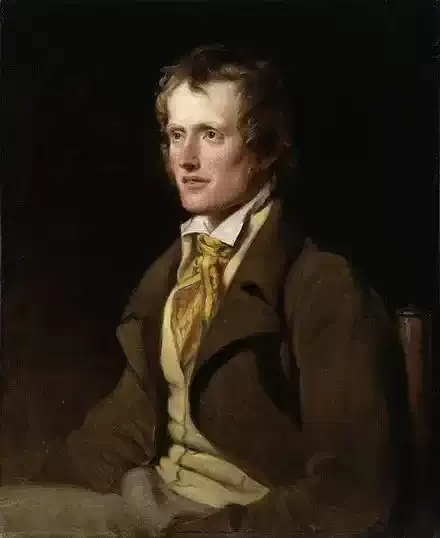
John Clare
Bonny Lassie O!
Bonny Lassie O!
O the evening's for the fair, bonny lassie O!
To meet the cooler air and walk an angel there,
With the dark dishevelled hair,
Bonny lassie O!
The bloom's on the brere, bonny lassie O!
Oak apples on the tree; and wilt thou gang to see
The shed I've made for thee,
Bonny lassie O!
Tis agen the running brook, bonny lassie O!
In a grassy nook hard by, with a little patch of sky,
And a bush to keep us dry,
Bonny lassie O!
There's the daisy all the year, bonny lassie O!
There's the king-cup bright as gold, and the speedwell never cold,
And the arum leaves unrolled,
Bonny lassie O!
O meet me at the shed, bonny lassie O!
With a woodbine peeping in, and the roses like thy skin
Blushing, thy praise to win,
Bonny lassie O!
I will meet thee there at e'en, bonny lassie O!
When the bee sips in the bean, and grey willow branches lean,
And the moonbeam looks between,
Bonny lassie O!
O the evening's for the fair, bonny lassie O!
To meet the cooler air and walk an angel there,
With the dark dishevelled hair,
Bonny lassie O!
The bloom's on the brere, bonny lassie O!
Oak apples on the tree; and wilt thou gang to see
The shed I've made for thee,
Bonny lassie O!
Tis agen the running brook, bonny lassie O!
In a grassy nook hard by, with a little patch of sky,
And a bush to keep us dry,
Bonny lassie O!
There's the daisy all the year, bonny lassie O!
There's the king-cup bright as gold, and the speedwell never cold,
And the arum leaves unrolled,
Bonny lassie O!
O meet me at the shed, bonny lassie O!
With a woodbine peeping in, and the roses like thy skin
Blushing, thy praise to win,
Bonny lassie O!
I will meet thee there at e'en, bonny lassie O!
When the bee sips in the bean, and grey willow branches lean,
And the moonbeam looks between,
Bonny lassie O!
367
John Clare
Bantry Bay
Bantry Bay
On the eighteenth of October we lay in Bantry Bay,
All ready to set sail, with a fresh and steady gale:
A fortnight and nine days we in the harbour lay,
And no breeze ever reached us or strained a single sail.
Three ships of war had we, and the great guns loaded all;
But our ships were dead and beaten that had never feared a foe.
The winds becalmed around us cared for no cannon ball;
They locked us in the harbour and would not let us go.
On the nineteenth of October, by eleven of the clock,
The sky turned black as midnight and a sudden storm came on--
Awful and sudden--and the cables felt the shock;
Our anchors they all broke away and every sheet was gone.
The guns fired off amid the strife, but little hope had we;
The billows broke above the ship and left us all below.
The crew with one consent cried 'Bear further out to sea,'
But the waves obeyed no sailor's call, and we knew not where to go.
She foundered on a rock, while we clambered up the shrouds,
And staggered like a mountain drunk, wedged in the waves almost.
The red hot boiling billows foamed in the stooping clouds,
And in that fatal tempest the whole ship's crew were lost.
Have pity for poor mariners, ye landsmen, in a storm.
O think what they endure at sea while safe at home you stay.
All ye that sleep on beds at night in houses dry and warm,
O think upon the whole ship's crew, all lost at Bantry Bay.
On the eighteenth of October we lay in Bantry Bay,
All ready to set sail, with a fresh and steady gale:
A fortnight and nine days we in the harbour lay,
And no breeze ever reached us or strained a single sail.
Three ships of war had we, and the great guns loaded all;
But our ships were dead and beaten that had never feared a foe.
The winds becalmed around us cared for no cannon ball;
They locked us in the harbour and would not let us go.
On the nineteenth of October, by eleven of the clock,
The sky turned black as midnight and a sudden storm came on--
Awful and sudden--and the cables felt the shock;
Our anchors they all broke away and every sheet was gone.
The guns fired off amid the strife, but little hope had we;
The billows broke above the ship and left us all below.
The crew with one consent cried 'Bear further out to sea,'
But the waves obeyed no sailor's call, and we knew not where to go.
She foundered on a rock, while we clambered up the shrouds,
And staggered like a mountain drunk, wedged in the waves almost.
The red hot boiling billows foamed in the stooping clouds,
And in that fatal tempest the whole ship's crew were lost.
Have pity for poor mariners, ye landsmen, in a storm.
O think what they endure at sea while safe at home you stay.
All ye that sleep on beds at night in houses dry and warm,
O think upon the whole ship's crew, all lost at Bantry Bay.
385
John Clare
Autumn
Autumn
The thistledown's flying, though the winds are all still,
On the green grass now lying, now mounting the hill,
The spring from the fountain now boils like a pot;
Through stones past the counting it bubbles red-hot.
The ground parched and cracked is like overbaked bread,
The greensward all wracked is, bents dried up and dead.
The fallow fields glitter like water indeed,
And gossamers twitter, flung from weed unto weed.
Hill-tops like hot iron glitter bright in the sun,
And the rivers we're eying burn to gold as they run;
Burning hot is the ground, liquid gold is the air;
Whoever looks round sees Eternity there.
The thistledown's flying, though the winds are all still,
On the green grass now lying, now mounting the hill,
The spring from the fountain now boils like a pot;
Through stones past the counting it bubbles red-hot.
The ground parched and cracked is like overbaked bread,
The greensward all wracked is, bents dried up and dead.
The fallow fields glitter like water indeed,
And gossamers twitter, flung from weed unto weed.
Hill-tops like hot iron glitter bright in the sun,
And the rivers we're eying burn to gold as they run;
Burning hot is the ground, liquid gold is the air;
Whoever looks round sees Eternity there.
426
John Clare
Badger
Badger
The badger grunting on his woodland track
With shaggy hide and sharp nose scrowed with black
Roots in the bushes and the woods, and makes
A great high burrow in the ferns and brakes.
With nose on ground he runs an awkward pace,
And anything will beat him in the race.
The shepherd's dog will run him to his den
Followed and hooted by the dogs and men.
The woodman when the hunting comes about
Goes round at night to stop the foxes out
And hurrying through the bushes to the chin
Breaks the old holes, and tumbles headlong in.
When midnight comes a host of dogs and men
Go out and track the badger to his den,
And put a sack within the hole, and lie
Till the old grunting badger passes bye.
He comes and hears—they let the strongest loose.
The old fox hears the noise and drops the goose.
The poacher shoots and hurries from the cry,
And the old hare half wounded buzzes bye.
They get a forked stick to bear him down
And clap the dogs and take him to the town,
And bait him all the day with many dogs,
And laugh and shout and fright the scampering hogs.
He runs along and bites at all he meets:
They shout and hollo down the noisy streets.
He turns about to face the loud uproar
And drives the rebels to their very door.
The frequent stone is hurled where e'er they go;
When badgers fight, then every one's a foe.
The dogs are clapt and urged to join the fray;
The badger turns and drives them all away.
Though scarcely half as big, demure and small,
He fights with dogs for bones and beats them all.
The heavy mastiff, savage in the fray,
Lies down and licks his feet and turns away.
The bulldog knows his match and waxes cold,
The badger grins and never leaves his hold.
He drives the crowd and follows at their heels
And bites them through—the drunkard swears and reels.
The frighted women take the boys away,
The blackguard laughs and hurries on the fray.
He tries to reach the woods, an awkward race,
But sticks and cudgels quickly stop the chase.
He turns again and drives the noisy crowd
And beats the many dogs in noises loud.
He drives away and beats them every one,
And then they loose them all and set them on.
He falls as dead and kicked by boys and men,
Then starts and grins and drives the crowd again;
Till kicked and torn and beaten out he lies
And leaves his hold and cackles, groans, and dies.
Some keep a baited badger tame as hog
And tame him till he follows like the dog.
They urge him on like dogs and show fair play.
He beats and scarcely wounded goes away.
Lapt up as if asleep, he scorns to fly
And seizes any dog that ventures nigh.
Clapt like a dog, he never bites the men
But worries dogs and hurries to his den.
They let him out and turn a harrow down
And there he fights the host of all the town.
He licks the patting hand, and tries to play
And never tries to bite or run away,
And runs away from the noise in hollow trees
Burnt by the boys to get a swarm of bees.
The badger grunting on his woodland track
With shaggy hide and sharp nose scrowed with black
Roots in the bushes and the woods, and makes
A great high burrow in the ferns and brakes.
With nose on ground he runs an awkward pace,
And anything will beat him in the race.
The shepherd's dog will run him to his den
Followed and hooted by the dogs and men.
The woodman when the hunting comes about
Goes round at night to stop the foxes out
And hurrying through the bushes to the chin
Breaks the old holes, and tumbles headlong in.
When midnight comes a host of dogs and men
Go out and track the badger to his den,
And put a sack within the hole, and lie
Till the old grunting badger passes bye.
He comes and hears—they let the strongest loose.
The old fox hears the noise and drops the goose.
The poacher shoots and hurries from the cry,
And the old hare half wounded buzzes bye.
They get a forked stick to bear him down
And clap the dogs and take him to the town,
And bait him all the day with many dogs,
And laugh and shout and fright the scampering hogs.
He runs along and bites at all he meets:
They shout and hollo down the noisy streets.
He turns about to face the loud uproar
And drives the rebels to their very door.
The frequent stone is hurled where e'er they go;
When badgers fight, then every one's a foe.
The dogs are clapt and urged to join the fray;
The badger turns and drives them all away.
Though scarcely half as big, demure and small,
He fights with dogs for bones and beats them all.
The heavy mastiff, savage in the fray,
Lies down and licks his feet and turns away.
The bulldog knows his match and waxes cold,
The badger grins and never leaves his hold.
He drives the crowd and follows at their heels
And bites them through—the drunkard swears and reels.
The frighted women take the boys away,
The blackguard laughs and hurries on the fray.
He tries to reach the woods, an awkward race,
But sticks and cudgels quickly stop the chase.
He turns again and drives the noisy crowd
And beats the many dogs in noises loud.
He drives away and beats them every one,
And then they loose them all and set them on.
He falls as dead and kicked by boys and men,
Then starts and grins and drives the crowd again;
Till kicked and torn and beaten out he lies
And leaves his hold and cackles, groans, and dies.
Some keep a baited badger tame as hog
And tame him till he follows like the dog.
They urge him on like dogs and show fair play.
He beats and scarcely wounded goes away.
Lapt up as if asleep, he scorns to fly
And seizes any dog that ventures nigh.
Clapt like a dog, he never bites the men
But worries dogs and hurries to his den.
They let him out and turn a harrow down
And there he fights the host of all the town.
He licks the patting hand, and tries to play
And never tries to bite or run away,
And runs away from the noise in hollow trees
Burnt by the boys to get a swarm of bees.
432
John Clare
A World For Love
A World For Love
Oh, the world is all too rude for thee, with much ado and care;
Oh, this world is but a rude world, and hurts a thing so fair;
Was there a nook in which the world had never been to sear,
That place would prove a paradise when thou and Love were near.
And there to pluck the blackberry, and there to reach the sloe,
How joyously and happily would Love thy partner go;
Then rest when weary on a bank, where not a grassy blade
Had eer been bent by Trouble's feet, and Love thy pillow made.
For Summer would be ever green, though sloes were in their prime,
And Winter smile his frowns to Spring, in beauty's happy clime;
And months would come, and months would go, and all in sunny mood,
And everything inspired by thee grow beautifully good.
And there to make a cot unknown to any care and pain,
And there to shut the door alone on singing wind and rain--
Far, far away from all the world, more rude than rain or wind,
Oh, who could wish a sweeter home, or better place to find?
Than thus to love and live with thee, thou beautiful delight!
Than thus to live and love with thee the summer day and night!
The Earth itself, where thou hadst rest, would surely smile to see
Herself grow Eden once again, possest of Love and thee
Oh, the world is all too rude for thee, with much ado and care;
Oh, this world is but a rude world, and hurts a thing so fair;
Was there a nook in which the world had never been to sear,
That place would prove a paradise when thou and Love were near.
And there to pluck the blackberry, and there to reach the sloe,
How joyously and happily would Love thy partner go;
Then rest when weary on a bank, where not a grassy blade
Had eer been bent by Trouble's feet, and Love thy pillow made.
For Summer would be ever green, though sloes were in their prime,
And Winter smile his frowns to Spring, in beauty's happy clime;
And months would come, and months would go, and all in sunny mood,
And everything inspired by thee grow beautifully good.
And there to make a cot unknown to any care and pain,
And there to shut the door alone on singing wind and rain--
Far, far away from all the world, more rude than rain or wind,
Oh, who could wish a sweeter home, or better place to find?
Than thus to love and live with thee, thou beautiful delight!
Than thus to live and love with thee the summer day and night!
The Earth itself, where thou hadst rest, would surely smile to see
Herself grow Eden once again, possest of Love and thee
393
John Clare
An Invite, to Eternity
An Invite, to Eternity
Wilt thou go with me, sweet maid,
Say, maiden, wilt thou go with me
Through the valley-depths of shade,
Of night and dark obscurity;
Where the path has lost its way,
Where the sun forgets the day,
Where there's nor life nor light to see,
Sweet maiden, wilt thou go with me!
Where stones will turn to flooding streams,
Where plains will rise like ocean waves,
Where life will fade like visioned dreams
And mountains darken into caves,
Say, maiden, wilt thou go with me
Through this sad non-identity,
Where parents live and are forgot,
And sisters live and know us not!
Say, maiden; wilt thou go with me
In this strange death of life to be,
To live in death and be the same,
Without this life or home or name,
At once to be and not to be -
That was and is not -yet to see
Things pass like shadows, and the sky
Above, below, around us lie?
Wilt thou go with me, sweet maid,
Say, maiden, wilt thou go with me
Through the valley-depths of shade,
Of night and dark obscurity;
Where the path has lost its way,
Where the sun forgets the day,
Where there's nor life nor light to see,
Sweet maiden, wilt thou go with me!
Where stones will turn to flooding streams,
Where plains will rise like ocean waves,
Where life will fade like visioned dreams
And mountains darken into caves,
Say, maiden, wilt thou go with me
Through this sad non-identity,
Where parents live and are forgot,
And sisters live and know us not!
Say, maiden; wilt thou go with me
In this strange death of life to be,
To live in death and be the same,
Without this life or home or name,
At once to be and not to be -
That was and is not -yet to see
Things pass like shadows, and the sky
Above, below, around us lie?
384
John Clare
A vision
A vision
I lost the love of heaven above,
I spurned the lust of earth below,
I felt the sweets of fancied love
And hell itself my only foe.
I lost earth's joys but felt the glow
Of heaven's flame abound in me
Till loveliness and I did grow
The bard of immortality.
I loved but woman fell away
I hid me from her faded fame,
I snatched the sun's eternal ray
And wrote till earth was but a name
In every language upon earth,
On every shore, o'er every sea,
I give my name immortal birth
And kept my spirit with the free.
I lost the love of heaven above,
I spurned the lust of earth below,
I felt the sweets of fancied love
And hell itself my only foe.
I lost earth's joys but felt the glow
Of heaven's flame abound in me
Till loveliness and I did grow
The bard of immortality.
I loved but woman fell away
I hid me from her faded fame,
I snatched the sun's eternal ray
And wrote till earth was but a name
In every language upon earth,
On every shore, o'er every sea,
I give my name immortal birth
And kept my spirit with the free.
476
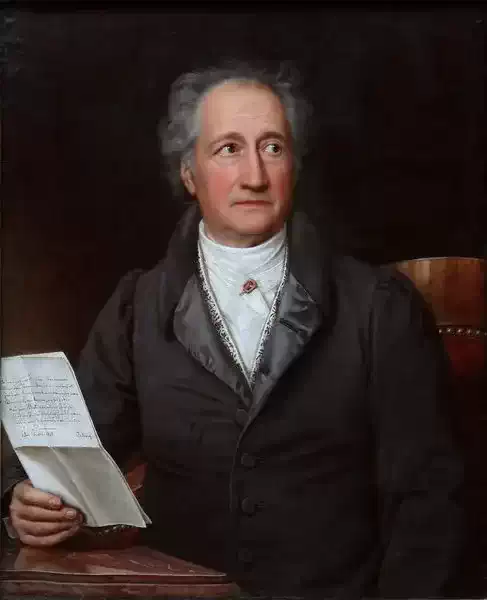
Johann Wolfgang von Goethe
With A Painted Ribbon
With A Painted Ribbon
LITTLE leaves and flow'rets too,
Scatter we with gentle hand,
Kind young spring-gods to the view,
Sporting on an airy band.
Zephyr, bear it on the wing,
Twine it round my loved one's dress;
To her glass then let her spring,
Full of eager joyousness.
Roses round her let her see,
She herself a youthful rose.
Grant, dear life, one look to me!
'Twill repay me all my woes,
What this bosom feels, feel thou.
Freely offer me thy hand;
Let the band that joins us now
Be no fragile rosy band!
LITTLE leaves and flow'rets too,
Scatter we with gentle hand,
Kind young spring-gods to the view,
Sporting on an airy band.
Zephyr, bear it on the wing,
Twine it round my loved one's dress;
To her glass then let her spring,
Full of eager joyousness.
Roses round her let her see,
She herself a youthful rose.
Grant, dear life, one look to me!
'Twill repay me all my woes,
What this bosom feels, feel thou.
Freely offer me thy hand;
Let the band that joins us now
Be no fragile rosy band!
413
Johann Wolfgang von Goethe
Winter Journey Over The Hartz Mountain
Winter Journey Over The Hartz Mountain
LIKE the vulture
Who on heavy morning clouds
With gentle wing reposing
Looks for his prey,--
Hover, my song!
For a God hath
Unto each prescribed
His destined path,
Which the happy one
Runs o'er swiftly
To his glad goal:
He whose heart cruel
Fate hath contracted,
Struggles but vainly
Against all the barriers
The brazen thread raises,
But which the harsh shears
Must one day sever.
Through gloomy thickets
Presseth the wild deer on,
And with the sparrows
Long have the wealthy
Settled themselves in the marsh.
Easy 'tis following the chariot
That by Fortune is driven,
Like the baggage that moves
Over well-mended highways
After the train of a prince.
But who stands there apart?
In the thicket, lost is his path;
Behind him the bushes
Are closing together,
The grass springs up again,
The desert engulphs him.
Ah, who'll heal his afflictions,
To whom balsam was poison,
Who, from love's fullness,
Drank in misanthropy only?
First despised, and now a despiser,
He, in secret, wasteth
All that he is worth,
In a selfishness vain.
If there be, on thy psaltery,
Father of Love, but one tone
That to his ear may be pleasing,
Oh, then, quicken his heart!
Clear his cloud-enveloped eyes
Over the thousand fountains
Close by the thirsty one
In the desert.
Thou who createst much joy,
For each a measure o'erflowing,
Bless the sons of the chase
When on the track of the prey,
With a wild thirsting for blood,
Youthful and joyous
Avenging late the injustice
Which the peasant resisted
Vainly for years with his staff.
But the lonely one veil
Within thy gold clouds!
Surround with winter-green,
Until the roses bloom again,
The humid locks,
Oh Love, of thy minstrel!
With thy glimmering torch
Lightest thou him
Through the fords when 'tis night,
Over bottomless places
On desert-like plains;
With the thousand colours of morning
Gladd'nest his bosom;
With the fierce-biting storm
Bearest him proudly on high;
Winter torrents rush from the cliffs,--
Blend with his psalms;
An altar of grateful delight
He finds in the much-dreaded mountain's
Snow-begirded summit,
Which foreboding nations
Crown'd with spirit-dances.
Thou stand'st with breast inscrutable,
Mysteriously disclosed,
High o'er the wondering world,
And look'st from clouds
Upon its realms and its majesty,
Which thou from the veins of thy brethren
Near thee dost water.
LIKE the vulture
Who on heavy morning clouds
With gentle wing reposing
Looks for his prey,--
Hover, my song!
For a God hath
Unto each prescribed
His destined path,
Which the happy one
Runs o'er swiftly
To his glad goal:
He whose heart cruel
Fate hath contracted,
Struggles but vainly
Against all the barriers
The brazen thread raises,
But which the harsh shears
Must one day sever.
Through gloomy thickets
Presseth the wild deer on,
And with the sparrows
Long have the wealthy
Settled themselves in the marsh.
Easy 'tis following the chariot
That by Fortune is driven,
Like the baggage that moves
Over well-mended highways
After the train of a prince.
But who stands there apart?
In the thicket, lost is his path;
Behind him the bushes
Are closing together,
The grass springs up again,
The desert engulphs him.
Ah, who'll heal his afflictions,
To whom balsam was poison,
Who, from love's fullness,
Drank in misanthropy only?
First despised, and now a despiser,
He, in secret, wasteth
All that he is worth,
In a selfishness vain.
If there be, on thy psaltery,
Father of Love, but one tone
That to his ear may be pleasing,
Oh, then, quicken his heart!
Clear his cloud-enveloped eyes
Over the thousand fountains
Close by the thirsty one
In the desert.
Thou who createst much joy,
For each a measure o'erflowing,
Bless the sons of the chase
When on the track of the prey,
With a wild thirsting for blood,
Youthful and joyous
Avenging late the injustice
Which the peasant resisted
Vainly for years with his staff.
But the lonely one veil
Within thy gold clouds!
Surround with winter-green,
Until the roses bloom again,
The humid locks,
Oh Love, of thy minstrel!
With thy glimmering torch
Lightest thou him
Through the fords when 'tis night,
Over bottomless places
On desert-like plains;
With the thousand colours of morning
Gladd'nest his bosom;
With the fierce-biting storm
Bearest him proudly on high;
Winter torrents rush from the cliffs,--
Blend with his psalms;
An altar of grateful delight
He finds in the much-dreaded mountain's
Snow-begirded summit,
Which foreboding nations
Crown'd with spirit-dances.
Thou stand'st with breast inscrutable,
Mysteriously disclosed,
High o'er the wondering world,
And look'st from clouds
Upon its realms and its majesty,
Which thou from the veins of thy brethren
Near thee dost water.
377
Johann Wolfgang von Goethe
When The Fox Dies, His Skin Counts
When The Fox Dies, His Skin Counts
WE young people in the shade
Sat one sultry day;
Cupid came, and "Dies the Fox"
With us sought to play.
Each one of my friends then sat
By his mistress dear;
Cupid, blowing out the torch,
Said: "The taper's here!"
Then we quickly sent around
The expiring brand;
Each one put it hastily
ln his neighbour's hand.
Dorilis then gave it me,
With a scoffing jest;
Sudden into flame it broke,
By my fingers press'd.
And it singed my eyes and face,
Set my breast on fire;
Then above my head the blaze
Mounted ever higher.
Vain I sought to put it out;
Ever burned the flame;
Stead of dying, soon the Fox
Livelier still became.
WE young people in the shade
Sat one sultry day;
Cupid came, and "Dies the Fox"
With us sought to play.
Each one of my friends then sat
By his mistress dear;
Cupid, blowing out the torch,
Said: "The taper's here!"
Then we quickly sent around
The expiring brand;
Each one put it hastily
ln his neighbour's hand.
Dorilis then gave it me,
With a scoffing jest;
Sudden into flame it broke,
By my fingers press'd.
And it singed my eyes and face,
Set my breast on fire;
Then above my head the blaze
Mounted ever higher.
Vain I sought to put it out;
Ever burned the flame;
Stead of dying, soon the Fox
Livelier still became.
303
Johann Wolfgang von Goethe
Wedding Night
Wedding Night
Far from the feasting, in the bedroom
Sits loyal Amor and quakes with dread:
What if the guests become too zestful,
Break the peace of the bridal bed?
A mystical and holy shimmer
Flows from his pale flames of gold;
For you both a whirl of incense
Readies pleasures manifold.
How throbs your heart as chiming timepiece
Chases noisy guests away;
Any moment, lips you burn for
Nought will utter, nought gainsay.
You hasten with her to the temple,
There to consummate your bliss;
The guardian holds aloft his flambeau,
Still and small as a taper is.
How she trembles with your kisses,
Bosom, lips, and cheeks, and brow:
His severities are shivers,
Your derring-do is duty now.
Quick, Amor helps you undress her,
He has half your enterprise;
Roguish, then, but also modest,
He'll be closing both his eyes.
Far from the feasting, in the bedroom
Sits loyal Amor and quakes with dread:
What if the guests become too zestful,
Break the peace of the bridal bed?
A mystical and holy shimmer
Flows from his pale flames of gold;
For you both a whirl of incense
Readies pleasures manifold.
How throbs your heart as chiming timepiece
Chases noisy guests away;
Any moment, lips you burn for
Nought will utter, nought gainsay.
You hasten with her to the temple,
There to consummate your bliss;
The guardian holds aloft his flambeau,
Still and small as a taper is.
How she trembles with your kisses,
Bosom, lips, and cheeks, and brow:
His severities are shivers,
Your derring-do is duty now.
Quick, Amor helps you undress her,
He has half your enterprise;
Roguish, then, but also modest,
He'll be closing both his eyes.
425
Johann Wolfgang von Goethe
Welcome And Farewell
Welcome And Farewell
QUICK throbb'd my heart: to norse! haste, haste,
And lo! 'twas done with speed of light;
The evening soon the world embraced,
And o'er the mountains hung the night.
Soon stood, in robe of mist, the oak,
A tow'ring giant in his size,
Where darkness through the thicket broke,
And glared with hundred gloomy eyes.
From out a hill of clouds the moon
With mournful gaze began to peer:
The winds their soft wings flutter'd soon,
And murmur'd in mine awe-struck ear;
The night a thousand monsters made,
Yet fresh and joyous was my mind;
What fire within my veins then play'd!
What glow was in my bosom shrin'd!
I saw thee, and with tender pride
Felt thy sweet gaze pour joy on me;
While all my heart was at thy side.
And every breath I breath'd for thee.
The roseate hues that spring supplies
Were playing round thy features fair,
And love for me--ye Deities!
I hoped it, I deserved it ne'er!
But, when the morning sun return'd,
Departure filled with grief my heart:
Within thy kiss, what rapture burn'd!
But in thy look, what bitter smart!
I went--thy gaze to earth first roved
Thou follow'dst me with tearful eye:
And yet, what rapture to be loved!
And, Gods, to love--what ecstasy!
QUICK throbb'd my heart: to norse! haste, haste,
And lo! 'twas done with speed of light;
The evening soon the world embraced,
And o'er the mountains hung the night.
Soon stood, in robe of mist, the oak,
A tow'ring giant in his size,
Where darkness through the thicket broke,
And glared with hundred gloomy eyes.
From out a hill of clouds the moon
With mournful gaze began to peer:
The winds their soft wings flutter'd soon,
And murmur'd in mine awe-struck ear;
The night a thousand monsters made,
Yet fresh and joyous was my mind;
What fire within my veins then play'd!
What glow was in my bosom shrin'd!
I saw thee, and with tender pride
Felt thy sweet gaze pour joy on me;
While all my heart was at thy side.
And every breath I breath'd for thee.
The roseate hues that spring supplies
Were playing round thy features fair,
And love for me--ye Deities!
I hoped it, I deserved it ne'er!
But, when the morning sun return'd,
Departure filled with grief my heart:
Within thy kiss, what rapture burn'd!
But in thy look, what bitter smart!
I went--thy gaze to earth first roved
Thou follow'dst me with tearful eye:
And yet, what rapture to be loved!
And, Gods, to love--what ecstasy!
568
Johann Wolfgang von Goethe
Valediction
Valediction
I ONCE was fond of fools,
And bid them come each day;
Then each one brought his tools
The carpenter to play;
The roof to strip first choosing,
Another to supply,
The wood as trestles using,
To move it by-and-by,
While here and there they ran,
And knock'd against each other;
To fret I soon began,
My anger could not smother,
So cried, "Get out, ye fools!"
At this they were offended
Then each one took his tools,
And so our friendship ended.
Since that, I've wiser been,
And sit beside my door;
When one of them is seen,
I cry, "Appear no more!"
"Hence, stupid knave!" I bellow:
At this he's angry too:
"You impudent old fellow!
And pray, sir, who are you?
Along the streets we riot,
And revel at the fair;
But yet we're pretty quiet,
And folks revile us ne'er.
Don't call us names, then, please!"--
At length I meet with ease,
For now they leave my door-
'Tis better than before!
I ONCE was fond of fools,
And bid them come each day;
Then each one brought his tools
The carpenter to play;
The roof to strip first choosing,
Another to supply,
The wood as trestles using,
To move it by-and-by,
While here and there they ran,
And knock'd against each other;
To fret I soon began,
My anger could not smother,
So cried, "Get out, ye fools!"
At this they were offended
Then each one took his tools,
And so our friendship ended.
Since that, I've wiser been,
And sit beside my door;
When one of them is seen,
I cry, "Appear no more!"
"Hence, stupid knave!" I bellow:
At this he's angry too:
"You impudent old fellow!
And pray, sir, who are you?
Along the streets we riot,
And revel at the fair;
But yet we're pretty quiet,
And folks revile us ne'er.
Don't call us names, then, please!"--
At length I meet with ease,
For now they leave my door-
'Tis better than before!
360
Johann Wolfgang von Goethe
Venetian Epigrams I
Venetian Epigrams I
Sarcophagi, urns, were all covered with lifelike scenes,
fauns dancing with girls from a Bacchanalian choir,
paired-off, goat-footed creatures puffing their cheeks,
forcing ear-splitting notes from the blaring horns.
Cymbals and drumbeats, the marble is seen and is heard.
How delightful the fruit in the beaks of fluttering birds!
No startling noise can scare them, or scare away love,
Amor, whose torch waves more gladly in this happy throng.
So fullness overcomes death, and the ashes within
seem still, in their silent house, to feel love’s delight.
So may the Poet’s sarcophagus be adorned,
with this book the writer has filled with the beauty of life.
Sarcophagi, urns, were all covered with lifelike scenes,
fauns dancing with girls from a Bacchanalian choir,
paired-off, goat-footed creatures puffing their cheeks,
forcing ear-splitting notes from the blaring horns.
Cymbals and drumbeats, the marble is seen and is heard.
How delightful the fruit in the beaks of fluttering birds!
No startling noise can scare them, or scare away love,
Amor, whose torch waves more gladly in this happy throng.
So fullness overcomes death, and the ashes within
seem still, in their silent house, to feel love’s delight.
So may the Poet’s sarcophagus be adorned,
with this book the writer has filled with the beauty of life.
404
Johann Wolfgang von Goethe
Trilogy Of Passion 03 Atonement
Trilogy Of Passion 03 Atonement
PASSION brings reason--who can pacify
An anguish'd heart whose loss hath been so great?
Where are the hours that fled so swiftly by?
In vain the fairest thou didst gain from fate;
Sad is the soul, confused the enterprise;
The glorious world, how on the sense it dies!
In million tones entwined for evermore,
Music with angel-pinions hovers there,
To pierce man's being to its inmost core,
Eternal beauty has its fruit to bear;
The eye grows moist, in yearnings blest reveres
The godlike worth of music as of tears.
And so the lighten'd heart soon learns to see
That it still lives, and beats, and ought to beat,
Off'ring itself with joy and willingly,
In grateful payment for a gift so sweet.
And then was felt,--oh may it constant prove!--
The twofold bliss of music and of love.
PASSION brings reason--who can pacify
An anguish'd heart whose loss hath been so great?
Where are the hours that fled so swiftly by?
In vain the fairest thou didst gain from fate;
Sad is the soul, confused the enterprise;
The glorious world, how on the sense it dies!
In million tones entwined for evermore,
Music with angel-pinions hovers there,
To pierce man's being to its inmost core,
Eternal beauty has its fruit to bear;
The eye grows moist, in yearnings blest reveres
The godlike worth of music as of tears.
And so the lighten'd heart soon learns to see
That it still lives, and beats, and ought to beat,
Off'ring itself with joy and willingly,
In grateful payment for a gift so sweet.
And then was felt,--oh may it constant prove!--
The twofold bliss of music and of love.
359
Johann Wolfgang von Goethe
Trilogy Of Passion 01 To Werther
Trilogy Of Passion 01 To Werther
ONCE more, then, much-wept shadow, thou dost dare
Boldly to face the day's clear light,
To meet me on fresh blooming meadows fair,
And dost not tremble at my sight.
Those happy times appear return'd once more.
When on one field we quaff'd refreshing dew,
And, when the day's unwelcome toils were o'er,
The farewell sunbeams bless'd our ravish'd view;
Fate bade thee go,--to linger here was mine,--
Going the first, the smaller loss was thine.
The life of man appears a glorious fate:
The day how lovely, and the night how great!
And we 'mid Paradise-like raptures plac'd,
The sun's bright glory scarce have learn'd to taste.
When strange contending feelings dimly cover,
Now us, and now the forms that round us hover;
One's feelings by no other are supplied,
'Tis dark without, if all is bright inside;
An outward brightness veils my sadden'd mood,
When Fortune smiles,--how seldom understood!
Now think we that we know her, and with might
A woman's beauteous form instils delight;
The youth, as glad as in his infancy,
The spring-time treads, as though the spring were he
Ravish'd, amazed, he asks, how this is done?
He looks around, the world appears his own.
With careless speed he wanders on through space,
Nor walls, nor palaces can check his race;
As some gay flight of birds round tree-tops plays,
So 'tis with him who round his mistress strays;
He seeks from AEther, which he'd leave behind him,
The faithful look that fondly serves to bind him.
Yet first too early warn'd, and then too late,
He feels his flight restrain'd, is captur'd straight
To meet again is sweet, to part is sad,
Again to meet again is still more glad,
And years in one short moment are enshrin'd;
But, oh, the harsh farewell is hid behind!
Thou smilest, friend, with fitting thoughts inspired;
By a dread parting was thy fame acquired,
Thy mournful destiny we sorrow'd o'er,
For weal and woe thou left'st us evermore,
And then again the passions' wavering force
Drew us along in labyrinthine course;
And we, consumed by constant misery,
At length must part--and parting is to die!
How moving is it, when the minstrel sings,
To 'scape the death that separation brings!
Oh grant, some god, to one who suffers so,
To tell, half-guilty, his sad tale of woe.
ONCE more, then, much-wept shadow, thou dost dare
Boldly to face the day's clear light,
To meet me on fresh blooming meadows fair,
And dost not tremble at my sight.
Those happy times appear return'd once more.
When on one field we quaff'd refreshing dew,
And, when the day's unwelcome toils were o'er,
The farewell sunbeams bless'd our ravish'd view;
Fate bade thee go,--to linger here was mine,--
Going the first, the smaller loss was thine.
The life of man appears a glorious fate:
The day how lovely, and the night how great!
And we 'mid Paradise-like raptures plac'd,
The sun's bright glory scarce have learn'd to taste.
When strange contending feelings dimly cover,
Now us, and now the forms that round us hover;
One's feelings by no other are supplied,
'Tis dark without, if all is bright inside;
An outward brightness veils my sadden'd mood,
When Fortune smiles,--how seldom understood!
Now think we that we know her, and with might
A woman's beauteous form instils delight;
The youth, as glad as in his infancy,
The spring-time treads, as though the spring were he
Ravish'd, amazed, he asks, how this is done?
He looks around, the world appears his own.
With careless speed he wanders on through space,
Nor walls, nor palaces can check his race;
As some gay flight of birds round tree-tops plays,
So 'tis with him who round his mistress strays;
He seeks from AEther, which he'd leave behind him,
The faithful look that fondly serves to bind him.
Yet first too early warn'd, and then too late,
He feels his flight restrain'd, is captur'd straight
To meet again is sweet, to part is sad,
Again to meet again is still more glad,
And years in one short moment are enshrin'd;
But, oh, the harsh farewell is hid behind!
Thou smilest, friend, with fitting thoughts inspired;
By a dread parting was thy fame acquired,
Thy mournful destiny we sorrow'd o'er,
For weal and woe thou left'st us evermore,
And then again the passions' wavering force
Drew us along in labyrinthine course;
And we, consumed by constant misery,
At length must part--and parting is to die!
How moving is it, when the minstrel sings,
To 'scape the death that separation brings!
Oh grant, some god, to one who suffers so,
To tell, half-guilty, his sad tale of woe.
346
Johann Wolfgang von Goethe
To The Moon
To The Moon
BUSH and vale thou fill'st again
With thy misty ray,
And my spirit's heavy chain
Castest far away.
Thou dost o'er my fields extend
Thy sweet soothing eye,
Watching like a gentle friend,
O'er my destiny.
Vanish'd days of bliss and woe
Haunt me with their tone,
Joy and grief in turns I know,
As I stray alone.
Stream beloved, flow on! flow on!
Ne'er can I be gay!
Thus have sport and kisses gone,
Truth thus pass'd away.
Once I seem'd the lord to be
Of that prize so fair!
Now, to our deep sorrow, we
Can forget it ne'er.
Murmur, stream, the vale along,
Never cease thy sighs;
Murmur, whisper to my song
Answering melodies!
When thou in the winter's night
Overflow'st in wrath,
Or in spring-time sparklest bright,
As the buds shoot forth.
He who from the world retires,
Void of hate, is blest;
Who a friend's true love inspires,
Leaning on his breast!
That which heedless man ne'er knew,
Or ne'er thought aright,
Roams the bosom's labyrinth through,
Boldly into night.
BUSH and vale thou fill'st again
With thy misty ray,
And my spirit's heavy chain
Castest far away.
Thou dost o'er my fields extend
Thy sweet soothing eye,
Watching like a gentle friend,
O'er my destiny.
Vanish'd days of bliss and woe
Haunt me with their tone,
Joy and grief in turns I know,
As I stray alone.
Stream beloved, flow on! flow on!
Ne'er can I be gay!
Thus have sport and kisses gone,
Truth thus pass'd away.
Once I seem'd the lord to be
Of that prize so fair!
Now, to our deep sorrow, we
Can forget it ne'er.
Murmur, stream, the vale along,
Never cease thy sighs;
Murmur, whisper to my song
Answering melodies!
When thou in the winter's night
Overflow'st in wrath,
Or in spring-time sparklest bright,
As the buds shoot forth.
He who from the world retires,
Void of hate, is blest;
Who a friend's true love inspires,
Leaning on his breast!
That which heedless man ne'er knew,
Or ne'er thought aright,
Roams the bosom's labyrinth through,
Boldly into night.
440
Johann Wolfgang von Goethe
To The Husbandman
To The Husbandman
SMOOTHLY and lightly the golden seed by the furrow is cover'd;
Yet will a deeper one, friend, cover thy bones at the last.
Joyously plough'd and sow'd! Here food all living is budding,
E'en from the side of the tomb Hope will not vanish away.
SMOOTHLY and lightly the golden seed by the furrow is cover'd;
Yet will a deeper one, friend, cover thy bones at the last.
Joyously plough'd and sow'd! Here food all living is budding,
E'en from the side of the tomb Hope will not vanish away.
367
Johann Wolfgang von Goethe
To The Golden Heart That He Wore Around His Neck
To The Golden Heart That He Wore Around His Neck
OH thou token loved of joys now perish'd
That I still wear from my neck suspended,
Art thou stronger than our spirit-bond so cherish'd?
Or canst thou prolong love's days untimely ended?
Lily, I fly from thee! I still am doom'd to range
Thro' countries strange,
Thro' distant vales and woods, link'd on to thee!
Ah, Lily's heart could surely never fall
So soon away from me!
As when a bird bath broken from his thrall,
And seeks the forest green,
Proof of imprisonment he bears behind him,
A morsel of the thread once used to bind him;
The free-born bird of old no more is seen,
For he another's prey bath been.
OH thou token loved of joys now perish'd
That I still wear from my neck suspended,
Art thou stronger than our spirit-bond so cherish'd?
Or canst thou prolong love's days untimely ended?
Lily, I fly from thee! I still am doom'd to range
Thro' countries strange,
Thro' distant vales and woods, link'd on to thee!
Ah, Lily's heart could surely never fall
So soon away from me!
As when a bird bath broken from his thrall,
And seeks the forest green,
Proof of imprisonment he bears behind him,
A morsel of the thread once used to bind him;
The free-born bird of old no more is seen,
For he another's prey bath been.
242
Johann Wolfgang von Goethe
To The Chosen One
To The Chosen One
HAND in hand! and lip to lip!
Oh, be faithful, maiden dear!
Fare thee well! thy lover's ship
Past full many a rock must steers
But should he the haven see,
When the storm has ceased to break,
And be happy, reft of thee,--
May the Gods fierce vengeance take!
Boldly dared is well nigh won!
Half my task is solved aright;
Ev'ry star's to me a sun,
Only cowards deem it night.
Stood I idly by thy side,
Sorrow still would sadden me;
But when seas our paths divide,
Gladly toil I,--toil for thee!
Now the valley I perceive,
Where together we will go,
And the streamlet watch each eve,
Gliding peacefully below
Oh, the poplars on yon spot!
Oh, the beech trees in yon grove!
And behind we'll build a cot,
Where to taste the joys of love!
HAND in hand! and lip to lip!
Oh, be faithful, maiden dear!
Fare thee well! thy lover's ship
Past full many a rock must steers
But should he the haven see,
When the storm has ceased to break,
And be happy, reft of thee,--
May the Gods fierce vengeance take!
Boldly dared is well nigh won!
Half my task is solved aright;
Ev'ry star's to me a sun,
Only cowards deem it night.
Stood I idly by thy side,
Sorrow still would sadden me;
But when seas our paths divide,
Gladly toil I,--toil for thee!
Now the valley I perceive,
Where together we will go,
And the streamlet watch each eve,
Gliding peacefully below
Oh, the poplars on yon spot!
Oh, the beech trees in yon grove!
And behind we'll build a cot,
Where to taste the joys of love!
324
Johann Wolfgang von Goethe
To My Friend - Ode II
To My Friend - Ode II
THOU go'st! I murmur--
Go! let me murmur.
Oh, worthy man,
Fly from this land!
Deadly marshes,
Steaming mists of October
Here interweave their currents,
Blending for ever.
Noisome insects
Here are engender'd;
Fatal darkness
Veils their malice.
The fiery-tongued serpent,
Hard by the sedgy bank,
Stretches his pamper'd body,
Caress'd by the sun's bright beams.
Tempt no gentle night-rambles
Under the moon's cold twilight!
Loathsome toads hold their meetings
Yonder at every crossway.
Injuring not,
Fear will they cause thee.
Oh, worthy man,
Fly from this land!
THOU go'st! I murmur--
Go! let me murmur.
Oh, worthy man,
Fly from this land!
Deadly marshes,
Steaming mists of October
Here interweave their currents,
Blending for ever.
Noisome insects
Here are engender'd;
Fatal darkness
Veils their malice.
The fiery-tongued serpent,
Hard by the sedgy bank,
Stretches his pamper'd body,
Caress'd by the sun's bright beams.
Tempt no gentle night-rambles
Under the moon's cold twilight!
Loathsome toads hold their meetings
Yonder at every crossway.
Injuring not,
Fear will they cause thee.
Oh, worthy man,
Fly from this land!
363
Johann Wolfgang von Goethe
To Mignon
To Mignon
OVER vale and torrent far
Rolls along the sun's bright car.
Ah! he wakens in his course
Mine, as thy deep-seated smart
In the heart.
Ev'ry morning with new force.
Scarce avails night aught to me;
E'en the visions that I see
Come but in a mournful guise;
And I feel this silent smart
In my heart
With creative pow'r arise.
During many a beauteous year
I have seen ships 'neath me steer,
As they seek the shelt'ring bay;
But, alas, each lasting smart
In my heart
Floats not with the stream away.
I must wear a gala dress,
Long stored up within my press,
For to-day to feasts is given;
None know with what bitter smart
Is my heart
Fearfully and madly riven.
Secretly I weep each tear,
Yet can cheerful e'en appear,
With a face of healthy red;
For if deadly were this silent smart
In my heart,
Ah, I then had long been dead!
THE MOUNTAIN CASTLE.
THERE stands on yonder high mountain
A castle built of yore,
Where once lurked horse and horseman
In rear of gate and of door.
Now door and gate are in ashes,
And all around is so still;
And over the fallen ruins
I clamber just as I will.
Below once lay a cellar,
With costly wines well stor'd;
No more the glad maid with her pitcher
Descends there to draw from the hoard.
No longer the goblet she places
Before the guests at the feast;
The flask at the meal so hallow'd
No longer she fills for the priest.
No more for the eager squire
The draught in the passage is pour'd;
No more for the flying present
Receives she the flying reward.
For all the roof and the rafters,
They all long since have been burn'd,
And stairs and passage and chapel
To rubbish and ruins are turn'd.
Yet when with lute and with flagon,
When day was smiling and bright,
I've watch'd my mistress climbing
To gain this perilous height,
Then rapture joyous and radiant
The silence so desolate brake,
And all, as in days long vanish'd,
Once more to enjoyment awoke;
As if for guests of high station
The largest rooms were prepared;
As if from those times so precious
A couple thither had fared;
As if there stood in his chapel
The priest in his sacred dress,
And ask'd: "Would ye twain be united?"
And we, with a smile, answer'd, "Yes!"
And songs that breath'd a deep feeling,
That touched the heart's innermost chord,
The music-fraught mouth of sweet echo,
Instead of the many, outpour'd.
And when at eve all was hidden
In silence unbroken and deep,
The glowing sun then look'd upwards,
And gazed on the summit so steep.
And squire and maiden then glitter'd
As bright and gay as a lord,
She seized the time for her present,
And he to give her reward.
OVER vale and torrent far
Rolls along the sun's bright car.
Ah! he wakens in his course
Mine, as thy deep-seated smart
In the heart.
Ev'ry morning with new force.
Scarce avails night aught to me;
E'en the visions that I see
Come but in a mournful guise;
And I feel this silent smart
In my heart
With creative pow'r arise.
During many a beauteous year
I have seen ships 'neath me steer,
As they seek the shelt'ring bay;
But, alas, each lasting smart
In my heart
Floats not with the stream away.
I must wear a gala dress,
Long stored up within my press,
For to-day to feasts is given;
None know with what bitter smart
Is my heart
Fearfully and madly riven.
Secretly I weep each tear,
Yet can cheerful e'en appear,
With a face of healthy red;
For if deadly were this silent smart
In my heart,
Ah, I then had long been dead!
THE MOUNTAIN CASTLE.
THERE stands on yonder high mountain
A castle built of yore,
Where once lurked horse and horseman
In rear of gate and of door.
Now door and gate are in ashes,
And all around is so still;
And over the fallen ruins
I clamber just as I will.
Below once lay a cellar,
With costly wines well stor'd;
No more the glad maid with her pitcher
Descends there to draw from the hoard.
No longer the goblet she places
Before the guests at the feast;
The flask at the meal so hallow'd
No longer she fills for the priest.
No more for the eager squire
The draught in the passage is pour'd;
No more for the flying present
Receives she the flying reward.
For all the roof and the rafters,
They all long since have been burn'd,
And stairs and passage and chapel
To rubbish and ruins are turn'd.
Yet when with lute and with flagon,
When day was smiling and bright,
I've watch'd my mistress climbing
To gain this perilous height,
Then rapture joyous and radiant
The silence so desolate brake,
And all, as in days long vanish'd,
Once more to enjoyment awoke;
As if for guests of high station
The largest rooms were prepared;
As if from those times so precious
A couple thither had fared;
As if there stood in his chapel
The priest in his sacred dress,
And ask'd: "Would ye twain be united?"
And we, with a smile, answer'd, "Yes!"
And songs that breath'd a deep feeling,
That touched the heart's innermost chord,
The music-fraught mouth of sweet echo,
Instead of the many, outpour'd.
And when at eve all was hidden
In silence unbroken and deep,
The glowing sun then look'd upwards,
And gazed on the summit so steep.
And squire and maiden then glitter'd
As bright and gay as a lord,
She seized the time for her present,
And he to give her reward.
496
Johann Wolfgang von Goethe
To Lina
To Lina
SHOULD these songs, love, as they fleet,
Chance again to reach thy hand,
At the piano take thy seat,
Where thy friend was wont to stand!
Sweep with finger bold the string,
Then the book one moment see:
But read not! do nought but sing!
And each page thine own will be!
Ah, what grief the song imparts
With its letters, black on white,
That, when breath'd by thee, our hearts
Now can break and now delight!
SHOULD these songs, love, as they fleet,
Chance again to reach thy hand,
At the piano take thy seat,
Where thy friend was wont to stand!
Sweep with finger bold the string,
Then the book one moment see:
But read not! do nought but sing!
And each page thine own will be!
Ah, what grief the song imparts
With its letters, black on white,
That, when breath'd by thee, our hearts
Now can break and now delight!
281
Johann Wolfgang von Goethe
To His Coy One
To His Coy One
SEEST thou yon smiling Orange?
Upon the tree still hangs it;
Already March bath vanish'd,
And new-born flow'rs are shooting.
I draw nigh to the tree then,
And there I say: Oh Orange,
Thou ripe and juicy Orange,
Thou sweet and luscious Orange,
I shake the tree, I shake it,
Oh fall into my lap!
SEEST thou yon smiling Orange?
Upon the tree still hangs it;
Already March bath vanish'd,
And new-born flow'rs are shooting.
I draw nigh to the tree then,
And there I say: Oh Orange,
Thou ripe and juicy Orange,
Thou sweet and luscious Orange,
I shake the tree, I shake it,
Oh fall into my lap!
347