
Poems List
Explore poems from our collection
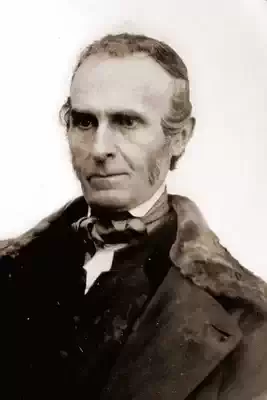
John Greenleaf Whittier
My Dream
My Dream
In my dream, methought I trod,
Yesternight, a mountain road;
Narrow as Al Sirat's span,
High as eagle's flight, it ran.
Overhead, a roof of cloud
With its weight of thunder bowed;
Underneath, to left and right,
Blankness and abysmal night.
Here and there a wild-flower blushed,
Now and then a bird-song gushed;
Now and then, through rifts of shade,
Stars shone out, and sunbeams played.
But the goodly company,
Walking in that path with me,
One by one the brink o'erslid,
One by one the darkness hid.
Some with wailing and lament,
Some with cheerful courage went;
But, of all who smiled or mourned,
Never one to us returned.
Anxiously, with eye and ear,
Questioning that shadow drear,
Never hand in token stirred,
Never answering voice I heard!
Steeper, darker!--lo! I felt
From my feet the pathway melt.
Swallowed by the black despair,
And the hungry jaws of air,
Past the stony-throated caves,
Strangled by the wash of waves,
Past the splintered crags, I sank
On a green and flowery bank,-
Soft as fall of thistle-down,
Lightly as a cloud is blown,
Soothingly as childhood pressed
To the bosom of its rest.
Of the sharp-horned rocks instead,
Green the grassy meadows spread,
Bright with waters singing by
Trees that propped a golden sky.
Painless, trustful, sorrow-free,
Old lost faces welcomed me,
With whose sweetness of content
Still expectant hope was blent.
Waking while the dawning gray
Slowly brightened into day,
Pondering that vision fled,
Thus unto myself I said:-
'Steep and hung with clouds of strife
Is our narrow path of life;
And our death the dreaded fall
Through the dark, awaiting all.
'So, with painful steps we climb
Up the dizzy ways of time,
Ever in the shadow shed
By the forecast of our dread.
'Dread of mystery solved alone,
Of the untried and unknown;
Yet the end thereof may seem
Like the falling of my dream.
'And this heart-consuming care,
All our fears of here or there,
Change and absence, loss and death,
Prove but simple lack of faith.'
Thou, O Most Compassionate!
Who didst stoop to our estate,
Drinking of the cup we drain,
Treading in our path of pain,-
Through the doubt and mystery,
Grant to us thy steps to see,
And the grace to draw from thence
Larger hope and confidence.
Show thy vacant tomb, and let,
As of old, the angels sit,
Whispering, by its open door
'Fear not! He hath gone before!'
In my dream, methought I trod,
Yesternight, a mountain road;
Narrow as Al Sirat's span,
High as eagle's flight, it ran.
Overhead, a roof of cloud
With its weight of thunder bowed;
Underneath, to left and right,
Blankness and abysmal night.
Here and there a wild-flower blushed,
Now and then a bird-song gushed;
Now and then, through rifts of shade,
Stars shone out, and sunbeams played.
But the goodly company,
Walking in that path with me,
One by one the brink o'erslid,
One by one the darkness hid.
Some with wailing and lament,
Some with cheerful courage went;
But, of all who smiled or mourned,
Never one to us returned.
Anxiously, with eye and ear,
Questioning that shadow drear,
Never hand in token stirred,
Never answering voice I heard!
Steeper, darker!--lo! I felt
From my feet the pathway melt.
Swallowed by the black despair,
And the hungry jaws of air,
Past the stony-throated caves,
Strangled by the wash of waves,
Past the splintered crags, I sank
On a green and flowery bank,-
Soft as fall of thistle-down,
Lightly as a cloud is blown,
Soothingly as childhood pressed
To the bosom of its rest.
Of the sharp-horned rocks instead,
Green the grassy meadows spread,
Bright with waters singing by
Trees that propped a golden sky.
Painless, trustful, sorrow-free,
Old lost faces welcomed me,
With whose sweetness of content
Still expectant hope was blent.
Waking while the dawning gray
Slowly brightened into day,
Pondering that vision fled,
Thus unto myself I said:-
'Steep and hung with clouds of strife
Is our narrow path of life;
And our death the dreaded fall
Through the dark, awaiting all.
'So, with painful steps we climb
Up the dizzy ways of time,
Ever in the shadow shed
By the forecast of our dread.
'Dread of mystery solved alone,
Of the untried and unknown;
Yet the end thereof may seem
Like the falling of my dream.
'And this heart-consuming care,
All our fears of here or there,
Change and absence, loss and death,
Prove but simple lack of faith.'
Thou, O Most Compassionate!
Who didst stoop to our estate,
Drinking of the cup we drain,
Treading in our path of pain,-
Through the doubt and mystery,
Grant to us thy steps to see,
And the grace to draw from thence
Larger hope and confidence.
Show thy vacant tomb, and let,
As of old, the angels sit,
Whispering, by its open door
'Fear not! He hath gone before!'
319
John Greenleaf Whittier
My Playmate
My Playmate
The pines were dark on Ramoth hill,
Their song was soft and low;
The blossoms in the sweet May wind
Were falling like the snow.
The blossoms drifted at our feet,
The orchard birds sang clear;
The sweetest and the saddest day
It seemed of all the year.
For, more to me than birds or flowers,
My playmate left her home,
And took with her the laughing spring,
The music and the bloom.
She kissed the lips of kith and kin,
She laid her hand in mine
What more could ask the bashful boy
Who fed her father's kine?
She left us in the bloom of May
The constant years told o'er
Their seasons with as sweet May morns,
But she came back no more.
I walk, with noiseless feet, the round
Of uneventful years;
Still o'er and o'er I sow the spring
And reap the autumn ears.
She lives where all the golden year
Her summer roses blow;
The dusky children of the sun
Before her come and go.
There haply with her jewelled hands
She smooths her silken gown,No
more the homespun lap wherein
I shook the walnuts down.
The wild grapes wait us by the brook,
The brown nuts on the hill,
And still the May-day flowers make sweet
The woods of Follymill.
The lilies blossom in the pond,
The bird builds in the tree,
The dark pines sing on Ramoth hill
The slow song of the sea.
I wonder if she thinks of them,
And how the old time seems,
If ever the pines of Ramoth wood
Are sounding in her dreams.
I see her face, I hear her voice;
Does she remember mine?
And what to her is now the boy
Who fed her father's kine?
What cares she that the orioles build
For other eyes than ours,That
other hands with nuts are filled,
And other laps with flowers?
O playmate in the golden time!
Our mossy seat is green,
Its fringing violets blossom yet,
The old trees o'er it lean.
The winds so sweet with birch and fern
A sweeter memory blow;
And there in spring the veeries sing
The song of long ago.
And still the pines of Ramoth wood
Are moaning like the sea,
The moaning of the sea of change
Between myself and thee!
The pines were dark on Ramoth hill,
Their song was soft and low;
The blossoms in the sweet May wind
Were falling like the snow.
The blossoms drifted at our feet,
The orchard birds sang clear;
The sweetest and the saddest day
It seemed of all the year.
For, more to me than birds or flowers,
My playmate left her home,
And took with her the laughing spring,
The music and the bloom.
She kissed the lips of kith and kin,
She laid her hand in mine
What more could ask the bashful boy
Who fed her father's kine?
She left us in the bloom of May
The constant years told o'er
Their seasons with as sweet May morns,
But she came back no more.
I walk, with noiseless feet, the round
Of uneventful years;
Still o'er and o'er I sow the spring
And reap the autumn ears.
She lives where all the golden year
Her summer roses blow;
The dusky children of the sun
Before her come and go.
There haply with her jewelled hands
She smooths her silken gown,No
more the homespun lap wherein
I shook the walnuts down.
The wild grapes wait us by the brook,
The brown nuts on the hill,
And still the May-day flowers make sweet
The woods of Follymill.
The lilies blossom in the pond,
The bird builds in the tree,
The dark pines sing on Ramoth hill
The slow song of the sea.
I wonder if she thinks of them,
And how the old time seems,
If ever the pines of Ramoth wood
Are sounding in her dreams.
I see her face, I hear her voice;
Does she remember mine?
And what to her is now the boy
Who fed her father's kine?
What cares she that the orioles build
For other eyes than ours,That
other hands with nuts are filled,
And other laps with flowers?
O playmate in the golden time!
Our mossy seat is green,
Its fringing violets blossom yet,
The old trees o'er it lean.
The winds so sweet with birch and fern
A sweeter memory blow;
And there in spring the veeries sing
The song of long ago.
And still the pines of Ramoth wood
Are moaning like the sea,
The moaning of the sea of change
Between myself and thee!
241
John Greenleaf Whittier
Moloch In State Street
Moloch In State Street
THE moon has set: while yet the dawn
Breaks cold and gray,
Between the midnight and the morn
Bear off your prey!
On, swift and still! the conscious street
Is panged and stirred;
Tread light! that fall of serried feet
The dead have heard!
The first drawn blood of Freedom's veins
Gushed where ye tread;
Lo! through the dusk the martyr-stains
Blush darkly red!
Beneath the slowly waning stars
And whitening day,
What stern and awful presence bars
That sacred way?
What faces frown upon ye, dark
With shame and pain?
Come these from Plymouth's Pilgrim bark?
Is that young Vane?
Who, dimly beckoning, speed ye on
With mocking cheer?
Lo! spectral Andros, Hutchinson,
And Gage are here!
For ready mart or favoring blast
Through Moloch's fire,
Flesh of his flesh, unsparing, passed
The Tyrian sire.
Ye make that ancient sacrifice
Of Man to Gain,
Your traffic thrives, where freedom dies,
Beneath the chain.
Ye sow to-day; your harvest, scorn
And hate, is near;
How think ye freemen, mountain-born,
The tale will hear?
Thank God! our mother State can yet
Her fame retrieve;
To you and to your children let
The scandal cleave.
Chain Hall and Pulpit, Court and Press,
Make gods of gold;
Let honor, truth, and manliness
Like wares be sold.
Your hoards are great, your walls are strong,
But God is just;
The gilded chambers built by wrong
Invite the rust.
What! know ye not the gains of Crime
Are dust and dross;
Its ventures on the waves of time
Foredoomed to loss!
And still the Pilgrim State remains
What she hath been;
Her inland hills, her seaward plains,
Still nurture men!
Nor wholly lost the fallen mart;
Her olden blood
Through many a free and generous heart
Still pours its flood.
That brave old blood, quick-flowing yet,
Shall know no check,
Till a free people's foot is set
On Slavery's neck.
Even now, the peal of bell and gun,
And hills aflame,
Tell of the first great triumph won
In Freedom's name.
The long night dies: the welcome gray
Of dawn we see;
Speed up the heavens thy perfect day,
God of the free!
THE moon has set: while yet the dawn
Breaks cold and gray,
Between the midnight and the morn
Bear off your prey!
On, swift and still! the conscious street
Is panged and stirred;
Tread light! that fall of serried feet
The dead have heard!
The first drawn blood of Freedom's veins
Gushed where ye tread;
Lo! through the dusk the martyr-stains
Blush darkly red!
Beneath the slowly waning stars
And whitening day,
What stern and awful presence bars
That sacred way?
What faces frown upon ye, dark
With shame and pain?
Come these from Plymouth's Pilgrim bark?
Is that young Vane?
Who, dimly beckoning, speed ye on
With mocking cheer?
Lo! spectral Andros, Hutchinson,
And Gage are here!
For ready mart or favoring blast
Through Moloch's fire,
Flesh of his flesh, unsparing, passed
The Tyrian sire.
Ye make that ancient sacrifice
Of Man to Gain,
Your traffic thrives, where freedom dies,
Beneath the chain.
Ye sow to-day; your harvest, scorn
And hate, is near;
How think ye freemen, mountain-born,
The tale will hear?
Thank God! our mother State can yet
Her fame retrieve;
To you and to your children let
The scandal cleave.
Chain Hall and Pulpit, Court and Press,
Make gods of gold;
Let honor, truth, and manliness
Like wares be sold.
Your hoards are great, your walls are strong,
But God is just;
The gilded chambers built by wrong
Invite the rust.
What! know ye not the gains of Crime
Are dust and dross;
Its ventures on the waves of time
Foredoomed to loss!
And still the Pilgrim State remains
What she hath been;
Her inland hills, her seaward plains,
Still nurture men!
Nor wholly lost the fallen mart;
Her olden blood
Through many a free and generous heart
Still pours its flood.
That brave old blood, quick-flowing yet,
Shall know no check,
Till a free people's foot is set
On Slavery's neck.
Even now, the peal of bell and gun,
And hills aflame,
Tell of the first great triumph won
In Freedom's name.
The long night dies: the welcome gray
Of dawn we see;
Speed up the heavens thy perfect day,
God of the free!
346
John Greenleaf Whittier
Mulford
Mulford
Unnoted as the setting of a star
He passed; and sect and party scarcely knew
When from their midst a sage and seer withdrew
To fitter audience, where the great dead are
In God's republic of the heart and mind,
Leaving no purer, nobler soul behind.
Unnoted as the setting of a star
He passed; and sect and party scarcely knew
When from their midst a sage and seer withdrew
To fitter audience, where the great dead are
In God's republic of the heart and mind,
Leaving no purer, nobler soul behind.
306
John Greenleaf Whittier
Mithridates At Chios
Mithridates At Chios
KNOW'ST thou, O slave-cursed land!
How, when the Chian's cup of guilt
Was full to overflow, there came
God's justice in the sword of flame
That, red with slaughter to its hilt,
Blazed in the Cappadocian victor's hand?
The heavens are still and far;
But, not unheard of awful Jove,
The sighing of the island slave
Was answered, when the Ægean wave
The keels of Mithridates clove,
And the vines shrivelled in the breath of war.
'Robbers of Chios! hark,'
The victor cried, 'to Heaven's decree!
Pluck your last cluster from the vine,
Drain your last cup of Chian wine;
Slaves of your slaves, your doom shall be,
In Colchian mines by Phasis rolling dark.'
Then rose the long lament
From the hoar sea-god's dusky caves:
The priestess rent her hair and cried,
'Woe! woe! The gods are sleepless-eyed!'
And, chained and scourged, the slaves of slaves,
The lords of Chios into exile went.
'The gods at last pay well,'
So Hellas sang her taunting song,
'The fisher in his net is caught,
The Chian hath his master bought;'
And isle from isle, with laughter long,
Took up and sped the mocking parable.
Once more the slow, dumb years
Bring their avenging cycle round,
And, more than Hellas taught of old,
Our wiser lesson shall be told,
Of slaves uprising, freedom-crowned,
To break, not wield, the scourge wet with their blood and tears.
KNOW'ST thou, O slave-cursed land!
How, when the Chian's cup of guilt
Was full to overflow, there came
God's justice in the sword of flame
That, red with slaughter to its hilt,
Blazed in the Cappadocian victor's hand?
The heavens are still and far;
But, not unheard of awful Jove,
The sighing of the island slave
Was answered, when the Ægean wave
The keels of Mithridates clove,
And the vines shrivelled in the breath of war.
'Robbers of Chios! hark,'
The victor cried, 'to Heaven's decree!
Pluck your last cluster from the vine,
Drain your last cup of Chian wine;
Slaves of your slaves, your doom shall be,
In Colchian mines by Phasis rolling dark.'
Then rose the long lament
From the hoar sea-god's dusky caves:
The priestess rent her hair and cried,
'Woe! woe! The gods are sleepless-eyed!'
And, chained and scourged, the slaves of slaves,
The lords of Chios into exile went.
'The gods at last pay well,'
So Hellas sang her taunting song,
'The fisher in his net is caught,
The Chian hath his master bought;'
And isle from isle, with laughter long,
Took up and sped the mocking parable.
Once more the slow, dumb years
Bring their avenging cycle round,
And, more than Hellas taught of old,
Our wiser lesson shall be told,
Of slaves uprising, freedom-crowned,
To break, not wield, the scourge wet with their blood and tears.
290
John Greenleaf Whittier
Mogg Megone - Part II.
Mogg Megone - Part II.
'Tis morning over Norridgewock, On
tree and wigwam, wave and rock.
Bathed in the autumnal sunshine, stirred
At intervals by breeze and bird,
And wearing all the hues which glow
In heaven's own pure and perfect bow,
That glorious picture of the air,
Which summer's light-robed angel forms
On the dark ground of fading storms,
With pencil dipped in sunbeams there, And,
stretching out, on either hand,
O'er all that wide and unshorn land,
Till, weary of its gorgeousness,
The aching and the dazzled eye
Rests, gladdened, on the calm blue sky, Slumbers
the mighty wilderness!
The oak, upon the windy hill,
Its dark green burthen upward heaves The
hemlock broods above its rill,
Its cone-like foliage darker still,
Against the birch's graceful stem,
And the rough walnut-bough receives
The sun upon its crowded leaves,
Each colored like a topaz gem;
And the tall maple wears with them
The coronal, which autumn gives,
The brief, bright sign of ruin near,
The hectic of a dying year!
The hermit priest, who lingers now
On the Bald Mountain's shrubless brow,
The gray and thunder-smitten pile
Which marks afar the Desert Isle,
While gazing on the scene below,
May half forget the dreams of home,
That nightly with his slumbers come, The
tranquil skies of sunny France,
The peasant's harvest song and dance,
The vines around the hillsides wreathing
The soft airs midst their clusters breathing,
The wings which dipped, the stars which shone
Within thy bosom, blue Garonne!
And round the Abbey's shadowed wall,
At morning spring and even-fall,
Sweet voices in the still air singing, The
chant of many a holy hymn, The
solemn bell of vespers ringing, And
hallowed torchlight falling dim
On pictured saint and seraphim!
For here beneath him lies unrolled,
Bathed deep in morning's flood of gold,
A vision gorgeous as the dream
Of the beautified may seem,
When, as his Church's legends say,
Borne upward in ecstatic bliss,
The rapt enthusiast soars away
Unto a brighter world than this:
A mortal's glimpse beyond the pale, A
moment's lifting of the veil!
Far eastward o'er the lovely bay,
Penobscot's clustered wigwams lay;
And gently from that Indian town
The verdant hillside slopes adown,
To where the sparkling waters play
Upon the yellow sands below;
And shooting round the winding shores
Of narrow capes, and isles which lie
Slumbering to ocean's lullaby, With
birchen boat and glancing oars,
The red men to their fishing go;
While from their planting ground is borne
The treasure of the golden corn,
By laughing girls, whose dark eyes glow
Wild through the locks which o'er them flow.
The wrinkled squaw, whose toil is done,
Sits on her bear-skin in the sun,
Watching the huskers, with a smile
For each full ear which swells the pile;
And the old chief, who nevermore
May bend the bow or pull the oar,
Smokes gravely in his wigwam door,
Or slowly shapes, with axe of stone,
The arrow-head from flint and bone.
Beneath the westward turning eye
A thousand wooded islands lie, Gems
of the waters! - with each hue
Of brightness set in ocean's blue.
Each bears aloft its tuft of trees
Touched by the pencil of the frost,
And, with the motion of each breeze,
A moment seen, - a moment lost, Changing
and blent, confused and tossed,
The brighter with the darker crossed,
Their thousand tints of beauty glow
Down in the restless waves below,
And tremble in the sunny skies,
As if, from waving bough to bough,
Flitted the birds of paradise.
There sleep Placentia's group, - and there
Pere Breteaux marks the hour of prayer;
And there, beneath the sea-worn cliff,
On which the Father's hut is seen,
The Indian stays his rocking skiff,
And peers the hemlock-boughs between,
Half trembling, as he seeks to look
Upon the Jesuit's Cross and Book.
There, gloomily against the sky
The Dark Isles rear their summits high;
And Desert Rock, abrupt and bare,
Lifts its gray turrets in the air, Seen
from afar, like some stronghold
Built by the ocean kings of old;
And, faint as smoke-wreath white and thin,
Swells in the north vast Katahdin:
And, wandering from its marshy feet,
The broad Penobscot comes to meet
And mingle with his own bright bay.
Slow sweep his dark and gathering floods,
Arched over by the ancient woods,
Which Time, in those dim solitudes,
Wielding the dull axe of Decay,
Alone hath ever shorn away.
Not thus, within the woods which hide
The beauty of thy azure tide,
And with their falling timbers block
Thy broken currents, Kennebec!
Gazes the white man on the wreck
Of the down-trodden Norridgewock, In
one lone village hemmed at length,
In battle shorn of half their strength,
Turned, like the panther in his lair,
With his fast-flowing life-blood wet,
For one last struggle of despair,
Wounded and faint, but tameless yet,
Unreaped, upon the planting lands,
The scant, neglected harvest stands:
No shout is there, - no dance, - no song:
The aspect of the very child
Scowls with a meaning sad and wild
Of bitterness and wrong.
The almost infant Norridgewock
Essays to lift the tomahawk;
And plucks his father's knife away,
To mimic, in his frightful play,
The scalping of an English foe:
Wreathes on his lip a horrid smile,
Burns, like a snake's, his small eye, while
Some bough or sapling meets his blow.
The fisher, as he drops his line,
Starts, when he sees the hazels quiver
Along the margin of the river,
Looks up and down the rippling tide,
And grasps the firelock at his side.
For Bomazeen from Tacconock
Has sent his runners to Norridgewock,
With tidings that Moulton and Harmon of York
Far up the river have come:
They have left their boats, - they have entered the wood,
And filled the depths of the solitude
With the sound of the ranger's drum.
On the brow of a hill, which slopes to meet
The flowing river, and bathe its feet, The
bare-washed rock, and the drooping grass,
And the creeping vine, as the waters pass, A
rude and unshapely chapel stands,
Built up in that wild by unskilled hands,
Yet the traveller knows it a place of prayer,
For the holy sign of the cross is there:
And should he chance at that place to be,
Of a Sabbath morn, or some hallowed day,
When prayers are made and masses are said,
Some for the living and some for the dead,
Well might that traveller start to see
The tall dark forms, that take their way
From the birch canoe, on the river-shore,
And the forest paths, to that chapel door;
And marvel to mark the naked knees
And the dusky foreheads bending there,
While, in coarse white vesture, over these
In blessing or in prayer,
Stretching abroad his thin pale hands,
Like a shrouded ghost, the Jesuit stands.
Two forms are now in that chapel dim,
The Jesuit, silent and sad and pale,
Anxiously heeding some fearful tale,
Which a stranger is telling him.
That stranger's garb is soiled and torn,
And wet with dew and loosely worn;
Her fair neglected hair falls down
O'er cheeks with wind and sunshine brown;
Yet still, in that disordered face,
The Jesuit's cautious eye can trace
Those elements of former grace
Which, half effaced, seem scarcely less,
Even now, than perfect loveliness.
With drooping head, and voice so low
That scarce it meets the Jesuit's ears, While
through her clasped fingers flow,
From the heart's fountain, hot and slow,
Her penitential tears, She
tells the story of the woe
And evil of her years.
'O father, bear with me; my heart
Is sick and death-like, and my brain
Seems girdled with a fiery chain,
Whose scorching links will never part,
And never cool again.
Bear with me while I speak, - but turn
Away that gentle eye, the while, The
fires of guilt more fiercely burn
Beneath its holy smile;
For half I fancy I can see
My mother's sainted look in thee.
'My dear lost mother! sad and pale,
Mournfully sinking day by day,
And with a hold on life as frail
As frosted leaves, that, thin and gray,
Hang feebly on their parent spray,
And tremble in the gale;
Yet watching o'er my childishness
With patient fondness, - not the less
For all the agony which kept
Her blue eye wakeful, while I slept;
And checking every tear and groan
That haply might have waked my own,
And bearing still, without offence,
My idle words, and petulance;
Reproving with a tear, - and, while
The tooth of pain was keenly preying
Upon her very heart, repaying
My brief repentance with a smile.
'O, in her meek, forgiving eye
There was a brightness not of mirth,
A light whose clear intensity
Was borrowed not of earth.
Along her cheek a deepening red
Told where the feverish hectic fed;
And yet, each fatal token gave
To the mild beauty of her face
A newer and a dearer grace,
Unwarning of the grave.
'Twas like the hue which Autumn gives
To yonder changed and dying leaves,
Breathed over by his frosty breath;
Scarce can the gazer feel that this
Is but the spoiler's treacherous kiss,
The mocking-smile of Death!
'Sweet were the tales she used to tell
When summer's eve was dear to us,
And, fading from the darkening dell,
The glory of the sunset fell
On wooded Agamenticus, When,
sitting by our cottage wall,
The murmur of the Saco's fall,
And the south-wind's expiring sighs,
Came, softly blending, on my ear,
With the low tones I loved to hear:
Tales of the pure, - the good, - the wise, The
holy men and maids of old,
In the all-sacred pages told; Of
Rachel, stooped at Haran's fountains,
Amid her father's thirsty flock,
Beautiful to her kinsman seeming
As the bright angels of his dreaming,
On Padan-aran's holy rock;
Of gentle Ruth, - and her who kept
Her awful vigil on the mountains,
By Israel's virgin daughters wept;
Of Miriam, with her maidens, singing
The song for grateful Israel meet,
While every crimson wave was bringing
The spoils of Egypt at her feet;
Of her, - Samaria's humble daughter,
Who paused to hear, beside her well,
Lessons of love and truth, which fell
Softly as Shiloh's flowing water;
And saw, beneath his pilgrim guise,
The Promised One, so long foretold
By holy seer and bard of old,
Revealed before her wondering eyes!
'Slowly she faded. Day by day
Her step grew weaker in our hall,
And fainter, at each even-fall,
He sad voice died away.
Yet on her thin, pale, lip, the while,
Sat Resignation's holy smile:
And even my father checked his tread,
And hushed his voice, beside her bed:
Beneath the calm and sad rebuke
Of her meek eye's imploring look,
The scowl of hate his brow forsook,
And in his stern and gloomy eye,
At times, a few unwonted tears
Wet the dark lashes, which for years
Hatred and pride had kept so dry.
'Calm as a child to slumber soothed,
As if an angel's hand had smoothed
The still, white features into rest,
Silent and cold, without a breath
To stir the drapery on her breast,
Pain, with its keen and poisoned fang,
The horror of the mortal pang,
The suffering look her brow had worn,
The fear, the strife, the anguish gone, She
slept at last in death!
'O, tell me, father,
can
the dead
Walk on the earth, and look on us,
And lay upon the living's head
Their blessing or their curse?
For, O, last night she stood by me,
As I lay beneath the woodland tree!'
The Jesuit crosses himself in awe, '
Jesu! what was it my daughter saw?'
'
She
came to me last night.
The dried leaves did not feel her tread;
She stood by me in the wan moonlight,
In the white robes of the dead!
Pale, and very mournfully
She bent her light form over me.
I heard no sound, I felt no breath
Breathe o'er me from that face of death:
Its blue eyes rested on my own,
Rayless and cold as eyes of stone;
Yet, in their fixed, unchanging gaze,
Something, which spoke of early days, A
sadness in their quiet glare,
As if love's smile were frozen there, Came
o'er me with an icy thrill;
O God! I feel its presence still!'
The Jesuit makes the holy sign, '
How passed the vision, daughter mine?'
'All dimly in the wan moonshine,
As a wreath of mist will twist and twine
And scatter, and melt into the light, So
scattering, - melting on my sight,
The pale, cold vision passed;
But those sad eyes were fixed on mine
Mournfully to the last.'
'God help thee, daughter, tell me why
That spirit passed before thine eye!'
'Father, I know not, save it be
That deeds of mine have summoned her
From the unbreathing sepulchre,
To leave her last rebuke with me.
Ah, woe for me! my mother died
Just at the moment when I stood
Close on the verge of womanhood,
A child in everything beside;
And when my wild heart needed most
Her gentle counsels, they were lost.
'My father lived a stormy life,
Of frequent change and daily strife;
And - God forgive him! - left his child
To feel, like him, a freedom wild;
To love the red man's dwelling-place.
The birch boat on his shaded floods,
The wild excitement of the chase
Sweeping the ancient woods,
The camp-fire, blazing on the shore
Of the still lakes, the clear stream where
The idle fisher sets his wear,
Or angles in the shade, far more
Than that restraining awe I felt
Beneath my gentle mother's care,
When nightly at her knee I knelt,
With childhood's simple prayer.
'There came a change. The wild, glad mood
Of unchecked freedom passed.
Amid the ancient solitude
Of unshorn grass and waving wood,
And waters glancing bright and fast,
A softened voice was in my ear,
Sweet as those lulling sounds and fine
The hunter lifts his head to hear,
Now far and faint, now full and near The
mumur of the wind-swept pine.
A manly form was ever nigh,
A bold, free hunter, with an eye
Whose dark, keen glance had power to wake
Both fear and love, - to awe and charm
'Twas as the wizard rattlesnake,
Whose evil glances lure to harm Whose
cold and small and glittering eye,
And brilliant coil, and changing dye,
Draw, step by step, the gazer near,
With drooping wing and cry of fear,
Yet powerless all to turn away,
A conscious, but a willing prey!
'Fear, doubt, thought, life itself, erelong
Merged in one feeling deep and strong.
Faded the world which I had known,
A poor vain shadow, cold and waste;
In the warm present bliss alone
Seemed I of actual life to taste.
Fond longings dimly understood,
The glow of passion's quickening blood,
And cherished fantasies which press
The young lip with a dream's caress, The
heart's forecast and prophecy
Took form and life before my eye,
Seen in the glance which met my own,
Heard in the soft and pleading tone,
Felt in the arms around me cast,
And warm heart-pulses beating fast.
Ah! scarcely yet to God above
With deeper trust, with stronger love,
Has prayerful saint his meek heart lent,
Or cloistered nun at twilight bent,
Than I, before a human shrine,
With heart, and soul, and mind, and form,
Knelt madly to a fellow-worm.
'Full soon, upon that dream of sin,
An awful light came bursting in.
The shrine was cold at which I knelt,
The idol of that shrine was gone;
A humbled thing of shame and guilt,
Outcast, and spurned and lone,
Wrapt in the shadows of my crime,
With withering heart and burning brain,
And tears that fell like fiery rain,
I passed a fearful time.
'There came a voice - it checked the tear In
heart and soul it wrought a change; My
father's voice was in my ear;
It whispered of revenge!
A new and fiercer feeling swept
All lingering tenderness away;
And tiger passions, which had slept
In childhood's better day,
Unknown, unfelt, arose at length
In all their own demoniac strength.
'A youthful warrior of the wild,
By words deceived, by smiles beguiled,
Of crime the cheated instrument,
Upon our fatal errands went.
Through camp and town and wilderness
He tracked his victim; and, at last,
Just when the tide of hate had passed,
And milder thoughts came warm and fast,
Exulting, at my feet he cast
The bloody token of success.
'O God! with what an awful power
I saw the buried past uprise,
And gather, in a single hour,
Its ghost-like memories!
And then I felt - alas! too late That
underneath the mask of hate,
That shame and guilt and wrong had thrown
O'er feelings which they might not own,
The heart's wild love had known no change;
And still that deep and hidden love,
With its first fondness, wept above
The victim of its own revenge!
There lay the fearful scalp, and there
The blood was on its pale brown hair!
I thought not of the victim's scorn,
I thought not of his baleful guile,
My deadly wrong, my outcast name,
The characters of sin and shame
On heart and forehead drawn;
I only saw that victim's smile, The
still, green places where we met, The
moonlit branches, dewy wet;
I only felt, I only heard
The greeting and the parting word, The
smile, - the embrace, - the tone which made
An Eden of the forest shade.
'And oh, with what a loathing eye,
With what a deadly hate, and deep,
I saw that Indian murderer lie
Before me, in his drunken sleep!
What though for me the deed was done
And words of mine had sped him on!
Yet when he murmured, as he slept,
The horrors of that deed of blood,
The tide of utter madness swept
O'er brain and bosom, like a flood.
And, father, with this hand of mine -'
'Ha! what didst thou?' the Jesuit cries,
Shuddering, as smitten with sudden pain,
And shading, with one thin hand, his eyes,
With the other he makes the holy sign.
'- I smote him as I would a worm; With
heart as steeled, with nerves as firm:
He never woke again!'
'Woman of sin and blood and shame,
Speak, - I would know that victim's name.'
'Father,' she gasped, 'a chieftain, known
As Saco's Sachem, - Mogg Megone!'
Pale priest! What proud and lofty dreams,
What keen desires, what cherished schemes,
What hopes, that time may not recall,
Are darkened by that chieftain's fall!
Was he not pledged, by cross and vow,
To lift the hatchet of his sire,
And, round his own, the Church's foe,
To light the avenging fire?
Who now the Tarrantine shall wake.
For thine and for the Church's sake?
Who summon to the scene
Of conquest and unsparing strife,
And vengeance dearer than his life,
The fiery-souled Castine?
Three backward steps the Jesuit takes, His
long, thin frame as ague shakes;
And loathing hate is in his eye,
As from his lips these words of fear
Fall hoarsely on the maiden's ear, '
The soul that sinneth shall surely die!'
She stands, as stands the stricken deer,
Checked midway in the fearful chase,
When bursts, upon his eye and ear,
The gaunt, gray robber, baying near,
Between him and his hiding-place;
While still behind, with yell and blow,
Sweeps, like a storm, the coming foe.
'Save me, O holy man!' - her cry
Fills all the void, as if a tongue,
Unseen, from rib and rafter hung,
Thrilling with mortal agony;
Her hands are clasping the Jesuit's knee,
And her eye looks fearfully into his own; '
Off, woman of sin! - nay, touch not me
With those fingers of blood; - begone!'
With a gesture of horror, he spurns the form
That writhes at his feet like a trodden worm.
Ever thus the spirit must,
Guilty in the sight of Heaven,
With a keener woe be riven,
For its weak and sinful trust
In the strength of human dust
And its anguish thrill afresh
For each vain reliance given
To the failing arm of flesh.
'Tis morning over Norridgewock, On
tree and wigwam, wave and rock.
Bathed in the autumnal sunshine, stirred
At intervals by breeze and bird,
And wearing all the hues which glow
In heaven's own pure and perfect bow,
That glorious picture of the air,
Which summer's light-robed angel forms
On the dark ground of fading storms,
With pencil dipped in sunbeams there, And,
stretching out, on either hand,
O'er all that wide and unshorn land,
Till, weary of its gorgeousness,
The aching and the dazzled eye
Rests, gladdened, on the calm blue sky, Slumbers
the mighty wilderness!
The oak, upon the windy hill,
Its dark green burthen upward heaves The
hemlock broods above its rill,
Its cone-like foliage darker still,
Against the birch's graceful stem,
And the rough walnut-bough receives
The sun upon its crowded leaves,
Each colored like a topaz gem;
And the tall maple wears with them
The coronal, which autumn gives,
The brief, bright sign of ruin near,
The hectic of a dying year!
The hermit priest, who lingers now
On the Bald Mountain's shrubless brow,
The gray and thunder-smitten pile
Which marks afar the Desert Isle,
While gazing on the scene below,
May half forget the dreams of home,
That nightly with his slumbers come, The
tranquil skies of sunny France,
The peasant's harvest song and dance,
The vines around the hillsides wreathing
The soft airs midst their clusters breathing,
The wings which dipped, the stars which shone
Within thy bosom, blue Garonne!
And round the Abbey's shadowed wall,
At morning spring and even-fall,
Sweet voices in the still air singing, The
chant of many a holy hymn, The
solemn bell of vespers ringing, And
hallowed torchlight falling dim
On pictured saint and seraphim!
For here beneath him lies unrolled,
Bathed deep in morning's flood of gold,
A vision gorgeous as the dream
Of the beautified may seem,
When, as his Church's legends say,
Borne upward in ecstatic bliss,
The rapt enthusiast soars away
Unto a brighter world than this:
A mortal's glimpse beyond the pale, A
moment's lifting of the veil!
Far eastward o'er the lovely bay,
Penobscot's clustered wigwams lay;
And gently from that Indian town
The verdant hillside slopes adown,
To where the sparkling waters play
Upon the yellow sands below;
And shooting round the winding shores
Of narrow capes, and isles which lie
Slumbering to ocean's lullaby, With
birchen boat and glancing oars,
The red men to their fishing go;
While from their planting ground is borne
The treasure of the golden corn,
By laughing girls, whose dark eyes glow
Wild through the locks which o'er them flow.
The wrinkled squaw, whose toil is done,
Sits on her bear-skin in the sun,
Watching the huskers, with a smile
For each full ear which swells the pile;
And the old chief, who nevermore
May bend the bow or pull the oar,
Smokes gravely in his wigwam door,
Or slowly shapes, with axe of stone,
The arrow-head from flint and bone.
Beneath the westward turning eye
A thousand wooded islands lie, Gems
of the waters! - with each hue
Of brightness set in ocean's blue.
Each bears aloft its tuft of trees
Touched by the pencil of the frost,
And, with the motion of each breeze,
A moment seen, - a moment lost, Changing
and blent, confused and tossed,
The brighter with the darker crossed,
Their thousand tints of beauty glow
Down in the restless waves below,
And tremble in the sunny skies,
As if, from waving bough to bough,
Flitted the birds of paradise.
There sleep Placentia's group, - and there
Pere Breteaux marks the hour of prayer;
And there, beneath the sea-worn cliff,
On which the Father's hut is seen,
The Indian stays his rocking skiff,
And peers the hemlock-boughs between,
Half trembling, as he seeks to look
Upon the Jesuit's Cross and Book.
There, gloomily against the sky
The Dark Isles rear their summits high;
And Desert Rock, abrupt and bare,
Lifts its gray turrets in the air, Seen
from afar, like some stronghold
Built by the ocean kings of old;
And, faint as smoke-wreath white and thin,
Swells in the north vast Katahdin:
And, wandering from its marshy feet,
The broad Penobscot comes to meet
And mingle with his own bright bay.
Slow sweep his dark and gathering floods,
Arched over by the ancient woods,
Which Time, in those dim solitudes,
Wielding the dull axe of Decay,
Alone hath ever shorn away.
Not thus, within the woods which hide
The beauty of thy azure tide,
And with their falling timbers block
Thy broken currents, Kennebec!
Gazes the white man on the wreck
Of the down-trodden Norridgewock, In
one lone village hemmed at length,
In battle shorn of half their strength,
Turned, like the panther in his lair,
With his fast-flowing life-blood wet,
For one last struggle of despair,
Wounded and faint, but tameless yet,
Unreaped, upon the planting lands,
The scant, neglected harvest stands:
No shout is there, - no dance, - no song:
The aspect of the very child
Scowls with a meaning sad and wild
Of bitterness and wrong.
The almost infant Norridgewock
Essays to lift the tomahawk;
And plucks his father's knife away,
To mimic, in his frightful play,
The scalping of an English foe:
Wreathes on his lip a horrid smile,
Burns, like a snake's, his small eye, while
Some bough or sapling meets his blow.
The fisher, as he drops his line,
Starts, when he sees the hazels quiver
Along the margin of the river,
Looks up and down the rippling tide,
And grasps the firelock at his side.
For Bomazeen from Tacconock
Has sent his runners to Norridgewock,
With tidings that Moulton and Harmon of York
Far up the river have come:
They have left their boats, - they have entered the wood,
And filled the depths of the solitude
With the sound of the ranger's drum.
On the brow of a hill, which slopes to meet
The flowing river, and bathe its feet, The
bare-washed rock, and the drooping grass,
And the creeping vine, as the waters pass, A
rude and unshapely chapel stands,
Built up in that wild by unskilled hands,
Yet the traveller knows it a place of prayer,
For the holy sign of the cross is there:
And should he chance at that place to be,
Of a Sabbath morn, or some hallowed day,
When prayers are made and masses are said,
Some for the living and some for the dead,
Well might that traveller start to see
The tall dark forms, that take their way
From the birch canoe, on the river-shore,
And the forest paths, to that chapel door;
And marvel to mark the naked knees
And the dusky foreheads bending there,
While, in coarse white vesture, over these
In blessing or in prayer,
Stretching abroad his thin pale hands,
Like a shrouded ghost, the Jesuit stands.
Two forms are now in that chapel dim,
The Jesuit, silent and sad and pale,
Anxiously heeding some fearful tale,
Which a stranger is telling him.
That stranger's garb is soiled and torn,
And wet with dew and loosely worn;
Her fair neglected hair falls down
O'er cheeks with wind and sunshine brown;
Yet still, in that disordered face,
The Jesuit's cautious eye can trace
Those elements of former grace
Which, half effaced, seem scarcely less,
Even now, than perfect loveliness.
With drooping head, and voice so low
That scarce it meets the Jesuit's ears, While
through her clasped fingers flow,
From the heart's fountain, hot and slow,
Her penitential tears, She
tells the story of the woe
And evil of her years.
'O father, bear with me; my heart
Is sick and death-like, and my brain
Seems girdled with a fiery chain,
Whose scorching links will never part,
And never cool again.
Bear with me while I speak, - but turn
Away that gentle eye, the while, The
fires of guilt more fiercely burn
Beneath its holy smile;
For half I fancy I can see
My mother's sainted look in thee.
'My dear lost mother! sad and pale,
Mournfully sinking day by day,
And with a hold on life as frail
As frosted leaves, that, thin and gray,
Hang feebly on their parent spray,
And tremble in the gale;
Yet watching o'er my childishness
With patient fondness, - not the less
For all the agony which kept
Her blue eye wakeful, while I slept;
And checking every tear and groan
That haply might have waked my own,
And bearing still, without offence,
My idle words, and petulance;
Reproving with a tear, - and, while
The tooth of pain was keenly preying
Upon her very heart, repaying
My brief repentance with a smile.
'O, in her meek, forgiving eye
There was a brightness not of mirth,
A light whose clear intensity
Was borrowed not of earth.
Along her cheek a deepening red
Told where the feverish hectic fed;
And yet, each fatal token gave
To the mild beauty of her face
A newer and a dearer grace,
Unwarning of the grave.
'Twas like the hue which Autumn gives
To yonder changed and dying leaves,
Breathed over by his frosty breath;
Scarce can the gazer feel that this
Is but the spoiler's treacherous kiss,
The mocking-smile of Death!
'Sweet were the tales she used to tell
When summer's eve was dear to us,
And, fading from the darkening dell,
The glory of the sunset fell
On wooded Agamenticus, When,
sitting by our cottage wall,
The murmur of the Saco's fall,
And the south-wind's expiring sighs,
Came, softly blending, on my ear,
With the low tones I loved to hear:
Tales of the pure, - the good, - the wise, The
holy men and maids of old,
In the all-sacred pages told; Of
Rachel, stooped at Haran's fountains,
Amid her father's thirsty flock,
Beautiful to her kinsman seeming
As the bright angels of his dreaming,
On Padan-aran's holy rock;
Of gentle Ruth, - and her who kept
Her awful vigil on the mountains,
By Israel's virgin daughters wept;
Of Miriam, with her maidens, singing
The song for grateful Israel meet,
While every crimson wave was bringing
The spoils of Egypt at her feet;
Of her, - Samaria's humble daughter,
Who paused to hear, beside her well,
Lessons of love and truth, which fell
Softly as Shiloh's flowing water;
And saw, beneath his pilgrim guise,
The Promised One, so long foretold
By holy seer and bard of old,
Revealed before her wondering eyes!
'Slowly she faded. Day by day
Her step grew weaker in our hall,
And fainter, at each even-fall,
He sad voice died away.
Yet on her thin, pale, lip, the while,
Sat Resignation's holy smile:
And even my father checked his tread,
And hushed his voice, beside her bed:
Beneath the calm and sad rebuke
Of her meek eye's imploring look,
The scowl of hate his brow forsook,
And in his stern and gloomy eye,
At times, a few unwonted tears
Wet the dark lashes, which for years
Hatred and pride had kept so dry.
'Calm as a child to slumber soothed,
As if an angel's hand had smoothed
The still, white features into rest,
Silent and cold, without a breath
To stir the drapery on her breast,
Pain, with its keen and poisoned fang,
The horror of the mortal pang,
The suffering look her brow had worn,
The fear, the strife, the anguish gone, She
slept at last in death!
'O, tell me, father,
can
the dead
Walk on the earth, and look on us,
And lay upon the living's head
Their blessing or their curse?
For, O, last night she stood by me,
As I lay beneath the woodland tree!'
The Jesuit crosses himself in awe, '
Jesu! what was it my daughter saw?'
'
She
came to me last night.
The dried leaves did not feel her tread;
She stood by me in the wan moonlight,
In the white robes of the dead!
Pale, and very mournfully
She bent her light form over me.
I heard no sound, I felt no breath
Breathe o'er me from that face of death:
Its blue eyes rested on my own,
Rayless and cold as eyes of stone;
Yet, in their fixed, unchanging gaze,
Something, which spoke of early days, A
sadness in their quiet glare,
As if love's smile were frozen there, Came
o'er me with an icy thrill;
O God! I feel its presence still!'
The Jesuit makes the holy sign, '
How passed the vision, daughter mine?'
'All dimly in the wan moonshine,
As a wreath of mist will twist and twine
And scatter, and melt into the light, So
scattering, - melting on my sight,
The pale, cold vision passed;
But those sad eyes were fixed on mine
Mournfully to the last.'
'God help thee, daughter, tell me why
That spirit passed before thine eye!'
'Father, I know not, save it be
That deeds of mine have summoned her
From the unbreathing sepulchre,
To leave her last rebuke with me.
Ah, woe for me! my mother died
Just at the moment when I stood
Close on the verge of womanhood,
A child in everything beside;
And when my wild heart needed most
Her gentle counsels, they were lost.
'My father lived a stormy life,
Of frequent change and daily strife;
And - God forgive him! - left his child
To feel, like him, a freedom wild;
To love the red man's dwelling-place.
The birch boat on his shaded floods,
The wild excitement of the chase
Sweeping the ancient woods,
The camp-fire, blazing on the shore
Of the still lakes, the clear stream where
The idle fisher sets his wear,
Or angles in the shade, far more
Than that restraining awe I felt
Beneath my gentle mother's care,
When nightly at her knee I knelt,
With childhood's simple prayer.
'There came a change. The wild, glad mood
Of unchecked freedom passed.
Amid the ancient solitude
Of unshorn grass and waving wood,
And waters glancing bright and fast,
A softened voice was in my ear,
Sweet as those lulling sounds and fine
The hunter lifts his head to hear,
Now far and faint, now full and near The
mumur of the wind-swept pine.
A manly form was ever nigh,
A bold, free hunter, with an eye
Whose dark, keen glance had power to wake
Both fear and love, - to awe and charm
'Twas as the wizard rattlesnake,
Whose evil glances lure to harm Whose
cold and small and glittering eye,
And brilliant coil, and changing dye,
Draw, step by step, the gazer near,
With drooping wing and cry of fear,
Yet powerless all to turn away,
A conscious, but a willing prey!
'Fear, doubt, thought, life itself, erelong
Merged in one feeling deep and strong.
Faded the world which I had known,
A poor vain shadow, cold and waste;
In the warm present bliss alone
Seemed I of actual life to taste.
Fond longings dimly understood,
The glow of passion's quickening blood,
And cherished fantasies which press
The young lip with a dream's caress, The
heart's forecast and prophecy
Took form and life before my eye,
Seen in the glance which met my own,
Heard in the soft and pleading tone,
Felt in the arms around me cast,
And warm heart-pulses beating fast.
Ah! scarcely yet to God above
With deeper trust, with stronger love,
Has prayerful saint his meek heart lent,
Or cloistered nun at twilight bent,
Than I, before a human shrine,
With heart, and soul, and mind, and form,
Knelt madly to a fellow-worm.
'Full soon, upon that dream of sin,
An awful light came bursting in.
The shrine was cold at which I knelt,
The idol of that shrine was gone;
A humbled thing of shame and guilt,
Outcast, and spurned and lone,
Wrapt in the shadows of my crime,
With withering heart and burning brain,
And tears that fell like fiery rain,
I passed a fearful time.
'There came a voice - it checked the tear In
heart and soul it wrought a change; My
father's voice was in my ear;
It whispered of revenge!
A new and fiercer feeling swept
All lingering tenderness away;
And tiger passions, which had slept
In childhood's better day,
Unknown, unfelt, arose at length
In all their own demoniac strength.
'A youthful warrior of the wild,
By words deceived, by smiles beguiled,
Of crime the cheated instrument,
Upon our fatal errands went.
Through camp and town and wilderness
He tracked his victim; and, at last,
Just when the tide of hate had passed,
And milder thoughts came warm and fast,
Exulting, at my feet he cast
The bloody token of success.
'O God! with what an awful power
I saw the buried past uprise,
And gather, in a single hour,
Its ghost-like memories!
And then I felt - alas! too late That
underneath the mask of hate,
That shame and guilt and wrong had thrown
O'er feelings which they might not own,
The heart's wild love had known no change;
And still that deep and hidden love,
With its first fondness, wept above
The victim of its own revenge!
There lay the fearful scalp, and there
The blood was on its pale brown hair!
I thought not of the victim's scorn,
I thought not of his baleful guile,
My deadly wrong, my outcast name,
The characters of sin and shame
On heart and forehead drawn;
I only saw that victim's smile, The
still, green places where we met, The
moonlit branches, dewy wet;
I only felt, I only heard
The greeting and the parting word, The
smile, - the embrace, - the tone which made
An Eden of the forest shade.
'And oh, with what a loathing eye,
With what a deadly hate, and deep,
I saw that Indian murderer lie
Before me, in his drunken sleep!
What though for me the deed was done
And words of mine had sped him on!
Yet when he murmured, as he slept,
The horrors of that deed of blood,
The tide of utter madness swept
O'er brain and bosom, like a flood.
And, father, with this hand of mine -'
'Ha! what didst thou?' the Jesuit cries,
Shuddering, as smitten with sudden pain,
And shading, with one thin hand, his eyes,
With the other he makes the holy sign.
'- I smote him as I would a worm; With
heart as steeled, with nerves as firm:
He never woke again!'
'Woman of sin and blood and shame,
Speak, - I would know that victim's name.'
'Father,' she gasped, 'a chieftain, known
As Saco's Sachem, - Mogg Megone!'
Pale priest! What proud and lofty dreams,
What keen desires, what cherished schemes,
What hopes, that time may not recall,
Are darkened by that chieftain's fall!
Was he not pledged, by cross and vow,
To lift the hatchet of his sire,
And, round his own, the Church's foe,
To light the avenging fire?
Who now the Tarrantine shall wake.
For thine and for the Church's sake?
Who summon to the scene
Of conquest and unsparing strife,
And vengeance dearer than his life,
The fiery-souled Castine?
Three backward steps the Jesuit takes, His
long, thin frame as ague shakes;
And loathing hate is in his eye,
As from his lips these words of fear
Fall hoarsely on the maiden's ear, '
The soul that sinneth shall surely die!'
She stands, as stands the stricken deer,
Checked midway in the fearful chase,
When bursts, upon his eye and ear,
The gaunt, gray robber, baying near,
Between him and his hiding-place;
While still behind, with yell and blow,
Sweeps, like a storm, the coming foe.
'Save me, O holy man!' - her cry
Fills all the void, as if a tongue,
Unseen, from rib and rafter hung,
Thrilling with mortal agony;
Her hands are clasping the Jesuit's knee,
And her eye looks fearfully into his own; '
Off, woman of sin! - nay, touch not me
With those fingers of blood; - begone!'
With a gesture of horror, he spurns the form
That writhes at his feet like a trodden worm.
Ever thus the spirit must,
Guilty in the sight of Heaven,
With a keener woe be riven,
For its weak and sinful trust
In the strength of human dust
And its anguish thrill afresh
For each vain reliance given
To the failing arm of flesh.
308
John Greenleaf Whittier
Memories
Memories
A beautiful and happy girl,
With step as light as summer air,
Eyes glad with smiles, and brow of pearl,
Shadowed by many a careless curl
Of unconfined and flowing hair;
A seeming child in everything,
Save thoughtful brow and ripening charms,
As Nature wears the smile of Spring
When sinking into Summer's arms.
A mind rejoicing in the light
Which melted through its graceful bower,
Leaf after leaf, dew-moist and bright,
And stainless in its holy white,
Unfolding like a morning flower
A heart, which, like a fine-toned lute,
With every breath of feeling woke,
And, even when the tongue was mute,
From eye and lip in music spoke.
How thrills once more the lengthening chain
Of memory, at the thought of thee!
Old hopes which long in dust have lain
Old dreams, come thronging back again,
And boyhood lives again in me;
I feel its glow upon my cheek,
Its fulness of the heart is mine,
As when I leaned to hear thee speak,
Or raised my doubtful eye to thine.
I hear again thy low replies,
I feel thy arm within my own,
And timidly again uprise
The fringed lids of hazel eyes,
With soft brown tresses overblown.
Ah! memories of sweet summer eves,
Of moonlit wave and willowy way,
Of stars and flowers, and dewy leaves,
And smiles and tones more dear than they!
Ere this, thy quiet eye hath smiled
My picture of thy youth to see,
When, half a woman, half a child,
Thy very artlessness beguiled,
And folly's self seemed wise in thee;
I too can smile, when o'er that hour
The lights of memory backward stream,
Yet feel the while that manhood's power
Is vainer than my boyhood's dream.
Years have passed on, and left their trace,
Of graver care and deeper thought;
And unto me the calm, cold face
Of manhood, and to thee the grace
Of woman's pensive beauty brought.
More wide, perchance, for blame than praise,
The school-boy's humble name has flown;
Thine, in the green and quiet ways
Of unobtrusive goodness known.
And wider yet in thought and deed
Diverge our pathways, one in youth;
Thine the Genevan's sternest creed,
While answers to my spirit's need
The Derby dalesman's simple truth.
For thee, the priestly rite and prayer,
And holy day, and solemn psalm;
For me, the silent reverence where
My brethren gather, slow and calm.
Yet hath thy spirit left on me
An impress Time has worn not out,
And something of myself in thee,
A shadow from the past, I see,
Lingering, even yet, thy way about;
Not wholly can the heart unlearn
That lesson of its better hours,
Not yet has Time's dull footstep worn
To common dust that path of flowers.
Thus, while at times before our eyes
The shadows melt, and fall apart,
And, smiling through them, round us lies
The warm light of our morning skies,-The
Indian Summer of the heart!
In secret sympathies of mind,
In founts of feeling which retain
Their pure, fresh flow, we yet may find
Our early dreams not wholly vain
A beautiful and happy girl,
With step as light as summer air,
Eyes glad with smiles, and brow of pearl,
Shadowed by many a careless curl
Of unconfined and flowing hair;
A seeming child in everything,
Save thoughtful brow and ripening charms,
As Nature wears the smile of Spring
When sinking into Summer's arms.
A mind rejoicing in the light
Which melted through its graceful bower,
Leaf after leaf, dew-moist and bright,
And stainless in its holy white,
Unfolding like a morning flower
A heart, which, like a fine-toned lute,
With every breath of feeling woke,
And, even when the tongue was mute,
From eye and lip in music spoke.
How thrills once more the lengthening chain
Of memory, at the thought of thee!
Old hopes which long in dust have lain
Old dreams, come thronging back again,
And boyhood lives again in me;
I feel its glow upon my cheek,
Its fulness of the heart is mine,
As when I leaned to hear thee speak,
Or raised my doubtful eye to thine.
I hear again thy low replies,
I feel thy arm within my own,
And timidly again uprise
The fringed lids of hazel eyes,
With soft brown tresses overblown.
Ah! memories of sweet summer eves,
Of moonlit wave and willowy way,
Of stars and flowers, and dewy leaves,
And smiles and tones more dear than they!
Ere this, thy quiet eye hath smiled
My picture of thy youth to see,
When, half a woman, half a child,
Thy very artlessness beguiled,
And folly's self seemed wise in thee;
I too can smile, when o'er that hour
The lights of memory backward stream,
Yet feel the while that manhood's power
Is vainer than my boyhood's dream.
Years have passed on, and left their trace,
Of graver care and deeper thought;
And unto me the calm, cold face
Of manhood, and to thee the grace
Of woman's pensive beauty brought.
More wide, perchance, for blame than praise,
The school-boy's humble name has flown;
Thine, in the green and quiet ways
Of unobtrusive goodness known.
And wider yet in thought and deed
Diverge our pathways, one in youth;
Thine the Genevan's sternest creed,
While answers to my spirit's need
The Derby dalesman's simple truth.
For thee, the priestly rite and prayer,
And holy day, and solemn psalm;
For me, the silent reverence where
My brethren gather, slow and calm.
Yet hath thy spirit left on me
An impress Time has worn not out,
And something of myself in thee,
A shadow from the past, I see,
Lingering, even yet, thy way about;
Not wholly can the heart unlearn
That lesson of its better hours,
Not yet has Time's dull footstep worn
To common dust that path of flowers.
Thus, while at times before our eyes
The shadows melt, and fall apart,
And, smiling through them, round us lies
The warm light of our morning skies,-The
Indian Summer of the heart!
In secret sympathies of mind,
In founts of feeling which retain
Their pure, fresh flow, we yet may find
Our early dreams not wholly vain
285
John Greenleaf Whittier
Massachusetts To Virginia
Massachusetts To Virginia
The blast from Freedom's Northern hills, upon its Southern way,
Bears greeting to Virginia from Massachusetts Bay:
No word of haughty challenging, nor battle bugle's peal,
Nor steady tread of marching files, nor clang of horsemen's steel,
No trains of deep-mouthed cannon along our highways go;
Around our silent arsenals untrodden lies the snow;
And to the land-breeze of our ports, upon their errands far,
A thousand sails of commerce swell, but none are spread for war.
We hear thy threats, Virginia! thy stormy words and high
Swell harshly on the Southern winds which melt along our sky;
Yet not one brown, hard hand foregoes its honest labor here,
No hewer of our mountain oaks suspends his axe in fear.
Wild are the waves which lash the reefs along St. George's bank;
Cold on the shores of Labrador the fog lies white and dank;
Through storm, and wave, and blinding mist, stout are the hearts which man
The fishing-smacks of Marblehead, the sea-boats of Cape Ann.
The cold north light and wintry sun glare on their icy forms,
Bent grimly o'er their straining lines or wrestling with the storms;
Free as the winds they drive before, rough as the waves they roam,
They laugh to scorn the slaver's threat against their rocky home.
What means the Old Dominion? Hath she forgot the day
When o'er her conquered valleys swept the Briton's steel array?
How, side by side with sons of hers, the Massachusetts men
Encountered Tarleton's charge of fire, and stout Cornwallis, then?
Forgets she how the Bay State, in answer to the call
Of her old House of Burgesses, spoke out from Faneuil Hall?
When, echoing back her Henry's cry, came pulsing on each breath
Of Northern winds the thrilling sounds of 'Liberty or Death!'
What asks the Old Dominion? If now her sons have proved
False to their fathers' memory, false to the faith they loved;
If she can scoff at Freedom, and its great charter spurn,
Must we of Massachusetts from truth and duty turn?
We hunt your bondmen, flying from Slavery's hateful hell;
Our voices, at your bidding, take up the bloodhound's yell;
We gather, at your summons, above our fathers' graves,
From Freedom's holy altar-horns to tear your wretched slaves!
Thank God! not yet so vilely can Massachusetts bow;
The spirit of her early time is with her even now;
Dream not because her Pilgrim blood moves slow and calm and cool,
She thus can stoop her chainless neck, a sister's slave and tool!
All that a sister State should do, all that a free State may,
Heart, hand, and purse we proffer, as in our early day;
But that one dark loathsome burden ye must stagger with alone,
And reap the bitter harvest which ye yourselves have sown!
Hold, while ye may, your struggling slaves, and burden God's free air
With woman's shriek beneath the lash, and manhood's wild despair;
Cling closer to the 'cleaving curse' that writes upon your plains
The blasting of Almighty wrath against a land of chains.
Still shame your gallant ancestry, the cavaliers of old,
By watching round the shambles where human flesh is sold;
Gloat o'er the new-born child, and count his market value, when
The maddened mother's cry of woe shall pierce the slaver's den!
Lower than plummet soundeth, sink the Virginia name;
Plant, if ye will, your fathers' graves with rankest weeds of shame;
Be, if ye will, the scandal of God's fair universe;
We wash our hands forever of your sin and shame and curse.
A voice from lips whereon the coal from Freedom's shrine hath been,
Thrilled, as but yesterday, the hearts of Berkshire's mountain men:
The echoes of that solemn voice are sadly lingering still
In all our sunny valleys, on every wind-swept hill.
And when the prowling man-thief came hunting for his prey
Beneath the very shadow of Bunker's shaft of gray,
How, through the free lips of the son, the father's warning spoke;
How, from its bonds of trade and sect, the Pilgrim city broke!
A hundred thousand right arms were lifted up on high,
A hundred thousand voices sent back their loud reply;
Through the thronged towns of Essex the startling summons rang,
And up from bench and loom and wheel her young mechanics sprang!
The voice of free, broad Middlesex, of thousands as of one,
The shaft of Bunker calling to that Lexington;
From Norfolk's ancient villages, from Plymouth's rocky bound
To where Nantucket feels the arms of ocean close to her round;
From rich and rural Worcester, where through the calm repose
Of cultured vales and fringing woods the gentle Nashua flows,
To where Wachuset's wintry blasts the mountain larches stir,
Swelled up to Heaven the thrilling cry of 'God save Latimer!'
And sandy Barnstable rose up, wet with the salt sea spray;
And Bristol sent her answering shout down Narragansett Bay!
Along the broad Connecticut old Hampden felt the thrill,
And the cheer of Hampshire's woodmen swept down from Holyoke Hill.
The voice of Massachusetts! Of her free sons and daughters,
Deep calling unto deep aloud, the sound of many waters!
Against the burden of that voice what tyrant power shall stand?
No fetters in the Bay State! No slave upon her land!
Look to it well, Virginians! In calmness we have borne,
In answer to our faith and trust, your insult and your scorn;
You've spurned our kindest counsels; you've hunted for our lives;
And shaken round our hearths and homes your manacles and gyves!
We wage no war, we lift no arm, we fling no torch within
The fire-damps of the quaking mine beneath your soil of sin;
We leave ye with your bondmen, to wrestle, while ye can,
With the strong upward tendencies and God-like soul of man!
But for us and for our children, the vow which we have given
For freedom and humanity is registered in heaven;
No slave-hunt in our borders, - no pirate on our strand!
No fetters in the Bay State, - no slave upon our land!
The blast from Freedom's Northern hills, upon its Southern way,
Bears greeting to Virginia from Massachusetts Bay:
No word of haughty challenging, nor battle bugle's peal,
Nor steady tread of marching files, nor clang of horsemen's steel,
No trains of deep-mouthed cannon along our highways go;
Around our silent arsenals untrodden lies the snow;
And to the land-breeze of our ports, upon their errands far,
A thousand sails of commerce swell, but none are spread for war.
We hear thy threats, Virginia! thy stormy words and high
Swell harshly on the Southern winds which melt along our sky;
Yet not one brown, hard hand foregoes its honest labor here,
No hewer of our mountain oaks suspends his axe in fear.
Wild are the waves which lash the reefs along St. George's bank;
Cold on the shores of Labrador the fog lies white and dank;
Through storm, and wave, and blinding mist, stout are the hearts which man
The fishing-smacks of Marblehead, the sea-boats of Cape Ann.
The cold north light and wintry sun glare on their icy forms,
Bent grimly o'er their straining lines or wrestling with the storms;
Free as the winds they drive before, rough as the waves they roam,
They laugh to scorn the slaver's threat against their rocky home.
What means the Old Dominion? Hath she forgot the day
When o'er her conquered valleys swept the Briton's steel array?
How, side by side with sons of hers, the Massachusetts men
Encountered Tarleton's charge of fire, and stout Cornwallis, then?
Forgets she how the Bay State, in answer to the call
Of her old House of Burgesses, spoke out from Faneuil Hall?
When, echoing back her Henry's cry, came pulsing on each breath
Of Northern winds the thrilling sounds of 'Liberty or Death!'
What asks the Old Dominion? If now her sons have proved
False to their fathers' memory, false to the faith they loved;
If she can scoff at Freedom, and its great charter spurn,
Must we of Massachusetts from truth and duty turn?
We hunt your bondmen, flying from Slavery's hateful hell;
Our voices, at your bidding, take up the bloodhound's yell;
We gather, at your summons, above our fathers' graves,
From Freedom's holy altar-horns to tear your wretched slaves!
Thank God! not yet so vilely can Massachusetts bow;
The spirit of her early time is with her even now;
Dream not because her Pilgrim blood moves slow and calm and cool,
She thus can stoop her chainless neck, a sister's slave and tool!
All that a sister State should do, all that a free State may,
Heart, hand, and purse we proffer, as in our early day;
But that one dark loathsome burden ye must stagger with alone,
And reap the bitter harvest which ye yourselves have sown!
Hold, while ye may, your struggling slaves, and burden God's free air
With woman's shriek beneath the lash, and manhood's wild despair;
Cling closer to the 'cleaving curse' that writes upon your plains
The blasting of Almighty wrath against a land of chains.
Still shame your gallant ancestry, the cavaliers of old,
By watching round the shambles where human flesh is sold;
Gloat o'er the new-born child, and count his market value, when
The maddened mother's cry of woe shall pierce the slaver's den!
Lower than plummet soundeth, sink the Virginia name;
Plant, if ye will, your fathers' graves with rankest weeds of shame;
Be, if ye will, the scandal of God's fair universe;
We wash our hands forever of your sin and shame and curse.
A voice from lips whereon the coal from Freedom's shrine hath been,
Thrilled, as but yesterday, the hearts of Berkshire's mountain men:
The echoes of that solemn voice are sadly lingering still
In all our sunny valleys, on every wind-swept hill.
And when the prowling man-thief came hunting for his prey
Beneath the very shadow of Bunker's shaft of gray,
How, through the free lips of the son, the father's warning spoke;
How, from its bonds of trade and sect, the Pilgrim city broke!
A hundred thousand right arms were lifted up on high,
A hundred thousand voices sent back their loud reply;
Through the thronged towns of Essex the startling summons rang,
And up from bench and loom and wheel her young mechanics sprang!
The voice of free, broad Middlesex, of thousands as of one,
The shaft of Bunker calling to that Lexington;
From Norfolk's ancient villages, from Plymouth's rocky bound
To where Nantucket feels the arms of ocean close to her round;
From rich and rural Worcester, where through the calm repose
Of cultured vales and fringing woods the gentle Nashua flows,
To where Wachuset's wintry blasts the mountain larches stir,
Swelled up to Heaven the thrilling cry of 'God save Latimer!'
And sandy Barnstable rose up, wet with the salt sea spray;
And Bristol sent her answering shout down Narragansett Bay!
Along the broad Connecticut old Hampden felt the thrill,
And the cheer of Hampshire's woodmen swept down from Holyoke Hill.
The voice of Massachusetts! Of her free sons and daughters,
Deep calling unto deep aloud, the sound of many waters!
Against the burden of that voice what tyrant power shall stand?
No fetters in the Bay State! No slave upon her land!
Look to it well, Virginians! In calmness we have borne,
In answer to our faith and trust, your insult and your scorn;
You've spurned our kindest counsels; you've hunted for our lives;
And shaken round our hearths and homes your manacles and gyves!
We wage no war, we lift no arm, we fling no torch within
The fire-damps of the quaking mine beneath your soil of sin;
We leave ye with your bondmen, to wrestle, while ye can,
With the strong upward tendencies and God-like soul of man!
But for us and for our children, the vow which we have given
For freedom and humanity is registered in heaven;
No slave-hunt in our borders, - no pirate on our strand!
No fetters in the Bay State, - no slave upon our land!
281
John Greenleaf Whittier
Marguerite
Marguerite
MASSACHUSETTS BAY, 1760.
THE robins sang in the orchard, the buds into
blossoms grew;
Little of human sorrow the buds and the robins
knew!
Sick, in an alien household, the poor French
neutral lay;
Into her lonesome garret fell the light of the April
day,
Through the dusty window, curtained by the spider's
warp and woof,
On the loose-laid floor of hemlock, on oaken ribs
of roof,
The bedquilt's faded patchwork, the teacups on the
stand,
The wheel with flaxen tangle, as it dropped from
her sick hand.
What to her was the song of the robin, or warm
morning light,
As she lay in the trance of the dying, heedless of
sound or sight?
Done was the work of her bands, she had eaten her
bitter bread;
The world of the alien people lay behind her dim
and dead.
But her soul went back to its child-time; she saw
the sun o'erflow
With gold the Basin of Minas, and set over
Gaspereau;
The low, bare flats at ebb-tide, the rush of the sea
at flood,
Through inlet and creek and river, from dike to
upland wood;
The gulls in the red of morning, the fish-hawk's
rise and fall,
The drift of the fog in moonshine, over the dark
coast-wall.
She saw the face of her mother, she heard the song
she sang;
And far off, faintly, slowly, the bell for vespers
rang.
By her bed the hard-faced mistress sat, smoothing
the wrinkled sheet,
Peering into the face, so helpless, and feeling the
ice-cold feet.
With a vague remorse atoning for her greed and
long abuse,
By care no longer heeded and pity too late for use.
Up the stairs of the garret softly the son of the
mistress stepped,
Leaned over the head-board, covering his face with
his hands, and wept.
Outspake the mother, who watched him sharply,
with brow a-frown
'What! love you the Papist, the beggar, the
charge of the town?'
Be she Papist or beggar who lies here, I know
and God knows
I love her, and fain would go with her wherever
she goes!
'O mother! that sweet face came pleading, for
love so athirst.
You saw but the town-charge; I knew her God's
angel at first.'
Shaking her gray head, the mistress hushed down
a bitter cry;
And awed by the silence and shadow of death
drawing nigh,
She murmured a psalm of the Bible; but closer
the young girl pressed,
With the last of her life in her fingers, the cross
to her breast.
'My son, come away,' cried the mother, her voice
cruel grown.
'She is joined to her idols, like Ephraim; let her
alone!'
But he knelt with his hand on her forehead, his
lips to her ear,
And he called back the soul that was passing
'Marguerite, do you hear?'
She paused on the threshold of Heaven; love, pity,
surprise,
Wistful, tender, lit up for an instant the cloud of
her eyes.
With his heart on his lips he kissed her, but never
her cheek grew red,
And the words the living long for he spake in the
ear of the dead.
And the robins sang in the orchard, where buds to
blossoms grew;
Of the folded hands and the still face never the
robins knew!
MASSACHUSETTS BAY, 1760.
THE robins sang in the orchard, the buds into
blossoms grew;
Little of human sorrow the buds and the robins
knew!
Sick, in an alien household, the poor French
neutral lay;
Into her lonesome garret fell the light of the April
day,
Through the dusty window, curtained by the spider's
warp and woof,
On the loose-laid floor of hemlock, on oaken ribs
of roof,
The bedquilt's faded patchwork, the teacups on the
stand,
The wheel with flaxen tangle, as it dropped from
her sick hand.
What to her was the song of the robin, or warm
morning light,
As she lay in the trance of the dying, heedless of
sound or sight?
Done was the work of her bands, she had eaten her
bitter bread;
The world of the alien people lay behind her dim
and dead.
But her soul went back to its child-time; she saw
the sun o'erflow
With gold the Basin of Minas, and set over
Gaspereau;
The low, bare flats at ebb-tide, the rush of the sea
at flood,
Through inlet and creek and river, from dike to
upland wood;
The gulls in the red of morning, the fish-hawk's
rise and fall,
The drift of the fog in moonshine, over the dark
coast-wall.
She saw the face of her mother, she heard the song
she sang;
And far off, faintly, slowly, the bell for vespers
rang.
By her bed the hard-faced mistress sat, smoothing
the wrinkled sheet,
Peering into the face, so helpless, and feeling the
ice-cold feet.
With a vague remorse atoning for her greed and
long abuse,
By care no longer heeded and pity too late for use.
Up the stairs of the garret softly the son of the
mistress stepped,
Leaned over the head-board, covering his face with
his hands, and wept.
Outspake the mother, who watched him sharply,
with brow a-frown
'What! love you the Papist, the beggar, the
charge of the town?'
Be she Papist or beggar who lies here, I know
and God knows
I love her, and fain would go with her wherever
she goes!
'O mother! that sweet face came pleading, for
love so athirst.
You saw but the town-charge; I knew her God's
angel at first.'
Shaking her gray head, the mistress hushed down
a bitter cry;
And awed by the silence and shadow of death
drawing nigh,
She murmured a psalm of the Bible; but closer
the young girl pressed,
With the last of her life in her fingers, the cross
to her breast.
'My son, come away,' cried the mother, her voice
cruel grown.
'She is joined to her idols, like Ephraim; let her
alone!'
But he knelt with his hand on her forehead, his
lips to her ear,
And he called back the soul that was passing
'Marguerite, do you hear?'
She paused on the threshold of Heaven; love, pity,
surprise,
Wistful, tender, lit up for an instant the cloud of
her eyes.
With his heart on his lips he kissed her, but never
her cheek grew red,
And the words the living long for he spake in the
ear of the dead.
And the robins sang in the orchard, where buds to
blossoms grew;
Of the folded hands and the still face never the
robins knew!
264
John Greenleaf Whittier
Lydia H. Sigourney
Lydia H. Sigourney
She sang alone, ere womanhood had known
The gift of song which fills the air to-day
Tender and sweet, a music all her own
May fitly linger where she knelt to pray.
She sang alone, ere womanhood had known
The gift of song which fills the air to-day
Tender and sweet, a music all her own
May fitly linger where she knelt to pray.
266
John Greenleaf Whittier
Lines on A Fly-Leaf
Lines on A Fly-Leaf
I need not ask thee, for my sake,
To read a book which well may make
Its way by native force of wit
Without my manual sign to it.
Its piquant writer needs from me
No gravely masculine guaranty,
And well might laugh her merriest laugh
At broken spears in her behalf;
Yet, spite of all the critics tell,
I frankly own I like her well.
It may be that she wields a pen
Too sharply nibbed for thin-skinned men,
That her keen arrows search and try
The armor joints of dignity,
And, though alone for error meant,
Sing through the air irreverent.
I blame her not, the young athlete
Who plants her woman's tiny feet,
And dares the chances of debate
Where bearded men might hesitate,
Who, deeply earnest, seeing well
The ludicrous and laughable,
Mingling in eloquent excess
Her anger and her tenderness,
And, chiding with a half-caress,
Strives, less for her own sex than ours,
With principalities and powers,
And points us upward to the clear
Sunned heights of her new atmosphere.
Heaven mend her faults!--I will not pause
To weigh and doubt and peck at flaws,
Or waste my pity when some fool
Provokes her measureless ridicule.
Strong-minded is she? Better so
Than dulness set for sale or show,
A household folly, capped and belled
In fashion's dance of puppets held,
Or poor pretence of womanhood,
Whose formal, flavorless platitude
Is warranted from all offence
Of robust meaning's violence.
Give me the wine of thought whose head
Sparkles along the page I read,-Electric
words in which I find
The tonic of the northwest wind;
The wisdom which itself allies
To sweet and pure humanities,
Where scorn of meanness, hate of wrong,
Are underlaid by love as strong;
The genial play of mirth that lights
Grave themes of thought, as when, on nights
Of summer-time, the harmless blaze
Of thunderless heat-lightning plays,
And tree and hill-top resting dim
And doubtful on the sky's vague rim,
Touched by that soft and lambent gleam,
Start sharply outlined from their dream.
Talk not to me of woman's sphere,
Nor point with Scripture texts a sneer,
Nor wrong the manliest saint of all
By doubt, if he were here, that Paul
Would own the heroines who have lent
Grace to truth's stern arbitrament,
Foregone the praise to woman sweet,
And cast their crowns at Duty's feet;
Like her, who by her strong Appeal
Made Fashion weep and Mammon feel,
Who, earliest summoned to withstand
The color-madness of the land,
Counted her life-long losses gain,
And made her own her sisters' pain;
Or her who, in her greenwood shade,
Heard the sharp call that Freedom made,
And, answering, struck from Sappho's lyre
Of love the Tyrtman carmen's fire
Or that young girl,--Domremy's maid
Revived a nobler cause to aid,-Shaking
from warning finger-tips
The doom of her apocalypse;
Or her, who world-wide entrance gave
To the log-cabin of the slave,
Made all his want and sorrow known,
And all earth's languages his own.
I need not ask thee, for my sake,
To read a book which well may make
Its way by native force of wit
Without my manual sign to it.
Its piquant writer needs from me
No gravely masculine guaranty,
And well might laugh her merriest laugh
At broken spears in her behalf;
Yet, spite of all the critics tell,
I frankly own I like her well.
It may be that she wields a pen
Too sharply nibbed for thin-skinned men,
That her keen arrows search and try
The armor joints of dignity,
And, though alone for error meant,
Sing through the air irreverent.
I blame her not, the young athlete
Who plants her woman's tiny feet,
And dares the chances of debate
Where bearded men might hesitate,
Who, deeply earnest, seeing well
The ludicrous and laughable,
Mingling in eloquent excess
Her anger and her tenderness,
And, chiding with a half-caress,
Strives, less for her own sex than ours,
With principalities and powers,
And points us upward to the clear
Sunned heights of her new atmosphere.
Heaven mend her faults!--I will not pause
To weigh and doubt and peck at flaws,
Or waste my pity when some fool
Provokes her measureless ridicule.
Strong-minded is she? Better so
Than dulness set for sale or show,
A household folly, capped and belled
In fashion's dance of puppets held,
Or poor pretence of womanhood,
Whose formal, flavorless platitude
Is warranted from all offence
Of robust meaning's violence.
Give me the wine of thought whose head
Sparkles along the page I read,-Electric
words in which I find
The tonic of the northwest wind;
The wisdom which itself allies
To sweet and pure humanities,
Where scorn of meanness, hate of wrong,
Are underlaid by love as strong;
The genial play of mirth that lights
Grave themes of thought, as when, on nights
Of summer-time, the harmless blaze
Of thunderless heat-lightning plays,
And tree and hill-top resting dim
And doubtful on the sky's vague rim,
Touched by that soft and lambent gleam,
Start sharply outlined from their dream.
Talk not to me of woman's sphere,
Nor point with Scripture texts a sneer,
Nor wrong the manliest saint of all
By doubt, if he were here, that Paul
Would own the heroines who have lent
Grace to truth's stern arbitrament,
Foregone the praise to woman sweet,
And cast their crowns at Duty's feet;
Like her, who by her strong Appeal
Made Fashion weep and Mammon feel,
Who, earliest summoned to withstand
The color-madness of the land,
Counted her life-long losses gain,
And made her own her sisters' pain;
Or her who, in her greenwood shade,
Heard the sharp call that Freedom made,
And, answering, struck from Sappho's lyre
Of love the Tyrtman carmen's fire
Or that young girl,--Domremy's maid
Revived a nobler cause to aid,-Shaking
from warning finger-tips
The doom of her apocalypse;
Or her, who world-wide entrance gave
To the log-cabin of the slave,
Made all his want and sorrow known,
And all earth's languages his own.
285
John Greenleaf Whittier
Lines On The Portrait Of A Celebrated Publisher
Lines On The Portrait Of A Celebrated Publisher
A MOONY breadth of virgin face,
By thought unviolated;
A patient mouth, to take from scorn
The hook with bank-notes baited!
Its self-complacent sleekness shows
How thrift goes with the fawner;
An unctuous unconcern of all
Which nice folks call dishonor!
A pleasant print to peddle out
In lands of rice and cotton;
The model of that face in dough
Would make the artist's fortune.
For Fame to thee has come unsought,
While others vainly woo her,
In proof how mean a thing can make
A great man of its doer.
To whom shall men thyself compare,
Since common models fail 'em,
Save classic goose of ancient Rome,
Or sacred ass of Balaam?
The gabble of that wakeful goose
Saved Rome from sack of Brennus;
The braying of the prophet's ass
Betrayed the angel's menace!
So when Guy Fawkes, in petticoats,
And azure-tinted hose on,
Was twisting from thy love-lorn sheets
The slow-match of explosion —
An earthquake blast that would have tossed
The Union as a feather,
Thy instinct saved a perilled land
And perilled purse together.
Just think of Carolina's sage
Sent whirling like a Dervis,
Of Quattlebum in middle air
Performing strange drill-service!
Doomed like Assyria's lord of old,
Who fell before the Jewess,
Or sad Abimelech, to sigh,
'Alas! a woman slew us!'
Thou saw'st beneath a fair disguise
The danger darkly lurking,
And maiden bodice dreaded more
Than warrior's steel-wrought jerkin.
How keen to scent the hidden plot!
How prompt wert thou to balk it,
With patriot zeal and pedler thrift,
For country and for pocket!
Thy likeness here is doubtless well,
But higher honor's due it;
On auction-block and negro-jail
Admiring eyes should view it.
Or, hung aloft, it well might grace
The nation's senate-chamber —
A greedy Northern bottle-fly
Preserved in Slavery's amber!
A MOONY breadth of virgin face,
By thought unviolated;
A patient mouth, to take from scorn
The hook with bank-notes baited!
Its self-complacent sleekness shows
How thrift goes with the fawner;
An unctuous unconcern of all
Which nice folks call dishonor!
A pleasant print to peddle out
In lands of rice and cotton;
The model of that face in dough
Would make the artist's fortune.
For Fame to thee has come unsought,
While others vainly woo her,
In proof how mean a thing can make
A great man of its doer.
To whom shall men thyself compare,
Since common models fail 'em,
Save classic goose of ancient Rome,
Or sacred ass of Balaam?
The gabble of that wakeful goose
Saved Rome from sack of Brennus;
The braying of the prophet's ass
Betrayed the angel's menace!
So when Guy Fawkes, in petticoats,
And azure-tinted hose on,
Was twisting from thy love-lorn sheets
The slow-match of explosion —
An earthquake blast that would have tossed
The Union as a feather,
Thy instinct saved a perilled land
And perilled purse together.
Just think of Carolina's sage
Sent whirling like a Dervis,
Of Quattlebum in middle air
Performing strange drill-service!
Doomed like Assyria's lord of old,
Who fell before the Jewess,
Or sad Abimelech, to sigh,
'Alas! a woman slew us!'
Thou saw'st beneath a fair disguise
The danger darkly lurking,
And maiden bodice dreaded more
Than warrior's steel-wrought jerkin.
How keen to scent the hidden plot!
How prompt wert thou to balk it,
With patriot zeal and pedler thrift,
For country and for pocket!
Thy likeness here is doubtless well,
But higher honor's due it;
On auction-block and negro-jail
Admiring eyes should view it.
Or, hung aloft, it well might grace
The nation's senate-chamber —
A greedy Northern bottle-fly
Preserved in Slavery's amber!
241
John Greenleaf Whittier
Lexington
Lexington
1775.
No Berserk thirst of blood had they,
No battle-joy was theirs, who set
Against the alien bayonet
Their homespun breasts in that old day.
Their feet had trodden peaceful, ways;
They loved not strife, they dreaded pain;
They saw not, what to us is plain,
That God would make man's wrath his praise.
No seers were they, but simple men;
Its vast results the future hid
The meaning of the work they did
Was strange and dark and doubtful then.
Swift as their summons came they left
The plough mid-furrow standing still,
The half-ground corn grist in the mill,
The spade in earth, the axe in cleft.
They went where duty seemed to call,
They scarcely asked the reason why;
They only knew they could but die,
And death was not the worst of all!
Of man for man the sacrifice,
All that was theirs to give, they gave.
The flowers that blossomed from their grave
Have sown themselves beneath all skies.
Their death-shot shook the feudal tower,
And shattered slavery's chain as well;
On the sky's dome, as on a bell,
Its echo struck the world's great hour.
That fateful echo is not dumb
The nations listening to its sound
Wait, from a century's vantage-ground,
The holier triumphs yet to come,-
The bridal time of Law and Love,
The gladness of the world's release,
When, war-sick, at the feet of Peace
The hawk shall nestle with the dove!-
The golden age of brotherhood
Unknown to other rivalries
Than of the mild humanities,
And gracious interchange of good,
When closer strand shall lean to strand,
Till meet, beneath saluting flags,
The eagle of our mountain-crags,
The lion of our Motherland!
1775.
No Berserk thirst of blood had they,
No battle-joy was theirs, who set
Against the alien bayonet
Their homespun breasts in that old day.
Their feet had trodden peaceful, ways;
They loved not strife, they dreaded pain;
They saw not, what to us is plain,
That God would make man's wrath his praise.
No seers were they, but simple men;
Its vast results the future hid
The meaning of the work they did
Was strange and dark and doubtful then.
Swift as their summons came they left
The plough mid-furrow standing still,
The half-ground corn grist in the mill,
The spade in earth, the axe in cleft.
They went where duty seemed to call,
They scarcely asked the reason why;
They only knew they could but die,
And death was not the worst of all!
Of man for man the sacrifice,
All that was theirs to give, they gave.
The flowers that blossomed from their grave
Have sown themselves beneath all skies.
Their death-shot shook the feudal tower,
And shattered slavery's chain as well;
On the sky's dome, as on a bell,
Its echo struck the world's great hour.
That fateful echo is not dumb
The nations listening to its sound
Wait, from a century's vantage-ground,
The holier triumphs yet to come,-
The bridal time of Law and Love,
The gladness of the world's release,
When, war-sick, at the feet of Peace
The hawk shall nestle with the dove!-
The golden age of brotherhood
Unknown to other rivalries
Than of the mild humanities,
And gracious interchange of good,
When closer strand shall lean to strand,
Till meet, beneath saluting flags,
The eagle of our mountain-crags,
The lion of our Motherland!
517
John Greenleaf Whittier
Leggett’s Monument
Leggett’s Monument
Yes, pile the marble o'er him! It is well
That ye who mocked him in his long stern strife,
And planted in the pathway of his life
The ploughshares of your hatred hot from hell,
Who clamored down the bold reformer when
He pleaded for his captive fellow-men,
Who spurned him in the market-place, and sought
Within thy walls, St. Tammany, to bind
In party chains the free and honest thought,
The angel utterance of an upright mind,
Well is it now that o'er his grave ye raise
The stony tribute of your tardy praise,
For not alone that pile shall tell to Fame
Of the brave heart beneath, but of the builders' shame!
Yes, pile the marble o'er him! It is well
That ye who mocked him in his long stern strife,
And planted in the pathway of his life
The ploughshares of your hatred hot from hell,
Who clamored down the bold reformer when
He pleaded for his captive fellow-men,
Who spurned him in the market-place, and sought
Within thy walls, St. Tammany, to bind
In party chains the free and honest thought,
The angel utterance of an upright mind,
Well is it now that o'er his grave ye raise
The stony tribute of your tardy praise,
For not alone that pile shall tell to Fame
Of the brave heart beneath, but of the builders' shame!
205
John Greenleaf Whittier
Kossuth
Kossuth
Type of two mighty continents!--combining
The strength of Europe with the warmth and glow
Of Asian song and prophecy,--the shining
Of Orient splendors over Northern snow!
Who shall receive him? Who, unblushing, speak
Welcome to him, who, while he strove to break
The Austrian yoke from Magyar necks, smote off
At the same blow the fetters of the serf,
Rearing the altar of his Fatherland
On the firm base of freedom, and thereby
Lifting to Heaven a patriot's stainless hand,
Mocked not the God of Justice with a lie!
Who shall be Freedom's mouthpiece? Who shall give
Her welcoming cheer to the great fugitive?
Not he who, all her sacred trusts betraying,
Is scourging back to slavery's hell of pain
The swarthy Kossuths of our land again!
Not he whose utterance now from lips designed
The bugle-march of Liberty to wind,
And call her hosts beneath the breaking light,
The keen reveille of her morn of fight,
Is but the hoarse note of the blood-hound's baying,
The wolf's long howl behind the bondman's flight!
Oh for the tongue of him who lies at rest
In Quincy's shade of patrimonial trees,
Last of the Puritan tribunes and the best,
To lend a voice to Freedom's sympathies,
And hail the coming of the noblest guest
The Old World's wrong has given the New World of the West!
Type of two mighty continents!--combining
The strength of Europe with the warmth and glow
Of Asian song and prophecy,--the shining
Of Orient splendors over Northern snow!
Who shall receive him? Who, unblushing, speak
Welcome to him, who, while he strove to break
The Austrian yoke from Magyar necks, smote off
At the same blow the fetters of the serf,
Rearing the altar of his Fatherland
On the firm base of freedom, and thereby
Lifting to Heaven a patriot's stainless hand,
Mocked not the God of Justice with a lie!
Who shall be Freedom's mouthpiece? Who shall give
Her welcoming cheer to the great fugitive?
Not he who, all her sacred trusts betraying,
Is scourging back to slavery's hell of pain
The swarthy Kossuths of our land again!
Not he whose utterance now from lips designed
The bugle-march of Liberty to wind,
And call her hosts beneath the breaking light,
The keen reveille of her morn of fight,
Is but the hoarse note of the blood-hound's baying,
The wolf's long howl behind the bondman's flight!
Oh for the tongue of him who lies at rest
In Quincy's shade of patrimonial trees,
Last of the Puritan tribunes and the best,
To lend a voice to Freedom's sympathies,
And hail the coming of the noblest guest
The Old World's wrong has given the New World of the West!
338
John Greenleaf Whittier
Laying Up Treasure
Laying Up Treasure
From the Mahabharata.
Before the Ender comes, whose charioteer
Is swift or slow Disease, lay up each year
Thy harvests of well-doing, wealth that kings
Nor thieves can take away. When all the things
Thou tallest thine, goods, pleasures, honors fall,
Thou in thy virtue shalt survive them all.
From the Mahabharata.
Before the Ender comes, whose charioteer
Is swift or slow Disease, lay up each year
Thy harvests of well-doing, wealth that kings
Nor thieves can take away. When all the things
Thou tallest thine, goods, pleasures, honors fall,
Thou in thy virtue shalt survive them all.
234
John Greenleaf Whittier
King Volmer and Elsie
King Volmer and Elsie
After the Danish of Christian Winter
Where, over heathen doom-rings and gray stones of the Horg,
In its little Christian city stands the church of Vordingborg,
In merry mood King Volmer sat, forgetful of his power,
As idle as the Goose of Gold that brooded on his tower.
Out spake the King to Henrik, his young and faithful squire
'Dar'st trust thy little Elsie, the maid of thy desire?'
'Of all the men in Denmark she loveth only me
As true to me is Elsie as thy Lily is to thee.'
Loud laughed the king: 'To-morrow shall bring another day,
When I myself will test her; she will not say me nay.'
Thereat the lords and gallants, that round about him stood,
Wagged all their heads in concert and smiled as courtiers should.
The gray lark sings o'er Vordingborg, and on the ancient town
From the tall tower of Valdemar the Golden Goose looks down;
The yellow grain is waving in the pleasant wind of morn,
The wood resounds with cry of hounds and blare of hunter's horn.
In the garden of her father little Elsie sits and spins,
And, singing with the early birds, her daily task, begins.
Gay tulips bloom and sweet mint curls around her garden-bower,
But she is sweeter than the mint and fairer than the flower.
About her form her kirtle blue clings lovingly, and, white
As snow, her loose sleeves only leave her small, round wrists in sight;
Below, the modest petticoat can only half conceal
The motion of the lightest foot that ever turned a wheel.
The cat sits purring at her side, bees hum in sunshine warm;
But, look! she starts, she lifts her face, she shades it with her arm.
And, hark! a train of horsemen, with sound of dog and horn,
Come leaping o'er the ditches, come trampling down the corn!
Merrily rang the bridle-reins, and scarf and plume streamed gay,
As fast beside her father's gate the riders held their way;
And one was brave in scarlet cloak, with golden spur on heel,
And, as he checked his foaming steed, the maiden checked her wheel.
'All hail among thy roses, the fairest rose to me!
For weary months in secret my heart has longed for thee!'
What noble knight was this? What words for modest maiden's ear?
She dropped a lowly courtesy of bashfulness and fear.
She lifted up her spinning-wheel; she fain would seek the door,
Trembling in every limb, her cheek with blushes crimsoned o'er.
'Nay, fear me not,' the rider said, 'I offer heart and hand,
Bear witness these good Danish knights who round about me stand.
'I grant you time to think of this, to answer as you may,
For to-morrow, little Elsie, shall bring another day.'
He spake the old phrase slyly as, glancing round his train,
He saw his merry followers seek to hide their smiles in vain.
'The snow of pearls I'll scatter in your curls of golden hair,
I'll line with furs the velvet of the kirtle that you wear;
All precious gems shall twine your neck; and in a chariot gay
You shall ride, my little Elsie, behind four steeds of gray.
'And harps shall sound, and flutes shall play, and brazen lamps shall glow;
On marble floors your feet shall weave the dances to and fro.
At frosty eventide for us the blazing hearth shall shine,
While, at our ease, we play at draughts, and drink the blood-red wine.'
Then Elsie raised her head and met her wooer face to face;
A roguish smile shone in her eye and on her lip found place.
Back from her low white forehead the curls of gold she threw,
And lifted up her eyes to his, steady and clear and blue.
'I am a lowly peasant, and you a gallant knight;
I will not trust a love that soon may cool and turn to slight.
If you would wed me henceforth be a peasant, not a lord;
I bid you hang upon the wall your tried and trusty sword.'
'To please you, Elsie, I will lay keen Dynadel away,
And in its place will swing the scythe and mow your father's hay.'
'Nay, but your gallant scarlet cloak my eyes can never bear;
A Vadmal coat, so plain and gray, is all that you must wear.'
'Well, Vadmal will I wear for you,' the rider gayly spoke,
'And on the Lord's high altar I'll lay my scarlet cloak.'
'But mark,' she said, 'no stately horse my peasant love must ride,
A yoke of steers before the plough is all that he must guide.'
The knight looked down upon his steed: 'Well, let him wander free
No other man must ride the horse that has been backed by me.
Henceforth I'll tread the furrow and to my oxen talk,
If only little Elsie beside my plough will walk.'
'You must take from out your cellar cask of wine and flask and can;
The homely mead I brew you may serve a peasant man.'
'Most willingly, fair Elsie, I'll drink that mead of thine,
And leave my minstrel's thirsty throat to drain my generous wine.'
'Now break your shield asunder, and shatter sign and boss,
Unmeet for peasant-wedded arms, your knightly knee across.
And pull me down your castle from top to basement wall,
And let your plough trace furrows in the ruins of your hall!'
Then smiled he with a lofty pride; right well at last he knew
The maiden of the spinning-wheel was to her troth. plight true.
'Ah, roguish little Elsie! you act your part full well
You know that I must bear my shield and in my castle dwell!
'The lions ramping on that shield between the hearts aflame
Keep watch o'er Denmark's honor, and guard her ancient name.
'For know that I am Volmer; I dwell in yonder towers,
Who ploughs them ploughs up Denmark, this goodly home of ours'.
'I tempt no more, fair Elsie! your heart I know is true;
Would God that all our maidens were good and pure as you!
Well have you pleased your monarch, and he shall well repay;
God's peace! Farewell! To-morrow will bring another day!'
He lifted up his bridle hand, he spurred his good steed then,
And like a whirl-blast swept away with all his gallant men.
The steel hoofs beat the rocky path; again on winds of morn
The wood resounds with cry of hounds and blare of hunter's horn.
'Thou true and ever faithful!' the listening Henrik cried;
And, leaping o'er the green hedge, he stood by Elsie's side.
None saw the fond embracing, save, shining from afar,
The Golden Goose that watched them from the tower of Valdemar.
O darling girls of Denmark! of all the flowers that throng
Her vales of spring the fairest, I sing for you my song.
No praise as yours so bravely rewards the singer's skill;
Thank God! of maids like Elsie the land has plenty still!
After the Danish of Christian Winter
Where, over heathen doom-rings and gray stones of the Horg,
In its little Christian city stands the church of Vordingborg,
In merry mood King Volmer sat, forgetful of his power,
As idle as the Goose of Gold that brooded on his tower.
Out spake the King to Henrik, his young and faithful squire
'Dar'st trust thy little Elsie, the maid of thy desire?'
'Of all the men in Denmark she loveth only me
As true to me is Elsie as thy Lily is to thee.'
Loud laughed the king: 'To-morrow shall bring another day,
When I myself will test her; she will not say me nay.'
Thereat the lords and gallants, that round about him stood,
Wagged all their heads in concert and smiled as courtiers should.
The gray lark sings o'er Vordingborg, and on the ancient town
From the tall tower of Valdemar the Golden Goose looks down;
The yellow grain is waving in the pleasant wind of morn,
The wood resounds with cry of hounds and blare of hunter's horn.
In the garden of her father little Elsie sits and spins,
And, singing with the early birds, her daily task, begins.
Gay tulips bloom and sweet mint curls around her garden-bower,
But she is sweeter than the mint and fairer than the flower.
About her form her kirtle blue clings lovingly, and, white
As snow, her loose sleeves only leave her small, round wrists in sight;
Below, the modest petticoat can only half conceal
The motion of the lightest foot that ever turned a wheel.
The cat sits purring at her side, bees hum in sunshine warm;
But, look! she starts, she lifts her face, she shades it with her arm.
And, hark! a train of horsemen, with sound of dog and horn,
Come leaping o'er the ditches, come trampling down the corn!
Merrily rang the bridle-reins, and scarf and plume streamed gay,
As fast beside her father's gate the riders held their way;
And one was brave in scarlet cloak, with golden spur on heel,
And, as he checked his foaming steed, the maiden checked her wheel.
'All hail among thy roses, the fairest rose to me!
For weary months in secret my heart has longed for thee!'
What noble knight was this? What words for modest maiden's ear?
She dropped a lowly courtesy of bashfulness and fear.
She lifted up her spinning-wheel; she fain would seek the door,
Trembling in every limb, her cheek with blushes crimsoned o'er.
'Nay, fear me not,' the rider said, 'I offer heart and hand,
Bear witness these good Danish knights who round about me stand.
'I grant you time to think of this, to answer as you may,
For to-morrow, little Elsie, shall bring another day.'
He spake the old phrase slyly as, glancing round his train,
He saw his merry followers seek to hide their smiles in vain.
'The snow of pearls I'll scatter in your curls of golden hair,
I'll line with furs the velvet of the kirtle that you wear;
All precious gems shall twine your neck; and in a chariot gay
You shall ride, my little Elsie, behind four steeds of gray.
'And harps shall sound, and flutes shall play, and brazen lamps shall glow;
On marble floors your feet shall weave the dances to and fro.
At frosty eventide for us the blazing hearth shall shine,
While, at our ease, we play at draughts, and drink the blood-red wine.'
Then Elsie raised her head and met her wooer face to face;
A roguish smile shone in her eye and on her lip found place.
Back from her low white forehead the curls of gold she threw,
And lifted up her eyes to his, steady and clear and blue.
'I am a lowly peasant, and you a gallant knight;
I will not trust a love that soon may cool and turn to slight.
If you would wed me henceforth be a peasant, not a lord;
I bid you hang upon the wall your tried and trusty sword.'
'To please you, Elsie, I will lay keen Dynadel away,
And in its place will swing the scythe and mow your father's hay.'
'Nay, but your gallant scarlet cloak my eyes can never bear;
A Vadmal coat, so plain and gray, is all that you must wear.'
'Well, Vadmal will I wear for you,' the rider gayly spoke,
'And on the Lord's high altar I'll lay my scarlet cloak.'
'But mark,' she said, 'no stately horse my peasant love must ride,
A yoke of steers before the plough is all that he must guide.'
The knight looked down upon his steed: 'Well, let him wander free
No other man must ride the horse that has been backed by me.
Henceforth I'll tread the furrow and to my oxen talk,
If only little Elsie beside my plough will walk.'
'You must take from out your cellar cask of wine and flask and can;
The homely mead I brew you may serve a peasant man.'
'Most willingly, fair Elsie, I'll drink that mead of thine,
And leave my minstrel's thirsty throat to drain my generous wine.'
'Now break your shield asunder, and shatter sign and boss,
Unmeet for peasant-wedded arms, your knightly knee across.
And pull me down your castle from top to basement wall,
And let your plough trace furrows in the ruins of your hall!'
Then smiled he with a lofty pride; right well at last he knew
The maiden of the spinning-wheel was to her troth. plight true.
'Ah, roguish little Elsie! you act your part full well
You know that I must bear my shield and in my castle dwell!
'The lions ramping on that shield between the hearts aflame
Keep watch o'er Denmark's honor, and guard her ancient name.
'For know that I am Volmer; I dwell in yonder towers,
Who ploughs them ploughs up Denmark, this goodly home of ours'.
'I tempt no more, fair Elsie! your heart I know is true;
Would God that all our maidens were good and pure as you!
Well have you pleased your monarch, and he shall well repay;
God's peace! Farewell! To-morrow will bring another day!'
He lifted up his bridle hand, he spurred his good steed then,
And like a whirl-blast swept away with all his gallant men.
The steel hoofs beat the rocky path; again on winds of morn
The wood resounds with cry of hounds and blare of hunter's horn.
'Thou true and ever faithful!' the listening Henrik cried;
And, leaping o'er the green hedge, he stood by Elsie's side.
None saw the fond embracing, save, shining from afar,
The Golden Goose that watched them from the tower of Valdemar.
O darling girls of Denmark! of all the flowers that throng
Her vales of spring the fairest, I sing for you my song.
No praise as yours so bravely rewards the singer's skill;
Thank God! of maids like Elsie the land has plenty still!
328
John Greenleaf Whittier
Kenoza Lake
Kenoza Lake
As Adam did in Paradise,
To-day the primal right we claim
Fair mirror of the woods and skies,
We give to thee a name.
Lake of the pickerel!--let no more
The echoes answer back, 'Great Pond,'
But sweet Kenoza, from thy shore
And watching hills beyond,
Let Indian ghosts, if such there be
Who ply unseen their shadowy lines,
Call back the ancient name to thee,
As with the voice of pines.
The shores we trod as barefoot boys,
The nutted woods we wandered through,
To friendship, love, and social joys
We consecrate anew.
Here shall the tender song be sung,
And memory's dirges soft and low,
And wit shall sparkle on the tongue,
And mirth shall overflow,
Harmless as summer lightning plays
From a low, hidden cloud by night,
A light to set the hills ablaze,
But not a bolt to smite.
In sunny South and prairied West
Are exiled hearts remembering still,
As bees their hive, as birds their nest,
The homes of Haverhill.
They join us in our rites to-day;
And, listening, we may hear, erelong,
From inland lake and ocean bay,
The echoes of our song.
Kenoza! o'er no sweeter lake
Shall morning break or noon-cloud sail,-No
fairer face than thine shall take
The sunset's golden veil.
Long be it ere the tide of trade
Shall break with harsh-resounding din
The quiet of thy banks of shade,
And hills that fold thee in.
Still let thy woodlands hide the hare,
The shy loon sound his trumpet-note,
Wing-weary from his fields of air,
The wild-goose on thee float.
Thy peace rebuke our feverish stir,
Thy beauty our deforming strife;
Thy woods and waters minister
The healing of their life.
And sinless Mirth, from care released,
Behold, unawed, thy mirrored sky,
Smiling as smiled on Cana's feast
The Master's loving eye.
And when the summer day grows dim,
And light mists walk thy mimic sea,
Revive in us the thought of Him
Who walked on Galilee!
As Adam did in Paradise,
To-day the primal right we claim
Fair mirror of the woods and skies,
We give to thee a name.
Lake of the pickerel!--let no more
The echoes answer back, 'Great Pond,'
But sweet Kenoza, from thy shore
And watching hills beyond,
Let Indian ghosts, if such there be
Who ply unseen their shadowy lines,
Call back the ancient name to thee,
As with the voice of pines.
The shores we trod as barefoot boys,
The nutted woods we wandered through,
To friendship, love, and social joys
We consecrate anew.
Here shall the tender song be sung,
And memory's dirges soft and low,
And wit shall sparkle on the tongue,
And mirth shall overflow,
Harmless as summer lightning plays
From a low, hidden cloud by night,
A light to set the hills ablaze,
But not a bolt to smite.
In sunny South and prairied West
Are exiled hearts remembering still,
As bees their hive, as birds their nest,
The homes of Haverhill.
They join us in our rites to-day;
And, listening, we may hear, erelong,
From inland lake and ocean bay,
The echoes of our song.
Kenoza! o'er no sweeter lake
Shall morning break or noon-cloud sail,-No
fairer face than thine shall take
The sunset's golden veil.
Long be it ere the tide of trade
Shall break with harsh-resounding din
The quiet of thy banks of shade,
And hills that fold thee in.
Still let thy woodlands hide the hare,
The shy loon sound his trumpet-note,
Wing-weary from his fields of air,
The wild-goose on thee float.
Thy peace rebuke our feverish stir,
Thy beauty our deforming strife;
Thy woods and waters minister
The healing of their life.
And sinless Mirth, from care released,
Behold, unawed, thy mirrored sky,
Smiling as smiled on Cana's feast
The Master's loving eye.
And when the summer day grows dim,
And light mists walk thy mimic sea,
Revive in us the thought of Him
Who walked on Galilee!
242
John Greenleaf Whittier
Kallundborg Church ( From The Tent on the Beach)
Kallundborg Church ( From The Tent on the Beach)
"Tie stille, barn min!
Imorgen kommer Fin,
Fa'er din,
Og gi'er dich Esbern Snares öine og hjerte at lege med!"
Zealand Rhyme.
"BUILD at Kallundborg by the sea
A church as stately as church may be,
And there shalt thou wed my daughter fair,"
Said the Lord of Nesvek to Esbern Snare.
And the Baron laughed. But Esbern said,
"Though I lose my soul, I will Helva wed!"
And off he strode, in his pride of will,
To the Troll who dwelt in Ulshoi hill.
"Build, O Troll, a church for me
At Kallundborg by the mighty sea;
Build it stately, and build it fair,
Build it quickly," said Esbern Snare.
But the sly Dwarf said, "No work is wrought
By Trolls of the Hills, O man, for naught.
What wilt thou give for thy church so fair?"
"Set thy own price," quoth Esbern Snare.
"When Kallundborg church is builded well,
Thou must the name of its builder tell,
Or thy heart and thy eyes must be my boon."
"Build," said Esbern, "and build it soon."
By night and by day the Troll wrought on;
He hewed the timbers, he piled the stone;
But day by day, as the walls rose fair,
Darker and sadder grew Esbern Snare.
He listened by night, he watched by day,
He sought and thought, but he dared not pray;
In vain he called on the Elle-maids shy,
And the Neck and the Nis gave no reply.
Of his evil bargain far and wide
A rumor ran through the country-side;
And Helva of Nesvek, young and fair,
Prayed for the soul of Esbern Snare.
And now the church was wellnigh done;
One pillar it lacked, and one alone;
And the grim Troll muttered, "Fool thou art!
To-morrow gives me thy eyes and heart!"
By Kallundborg in black despair,
Through wood and meadow, walked Esbern Snare,
Till, worn and weary, the strong man sank
Under the birches on Ulshoi bank.
At his last day's work he heard the Troll
Hammer and delve in the quarry's hole;
Before him the church stood large and fair:
"I have builded my tomb," said Esbern Snare.
And he closed his eyes the sight to hide,
When he heard a light step at his side:
"O Esbern Snare! a sweet voice said,
"Would I might die now in thy stead!"
With a grasp by love and by fear made strong,
He held her fast, and he held her long;
With the beating heart of a bird afeard,
She hid her face in his flame-red beard.
"O love!" he cried, "let me look to-day
In thine eyes ere mine are plucked away;
Let me hold thee close, let me feel thy heart
Ere mine by the Troll is torn apart!
"I sinned, O Helva, for love of thee!
Pray that the Lord Christ pardon me!"
But fast as she prayed, and faster still,
Hammered the Troll in Ulshoi hill.
He knew, as he wrought, that a loving heart
Was somehow baffling his evil art;
For more than spell of Elf or Troll
Is a maiden's prayer for her lover's soul.
And Esbern listened, and caught the sound
Of a Troll-wife singing underground:
"To-morrow comes Fine, father thine:
Lie still and hush thee, baby mine!
"Lie still, my darling! next sunrise
Thou'lt play with Esbern Snare's heart and eyes!"
"Ho! ho!" quoth Esbern, "is that your game?
Thanks to the Troll-wife, I know his name!"
The Troll he heard him, and hurried on
To Kallundborg church with the lacking stone.
"Too late, Gaffer Fine!" cried Esbern Snare;
And Troll and pillar vanished in air!
That night the harvesters heard the sound
Of a woman sobbing underground,
And the voice of the Hill-Troll loud with blame
Of the careless singer who told his name.
Of the Troll of the Church they sing the rune
By the Northern Sea in the harvest moon;
And the fishers of Zealand hear him still
Scolding his wife in Ulshoi hill.
And seaward over its groves of birch
Still looks the tower of Kallundborg church
Where, first at its altar, a wedded pair,
Stood Helva of Nesvek and Esbern Snare!
"Tie stille, barn min!
Imorgen kommer Fin,
Fa'er din,
Og gi'er dich Esbern Snares öine og hjerte at lege med!"
Zealand Rhyme.
"BUILD at Kallundborg by the sea
A church as stately as church may be,
And there shalt thou wed my daughter fair,"
Said the Lord of Nesvek to Esbern Snare.
And the Baron laughed. But Esbern said,
"Though I lose my soul, I will Helva wed!"
And off he strode, in his pride of will,
To the Troll who dwelt in Ulshoi hill.
"Build, O Troll, a church for me
At Kallundborg by the mighty sea;
Build it stately, and build it fair,
Build it quickly," said Esbern Snare.
But the sly Dwarf said, "No work is wrought
By Trolls of the Hills, O man, for naught.
What wilt thou give for thy church so fair?"
"Set thy own price," quoth Esbern Snare.
"When Kallundborg church is builded well,
Thou must the name of its builder tell,
Or thy heart and thy eyes must be my boon."
"Build," said Esbern, "and build it soon."
By night and by day the Troll wrought on;
He hewed the timbers, he piled the stone;
But day by day, as the walls rose fair,
Darker and sadder grew Esbern Snare.
He listened by night, he watched by day,
He sought and thought, but he dared not pray;
In vain he called on the Elle-maids shy,
And the Neck and the Nis gave no reply.
Of his evil bargain far and wide
A rumor ran through the country-side;
And Helva of Nesvek, young and fair,
Prayed for the soul of Esbern Snare.
And now the church was wellnigh done;
One pillar it lacked, and one alone;
And the grim Troll muttered, "Fool thou art!
To-morrow gives me thy eyes and heart!"
By Kallundborg in black despair,
Through wood and meadow, walked Esbern Snare,
Till, worn and weary, the strong man sank
Under the birches on Ulshoi bank.
At his last day's work he heard the Troll
Hammer and delve in the quarry's hole;
Before him the church stood large and fair:
"I have builded my tomb," said Esbern Snare.
And he closed his eyes the sight to hide,
When he heard a light step at his side:
"O Esbern Snare! a sweet voice said,
"Would I might die now in thy stead!"
With a grasp by love and by fear made strong,
He held her fast, and he held her long;
With the beating heart of a bird afeard,
She hid her face in his flame-red beard.
"O love!" he cried, "let me look to-day
In thine eyes ere mine are plucked away;
Let me hold thee close, let me feel thy heart
Ere mine by the Troll is torn apart!
"I sinned, O Helva, for love of thee!
Pray that the Lord Christ pardon me!"
But fast as she prayed, and faster still,
Hammered the Troll in Ulshoi hill.
He knew, as he wrought, that a loving heart
Was somehow baffling his evil art;
For more than spell of Elf or Troll
Is a maiden's prayer for her lover's soul.
And Esbern listened, and caught the sound
Of a Troll-wife singing underground:
"To-morrow comes Fine, father thine:
Lie still and hush thee, baby mine!
"Lie still, my darling! next sunrise
Thou'lt play with Esbern Snare's heart and eyes!"
"Ho! ho!" quoth Esbern, "is that your game?
Thanks to the Troll-wife, I know his name!"
The Troll he heard him, and hurried on
To Kallundborg church with the lacking stone.
"Too late, Gaffer Fine!" cried Esbern Snare;
And Troll and pillar vanished in air!
That night the harvesters heard the sound
Of a woman sobbing underground,
And the voice of the Hill-Troll loud with blame
Of the careless singer who told his name.
Of the Troll of the Church they sing the rune
By the Northern Sea in the harvest moon;
And the fishers of Zealand hear him still
Scolding his wife in Ulshoi hill.
And seaward over its groves of birch
Still looks the tower of Kallundborg church
Where, first at its altar, a wedded pair,
Stood Helva of Nesvek and Esbern Snare!
240
John Greenleaf Whittier
John Underhill
John Underhill
A score of years had come and gone
Since the Pilgrims landed on Plymouth stone,
When Captain Underhill, bearing scars
From Indian ambush and Flemish wars,
Left three-hilled Boston and wandered down,
East by north, to Cocheco town.
With Vane the younger, in counsel sweet,
He had sat at Anna Hutchinson's feet,
And, when the bolt of banishment fell
On the head of his saintly oracle,
He had shared her ill as her good report,
And braved the wrath of the General Court.
He shook from his feet as he rode away
The dust of the Massachusetts Bay.
The world might bless and the world might ban,
What did it matter the perfect man,
To whom the freedom of earth was given,
Proof against sin, and sure of heaven?
He cheered his heart as he rode along
With screed of Scripture and holy song,
Or thought how he rode with his lances free
By the Lower Rhine and the Zuyder-Zee,
Till his wood-path grew to a trodden road,
And Hilton Point in the distance showed.
He saw the church with the block-house nigh,
The two fair rivers, the flakes thereby,
And, tacking to windward, low and crank,
The little shallop from Strawberry Bank;
And he rose in his stirrups and looked abroad
Over land and water, and praised the Lord.
Goodly and stately and grave to see,
Into the clearing's space rode he,
With the sun on the hilt of his sword in sheath,
And his silver buckles and spurs beneath,
And the settlers welcomed him, one and all,
From swift Quampeagan to Gonic Fall.
And he said to the elders: 'Lo, I come
As the way seemed open to seek a home.
Somewhat the Lord hath wrought by my hands
In the Narragansett and Netherlands,
And if here ye have work for a Christian man,
I will tarry, and serve ye as best I can.
'I boast not of gifts, but fain would own
The wonderful favor God hath shown,
The special mercy vouchsafed one day
On the shore of Narragansett Bay,
As I sat, with my pipe, from the camp aside,
And mused like Isaac at eventide.
'A sudden sweetness of peace I found,
A garment of gladness wrapped me round;
I felt from the law of works released,
The strife of the flesh and spirit ceased,
My faith to a full assurance grew,
And all I had hoped for myself I knew.
'Now, as God appointeth, I keep my way,
I shall not stumble, I shall not stray;
He hath taken away my fig-leaf dress,
I wear the robe of His righteousness;
And the shafts of Satan no more avail
Than Pequot arrows on Christian mail.'
'Tarry with us,' the settlers cried,
'Thou man of God, as our ruler and guide.'
And Captain Underhill bowed his head.
'The will of the Lord be done!' he said.
And the morrow beheld him sitting down
In the ruler's seat in Cocheco town.
And he judged therein as a just man should;
His words were wise and his rule was good;
He coveted not his neighbor's land,
From the holding of bribes he shook his hand;
And through the camps of the heathen ran
A wholesome fear of the valiant man.
But the heart is deceitful, the good Book saith,
And life hath ever a savor of death.
Through hymns of triumph the tempter calls,
And whoso thinketh he standeth falls.
Alas! ere their round the seasons ran,
There was grief in the soul of the saintly man.
The tempter's arrows that rarely fail
Had found the joints of his spiritual mail;
And men took note of his gloomy air,
The shame in his eye, the halt in his prayer,
The signs of a battle lost within,
The pain of a soul in the coils of sin.
Then a whisper of scandal linked his name
With broken vows and a life of blame;
And the people looked askance on him
As he walked among them sullen and grim,
Ill at ease, and bitter of word,
And prompt of quarrel with hand or sword.
None knew how, with prayer and fasting still,
He strove in the bonds of his evil will;
But he shook himself like Samson at length,
And girded anew his loins of strength,
And bade the crier go up and down
And call together the wondering town.
Jeer and murmur and shaking of head
Ceased as he rose in his place and said
'Men, brethren, and fathers, well ye know
How I came among you a year ago,
Strong in the faith that my soul was freed
From sin of feeling, or thought, or deed.
'I have sinned, I own it with grief and shame,
But not with a lie on my lips I came.
In my blindness I verily thought my heart
Swept and garnished in every part.
He chargeth His angels with folly; He sees
The heavens unclean. Was I more than these?
'I urge no plea. At your feet I lay
The trust you gave me, and go my way.
Hate me or pity me, as you will,
The Lord will have mercy on sinners still;
And I, who am chiefest, say to all,
Watch and pray, lest ye also fall.'
No voice made answer: a sob so low
That only his quickened ear could know
Smote his heart with a bitter pain,
As into the forest he rode again,
And the veil of its oaken leaves shut down
On his latest glimpse of Cocheco town.
Crystal-clear on the man of sin
The streams flashed up, and the sky shone in;
On his cheek of fever the cool wind blew,
The leaves dropped on him their tears of dew,
And angels of God, in the pure, sweet guise
Of flowers, looked on him with sad surprise.
Was his ear at fault that brook and breeze
Sang in their saddest of minor keys?
What was it the mournful wood-thrush said?
What whispered the pine-trees overhead?
Did he hear the Voice on his lonely way
That Adam heard in the cool of day?
Into the desert alone rode he,
Alone with the Infinite Purity;
And, bowing his soul to its tender rebuke,
As Peter did to the Master's look,
He measured his path with prayers of pain
For peace with God and nature again.
And in after years to Cocheco came
The bruit of a once familiar name;
How among the Dutch of New Netherlands,
From wild Danskamer to Haarlem sands,
A penitent soldier preached the Word,
And smote the heathen with Gideon's sword!
And the heart of Boston was glad to hear
How he harried the foe on the long frontier,
And heaped on the land against him barred
The coals of his generous watch and ward.
Frailest and bravest! the Bay State still
Counts with her worthies John Underhill.
A score of years had come and gone
Since the Pilgrims landed on Plymouth stone,
When Captain Underhill, bearing scars
From Indian ambush and Flemish wars,
Left three-hilled Boston and wandered down,
East by north, to Cocheco town.
With Vane the younger, in counsel sweet,
He had sat at Anna Hutchinson's feet,
And, when the bolt of banishment fell
On the head of his saintly oracle,
He had shared her ill as her good report,
And braved the wrath of the General Court.
He shook from his feet as he rode away
The dust of the Massachusetts Bay.
The world might bless and the world might ban,
What did it matter the perfect man,
To whom the freedom of earth was given,
Proof against sin, and sure of heaven?
He cheered his heart as he rode along
With screed of Scripture and holy song,
Or thought how he rode with his lances free
By the Lower Rhine and the Zuyder-Zee,
Till his wood-path grew to a trodden road,
And Hilton Point in the distance showed.
He saw the church with the block-house nigh,
The two fair rivers, the flakes thereby,
And, tacking to windward, low and crank,
The little shallop from Strawberry Bank;
And he rose in his stirrups and looked abroad
Over land and water, and praised the Lord.
Goodly and stately and grave to see,
Into the clearing's space rode he,
With the sun on the hilt of his sword in sheath,
And his silver buckles and spurs beneath,
And the settlers welcomed him, one and all,
From swift Quampeagan to Gonic Fall.
And he said to the elders: 'Lo, I come
As the way seemed open to seek a home.
Somewhat the Lord hath wrought by my hands
In the Narragansett and Netherlands,
And if here ye have work for a Christian man,
I will tarry, and serve ye as best I can.
'I boast not of gifts, but fain would own
The wonderful favor God hath shown,
The special mercy vouchsafed one day
On the shore of Narragansett Bay,
As I sat, with my pipe, from the camp aside,
And mused like Isaac at eventide.
'A sudden sweetness of peace I found,
A garment of gladness wrapped me round;
I felt from the law of works released,
The strife of the flesh and spirit ceased,
My faith to a full assurance grew,
And all I had hoped for myself I knew.
'Now, as God appointeth, I keep my way,
I shall not stumble, I shall not stray;
He hath taken away my fig-leaf dress,
I wear the robe of His righteousness;
And the shafts of Satan no more avail
Than Pequot arrows on Christian mail.'
'Tarry with us,' the settlers cried,
'Thou man of God, as our ruler and guide.'
And Captain Underhill bowed his head.
'The will of the Lord be done!' he said.
And the morrow beheld him sitting down
In the ruler's seat in Cocheco town.
And he judged therein as a just man should;
His words were wise and his rule was good;
He coveted not his neighbor's land,
From the holding of bribes he shook his hand;
And through the camps of the heathen ran
A wholesome fear of the valiant man.
But the heart is deceitful, the good Book saith,
And life hath ever a savor of death.
Through hymns of triumph the tempter calls,
And whoso thinketh he standeth falls.
Alas! ere their round the seasons ran,
There was grief in the soul of the saintly man.
The tempter's arrows that rarely fail
Had found the joints of his spiritual mail;
And men took note of his gloomy air,
The shame in his eye, the halt in his prayer,
The signs of a battle lost within,
The pain of a soul in the coils of sin.
Then a whisper of scandal linked his name
With broken vows and a life of blame;
And the people looked askance on him
As he walked among them sullen and grim,
Ill at ease, and bitter of word,
And prompt of quarrel with hand or sword.
None knew how, with prayer and fasting still,
He strove in the bonds of his evil will;
But he shook himself like Samson at length,
And girded anew his loins of strength,
And bade the crier go up and down
And call together the wondering town.
Jeer and murmur and shaking of head
Ceased as he rose in his place and said
'Men, brethren, and fathers, well ye know
How I came among you a year ago,
Strong in the faith that my soul was freed
From sin of feeling, or thought, or deed.
'I have sinned, I own it with grief and shame,
But not with a lie on my lips I came.
In my blindness I verily thought my heart
Swept and garnished in every part.
He chargeth His angels with folly; He sees
The heavens unclean. Was I more than these?
'I urge no plea. At your feet I lay
The trust you gave me, and go my way.
Hate me or pity me, as you will,
The Lord will have mercy on sinners still;
And I, who am chiefest, say to all,
Watch and pray, lest ye also fall.'
No voice made answer: a sob so low
That only his quickened ear could know
Smote his heart with a bitter pain,
As into the forest he rode again,
And the veil of its oaken leaves shut down
On his latest glimpse of Cocheco town.
Crystal-clear on the man of sin
The streams flashed up, and the sky shone in;
On his cheek of fever the cool wind blew,
The leaves dropped on him their tears of dew,
And angels of God, in the pure, sweet guise
Of flowers, looked on him with sad surprise.
Was his ear at fault that brook and breeze
Sang in their saddest of minor keys?
What was it the mournful wood-thrush said?
What whispered the pine-trees overhead?
Did he hear the Voice on his lonely way
That Adam heard in the cool of day?
Into the desert alone rode he,
Alone with the Infinite Purity;
And, bowing his soul to its tender rebuke,
As Peter did to the Master's look,
He measured his path with prayers of pain
For peace with God and nature again.
And in after years to Cocheco came
The bruit of a once familiar name;
How among the Dutch of New Netherlands,
From wild Danskamer to Haarlem sands,
A penitent soldier preached the Word,
And smote the heathen with Gideon's sword!
And the heart of Boston was glad to hear
How he harried the foe on the long frontier,
And heaped on the land against him barred
The coals of his generous watch and ward.
Frailest and bravest! the Bay State still
Counts with her worthies John Underhill.
227
John Greenleaf Whittier
Italy
Italy
ACROSS the sea I heard the groans
Of nations in the intervals
Of wind and wave. Their blood and bones
Cried out in torture, crushed by thrones,
And sucked by priestly cannibals.
I dreamed of Freedom slowly gained
By martyr meekness, patience, faith,
And lo! an athlete grimly stained,
With corded muscles battle-strained,
Shouting it from the fields of death!
I turn me, awe-struck, from the sight,
Among the clamoring thousands mute,
I only know that God is right,
And that the children of the light
Shall tread the darkness under foot.
I know the pent fire heaves its crust,
That sultry skies the bolt will form
To smite them clear; that Nature must
The balance of her powers adjust,
Though with the earthquake and the storm.
God reigns, and let the earth rejoice!
I bow before His sterner plan.
Dumb are the organs of my choice;
He speaks in battle's stormy voice,
His praise is in the wrath of man!
Yet, surely as He lives, the day
Of peace He promised shall be ours,
To fold the flags of war, and lay
Its sword and spear to rust away,
And sow its ghastly fields with flowers!
ACROSS the sea I heard the groans
Of nations in the intervals
Of wind and wave. Their blood and bones
Cried out in torture, crushed by thrones,
And sucked by priestly cannibals.
I dreamed of Freedom slowly gained
By martyr meekness, patience, faith,
And lo! an athlete grimly stained,
With corded muscles battle-strained,
Shouting it from the fields of death!
I turn me, awe-struck, from the sight,
Among the clamoring thousands mute,
I only know that God is right,
And that the children of the light
Shall tread the darkness under foot.
I know the pent fire heaves its crust,
That sultry skies the bolt will form
To smite them clear; that Nature must
The balance of her powers adjust,
Though with the earthquake and the storm.
God reigns, and let the earth rejoice!
I bow before His sterner plan.
Dumb are the organs of my choice;
He speaks in battle's stormy voice,
His praise is in the wrath of man!
Yet, surely as He lives, the day
Of peace He promised shall be ours,
To fold the flags of war, and lay
Its sword and spear to rust away,
And sow its ghastly fields with flowers!
236
John Greenleaf Whittier
Inscriptions on a Sun-Dial
Inscriptions on a Sun-Dial
For Dr Henry L Bowditch
With warning hand I mark Time's rapid
flight
From life's glad morning to it's solemn
night;
Yet through thee dear God's love, I also
show
There's Light above me by the shade
below.
For Dr Henry L Bowditch
With warning hand I mark Time's rapid
flight
From life's glad morning to it's solemn
night;
Yet through thee dear God's love, I also
show
There's Light above me by the shade
below.
291
John Greenleaf Whittier
Inscription On A Fountain
Inscription On A Fountain
FOR DOROTHEA L. DIX.
Stranger and traveller,
Drink freely and bestow
A kindly thought on her
Who bade this fountain flow,
Yet hath no other claim
Than as the minister
Of blessing in God's name.
Drink, and in His peace go
FOR DOROTHEA L. DIX.
Stranger and traveller,
Drink freely and bestow
A kindly thought on her
Who bade this fountain flow,
Yet hath no other claim
Than as the minister
Of blessing in God's name.
Drink, and in His peace go
303
John Greenleaf Whittier
In The
In The
She came and stood in the Old South Church,
A wonder and a sign,
With a look the old-time sibyls wore,
Half-crazed and half-divine.
Save the mournful sackcloth about her wound,
Unclothed as the primal mother,
With limbs that trembled and eyes that blazed
With a fire she dare not smother.
Loose on her shoulders fell her hair,
With sprinkled ashes gray;
She stood in the broad aisle strange and weird
As a soul at the judgment day.
And the minister paused in his sermon's midst,
And the people held their breath,
For these were the words the maiden spoke
Through lips as the lips of death:
'Thus saith the Lord, with equal feet
All men my courts shall tread,
And priest and ruler no more shall eat
My people up like bread!
'Repent! repent! ere the Lord shall speak
In thunder and breaking seals
Let all souls worship Him in the way
His light within reveals.'
She shook the dust from her naked feet,
And her sackcloth closer drew,
And into the porch of the awe-hushed church
She passed like a ghost from view.
They whipped her away at the tail o' the cart
Through half the streets of the town,
But the words she uttered that day nor fire
Could burn nor water drown.
And now the aisles of the ancient church
By equal feet are trod,
And the bell that swings in its belfry rings
Freedom to worship God!
And now whenever a wrong is done
It thrills the conscious walls;
The stone from the basement cries aloud
And the beam from the timber calls.
There are steeple-houses on every hand,
And pulpits that bless and ban,
And the Lord will not grudge the single church
That is set apart for man.
For in two commandments are all the law
And the prophets under the sun,
And the first is last and the last is first,
And the twain are verily one.
So, long as Boston shall Boston be,
And her bay-tides rise and fall,
Shall freedom stand in the Old South Church
And plead for the rights of all!
She came and stood in the Old South Church,
A wonder and a sign,
With a look the old-time sibyls wore,
Half-crazed and half-divine.
Save the mournful sackcloth about her wound,
Unclothed as the primal mother,
With limbs that trembled and eyes that blazed
With a fire she dare not smother.
Loose on her shoulders fell her hair,
With sprinkled ashes gray;
She stood in the broad aisle strange and weird
As a soul at the judgment day.
And the minister paused in his sermon's midst,
And the people held their breath,
For these were the words the maiden spoke
Through lips as the lips of death:
'Thus saith the Lord, with equal feet
All men my courts shall tread,
And priest and ruler no more shall eat
My people up like bread!
'Repent! repent! ere the Lord shall speak
In thunder and breaking seals
Let all souls worship Him in the way
His light within reveals.'
She shook the dust from her naked feet,
And her sackcloth closer drew,
And into the porch of the awe-hushed church
She passed like a ghost from view.
They whipped her away at the tail o' the cart
Through half the streets of the town,
But the words she uttered that day nor fire
Could burn nor water drown.
And now the aisles of the ancient church
By equal feet are trod,
And the bell that swings in its belfry rings
Freedom to worship God!
And now whenever a wrong is done
It thrills the conscious walls;
The stone from the basement cries aloud
And the beam from the timber calls.
There are steeple-houses on every hand,
And pulpits that bless and ban,
And the Lord will not grudge the single church
That is set apart for man.
For in two commandments are all the law
And the prophets under the sun,
And the first is last and the last is first,
And the twain are verily one.
So, long as Boston shall Boston be,
And her bay-tides rise and fall,
Shall freedom stand in the Old South Church
And plead for the rights of all!
328