

Poems List
Explore poems from our collection
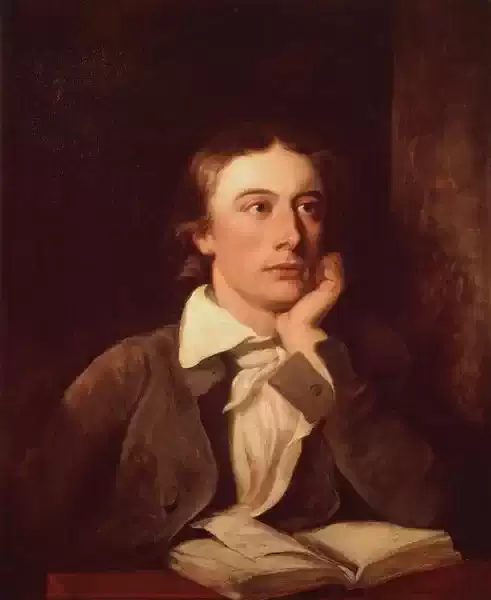
John Keats
You Say You Love
You Say You Love
I
You say you love ; but with a voice
Chaster than a nun's, who singeth
The soft Vespers to herself
While the chime-bell ringeth-
O love me truly!
II
You say you love; but with a smile
Cold as sunrise in September,
As you were Saint Cupid 's nun,
And kept his weeks of Ember.
O love me truly!
III
You say you love but then your lips
Coral tinted teach no blisses,
More than coral in the sea
They never pout for kisses
O love me truly!
IV
You say you love ; but then your hand
No soft squeeze for squeeze returneth,
It is like a statue's dead
While mine to passion burneth
O love me truly!
V
O breathe a word or two of fire!
Smile, as if those words should bum me,
Squeeze as lovers should O kiss
And in thy heart inurn me!
O love me truly!
I
You say you love ; but with a voice
Chaster than a nun's, who singeth
The soft Vespers to herself
While the chime-bell ringeth-
O love me truly!
II
You say you love; but with a smile
Cold as sunrise in September,
As you were Saint Cupid 's nun,
And kept his weeks of Ember.
O love me truly!
III
You say you love but then your lips
Coral tinted teach no blisses,
More than coral in the sea
They never pout for kisses
O love me truly!
IV
You say you love ; but then your hand
No soft squeeze for squeeze returneth,
It is like a statue's dead
While mine to passion burneth
O love me truly!
V
O breathe a word or two of fire!
Smile, as if those words should bum me,
Squeeze as lovers should O kiss
And in thy heart inurn me!
O love me truly!
459
John Keats
Written on a Summer Evening
Written on a Summer Evening
The church bells toll a melancholy round,
Calling the people to some other prayers,
Some other gloominess, more dreadful cares,
More harkening to the sermon's horrid sound.
Surely the mind of man is closely bound
In some blind spell: seeing that each one tears
Himself from fireside joys and Lydian airs,
And converse high of those with glory crowned.
Still, still they toll, and I should feel a damp,
A chill as from a tomb, did I not know
That they are dying like an outburnt lamp, -
That 'tis their sighing, wailing, ere they go
Into oblivion -that fresh flowers will grow,
And many glories of immortal stamp.
The church bells toll a melancholy round,
Calling the people to some other prayers,
Some other gloominess, more dreadful cares,
More harkening to the sermon's horrid sound.
Surely the mind of man is closely bound
In some blind spell: seeing that each one tears
Himself from fireside joys and Lydian airs,
And converse high of those with glory crowned.
Still, still they toll, and I should feel a damp,
A chill as from a tomb, did I not know
That they are dying like an outburnt lamp, -
That 'tis their sighing, wailing, ere they go
Into oblivion -that fresh flowers will grow,
And many glories of immortal stamp.
418
John Keats
Written on a Blank Space
Written on a Blank Space
This pleasant tale is like a little copse:
The honied lines so freshly interlace,
To keep the reader in so sweet a place,
So that he here and there full-hearted stops;
And oftentimes he feels the dewy drops
Come cool and suddenly against his face,
And, by the wandering melody, may trace
Which way the tender-legged linnet hops.
Oh! what a power has white Simplicity!
What mighty power has this gentle story!
I, that do ever feel athirst for glory,
Could at this moment be content to lie
Meekly upon the grass, as those whose sobbings
Were heard of none beside the mournful robins.
This pleasant tale is like a little copse:
The honied lines so freshly interlace,
To keep the reader in so sweet a place,
So that he here and there full-hearted stops;
And oftentimes he feels the dewy drops
Come cool and suddenly against his face,
And, by the wandering melody, may trace
Which way the tender-legged linnet hops.
Oh! what a power has white Simplicity!
What mighty power has this gentle story!
I, that do ever feel athirst for glory,
Could at this moment be content to lie
Meekly upon the grass, as those whose sobbings
Were heard of none beside the mournful robins.
376
John Keats
Written Before Re-Reading King Lear
Written Before Re-Reading King Lear
O golden-tongued Romance with serene lute!
Fair plumed Syren! Queen of far away!
Leave melodizing on this wintry day,
Shut up thine olden pages, and be mute.
Adieu! for once again the fierce dispute
Betwixt damnation and impassioned clay
Must I burn through; once more humbly assay
The bitter-sweet of this Shakespearian fruit.
Chief Poet! and ye clouds of Albion,
Begetters of our deep eternal theme,
When through the old oak Forest I am gone,
Let me not wander in a barren dream,
But when I am consumed in the Fire,
Give me new Phoenix wings to fly at my desire.
O golden-tongued Romance with serene lute!
Fair plumed Syren! Queen of far away!
Leave melodizing on this wintry day,
Shut up thine olden pages, and be mute.
Adieu! for once again the fierce dispute
Betwixt damnation and impassioned clay
Must I burn through; once more humbly assay
The bitter-sweet of this Shakespearian fruit.
Chief Poet! and ye clouds of Albion,
Begetters of our deep eternal theme,
When through the old oak Forest I am gone,
Let me not wander in a barren dream,
But when I am consumed in the Fire,
Give me new Phoenix wings to fly at my desire.
427
John Keats
Where Be Ye Going, You Devon Maid?
Where Be Ye Going, You Devon Maid?
WHERE be ye going, you Devon maid?
And what have ye there i' the basket?
Ye tight little fairy, just fresh from the dairy,
Will ye give me some cream if I ask it?
I love your meads, and I love your flowers,
And I love your junkets mainly,
But 'hind the door, I love kissing more,
O look not so disdainly!
I love your hills, and I love your dales,
And I love your flocks a-bleating;
But O, on the heather to lie together,
With both our hearts a-beating!
I'll put your basket all safe in a nook,
Your shawl I'll hang up on this willow,
And we will sigh in the daisy's eye,
And kiss on a grass-green pillow.
WHERE be ye going, you Devon maid?
And what have ye there i' the basket?
Ye tight little fairy, just fresh from the dairy,
Will ye give me some cream if I ask it?
I love your meads, and I love your flowers,
And I love your junkets mainly,
But 'hind the door, I love kissing more,
O look not so disdainly!
I love your hills, and I love your dales,
And I love your flocks a-bleating;
But O, on the heather to lie together,
With both our hearts a-beating!
I'll put your basket all safe in a nook,
Your shawl I'll hang up on this willow,
And we will sigh in the daisy's eye,
And kiss on a grass-green pillow.
414
John Keats
Why did I laugh tonight? No voice will tell
Why did I laugh tonight? No voice will tell
Why did I laugh tonight? No voice will tell
No God, no demon of severe response
Deigns to reply from heaven or from hell
Then to my human heart I turn at once:
Heart, thou and I are here, sad and alone,
Say, why did I laugh? O mortal pain!
O darkness! darkness! Forever must I moan
To question heaven and hell and heart in vain?
Why did I laugh? I know this being's lease
My fancy to it's utmost blisses spreads
Yet would I on this very midnight cease
And all the world's gaudy ensigns see in shreds
Verse, fame and beauty are intense indeed
But death intenser, death is life's high meed.
Why did I laugh tonight? No voice will tell
No God, no demon of severe response
Deigns to reply from heaven or from hell
Then to my human heart I turn at once:
Heart, thou and I are here, sad and alone,
Say, why did I laugh? O mortal pain!
O darkness! darkness! Forever must I moan
To question heaven and hell and heart in vain?
Why did I laugh? I know this being's lease
My fancy to it's utmost blisses spreads
Yet would I on this very midnight cease
And all the world's gaudy ensigns see in shreds
Verse, fame and beauty are intense indeed
But death intenser, death is life's high meed.
449
John Keats
When I Have Fears
When I Have Fears
When I have fears that I may cease to be
Before my pen has glean'd my teeming brain,
Before high-piled books, in charactery,
Hold like rich garners the full ripen'd grain;
When I behold, upon the night's starr'd face,
Huge cloudy symbols of a high romance,
And think that I may never live to trace
Their shadows, with the magic hand of chance;
And when I feel, fair creature of an hour,
That I shall never look upon thee more,
Never have relish in the faery power
Of unreflecting love;--then on the shore
Of the wide world I stand alone, and think
Till love and fame to nothingness do sink.
When I have fears that I may cease to be
Before my pen has glean'd my teeming brain,
Before high-piled books, in charactery,
Hold like rich garners the full ripen'd grain;
When I behold, upon the night's starr'd face,
Huge cloudy symbols of a high romance,
And think that I may never live to trace
Their shadows, with the magic hand of chance;
And when I feel, fair creature of an hour,
That I shall never look upon thee more,
Never have relish in the faery power
Of unreflecting love;--then on the shore
Of the wide world I stand alone, and think
Till love and fame to nothingness do sink.
460
John Keats
Two Sonnets. To Haydon, With A Sonnet Written On Seeing The Elgin Marbles
Two Sonnets. To Haydon, With A Sonnet Written On Seeing The Elgin Marbles
I.
Haydon! forgive me that I cannot speak
Definitively of these mighty things;
Forgive me, that I have not eagle's wings,
That what I want I know not where to seek,
And think that I would not be over-meek,
In rolling out upfollowed thunderings,
Even to the steep of Heliconian springs,
Were I of ample strength for such a freak.
Think, too, that all these numbers should be thine;
Whose else? In this who touch thy vesture's hem?
For, when men stared at what was most divine
With brainless idiotism and o'erwise phlegm,
Thou hadst beheld the full Hesperian shine
Of their star in the east, and gone to worship them.
II. On Seeing The Elgin Marbles.
My spirit is too weak - mortality
Weighs heavily upon me like unwilling sleep,
And each imagined pinnacle and steep
Of godlike hardship tells me I must die
Like a sick eagle looking at the sky.
Yet 'tis a gentle luxury to weep
That I have not the cloudy winds to keep,
Fresh for the opening of the morning's eye.
Such dim-conceived glories of the brain
Bring round the heart an undescribable feud;
So do these wonders a most dizzy pain,
That mingles Grecian grandeur with the rude
Wasting of old Time -- with a billowy main --
A sun -- a shadow of a magnitude.
I.
Haydon! forgive me that I cannot speak
Definitively of these mighty things;
Forgive me, that I have not eagle's wings,
That what I want I know not where to seek,
And think that I would not be over-meek,
In rolling out upfollowed thunderings,
Even to the steep of Heliconian springs,
Were I of ample strength for such a freak.
Think, too, that all these numbers should be thine;
Whose else? In this who touch thy vesture's hem?
For, when men stared at what was most divine
With brainless idiotism and o'erwise phlegm,
Thou hadst beheld the full Hesperian shine
Of their star in the east, and gone to worship them.
II. On Seeing The Elgin Marbles.
My spirit is too weak - mortality
Weighs heavily upon me like unwilling sleep,
And each imagined pinnacle and steep
Of godlike hardship tells me I must die
Like a sick eagle looking at the sky.
Yet 'tis a gentle luxury to weep
That I have not the cloudy winds to keep,
Fresh for the opening of the morning's eye.
Such dim-conceived glories of the brain
Bring round the heart an undescribable feud;
So do these wonders a most dizzy pain,
That mingles Grecian grandeur with the rude
Wasting of old Time -- with a billowy main --
A sun -- a shadow of a magnitude.
424
John Keats
Two Or Three
Two Or Three
Two or three Posies
With two or three simples--
Two or three Noses
With two or three pimples--
Two or three wise men
And two or three ninny's--
Two or three guineas--
Two or three raps
At two or three doors--
Two or three naps
Of two or three hours--
Two or three Cats
And two or three mice--
Two or three sprats
At a very great price--
Two or three sandies
And two or three tabbies--
Two or three dandies
And two Mrs.------
Two or three Smiles
And two or three frowns--
Two or three Miles
To two or three towns--
Two or three pegs
For two or three bonnets--
Two or three dove eggs
To hatch into sonnets.
Two or three Posies
With two or three simples--
Two or three Noses
With two or three pimples--
Two or three wise men
And two or three ninny's--
Two or three guineas--
Two or three raps
At two or three doors--
Two or three naps
Of two or three hours--
Two or three Cats
And two or three mice--
Two or three sprats
At a very great price--
Two or three sandies
And two or three tabbies--
Two or three dandies
And two Mrs.------
Two or three Smiles
And two or three frowns--
Two or three Miles
To two or three towns--
Two or three pegs
For two or three bonnets--
Two or three dove eggs
To hatch into sonnets.
433
John Keats
To-
To-
Had I a man's fair form, then might my sighs
Be echoed swiftly through that ivory shell,
Thine ear, and find thy gentle heart; so well
Would passion arm me for the enterprise:
But ah! I am no knight whose foeman dies;
No cuirass glistens on my bosom's swell;
I am no happy shepherd of the dell
Whose lips have trembled with a maiden's eyes.
Yet must I dote upon thee,-call thee sweet,
Sweeter by far than Hybla's honied roses
When steeped in dew rich to intoxication.
Ah! I will taste that dew, for me 'tis meet,
And when the moon her pallid face discloses,
I'll gather some by spells, and incantation.
Had I a man's fair form, then might my sighs
Be echoed swiftly through that ivory shell,
Thine ear, and find thy gentle heart; so well
Would passion arm me for the enterprise:
But ah! I am no knight whose foeman dies;
No cuirass glistens on my bosom's swell;
I am no happy shepherd of the dell
Whose lips have trembled with a maiden's eyes.
Yet must I dote upon thee,-call thee sweet,
Sweeter by far than Hybla's honied roses
When steeped in dew rich to intoxication.
Ah! I will taste that dew, for me 'tis meet,
And when the moon her pallid face discloses,
I'll gather some by spells, and incantation.
348
John Keats
To Solitude
To Solitude
O Solitude! if I must with thee dwell,
Let it not be among the jumbled heap
Of murky buildings; climb with me the steep, -
Nature's observatory -- whence the dell,
Its flowery slopes, its river's crystal swell,
May seem a span; let me thy vigils keep
'Mongst boughs pavilion'd, where the deer's swift leap
Startles the wild bee from the foxglove bell.
But though I'll gladly trace these scenes with thee,
Yet the sweet converse of an innocent mind,
Whose words are images of thoughts refin'd,
Is my soul's pleasure; and it sure must be
Almost the highest bliss of human-kind,
When to thy haunts two kindred spirits flee.
O Solitude! if I must with thee dwell,
Let it not be among the jumbled heap
Of murky buildings; climb with me the steep, -
Nature's observatory -- whence the dell,
Its flowery slopes, its river's crystal swell,
May seem a span; let me thy vigils keep
'Mongst boughs pavilion'd, where the deer's swift leap
Startles the wild bee from the foxglove bell.
But though I'll gladly trace these scenes with thee,
Yet the sweet converse of an innocent mind,
Whose words are images of thoughts refin'd,
Is my soul's pleasure; and it sure must be
Almost the highest bliss of human-kind,
When to thy haunts two kindred spirits flee.
445
John Keats
To The Ladies Who Saw Me Crowned
To The Ladies Who Saw Me Crowned
WHAT is there in the universal Earth
More lovely than a Wreath from the bay tree?
Haply a Halo round the Moon a glee
Circling from three sweet pair of Lips in Mirth;
And haply you will say the dewy birth
Of morning Roses ripplings tenderly
Spread by the Halcyon's breast upon the Sea
But these Comparisons are nothing worth
Then is there nothing in the world so fair?
The silvery tears of April? Youth of May?
Or June that breathes out life for butterflies?
No none of these can from my favourite bear
Away the Palm yet shall it ever pay
Due Reverence to your most sovereign eyes.
WHAT is there in the universal Earth
More lovely than a Wreath from the bay tree?
Haply a Halo round the Moon a glee
Circling from three sweet pair of Lips in Mirth;
And haply you will say the dewy birth
Of morning Roses ripplings tenderly
Spread by the Halcyon's breast upon the Sea
But these Comparisons are nothing worth
Then is there nothing in the world so fair?
The silvery tears of April? Youth of May?
Or June that breathes out life for butterflies?
No none of these can from my favourite bear
Away the Palm yet shall it ever pay
Due Reverence to your most sovereign eyes.
417
John Keats
To My Brother George
To My Brother George
Many the wonders I this day have seen:
The sun, when first he kissed away the tears
That filled the eyes of Morn;-the laurelled peers
Who from the feathery gold of evening lean;-
The ocean with its vastness, its blue green,
Its ships, its rocks, its caves, its hopes, its fears,
Its voice mysterious, which whoso hears
Must think on what will be, and what has been.
E'en now, dear George, while this for you I write,
Cynthia is from her silken curtains peeping
So scantly, that it seems her bridal night,
And she her half-discovered revels keeping.
But what, without the social thought of thee,
Would be the wonders of the sky and sea?
Many the wonders I this day have seen:
The sun, when first he kissed away the tears
That filled the eyes of Morn;-the laurelled peers
Who from the feathery gold of evening lean;-
The ocean with its vastness, its blue green,
Its ships, its rocks, its caves, its hopes, its fears,
Its voice mysterious, which whoso hears
Must think on what will be, and what has been.
E'en now, dear George, while this for you I write,
Cynthia is from her silken curtains peeping
So scantly, that it seems her bridal night,
And she her half-discovered revels keeping.
But what, without the social thought of thee,
Would be the wonders of the sky and sea?
453
John Keats
To one who has been long in city pent
To one who has been long in city pent
To one who has been long in city pent,
'Tis very sweet to look into the fair
And open face of heaven,--to breathe a prayer
Full in the smile of the blue firmament.
Who is more happy, when, with heart's content,
Fatigued he sinks into some pleasant lair
Of wavy grass, and reads a debonair
And gentle tale of love and languishment?
Returning home at evening, with an ear
Catching the notes of Philomel,--an eye
Watching the sailing cloudlet's bright career,
He mourns that day so soon has glided by:
E'en like the passage of an angel's tear
That falls through the clear ether silently.
To one who has been long in city pent,
'Tis very sweet to look into the fair
And open face of heaven,--to breathe a prayer
Full in the smile of the blue firmament.
Who is more happy, when, with heart's content,
Fatigued he sinks into some pleasant lair
Of wavy grass, and reads a debonair
And gentle tale of love and languishment?
Returning home at evening, with an ear
Catching the notes of Philomel,--an eye
Watching the sailing cloudlet's bright career,
He mourns that day so soon has glided by:
E'en like the passage of an angel's tear
That falls through the clear ether silently.
404
John Keats
To John Hamilton Reynolds
To John Hamilton Reynolds
O that a week could be an age, and we
Felt parting and warm meeting every week,
Then one poor year a thousand years would be,
The flush of welcome ever on the cheek:
So could we live long life in little space,
So time itself would be annihilate,
So a day's journey in oblivious haze
To serve ourjoys would lengthen and dilate.
O to arrive each Monday morn from Ind!
To land each Tuesday from the rich Levant!
In little time a host of joys to bind,
And keep our souls in one eternal pant!
This morn, my friend, and yester-evening taught
Me how to harbour such a happy thought.
O that a week could be an age, and we
Felt parting and warm meeting every week,
Then one poor year a thousand years would be,
The flush of welcome ever on the cheek:
So could we live long life in little space,
So time itself would be annihilate,
So a day's journey in oblivious haze
To serve ourjoys would lengthen and dilate.
O to arrive each Monday morn from Ind!
To land each Tuesday from the rich Levant!
In little time a host of joys to bind,
And keep our souls in one eternal pant!
This morn, my friend, and yester-evening taught
Me how to harbour such a happy thought.
438
John Keats
To Homer
To Homer
Standing aloof in giant ignorance,
Of thee I hear and of the Cyclades,
As one who sits ashore and longs perchance
To visit dolphin-coral in deep seas.
So thou wast blind;--but then the veil was rent,
For Jove uncurtain'd Heaven to let thee live,
And Neptune made for thee a spumy tent,
And Pan made sing for thee his forest-hive;
Aye on the shores of darkness there is light,
And precipices show untrodden green,
There is a budding morrow in midnight,
There is a triple sight in blindness keen;
Such seeing hadst thou, as it once befel
To Dian, Queen of Earth, and Heaven, and Hell.
Standing aloof in giant ignorance,
Of thee I hear and of the Cyclades,
As one who sits ashore and longs perchance
To visit dolphin-coral in deep seas.
So thou wast blind;--but then the veil was rent,
For Jove uncurtain'd Heaven to let thee live,
And Neptune made for thee a spumy tent,
And Pan made sing for thee his forest-hive;
Aye on the shores of darkness there is light,
And precipices show untrodden green,
There is a budding morrow in midnight,
There is a triple sight in blindness keen;
Such seeing hadst thou, as it once befel
To Dian, Queen of Earth, and Heaven, and Hell.
449
John Keats
To Fanny
To Fanny
I cry your mercy-pity-love!-aye, love!
Merciful love that tantalizes not,
One-thoughted, never-wandering, guileless love,
Unmasked, and being seen-without a blot!
O! let me have thee whole,-all-all-be mine!
That shape, that fairness, that sweet minor zest
Of love, your kiss,-those hands, those eyes divine,
That warm, white, lucent, million-pleasured breast,Yourself-
your soul-in pity give me all,
Withhold no atom's atom or I die,
Or living on, perhaps, your wretched thrall,
Forget, in the mist of idle misery,
Life's purposes,-the palate of my mind
Losing its gust, and my ambition blind!
I cry your mercy-pity-love!-aye, love!
Merciful love that tantalizes not,
One-thoughted, never-wandering, guileless love,
Unmasked, and being seen-without a blot!
O! let me have thee whole,-all-all-be mine!
That shape, that fairness, that sweet minor zest
Of love, your kiss,-those hands, those eyes divine,
That warm, white, lucent, million-pleasured breast,Yourself-
your soul-in pity give me all,
Withhold no atom's atom or I die,
Or living on, perhaps, your wretched thrall,
Forget, in the mist of idle misery,
Life's purposes,-the palate of my mind
Losing its gust, and my ambition blind!
438
John Keats
To George Felton Mathew
To George Felton Mathew
Sweet are the pleasures that to verse belong,
And doubly sweet a brotherhood in song;
Nor can remembrance, Mathew! bring to view
A fate more pleasing, a delight more true
Than that in which the brother Poets joy'd,
Who with combined powers, their wit employ'd
To raise a trophy to the drama's muses.
The thought of this great partnership diffuses
Over the genius loving heart, a feeling
Of all that's high, and great, and good, and healing.
Too partial friend! fain would I follow thee
Past each horizon of fine poesy;
Fain would I echo back each pleasant note
As o'er Sicilian seas, clear anthems float
'Mong the light skimming gondolas far parted,
Just when the sun his farewell beam has darted:
But 'tis impossible, far different cares
Beckon me sternly from soft 'Lydian airs,'
And hold my faculties so long in thrall,
That I am oft in doubt whether at all
I shall again see Phoebus in the morning:
Or flush'd Aurora in the roseate dawning!
Or a white Naiad in a rippling stream;
Or a rapt seraph in a moonlight beam;
Or again witness what with thee I've seen,
The dew by fairy feet swept from the green,
After a night of some quaint jubilee
Which every elf and fay had come to see:
When bright processions took their airy march
Beneath the curved moon's triumphal arch.
But might I now each passing moment give
To the coy muse, with me she would not live
In this dark city, nor would condescend
'Mid contradictions her delights to lend.
Should e'er the fine-eyed maid to me be kind,
Ah! surely it must be whene'er I find
Some flowery spot, sequester'd, wild, romantic,
That often must have seen a poet frantic;
Where oaks, that erst the Druid knew, are growing,
And flowers, the glory of one day, are blowing;
Where the dark-leav'd laburnum's drooping clusters
Reflect athwart the stream their yellow lustres,
And intertwined the cassia's arms unite,
With its own drooping buds, but very white.
Where on one side are covert branches hung,
'Mong which the nightingales have always sung
In leafy quiet; where to pry, aloof,
Atween the pillars of the sylvan roof,
Would be to find where violet beds were nestling,
And where the bee with cowslip bells was wrestling.
There must be too a ruin dark, and gloomy,
To say 'joy not too much in all that's bloomy.'
Yet this is vain--O Mathew lend thy aid
To find a place where I may greet the maid--
Where we may soft humanity put on,
And sit, and rhyme and think on Chatterton;
And that warm-hearted Shakspeare sent to meet him
Four laurell'd spirits, heaven-ward to intreat him.
With reverence would we speak of all the sages
Who have left streaks of light athwart their ages:
And thou shouldst moralize on Milton's blindness,
And mourn the fearful dearth of human kindness
To those who strove with the bright golden wing
Of genius, to flap away each sting
Thrown by the pitiless world. We next could tell
Of those who in the cause of freedom fell;
Of our own Alfred, of Helvetian Tell;
Of him whose name to ev'ry heart's a solace,
High-minded and unbending William Wallace.
While to the rugged north our musing turns
We well might drop a tear for him, and Burns.
Felton! without incitements such as these,
How vain for me the niggard Muse to tease;
For thee, she will thy every dwelling grace,
And make 'a sunshine in a shady place:'
For thou wast once a flowret blooming wild,
Close to the source, bright, pure, and undefil'd,
Whence gush the streams of song: in happy hour
Came chaste Diana from her shady bower,
Just as the sun was from the east uprising;
And, as for him some gift she was devising,
Beheld thee, pluck'd thee, cast thee in the stream
To meet her glorious brother’s greeting beam.
I marvel much that thou hast never told
How, from a flower, into a fish of gold
Apollo chang'd thee; how thou next didst seem
A black-eyed swan upon the widening stream;
And when thou first didst in that mirror trace
The placid features of a human face:
That thou hast never told thy travels strange,
And all the wonders of the mazy range
O’er pebbly crystal, and o'er golden sands;
Kissing thy daily food from Naiad’s pearly hands.
Sweet are the pleasures that to verse belong,
And doubly sweet a brotherhood in song;
Nor can remembrance, Mathew! bring to view
A fate more pleasing, a delight more true
Than that in which the brother Poets joy'd,
Who with combined powers, their wit employ'd
To raise a trophy to the drama's muses.
The thought of this great partnership diffuses
Over the genius loving heart, a feeling
Of all that's high, and great, and good, and healing.
Too partial friend! fain would I follow thee
Past each horizon of fine poesy;
Fain would I echo back each pleasant note
As o'er Sicilian seas, clear anthems float
'Mong the light skimming gondolas far parted,
Just when the sun his farewell beam has darted:
But 'tis impossible, far different cares
Beckon me sternly from soft 'Lydian airs,'
And hold my faculties so long in thrall,
That I am oft in doubt whether at all
I shall again see Phoebus in the morning:
Or flush'd Aurora in the roseate dawning!
Or a white Naiad in a rippling stream;
Or a rapt seraph in a moonlight beam;
Or again witness what with thee I've seen,
The dew by fairy feet swept from the green,
After a night of some quaint jubilee
Which every elf and fay had come to see:
When bright processions took their airy march
Beneath the curved moon's triumphal arch.
But might I now each passing moment give
To the coy muse, with me she would not live
In this dark city, nor would condescend
'Mid contradictions her delights to lend.
Should e'er the fine-eyed maid to me be kind,
Ah! surely it must be whene'er I find
Some flowery spot, sequester'd, wild, romantic,
That often must have seen a poet frantic;
Where oaks, that erst the Druid knew, are growing,
And flowers, the glory of one day, are blowing;
Where the dark-leav'd laburnum's drooping clusters
Reflect athwart the stream their yellow lustres,
And intertwined the cassia's arms unite,
With its own drooping buds, but very white.
Where on one side are covert branches hung,
'Mong which the nightingales have always sung
In leafy quiet; where to pry, aloof,
Atween the pillars of the sylvan roof,
Would be to find where violet beds were nestling,
And where the bee with cowslip bells was wrestling.
There must be too a ruin dark, and gloomy,
To say 'joy not too much in all that's bloomy.'
Yet this is vain--O Mathew lend thy aid
To find a place where I may greet the maid--
Where we may soft humanity put on,
And sit, and rhyme and think on Chatterton;
And that warm-hearted Shakspeare sent to meet him
Four laurell'd spirits, heaven-ward to intreat him.
With reverence would we speak of all the sages
Who have left streaks of light athwart their ages:
And thou shouldst moralize on Milton's blindness,
And mourn the fearful dearth of human kindness
To those who strove with the bright golden wing
Of genius, to flap away each sting
Thrown by the pitiless world. We next could tell
Of those who in the cause of freedom fell;
Of our own Alfred, of Helvetian Tell;
Of him whose name to ev'ry heart's a solace,
High-minded and unbending William Wallace.
While to the rugged north our musing turns
We well might drop a tear for him, and Burns.
Felton! without incitements such as these,
How vain for me the niggard Muse to tease;
For thee, she will thy every dwelling grace,
And make 'a sunshine in a shady place:'
For thou wast once a flowret blooming wild,
Close to the source, bright, pure, and undefil'd,
Whence gush the streams of song: in happy hour
Came chaste Diana from her shady bower,
Just as the sun was from the east uprising;
And, as for him some gift she was devising,
Beheld thee, pluck'd thee, cast thee in the stream
To meet her glorious brother’s greeting beam.
I marvel much that thou hast never told
How, from a flower, into a fish of gold
Apollo chang'd thee; how thou next didst seem
A black-eyed swan upon the widening stream;
And when thou first didst in that mirror trace
The placid features of a human face:
That thou hast never told thy travels strange,
And all the wonders of the mazy range
O’er pebbly crystal, and o'er golden sands;
Kissing thy daily food from Naiad’s pearly hands.
440
John Keats
To Ailsa Rock
To Ailsa Rock
Hearken, thou craggy ocean-pyramid,
Give answer by thy voice-the sea-fowls' screams!
When were thy shoulders mantled in huge streams?
When from the sun was thy broad forehead hid?
How long is't since the mighty Power bid
Thee heave to airy sleep from fathom dreams-
Sleep in the lap of thunder or sunbeams-
Or when grey clouds are thy cold coverlid!
Thou answer'st not; for thou art dead asleep.
Thy life is but two dead eternities,
The last in air, the former in the deep!
First with the whales, last with the eagle-skies!
Drowned wast thou till an earthquake made thee steep,
Another cannot wake thy giant-size!
Hearken, thou craggy ocean-pyramid,
Give answer by thy voice-the sea-fowls' screams!
When were thy shoulders mantled in huge streams?
When from the sun was thy broad forehead hid?
How long is't since the mighty Power bid
Thee heave to airy sleep from fathom dreams-
Sleep in the lap of thunder or sunbeams-
Or when grey clouds are thy cold coverlid!
Thou answer'st not; for thou art dead asleep.
Thy life is but two dead eternities,
The last in air, the former in the deep!
First with the whales, last with the eagle-skies!
Drowned wast thou till an earthquake made thee steep,
Another cannot wake thy giant-size!
368
John Keats
To Byron
To Byron
Byron! how sweetly sad thy melody!
Attuning still the soul to tenderness,
As if soft Pity, with unusual stress,
Had touch'd her plaintive lute, and thou, being by,
Hadst caught the tones, nor suffer'd them to die.
O'ershadowing sorrow doth not make thee less
Delightful: thou thy griefs dost dress
With a bright halo, shining beamily,
As when a cloud the golden moon doth veil,
Its sides are ting'd with a resplendent glow,
Through the dark robe oft amber rays prevail,
And like fair veins in sable marble flow;
Still warble, dying swan! still tell the tale,
The enchanting tale, the tale of pleasing woe.
Byron! how sweetly sad thy melody!
Attuning still the soul to tenderness,
As if soft Pity, with unusual stress,
Had touch'd her plaintive lute, and thou, being by,
Hadst caught the tones, nor suffer'd them to die.
O'ershadowing sorrow doth not make thee less
Delightful: thou thy griefs dost dress
With a bright halo, shining beamily,
As when a cloud the golden moon doth veil,
Its sides are ting'd with a resplendent glow,
Through the dark robe oft amber rays prevail,
And like fair veins in sable marble flow;
Still warble, dying swan! still tell the tale,
The enchanting tale, the tale of pleasing woe.
401
John Keats
To A Friend Who Sent Me Some Roses
To A Friend Who Sent Me Some Roses
As late I rambled in the happy fields,
What time the skylark shakes the tremulous dew
From his lush clover covert;-when anew
Adventurous knights take up their dinted shields;
I saw the sweetest flower wild nature yields,
A fresh-blown musk-rose; 'twas the first that threw
Its sweets upon the summer: graceful it grew
As is the wand that Queen Titania wields.
And, as I feasted on its fragrancy,
I thought the garden-rose it far excelled;
But when, O Wells! thy roses came to me,
My sense with their deliciousness was spelled:
Soft voices had they, that with tender plea
Whispered of peace, and truth, and friendliness unquelled.
As late I rambled in the happy fields,
What time the skylark shakes the tremulous dew
From his lush clover covert;-when anew
Adventurous knights take up their dinted shields;
I saw the sweetest flower wild nature yields,
A fresh-blown musk-rose; 'twas the first that threw
Its sweets upon the summer: graceful it grew
As is the wand that Queen Titania wields.
And, as I feasted on its fragrancy,
I thought the garden-rose it far excelled;
But when, O Wells! thy roses came to me,
My sense with their deliciousness was spelled:
Soft voices had they, that with tender plea
Whispered of peace, and truth, and friendliness unquelled.
426
John Keats
To ****
To ****
Hadst thou liv'd in days of old,
O what wonders had been told
Of thy lively countenance,
And thy humid eyes that dance
In the midst of their own brightness;
In the very fane of lightness.
Over which thine eyebrows, leaning,
Picture out each lovely meaning:
In a dainty bend they lie,
Like to streaks across the sky,
Or the feathers from a crow,
Fallen on a bed of snow.
Of thy dark hair that extends
Into many graceful bends:
As the leaves of Hellebore
Turn to whence they sprung before.
And behind each ample curl
Peeps the richness of a pearl.
Downward too flows many a tress
With a glossy waviness;
Full, and round like globes that rise
From the censer to the skies
Through sunny air. Add too, the sweetness
Of thy honied voice; the neatness
Of thine ankle lightly turn'd:
With those beauties, scarce discern'd,
Kept with such sweet privacy,
That they seldom meet the eye
Of the little loves that fly
Round about with eager pry.
Saving when, with freshening lave,
Thou dipp'st them in the taintless wave;
Like twin water lillies, born
In the coolness of the morn.
O, if thou hadst breathed then,
Now the Muses had been ten.
Couldst thou wish for lineage higher
Than twin sister of Thalia?
At least for ever, evermore,
Will I call the Graces four.
Hadst thou liv'd when chivalry
Lifted up her lance on high,
Tell me what thou wouldst have been?
Ah! I see the silver sheen
Of thy broidered, floating vest
Cov’ring half thine ivory breast;
Which, O heavens! I should see,
But that cruel destiny
Has placed a golden cuirass there;
Keeping secret what is fair.
Like sunbeams in a cloudlet nested
Thy locks in knightly casque are rested:
O’er which bend four milky plumes
Like the gentle lilly’s blooms
Springing from a costly vase.
See with what a stately pace
Comes thine alabaster steed;
Servant of heroic deed!
O'er his loins, his trappings glow
Like the northern lights on snow.
Mount his back! thy sword unsheath!
Sign of the enchanter's death;
Bane of every wicked spell;
Silencer of dragon's yell.
Alas! thou this wilt never do:
Thou art an enchantress too,
And wilt surely never spill
Blood of those whose eyes can kill.
Hadst thou liv'd in days of old,
O what wonders had been told
Of thy lively countenance,
And thy humid eyes that dance
In the midst of their own brightness;
In the very fane of lightness.
Over which thine eyebrows, leaning,
Picture out each lovely meaning:
In a dainty bend they lie,
Like to streaks across the sky,
Or the feathers from a crow,
Fallen on a bed of snow.
Of thy dark hair that extends
Into many graceful bends:
As the leaves of Hellebore
Turn to whence they sprung before.
And behind each ample curl
Peeps the richness of a pearl.
Downward too flows many a tress
With a glossy waviness;
Full, and round like globes that rise
From the censer to the skies
Through sunny air. Add too, the sweetness
Of thy honied voice; the neatness
Of thine ankle lightly turn'd:
With those beauties, scarce discern'd,
Kept with such sweet privacy,
That they seldom meet the eye
Of the little loves that fly
Round about with eager pry.
Saving when, with freshening lave,
Thou dipp'st them in the taintless wave;
Like twin water lillies, born
In the coolness of the morn.
O, if thou hadst breathed then,
Now the Muses had been ten.
Couldst thou wish for lineage higher
Than twin sister of Thalia?
At least for ever, evermore,
Will I call the Graces four.
Hadst thou liv'd when chivalry
Lifted up her lance on high,
Tell me what thou wouldst have been?
Ah! I see the silver sheen
Of thy broidered, floating vest
Cov’ring half thine ivory breast;
Which, O heavens! I should see,
But that cruel destiny
Has placed a golden cuirass there;
Keeping secret what is fair.
Like sunbeams in a cloudlet nested
Thy locks in knightly casque are rested:
O’er which bend four milky plumes
Like the gentle lilly’s blooms
Springing from a costly vase.
See with what a stately pace
Comes thine alabaster steed;
Servant of heroic deed!
O'er his loins, his trappings glow
Like the northern lights on snow.
Mount his back! thy sword unsheath!
Sign of the enchanter's death;
Bane of every wicked spell;
Silencer of dragon's yell.
Alas! thou this wilt never do:
Thou art an enchantress too,
And wilt surely never spill
Blood of those whose eyes can kill.
423
John Keats
Think Of It Not, Sweet One
Think Of It Not, Sweet One
THINK not of it, sweet one, so;--Give
it not a tear;
Sigh thou mayst, and bid it go
Any---anywhere.
Do not lool so sad, sweet one,--Sad
and fadingly;
Shed one drop then,---it is gone--O
'twas born to die!
Still so pale? then, dearest, weep;
Weep, I'll count the tears,
And each one shall be a bliss
For thee in after years.
Brighter has it left thine eyes
Than a sunny rill;
And thy whispering melodies
Are tenderer still.
Yet---as all things mourn awhile
At fleeting blisses,
E'en let us too! but be our dirge
A dirge of kisses.
THINK not of it, sweet one, so;--Give
it not a tear;
Sigh thou mayst, and bid it go
Any---anywhere.
Do not lool so sad, sweet one,--Sad
and fadingly;
Shed one drop then,---it is gone--O
'twas born to die!
Still so pale? then, dearest, weep;
Weep, I'll count the tears,
And each one shall be a bliss
For thee in after years.
Brighter has it left thine eyes
Than a sunny rill;
And thy whispering melodies
Are tenderer still.
Yet---as all things mourn awhile
At fleeting blisses,
E'en let us too! but be our dirge
A dirge of kisses.
359
John Keats
The Gadfly
The Gadfly
1.
All gentle folks who owe a grudge
To any living thing
Open your ears and stay your t[r]udge
Whilst I in dudgeon sing.
2.
The Gadfly he hath stung me sore--
O may he ne'er sting you!
But we have many a horrid bore
He may sting black and blue.
3.
Has any here an old grey Mare
With three legs all her store,
O put it to her Buttocks bare
And straight she'll run on four.
4.
Has any here a Lawyer suit
Of 1743,
Take Lawyer's nose and put it to't
And you the end will see.
5.
Is there a Man in Parliament
Dum[b-] founder'd in his speech,
O let his neighbour make a rent
And put one in his breech.
6.
O Lowther how much better thou
Hadst figur'd t'other day
When to the folks thou mad'st a bow
And hadst no more to say.
7.
If lucky Gadfly had but ta'en
His seat * * * * * * * * *
And put thee to a little pain
To save thee from a worse.
8.
Better than Southey it had been,
Better than Mr. D-------,
Better than Wordsworth too, I ween,
Better than Mr. V-------.
9.
Forgive me pray good people all
For deviating so --
In spirit sure I had a call -www.
PoemHunter.com - The World's Poetry Archive
And now I on will go.
10.
Has any here a daughter fair
Too fond of reading novels,
Too apt to fall in love with care
And charming Mister Lovels,
11.
O put a Gadfly to that thing
She keeps so white and pert --
I mean the finger for the ring,
And it will breed a wort.
12.
Has any here a pious spouse
Who seven times a day
Scolds as King David pray'd, to chouse
And have her holy way -13.
O let a Gadfly's little sting
Persuade her sacred tongue
That noises are a common thing,
But that her bell has rung.
14.
And as this is the summon bo
num of all conquering,
I leave 'withouten wordes mo'
The Gadfly's little sting.
1.
All gentle folks who owe a grudge
To any living thing
Open your ears and stay your t[r]udge
Whilst I in dudgeon sing.
2.
The Gadfly he hath stung me sore--
O may he ne'er sting you!
But we have many a horrid bore
He may sting black and blue.
3.
Has any here an old grey Mare
With three legs all her store,
O put it to her Buttocks bare
And straight she'll run on four.
4.
Has any here a Lawyer suit
Of 1743,
Take Lawyer's nose and put it to't
And you the end will see.
5.
Is there a Man in Parliament
Dum[b-] founder'd in his speech,
O let his neighbour make a rent
And put one in his breech.
6.
O Lowther how much better thou
Hadst figur'd t'other day
When to the folks thou mad'st a bow
And hadst no more to say.
7.
If lucky Gadfly had but ta'en
His seat * * * * * * * * *
And put thee to a little pain
To save thee from a worse.
8.
Better than Southey it had been,
Better than Mr. D-------,
Better than Wordsworth too, I ween,
Better than Mr. V-------.
9.
Forgive me pray good people all
For deviating so --
In spirit sure I had a call -www.
PoemHunter.com - The World's Poetry Archive
And now I on will go.
10.
Has any here a daughter fair
Too fond of reading novels,
Too apt to fall in love with care
And charming Mister Lovels,
11.
O put a Gadfly to that thing
She keeps so white and pert --
I mean the finger for the ring,
And it will breed a wort.
12.
Has any here a pious spouse
Who seven times a day
Scolds as King David pray'd, to chouse
And have her holy way -13.
O let a Gadfly's little sting
Persuade her sacred tongue
That noises are a common thing,
But that her bell has rung.
14.
And as this is the summon bo
num of all conquering,
I leave 'withouten wordes mo'
The Gadfly's little sting.
456