
Quotes
Quotes to inspire and reflect
The humorist has a good eye for the humbug; he does not always recognize the saint.
6
The teller of a mirthful tale has latitude allowed him. We are content with less than absolute truth.
8
A jest often decides matters of importance more effectually and happily than seriousness.
10
Better lose a jest than a friend.
7
When once you have got hold of a vulgar joke, you may be certain that you have got hold of a subtle and spiritual idea.
6
Do not seek so anxiously to be developed, to subject yourself to many influences to be played on; it is all dissipation. Humility like darkness reveals the heavenly lights.
5
Who builds a church to God and not to fame, / Will never mark the marble with his name.
9

Those who are believed to be most abject and humble are usually most ambitious and envious.
9
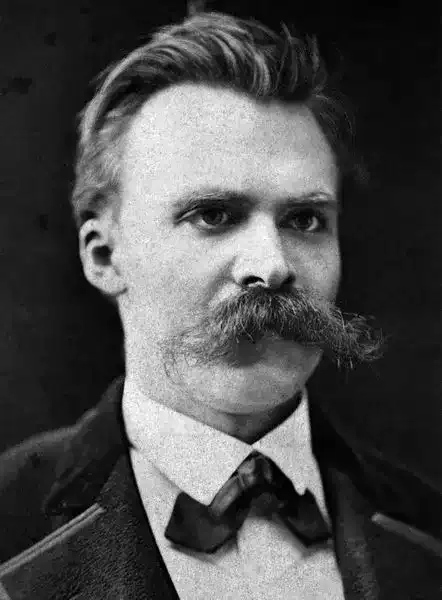
Humility has the toughest hide.
6
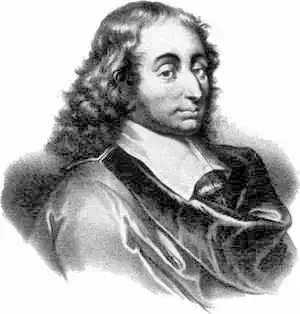
There must be feelings of humility, not from nature, but from penitence, not to rest in them, but to go on to greatness.
6
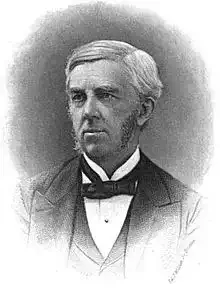
Humility is the first of the virtues—for other people.
6
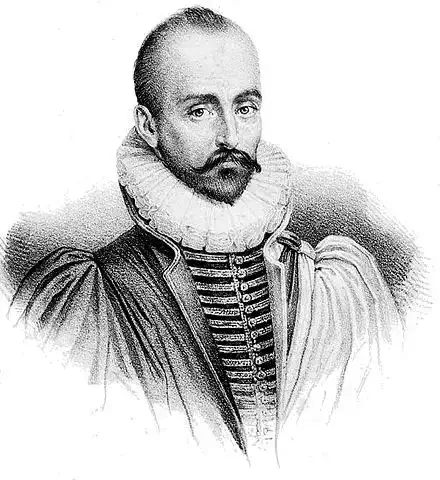
One may be humble out of pride.
5
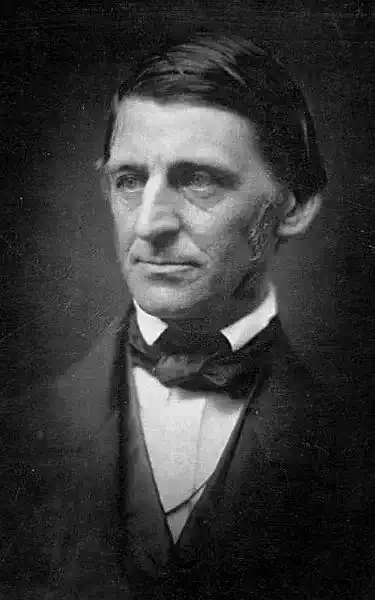
Nothing is beneath you if it is in the direction of your life.
4
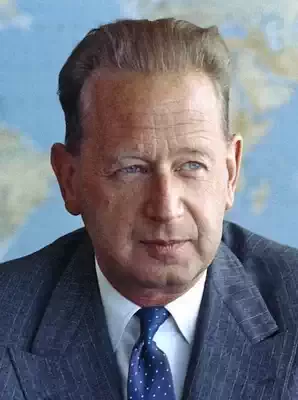
Humility is just as much the opposite of self- abasement as it is of self-exaltation.
12
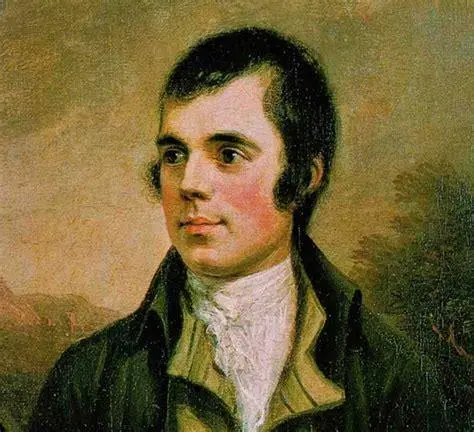
They are proud in humility; proud in that they are not proud.
8

Humility has its origin in an awareness of unworthiness, and sometimes too in a dazzled awareness of saintliness.
9
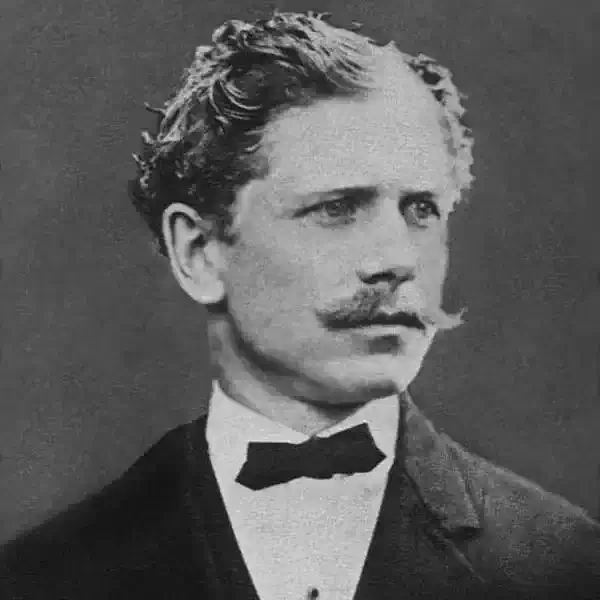
Meekness, n. Uncommon patience in planning a revenge that is worth while.
3
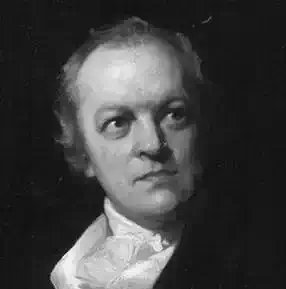
The eagle never lost so much time as when he submitted to learn of the crow.
14
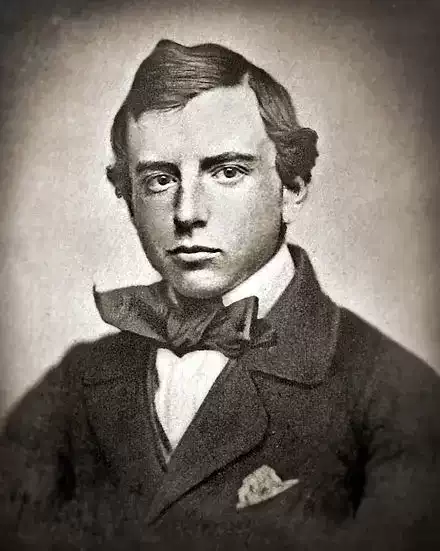
He never labored so hard to learn a language as he did to hold his tongue and it affected him for life. The habit of reticence—of talking without meaning—is never effaced.
5
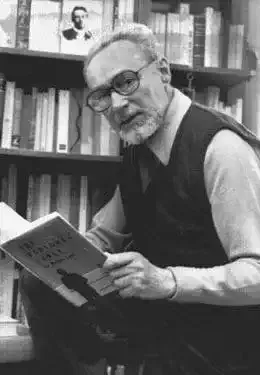
Imagine now a man who is deprived of everyone he loves, and at the same time of his house, his habits, his clothes, in short, of everything he possesses: he will be a hollow man, reduced to suffering and needs, forgetful of dignity and restraint, for he who loses all often loses himself.
13
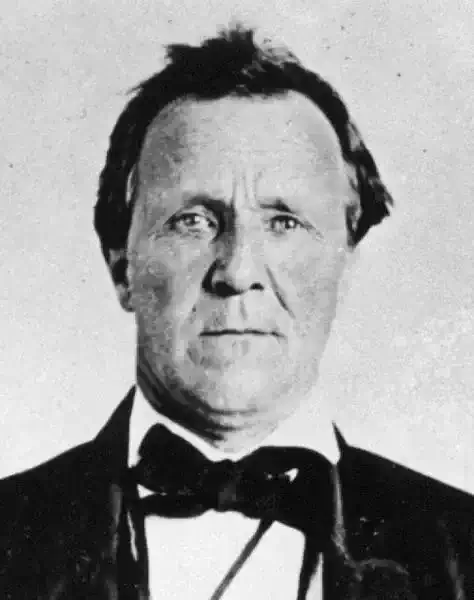
Altruism has always been one of biology’s deep mysteries. Why should any animal, off on its own, specified and labeled by all sorts of signals as its individual self, choose to give up its life in aid of someone else?
6
Philanthropy is almost the only virtue which is sufficiently appreciated by mankind.
5
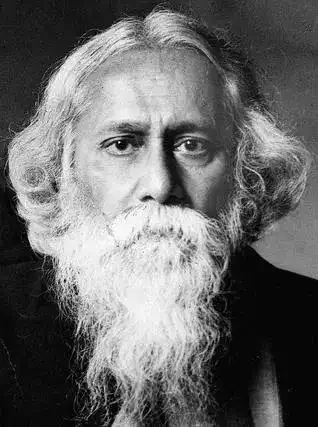
He who wants to do good knocks at the gate; he who loves finds the gate open.
11
He who is too busy doing good finds no time to be good.
15
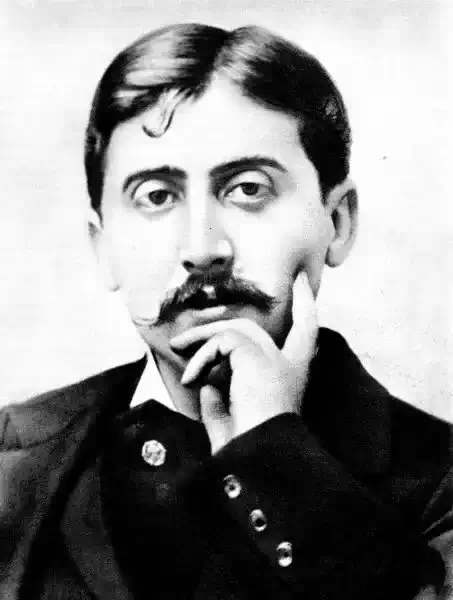
Human altruism which is not egoism, is sterile.
11
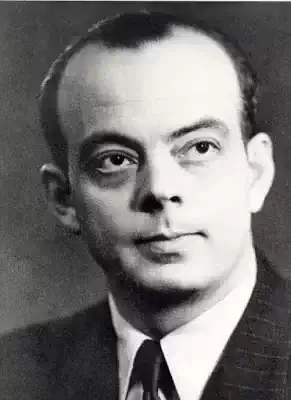
The dignity of the individual demands that he be not reduced to vassalage by the largesse of others.
8
If all alms were given only from pity, all beggars would have starved long ago.
10

High-toned humanitarians constantly overestimate the sufferings of those they sympathize with.
8
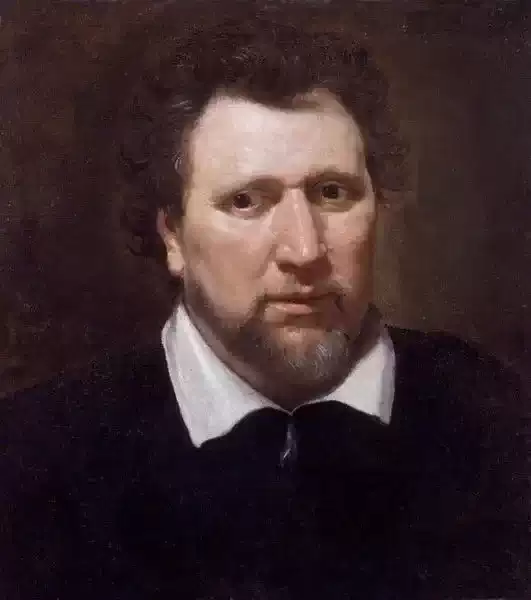
Men that talk of their own benefits are not believed to talk of them because they have done them, but to have done them because they might talk of them.
7
A large part of altruism, even when it is perfectly honest, is grounded upon the fact that it is uncomfortable to have unhappy people about one.
8
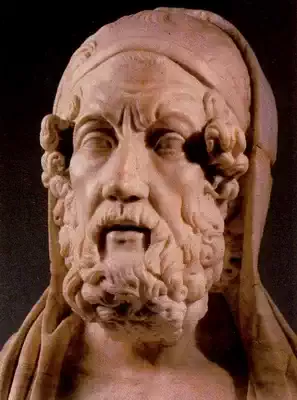
By Jove the stranger and the poor are sent, / And what to those we give, to Jove is lent.
15
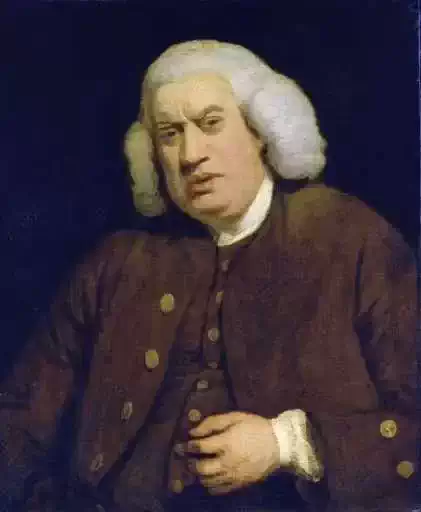
A decent provision for the poor is the true test of civilization.
4
The rich have no more of the kingdom of heaven than they have purchased of the poor by their alms.
10
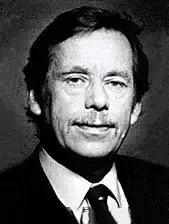
Human rights are universal and indivisible. Human freedom is also indivisible: if it is denied to anyone in the world, it is therefore denied, indirectly, to all people. This is why we cannot remain silent in the face of evil or violence; silence merely encourages them.
13
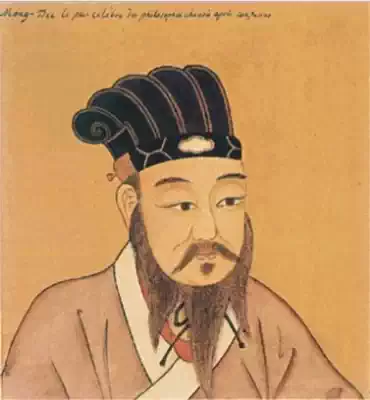
If I am virtuous and worthy, for whom should I not maintain a proper concern?
12
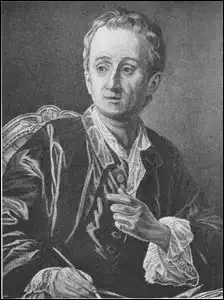
Isn’t it better to have men being ungrateful than to miss a chance to do good?
8
A man of humanity is one who, in seeking to establish himself, finds a foothold for others and who, desiring attainment for himself, helps others to attain.
16
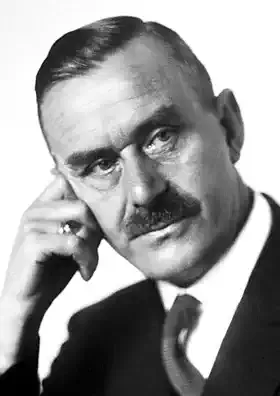
In all humanism there is an element of weakness, which in some circumstances may be its ruin, connected with its contempt of fanaticism, its patience, its love of scepticism; in short, its natural goodness.
7
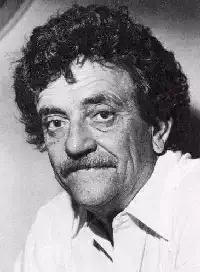
Just because we think we’re so wonderful doesn't mean we really are. We could be really terrible animals and just never admit it because it would hurt so much.
8
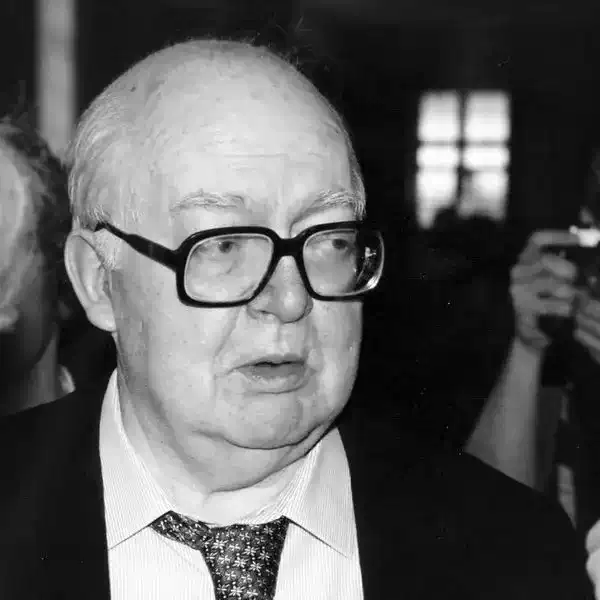
What the world needs is not redemption from sin but redemption from hunger and oppression; it has no need to pin its hopes upon Heaven, it has everything to hope for from this earth.
18
It is usually the case with most men that their nature is so constituted that they pity those who fare badly and envy those who fare well.
7
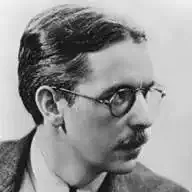
The human being says that the beast in him has been aroused, when what he actually means is that the human being in him has been aroused.
9
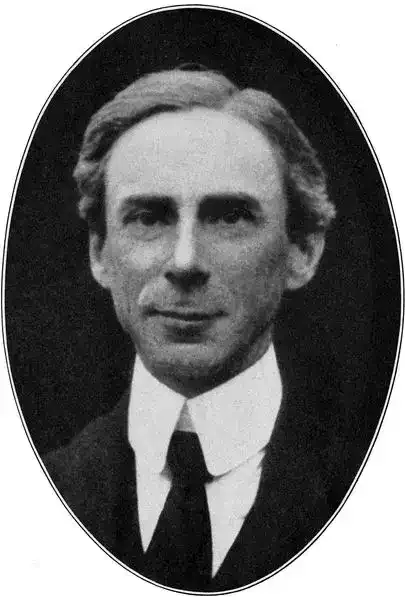
The dictum that human nature cannot be changed is one of those tiresome platitudes that conceal from the ignorant the depths of their own ignorance.
5
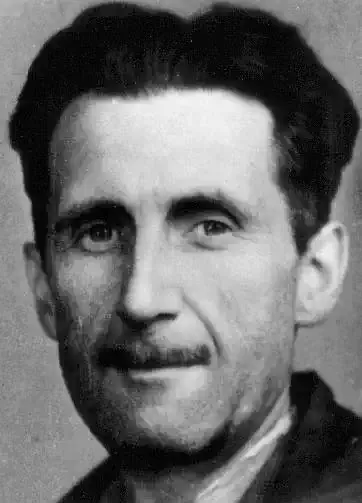
The essence of being human is that one does not seek perfection.
5
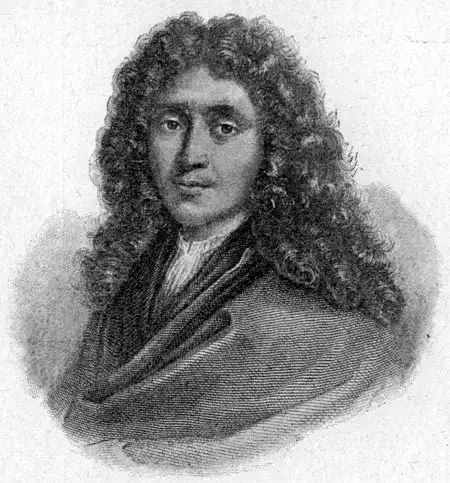
It disturbs me no more to find men base, unjust, or selfish than to see apes mischievous, wolves savage, or the vulture ravenous for its prey.
8
To be natural means to dare to be as immoral as Nature is.
5
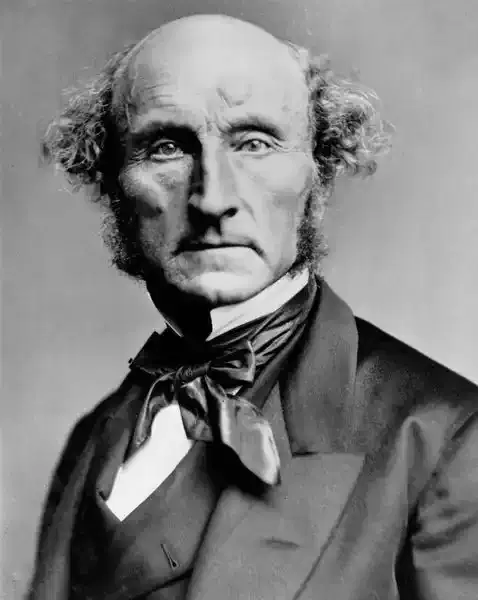
That a thing is unnatural ... is no argument for its being blamable; since the most criminal actions are, to a being like man, not more unnatural than most of the virtues.
8
Before Man made us citizens, great Nature made us men.
6