
Quotes
Quotes to inspire and reflect
The flower you single out is a rejection of all other flowers; nevertheless, only on these terms is it beautiful.
6
The man whom God wills to slay in the struggle of life He first individualizes.
5
The individual man tries to escape the race. And as soon as he ceases to represent the race, he represents man.
7
If individuality has no play, society does not advance; if individuality breaks out of all bounds, society perishes.
6
We fancy men are individuals; so are pumpkins; but every pumpkin in the field goes through every point of pumpkin history.
4
Man is more interesting than men. God made him and not them in his image. Each one is more precious than all.
7
The absolutely banal—my sense of my own uniqueness.
12
Every individual strives to grow and exclude and to exclude and grow, to the extremities of the universe, and to impose the law of its being on every other creature.
4
The function of the society is to cultivate the individual. It is not the function of the individual to support society.
8
A good indignation brings out all one’s powers.
4
He injures a fair lady that beholds her not.
7
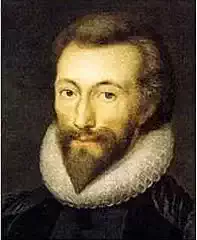
O, if thou car'st not whom I love / Alas, thou lov’st not me.
10

No wind serves him who addresses his voyage to no certain port.
7
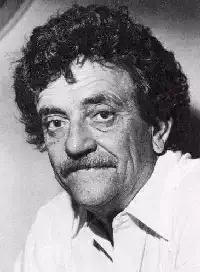
For a Russian to be chivalrous with an American is a spiritual impossibility, a conradiction in terms.
8
I wish to say what I think and feel today, with the proviso that tomorrow perhaps I shall contradict it all.
4
Speak what you think today in words as hard as cannon balls, and tomorrow speak what tomorrow thinks in hard words again, though it contradict everything you said today.
4

O thrice unhappy home / Whose master doesn t know the difference between a watt and an ohm!
12
A bad workman never gets a good tool.
7

Happy are they that hear their detractions and can put them to mending.
4
Every man contemplates an angel in his future self.
3
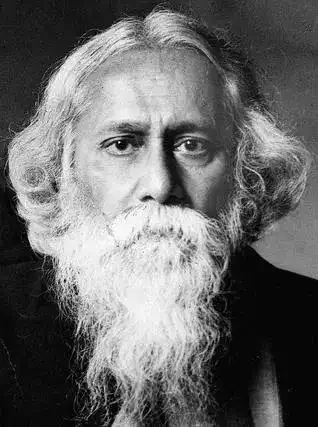
Asks the Possible of the Impossible, “Where is your dwelling-place?” / “In the dreams of the Impotent,” comes the answer.
13
We look for some reward of our endeavors and are disappointed; not success, not happiness, not even peace of conscience, crowns our ineffectual efforts to do well. Our frailties are invincible, our virtues barren; the battle goes sore against us to the going down of the sun.
12
The realization that he was utterly powerless was like the blow of a sledgehammer, yet it was curiously calming as well.
7
The worst pain a man can have is to know much and be impotent to act.
10
Shall we go on conferring our Civilization upon the peoples that sit in darkness, or shall we give those poor things a rest?
7
Imperialism as he [Kipling] sees it is a sort of forcible evangelising.
4
The Fates, like an absent-minded printer, seldom allow a single line to stand perfect and unmarred.
3
There is no deformity / But saves us from a dream.
16
1 he habit of looking for beauty in everything makes us notice the shortcomings of things; our sense, hungry for complete satisfaction, misses the perfection it demands.
3
All things are literally better, lovelier, and more beloved for the imperfections which have been divinely appointed, that the law of human life may be effort, and the law of human judgment, mercy.
12

What day is so festal it fails to reveal some theft?
6
The perfect human being is uninteresting—the Buddha who leaves the world, you know. It is the imperfections of life that are lovable.
10
“Pity for all” would be hardness and tyranny toward you, my dear neighbor.
6
In the beginning, before the arrival of the white men, I had considered myself neutral. I had wanted neither side to win, neither the army nor the rebels. As it turned out, both sides lost.
7
He is not good himself who speaks well of everybody alike.
7
What people call impartiality may simply mean indifference, and what people call partiality may simply mean mental activity.
4
All the doctrines that have flourished in the world about immortality have hardly affected men’s natural sentiment in the face of death.
3

We feel and know that we are eternal.
7
If you question any candid person who is no longer young, he is very likely to tell you that, having tasted iife in this world, he has no wish to begin again as a “new boy" in another.
7
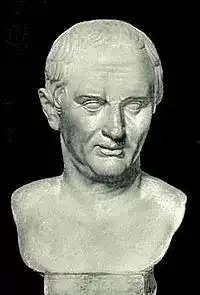
Should this my firm persuasion of the soul’s immortality prove to be a mere delusion, it is at least a pleasing delusion, and I will cherish it to my latest breath.
9
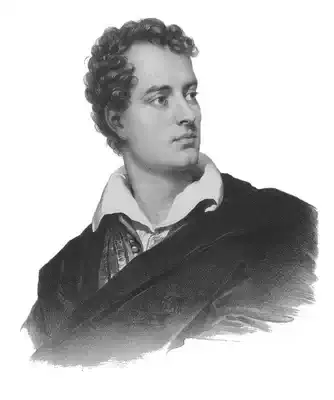
It has been said that the immortality of the soul is a “grand peut-etre”—but it is still a grand one. Everybody clings to it—the stupidest, and dullest, and wickedest of human bipeds is still persuaded that he is immortal.
6
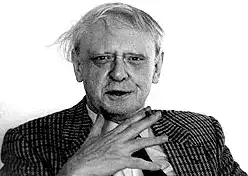
Immortality makes sense only when the individual soul can be thought of as merging into a great collective mush of sainthood. If we take anything with us into the next world, it is not what survives in the memories of our relicts.
8
A nation, like a tree, does not thrive well till it is engraffed with a foreign stock.
4
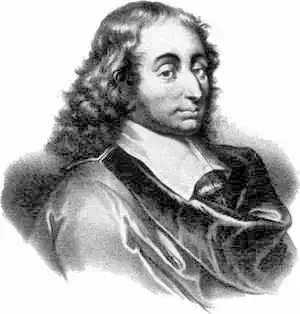
How shall one who is so weak in his childhood become really strong when he grows older? We only change our fancies.
7

The wisest man is just a boy / who grieves that he’s grown up.
11
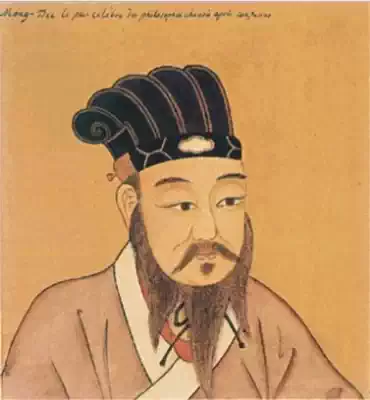
There are cases in which the blade springs, but the plant does not go on to flower. There are cases where it flowers, but no fruit is subsequently produced.
16
Universities are filled with poets and novelists conducting demure and careful lives in imitation of Eliot and Forster and those others who (through what seems to be have been discretion) made it.
6

We are like thistle-down blown about by the wind—up and down, here and there—but not one in a thousand ever getting beyond seed-hood.
5