
Quotes
Quotes to inspire and reflect
Most men eddy about / Here and there—eat and drink, / Chatter and love and hate, / Gather and squander, are raised / Aloft, are hurled in the dust, / Striving blindly, achieving / Nothing; and then they die— / Perish;—and no one asks / Who or what they have been.
7
What will die with me when I die, what pathetic or fragile form will the world lose?
14
For what human ill does not dawn seem to be an alleviation?
8
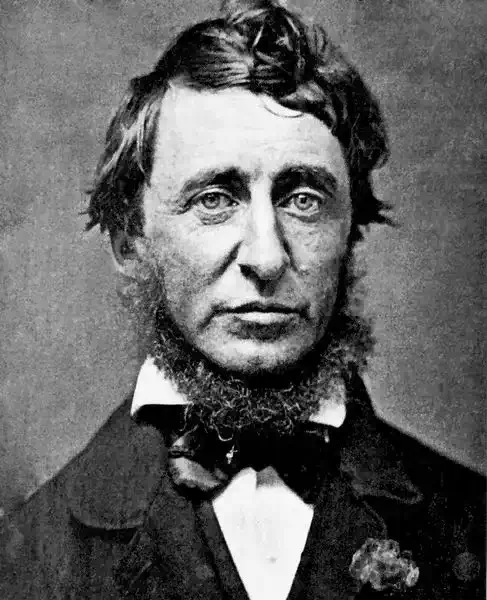
Only that day dawns to which we are awake. There is more day to dawn. The sun is but a morning star.
6
It is true, I never assisted the sun materially in his rising,’ but doubt not, it was of the last importance only to be present at it.
5
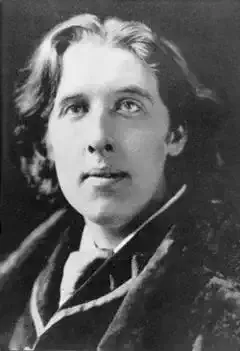
A man who moralizes is usually a hypocrite, and a woman who moralizes is invariably plain.
6
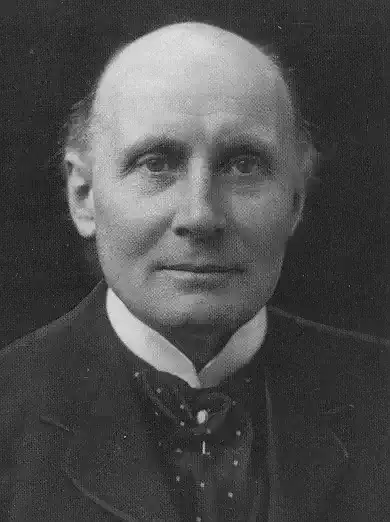
As society is now constituted, a literal adherence to the moral precepts scattered throughout the Gospels would mean sudden death.
7
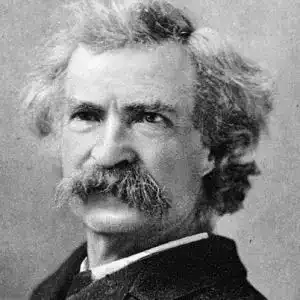
The moral sense enables one to perceive morality—and avoid it. The immoral sense enables one to perceive immorality and enjoy it.
8
It is not best that we use our morals week days; it gets them out of repair for Sundays.
6
Morals are an acquirement—like music, like a foreign language, like piety, poker, paralysis—no man is born with them.
8

We must never delude ourselves into thinking that physical power is a substitute for moral power, which is the true sign of national greatness.
12
To make our morality centre on forbidden acts is to defile the imagination and to introduce into our judgments of our fellow-men a secret element of gusto.
12
“It is written, better to be a fool all your days than for one hour to be evil. You are not a fool. They are the fools. For he who causes his neighbor to feel shame loses Paradise himself.”
10
The great secret of morals is love.
12
Our virtues / Lie in th’ interpretation of the time.
13
Without civic morality communities perish; without personal morality their survival has no value.
7
Ethics is in origin the art of recommending to others the sacrifices required for co-operation with oneself.
9
Physical science will not console me for the ignorance of morality in the time of affliction. But the science of ethics will always console me for the ignorance of the physical sciences.
6
There cannot any one moral rule be proposed whereof a man may not justly demand a reason.
6

The difference between a moral man and a man of honor is that the latter regrets a discreditable act, even when it has worked and he has not been caught.
6

Every man has his moral backside too, which he doesn’t expose unnecessarily but keeps covered as long as possible by the trousers of decorum.
9

Abstractions about right and wrong, whether they are as old as Thou Shalt Not Kill or as modern as Do Your Own Thing, often serve only to confuse and weaken genuine moral decision.
7
There can be no final truth in ethics any more than in physics, until the last man has had his experience and said his say.
8
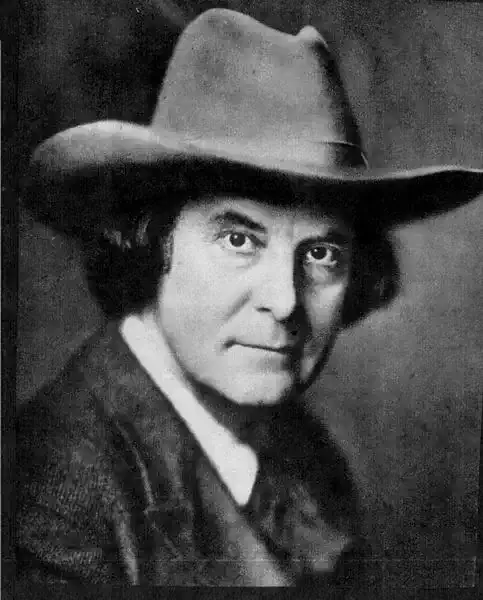
Morality is largely a matter of geography.
8
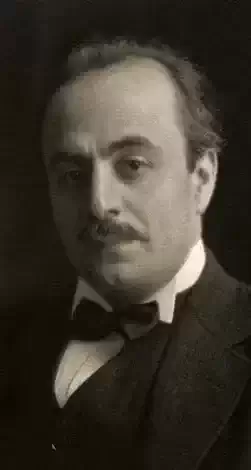
He who defines his conduct by ethics imprisons his song-bird in a cage.
11
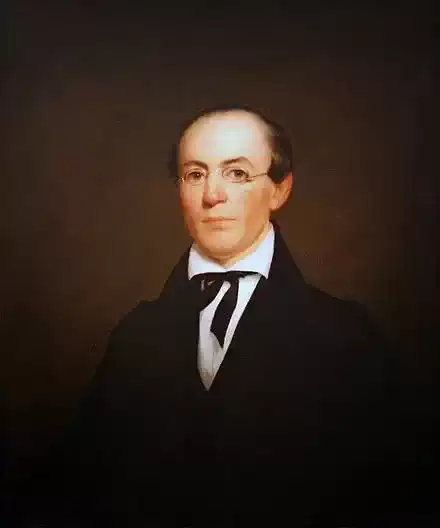
The success of any great moral enterprise does not depend upon numbers.
7
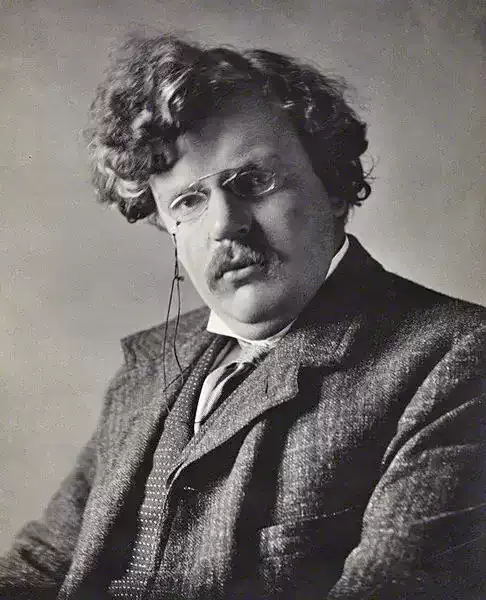
If there is one thing worse than the modern weakening of major morals it is the modern strengthening of minor morals.
6
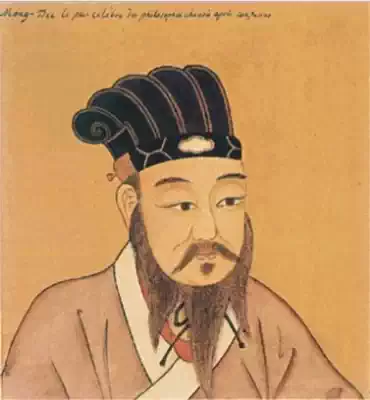
A man may not transgress the bounds of major morals, but may make errors in minor morals.
14

The only absolute morality is absolute stagnation.
8
Morality turns on whether the pleasure precedes or follows the pain.
12
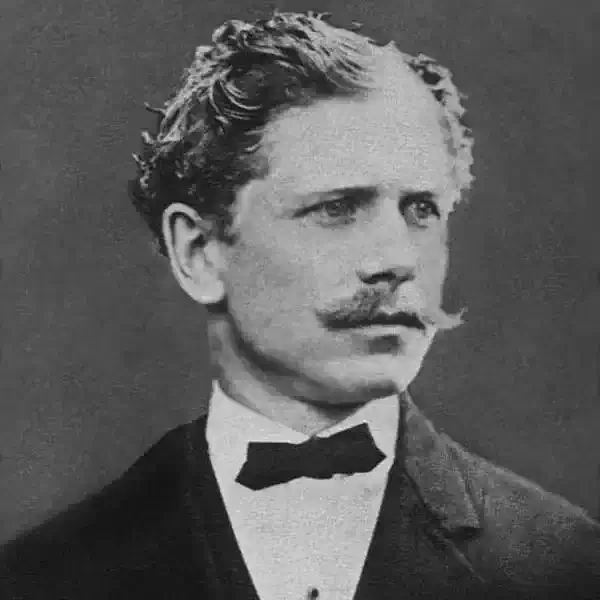
Decalogue, n. A series of commandments, ten in number—just enough to permit an intelligent selection for observance, but not enough to embarrass the choice.
4
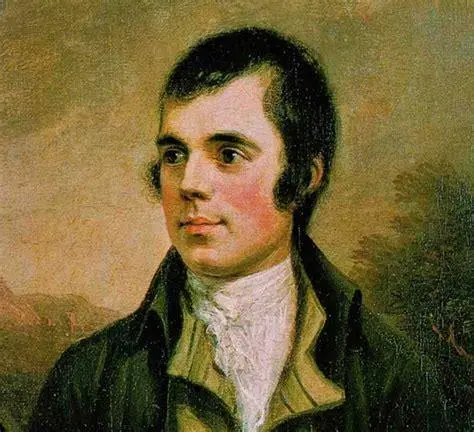
Morality, thou deadly bane, / Thy tens o’ thousands thou hast slain! / Vain is his hope, whose stay an’ trust is / In moral mercy, truth, and justice!
8

The moon is a friend for the lonesome to talk to.
11
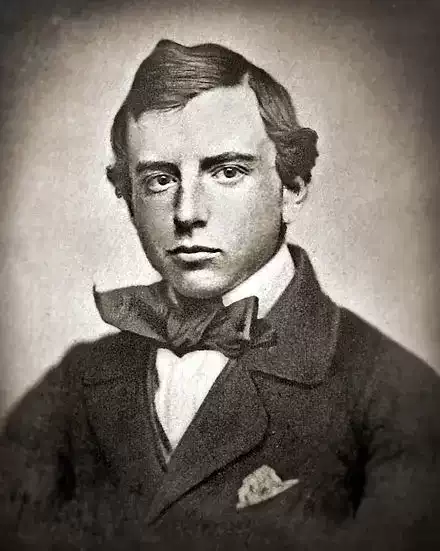
Morality is a private and costly luxury.
7
Treading the soil of the moon, palpitating its pebbles, tasting the panic and splendor of the event, feeling in the pit of one’s stomach the separation from terra—these form the most romantic sensation an explorer has ever known.
5
Evening had fallen. A rim of the young moon cleft the pale waste of sky line, the rim of a silver hoop embedded in grey sand: and the tide was flowing in fast to the land with a low whisper of her waves, islanding a few last figures in distant pools.
9
The difference between a little money and no money at all is enormous—and can shatter the world. And the difference between a little money and an enormous amount of money is very slight—and that, also, can shatter the world.
8
There is something haunting in the light of the moon; it has all the dispassionateness of a disembodied soul, and something of its inconceivable mystery.
6
Money is only useful when you get rid of it. It is like the odd card in “Old Maid”; the player who is finally left with it has lost.
11
Almost any man knows how to earn money, but not one in a million knows how to spend it. If he had known so much as this, he would never have earned it.
5
There was a time when a fool and his money were soon parted, but now it happens to everybody.
12
Money is the counter that enables life to be lived socially: it is life as truly as sovereigns and banknotes are money.
8
Money is indeed the most important thing in the world; and all sound and successful personal and national morality should have this fact for its basis.
7
Nothing comes amiss, so money comes withal.
15
Even genius is tied to profit.
6
Money is power, freedom, a cushion, the root of all evil, the sum of blessings.
10
Money writes books, money sells them. Give me not righteousness, O Lord, give me money, only money.
4
Gold is the key, whatever else we try; / And that sweet metal aids the conqueror / In every case, in love as well as war.
10