
Quotes
Quotes to inspire and reflect

Oh, what a power is motherhood, possessing / A potent spell. All women alike / Fight fiercely for a child.
6
The new-come stepmother hates the children born / to a first wife.
5
All men know their children / Mean more than life. If childless people sneer—/Well, they’ve less sorrow. But what lonesome luck!
6
Here all mankind is equal: / rich and poor alike, they love their children.
7

One of the most visible effects of a child’s presence in the household is to turn the worthy parents into complete idiots when, without him, they would perhaps have remained mere imbeciles.
5
This is the reason why mothers are more devoted to their children than fathers: it is that they suffer more in giving them birth and are more certain that they are their own.
6
The parasites live where the great have little secret sores.
6
We are the buffoons of our children.
9
Life is a paradox. Every truth has its counterpart which contradicts it; and every philosopher supplies the logic for his own undoing.
9
All the wise world is little else, in nature, / But parasites or subparasites.
9
A little amateur painting in water-colour shows the innocent and quiet mind.
11
He who confronts the paradoxical exposes himself to reality.
16
How vain painting is—we admire the realistic depiction of objects which in their original state we don’t admire at all.
7
One picture in ten thousand, perhaps, ought to live in the applause of mankind, from generation to generation until the colors fade and blacken out of sight or the canvas rot entirely away.
9
The picture waits for my verdict; it is not to command me, but I am to settle its claim to praise.
4
In painting, the most brilliant colors, spread at random and without design, will give far less pleasure than the simplest outline of a figure.
5
One ought not to return injustice, nor do evil to anybody in the world, no matter what one may have suffered from them.
20
Rendering oneself unarmed when one had been the best-armed, out of a height of feeling—that is the means to real peace, which must always rest on a peace of mind.
5

Non-violence is not a garment to be put on and ofl at will. Its seat is in the heart, and it must be an inseparable part of our very being.
8
The distant Trojans never injured me.
11
Mental violence has no potency and injures only the person whose thoughts are violent. It is otherwise with mental nonviolence. It has potency which the world does not yet know.
10
It is open to a war resister to judge between the combatants and wish success to the one who has justice on his side. By so judging he is more likely to bring peace between the two than by remaining a mere spectator.
9
The peace of the man who has forsworn the use of the bullet seems to me not quite peace, but a canting impotence.
5
If you have a nation of men who have risen to that height of moral cultivation that they will not declare war or carry arms, for they have not so much madness left in their brains, you have a nation of lovers, of benefactors, of true, great, and able men.
4
Other people are quite dreadful. The only possible society is one’s self.
5
Do not base your life on the judgments of others; first, because they are as likely to be mistaken as you are, and further, because you cannot know that they are telling you their true thoughts.
7
We are never the same with others as when we are alone; we are different, even, when we are in the dark with them.
11
It is the tragedy of other people that they are to us merely showcases for the very perishable collections of our own mind.
7
Just as much as we see in others we have in ourselves.
6
Most often it happens that one attributes to others only the feelings of which one is capable oneself.
9
None knows the weight of another’s burden.
6
We cannot forgive another for not being ourselves.
5
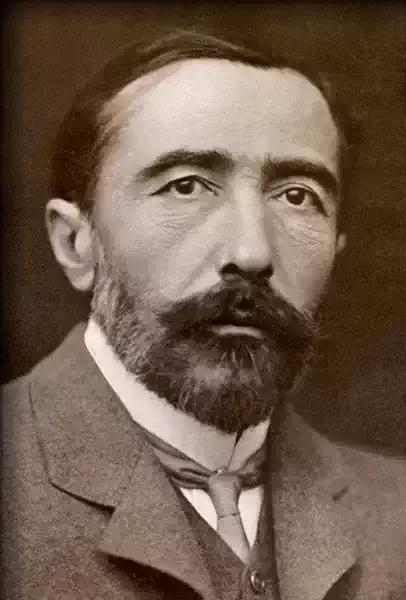
It is when we try to grapple with another man’s intimate need that we perceive how incomprehensible, wavering, and misty are the beings that share with us the sight of the stars and the warmth of the sun.
6
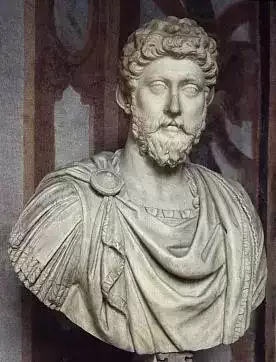
I often marvel how it is that though each man loves himself beyond all else, he should yet value his own opinion of himself less than that of others.
15
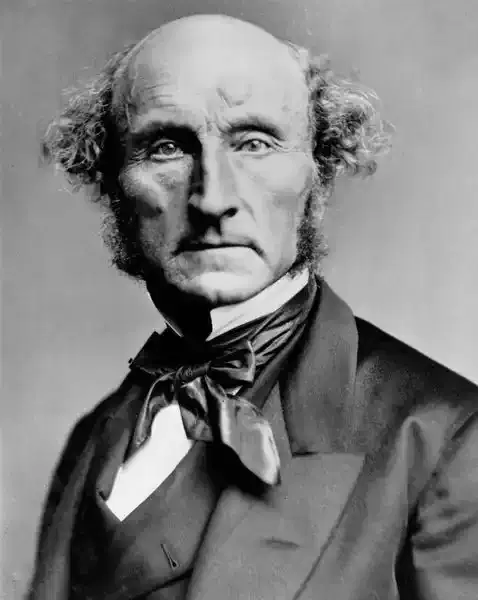
Originality is the one thing which unoriginal minds cannot feel the use of.
8
We are better able to study our neighbors than ourselves, and their actions than our own.
7
He is great who is what he is from nature and who never reminds us of others.
4
All good things which exist are the fruits of originality.
9
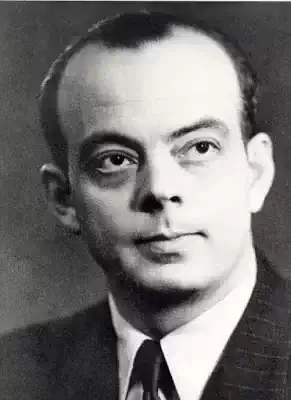
Peace is present when man can see the face that is composed of things that have meaning and are in their place. Peace is present when things form part of a whole greater than their sum, as the diverse minerals in the ground collect to become the tree.
10
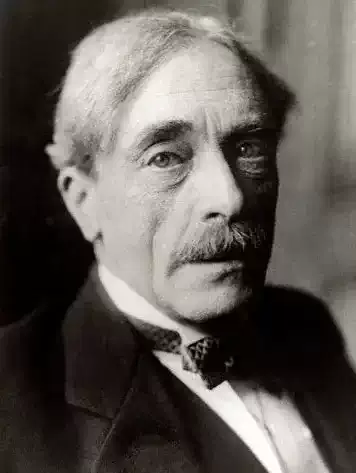
Order always weighs on the individual. Disorder makes him wish for the police or for death. These are two extreme circumstances in which human nature is not at ease.
16
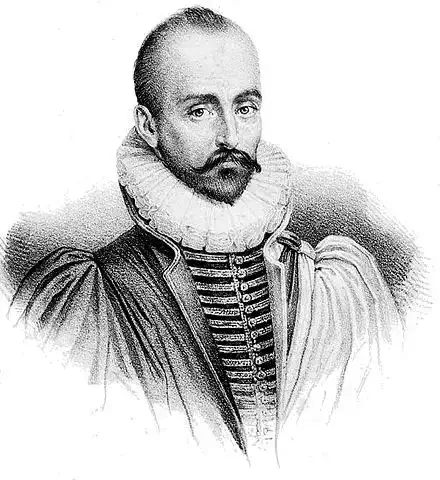
The virtue of the soul does not consist in flying high, but in walking orderly.
6
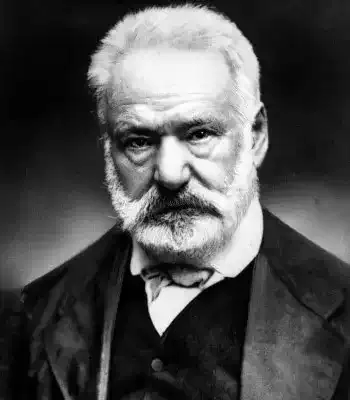
Symmetry is ennui, and ennui is the very essence of grief and melancholy. Despair yawns.
5
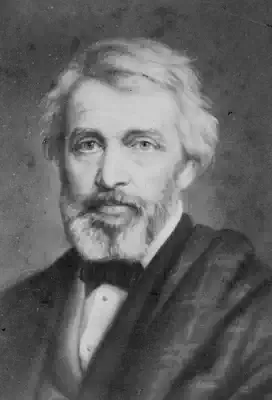
It is meritorious to insist on forms; religion and all else naturally clothes itself in forms. Everywhere the formed world is the only habitable one.
8
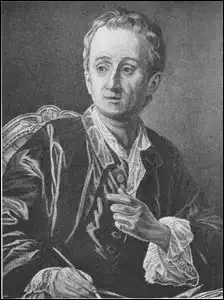
Watch out for the fellow who talks about putting things in order! Putting things in order always means getting other people under your control.
10
If you pretend to be good, the world takes you very seriously. If you pretend to be bad, it doesn’t. Such is the astounding stupidity of optimism.
5
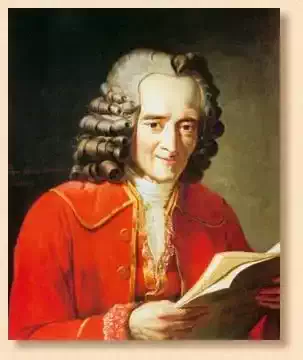
One day everything will be well, that is our hope: / Everything’s fine today, that is our illusion.
8
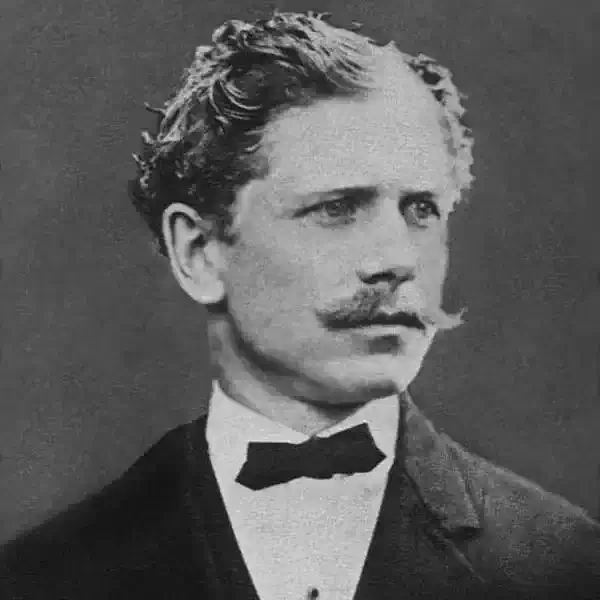
Optimism, n. The doctrine or belief that everything is beautiful, including what is ugly, everything good, especially the bad, and everything right that is wrong.
4
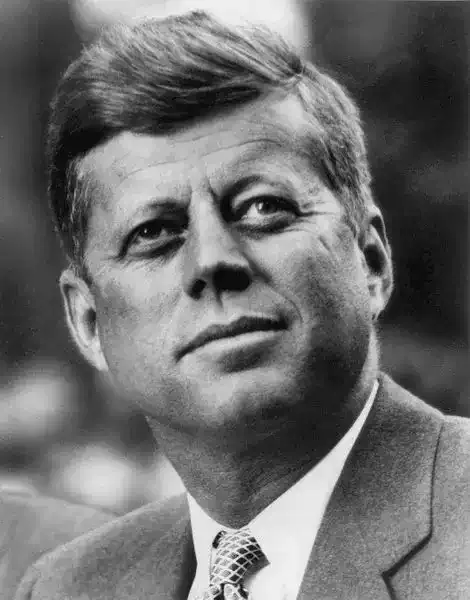
Now, as never before, hundreds of millions of men and women—who had formerly believed that stoic resignation in the face of hunger and disease and darkness was the best one could could do—have come alive with a new sense that the means are at hand with which to make for themselves a better life.
6