
Quotes
Quotes to inspire and reflect
Surely no other American institution is so bound around and tightened up by rules, strictures, adages, and superstitions as the Broadway theatre.
7
The theater needs continual reminders that there is nothing more debasing than the work of those who do well what is not worth doing at all.
8
Not to go to the theatre is like making one’s toilet without a mirror.
9

1 see the playwright as a lay preacher peddling the ideas of his time in popular form.
8
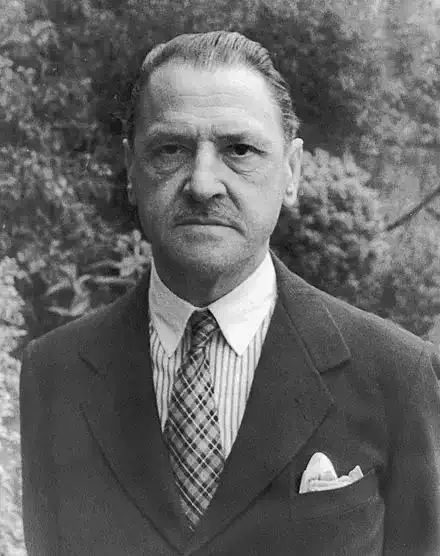
The drama is make-believe. It does not deal with truth but with effect.
9

The theater, when all is said and done, is not life in miniature, but life enormously magnified, life hideously exaggerated.
6
The inclination to digress is human. But the dramatist must avoid it even more strenuously than the saint must avoid sin, for while sin may be venial, digression is mortal.
9

We do not go [to the theatre], like our ancestors, to escape from the pressure of reality, so much as to confirm our experience of it.
7
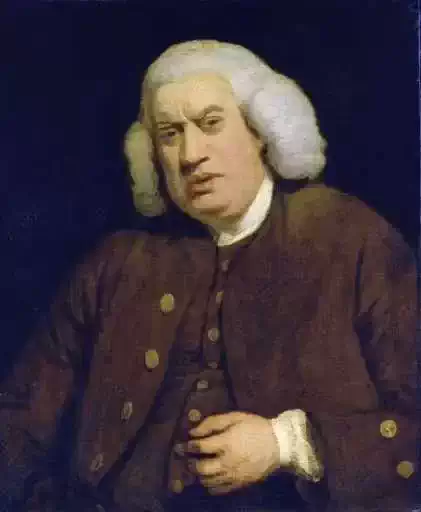
The stage but echoes back the public voice. / The drama’s laws the drama’s patrons give, / For we that live to please, must please to live.
6
I think theatre should always be somewhat suspect.
11

Don’t put your daughter on the stage, Mrs. Worthington,/Don’t put your daughter on the stage,/The profession is overcrowded/ And the struggle’s pretty tough/ And admitting t he fact/She’s burning to act,/That isn’t quite enough.
10
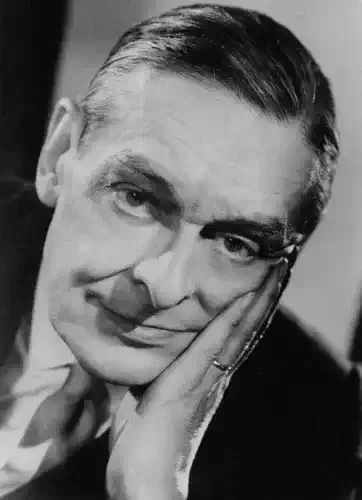
A play should give you something to think about. When I see a play and understand it the first time, then I know it can’t be much good.
4

I generally avoid temptation unless 1 can’t resist it.
8
Blessed is he who has never been tempted; for he knows not the frailty of his rectitude.
8
There is a certain degree of temptation which will overcome any virtue. Now, in so far as you approach temptation to a man, you do him an injury; and, if he is overcome, you share his guilt.
5
Who will not judge him worthy to be robbed / That sets his doors wide open to a thief, / And shows the felon where his treasure lies?
7

No temptation can ever be measured by the value of its object.
7
Intemperate temperance injures the cause of temperance, while temperate temperance 'helps it in its fight against intemperate intemperance.
7

If health and a fair day smile upon me, I am a very good fellow; if a corn trouble my toe, I am sullen, out of humor, and inaccessible.
7
Certainly there are good and bad times, but our mood changes more often than our fortune.
10
A human being tends to believe that the mood of the moment, be it troubled or blithe, peaceful or stormy, is the true, native, and permanent tenor of his existence ... whereas the truth is that he is condemned to improvisation and morally lives from hand to mouth all the time.
9

There is no harbor of peace / From the changing waves of joy and despair.
8
One [television] program was an interminable exploration of the question: can a woman with a low I.Q. be happily married to a man with a high one? The answer seemed to be yes and no.
7

All music jars when the soul’s out of tune.
7
Being on TV is like being alive, only more so.
6

Millions who endure poverty and bad government can now know what they are missing. To see how the other half lives all they have to do is switch on their television sets.
5
[Television doomed us to the Family, whose household instrument it has become—what the hearth used to be, flanked by the communal kettle.
6
Those who live by electronics die by electronics. Sic semper tyrannis.
7

The machine yes the machine / never wastes anybody’s time / never watches the foreman / never talks back.
12

No medicine man these days can afford to be without a portable tape recorder. Without the aid of this modern device, which may be easily concealed in the undergrowth of the jungle, the old tribal authority will rapidly become undermined by the mounting influenece of modern skepticism.
9
The nihilism of technology lies not only in the fact that it is the most perfect expression of the will to power, as Heidegger believes, but also in the fact that it lacks meaning. Why? and To what purpose? are questions that technology does not ask itself.
12
The machine does not isolate man from the great problems of nature but plunges him more deeply into them.
7
Is it a fact—or have I dreamt it—that, by means of electricity, the world of matter has become a great nerve, vibrating thousands of miles in a breathless point of time?
8
Applied Science is a conjuror, whose bottomless hat yields impartially the softest of Angora rabbits and the most petrifying of Medusas.
9
It is a commonplace of modern technology that there is a high measure of certainty that problems
7
Have you ever looked inside one of those t hings [computers]? It’s a whole hierarchy of angels— all on slats. And those little tubes—those are miracles.
4

As industrial technology advances and enlarges, and in the process assumes greater social, economic, and political force, it carries people away from where they belong by history, culture, deeds, association, and affection.
12

Whatever the country, capitalist or socialist, man was everywhere crushed by technology, made a stranger to his own work, imprisoned, forced into stupidity.
12
My joy in learning is partly that it enables me to teach.
5
An educator never says what he himself thinks, but only that which he thinks it is good for those whom he is educating to hear.
7
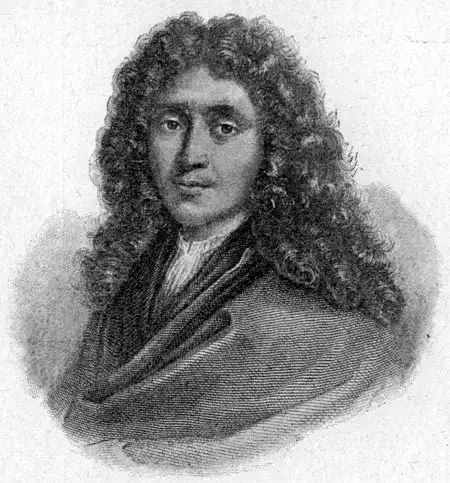
I maintain, in truth, / That with a smile we should instruct our youth, / Be very gentle when we have to blame, / And not put them in fear of virtue’s name.
8
A man who knows a subject thoroughly, a man so soaked in it that he eats it, sleeps it and dreams it— this man can always teach it with success, no matter how little he knows of technical pedagogy.
12
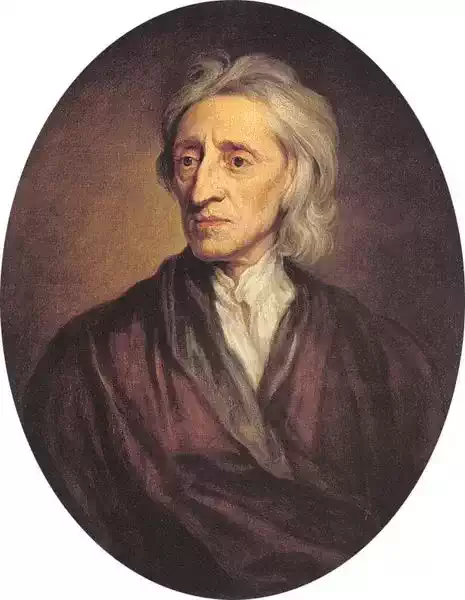
It is easier for a tutor to command than to teach.
9
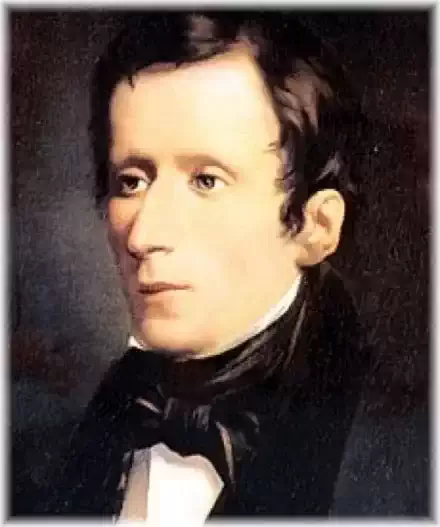
The greater part of the people we assign to educate our sons we know for certain are not educated. Yet we do not doubt that they can give what they have not received, a thing which cannot be otherwise acquired.
8
He [the schoolmaster] is awkward, and out of place, in the society of his equals. He comes like Gulliver from among his little people, and he cannot fit the stature of his understanding to yours.
7
He that teaches us anything which we knew not before is undoubtedly to be reverenced as a master.
6
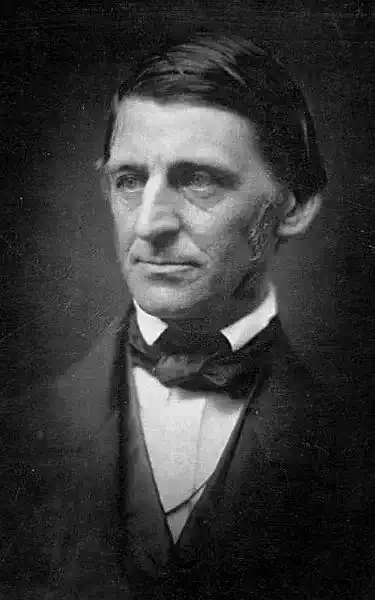
I pay the schoolmaster, but tis the schoolboys that educate my son.
5
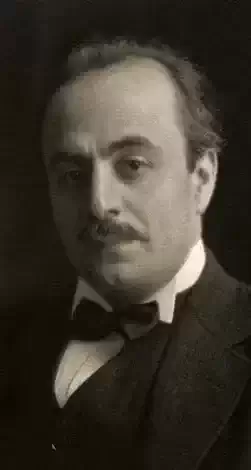
No man can reveal to you aught but that which already lies half asleep in the dawning of your knowledge.
10