Identification and Basic Context
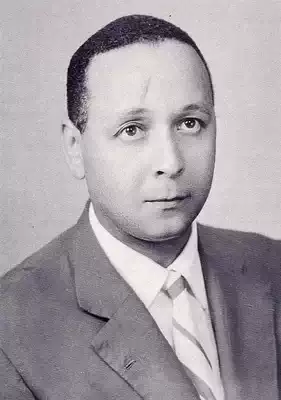
Francisco José Tenreiro, born in São Tomé and Príncipe, was a poet, essayist, and physician. He is considered one of the most important writers from Cape Verde and a relevant figure in African literature in Portuguese. His work is intrinsically linked to his identity and the context of the African diaspora.
Childhood and Education
Tenreiro was born on an island, São Tomé, which profoundly marked his worldview and his poetry. His intellectual education took place in Portugal, where he studied medicine, but he never disconnected from his African roots. This duality between his place of origin and his place of education shaped his perspective and his writing.
Literary Career
Tenreiro's literary career is marked by poetry that celebrates the African land, identity, and the condition of Black people. Although his literary production was not extensive in volume, his work possesses significant depth and strength. He actively participated in literary and intellectual circles, contributing to the affirmation of African literature.
Work, Style, and Literary Characteristics
His poetic work, notably "Ilha de Nome Santo" (1942) and "Coração do Vento" (1953), is characterized by intense lyricism, the exaltation of the land, and the exploration of feelings of saudade and belonging. Tenreiro uses rich and expressive language to describe landscapes, evoke memories, and reflect on the human condition, especially that of Africans in search of their identity. Rhythm and musicality are striking elements in his verses.
Cultural and Historical Context
Francisco José Tenreiro lived in a period when African identity and the struggle against colonialism were beginning to gain strength in literature. He is part of the "1948 Generation" or "Presencista Generation" movement, which sought to affirm African identity and address themes such as miscegenation and colonization. His work engages with the historical context of the search for autonomy and recognition of African peoples.
Personal Life
Tenreiro's life was marked by his dedication to medicine and, concurrently, to the arts and writing. His experience as a physician may have influenced his sensitivity and his humanistic vision. Saudade for his homeland and reflection on identity are recurring themes that certainly had roots in his personal experiences.
Recognition and Reception
Tenreiro is recognized as a fundamental poet in African literature in Portuguese. His work, though perhaps less widespread than that of other authors, is studied and admired for its thematic depth and aesthetic quality. He contributed to the consolidation of an authentic African literary voice.
Influences and Legacy
His influences include traditional poetry and resistance literature. Tenreiro's legacy lies in his ability to give voice to the African soul, explore the complexity of identity, and create a poetic work of great beauty and significance, inspiring subsequent generations of African writers.
Interpretation and Critical Analysis
Tenreiro's work is often analyzed from the perspective of national identity, saudade, and the representation of the African space in literature. His poetry is seen as a hymn to the land and a cry of existential affirmation.
Curiosities and Lesser-Known Aspects
His medical training and professional practice in Portugal, while simultaneously writing about his homeland, demonstrate the complexity of his trajectory.
Death and Memory
Francisco José Tenreiro passed away in the early 1960s. His memory is preserved through his poetic work, which continues to be studied and celebrated as a landmark in Portuguese-language African literature.

 ST
ST